REVIEW · FLORENCE
Florence: Street Art Tour
Book on GetYourGuide →Run by Florence Tours by Made of Tuscany · Bookable on GetYourGuide
Florence has street art worth chasing. This walk turns ordinary corners into a street art lesson, where the guide helps you read graffiti you’d usually scroll past and connects today’s mural makers to Renaissance ideas. I also love how the tour mixes contemporary walls with major landmarks, from Santa Maria Novella to the bridges and plazas you already came to see.
One thing to consider: this is still a walking tour, so if you’re hoping for nonstop jaw-dropping murals every minute, you may feel the pacing more than the art.
Key highlights for your bucket list
- Graffiti, decoded in Italian so illegible tags become actual stories
- Contemporary art in famous squares like Santa Maria Novella and Piazza della Signoria
- Off-the-beaten-path street scenes beyond the usual photo stops
- CLET Studio + workshop access to see street art up close
- Local artist context (including names like Blub and Clet) tied to Florence’s past
In This Review
- Street Art in Florence: The City Outside the Museum Hours
- Starting at Piazza del Duomo: Where the Walk Makes Sense
- Santa Maria Novella: First Stop, First “Read”
- Via Palazzuolo: Where Cheeky Tags Become Clues
- Ponte Vecchio: Famous Bridge, Unfamous Stories on Walls
- Piazza Pitti: Big Square Energy, Street Art Detail Focus
- CLET Studio: The Workshop Stop That Changes the Whole Tour
- Piazza della Signoria: Old Power, New Point of View
- Price and Value: Is $198.25 for 3 Hours Worth It?
- Walking Reality: What the 3-Hour Pace Feels Like
- Who This Tour Is Best For
- Should You Book the Florence Street Art Tour?
- FAQ
- FAQ
- How long is the Florence street art tour?
- Where does the tour start?
- Where does the tour end?
- What’s included in the price?
- What languages are available for the live guide?
- Is the tour wheelchair accessible?
Street Art in Florence: The City Outside the Museum Hours
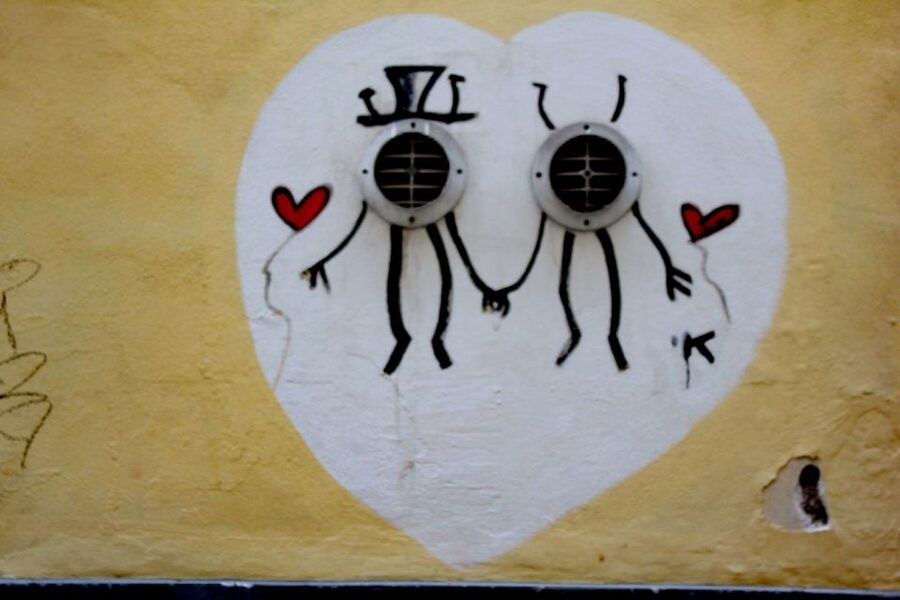
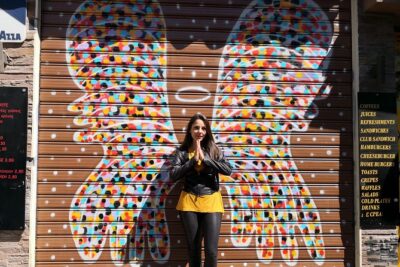
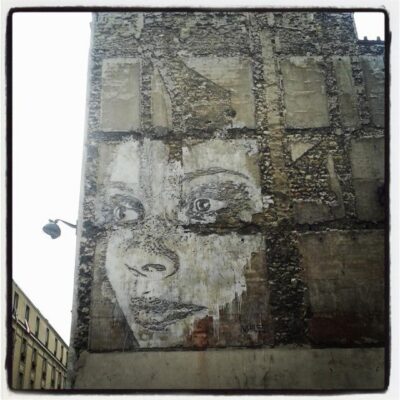
Most people come to Florence for stone, frescoes, and plaques. This tour gives you a different angle: how Florence talks back today, using walls instead of canvas. You’ll spend three hours learning to “read” street art—what symbols mean, why certain styles show up in certain spots, and how the city’s visual language has shifted over time.
What makes it work is the balance. You’re not just looking at murals like decorations. You’re getting explanations that help you connect then and now. The tour frames it as a way to find the modern equivalents of famous Renaissance geniuses—so you’re seeing street artists in the role of creators, thinkers, and commentators, not random scribblers.
You’ll also be walking through the city’s best-known squares and corridors, which means you get both payoff types in the same outing: landmark beauty and contemporary street culture.
Starting at Piazza del Duomo: Where the Walk Makes Sense
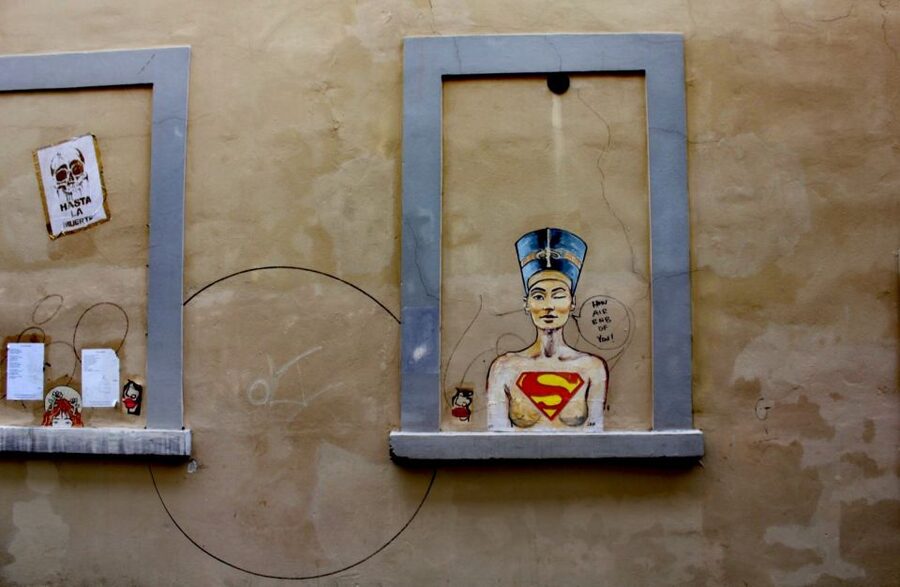
The meeting point is simple: Piazza del Duomo, 107, outside the central door of the Florence Cathedral area. It’s a good start because you’re already in the heart of the sightseeing grid. You can arrive, orient yourself fast, and then settle into a steady on-foot rhythm.
From the beginning, the tour’s tone is practical. You’re told what you’re going to spot and how to look. That matters on street art tours, because some work is stylized on purpose—letters get stylized, images get layered, and the meaning isn’t always obvious at a glance. With a guide in front of you, you’re not just wandering; you’re learning how to decode.
Also, it’s run as a private group. That typically means you get a more conversational pace, with room to ask questions when something catches your eye.
Santa Maria Novella: First Stop, First “Read”
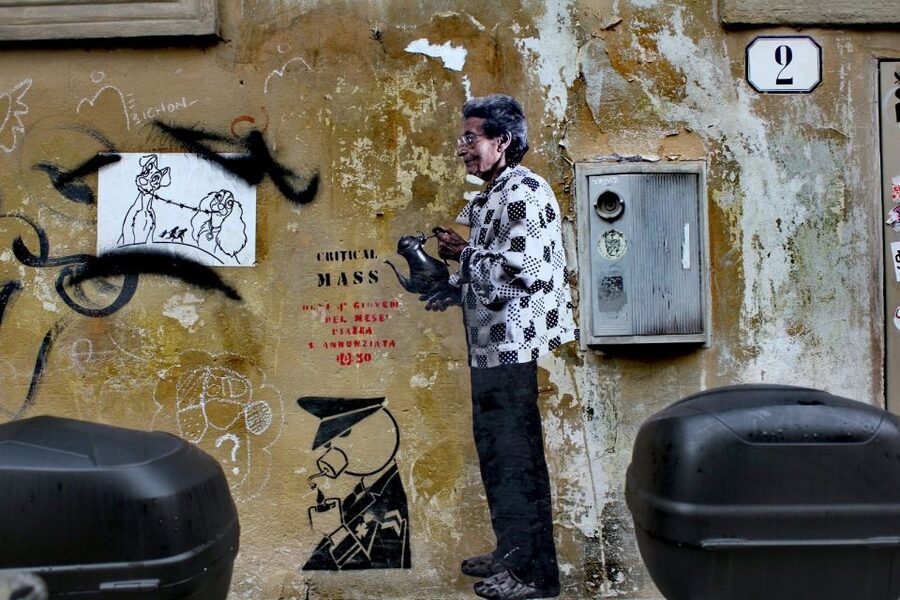
Your first real stop is Santa Maria Novella for a short, guided orientation (about 15 minutes). This is a smart opener. The area gives you a classic Florence anchor, so you can compare the old visual language—architecture and iconography—with what comes next on walls farther out.
Here’s what to pay attention to: how the street art blends into its surroundings. Even when the pieces are bold, they’re often placed with intention—at sightline level, near pedestrian routes, or in spots where people naturally slow down. The guide helps you notice those choices, and that changes how you see street art immediately.
If you’re hoping to get comfortable with the tour’s “translation” style, this is where it clicks.
Via Palazzuolo: Where Cheeky Tags Become Clues
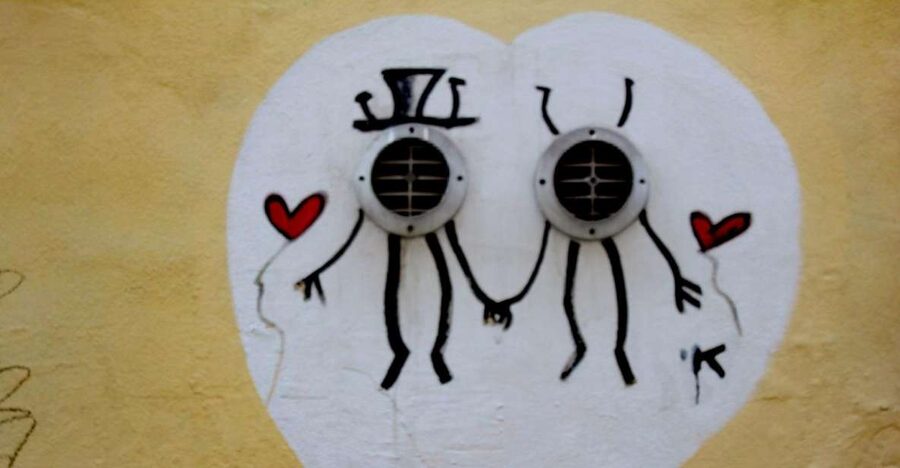
Next you head to Via Palazzuolo for about 30 minutes walking and guided sighting. This stretch is where street art starts to feel less like a curated gallery and more like a living conversation.
You’ll likely encounter a mix of street lettering—some of it cheeky, some of it politically pointed, and some of it that looks like a scribble unless someone shows you what’s underneath. This is one of the tour’s strongest promises: deciphering graffiti that’s hard to read on your own.
Why that’s valuable: once you learn the basics of how tags and murals communicate—through repeated motifs, recognizable styles, or even simple wordplay—you start “seeing” instead of just looking. You start to spot patterns without needing the guide to translate every single thing.
Ponte Vecchio: Famous Bridge, Unfamous Stories on Walls
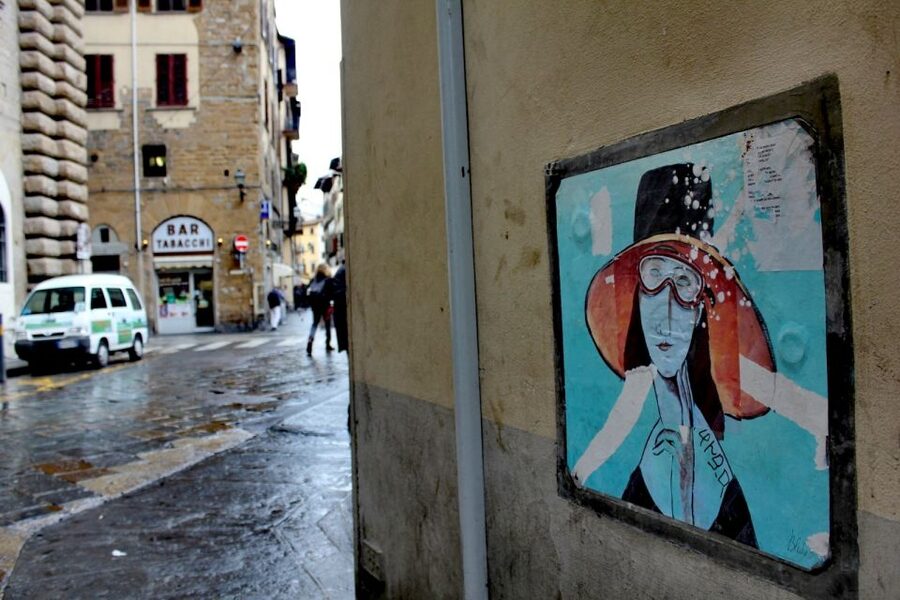
Then comes Ponte Vecchio with another short stop (about 15 minutes). This is one of those Florence places that almost forces you into landmark mode. But the tour steers you back to wall-level detail so you’re not only taking photos of the bridge.
It’s also an effective contrast moment. You get the iconic view, then turn your attention to contemporary pieces that sit alongside it in the city’s daily life. That juxtaposition is the point: Florence isn’t frozen. People keep shaping the city’s look and meaning, one surface at a time.
On a tour like this, the guide’s commentary matters more than the wall itself. The best part isn’t just seeing a mural; it’s hearing how the guide connects it to Florence’s bigger cultural story.
Piazza Pitti: Big Square Energy, Street Art Detail Focus
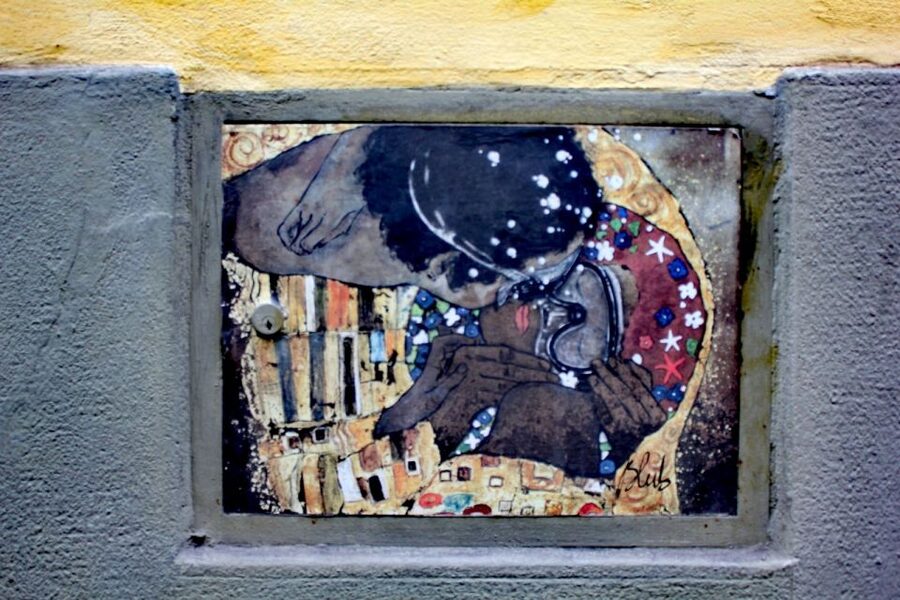
You spend time at Piazza Pitti (around 15 minutes). Pitti is a major stage in the tourist map, but street art changes the “feel” of a square. Instead of treating the space like a backdrop, you’re watching how street creators use the edges of the square—walls, corners, and passageways—as their canvas.
This is another spot where you’ll benefit if you like looking closely. Some pieces are graphic and easy to read. Others need interpretation—symbols, character styles, or local references that make sense with a bit of guidance.
If you’re traveling with friends, it’s a nice moment to trade observations. You’ll start to notice that your eyes no longer go straight for the famous buildings; they also scan for signatures and imagery that could be “talking” to the rest of the city.
CLET Studio: The Workshop Stop That Changes the Whole Tour
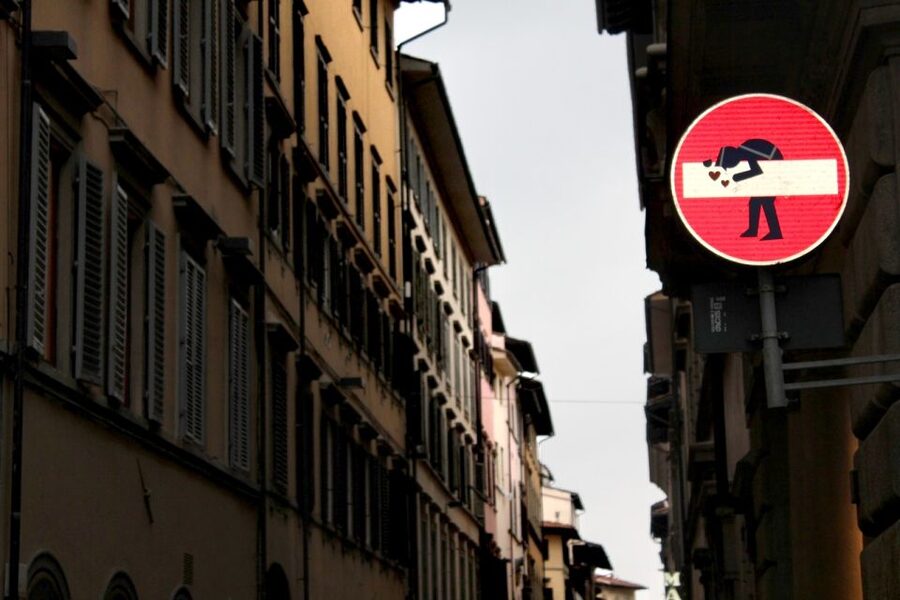
One of the most distinctive parts is the CLET Studio visit (about 30 minutes). This is where street art shifts from street-level sightings to a studio-level understanding. The tour includes entrance to street art workshops, so you’re not just seeing finished work from the outside—you’re getting closer to the process.
Even if you don’t buy anything, this kind of stop usually makes street art feel less like an accident and more like craft. You start understanding materials, design choices, and how an artist’s style becomes recognizable over time.
CLET is also a name that pops up in the tour’s artist context. You might hear about Clet and other local figures like Blub, which helps you place individual artists in the broader Florence street scene—rather than treating every mural as a random one-off.
If you’re the type who likes to go beyond surface-level photos, this studio moment is a big reason to choose this tour.
Piazza della Signoria: Old Power, New Point of View
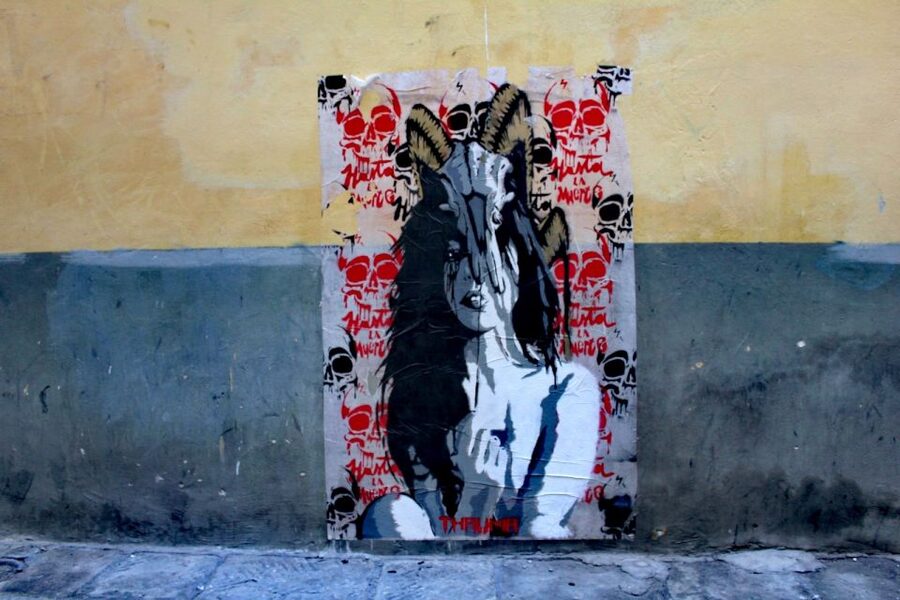
Finally, you loop back to Piazza della Signoria for about 15 minutes. This is one of Florence’s most loaded squares historically, so street art here has extra weight. The guide helps you connect the modern pieces to the long-running Renaissance obsession with image-making—composition, symbolism, and public messaging.
This stop is a good check for whether the tour is landing for you. If you’ve been paying attention to motifs and techniques, you’ll likely feel like the pieces start making sense faster by now. If the earlier stops clicked, this is where the whole “past meets present” theme becomes clearer.
And if it hasn’t clicked yet, it’s still worth sticking with the stop—because sometimes the meaning clicks after you’ve seen the same visual language used in a few different contexts.
Price and Value: Is $198.25 for 3 Hours Worth It?
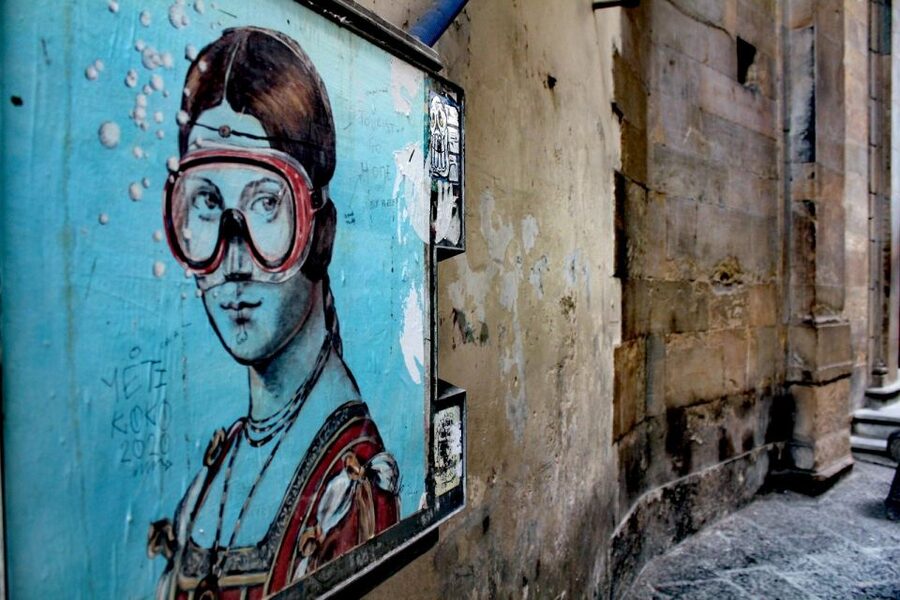
At $198.25 per person for a 3-hour guided walk, you’re paying for more than sightseeing. You’re paying for interpretation: someone helping you read graffiti and murals, plus access to the street art workshop setting at CLET Studio.
Here’s how to judge value before you book:
- If you like street art but often feel lost reading it, the “translation” factor can be worth it. Learning to decode tags and imagery is the kind of skill you carry home.
- If you mainly want landmark photos and don’t care about meaning, you might feel the cost more than you feel the payoff—because street art can be stylistically varied, and some pieces are easier to love than others.
- If you’re a fan of contemporary art and want a look at the workshop side, the inclusion of workshop access makes the price feel more justified than a basic walking tour.
For me, the sweet spot is this: you’re not just buying wall time. You’re buying a guide who turns wall time into understanding.
Walking Reality: What the 3-Hour Pace Feels Like
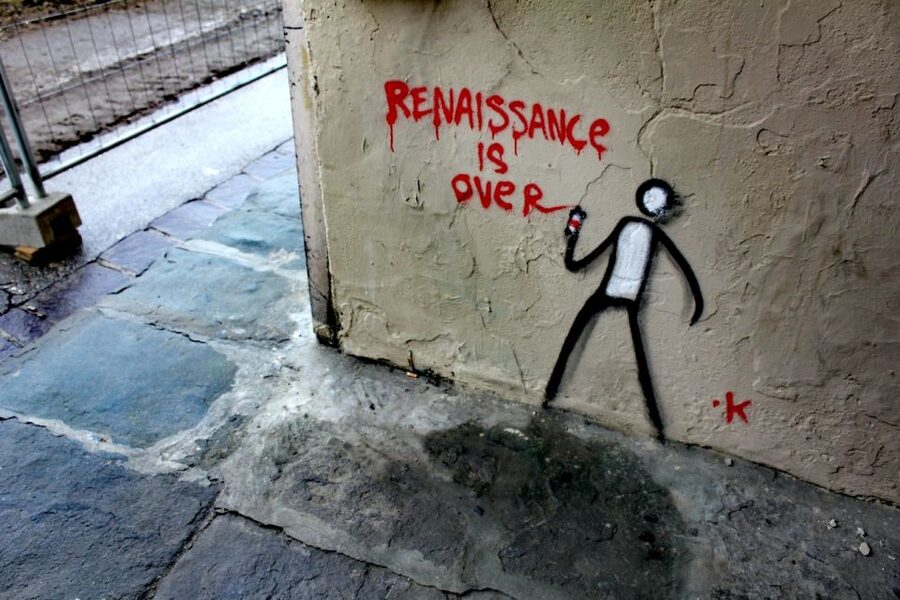
This is a 3-hour walking tour. That sounds straightforward, but street art tours tend to involve frequent stops, angled looks, and short bursts of discussion. Plan for slow strolling rather than long stretches of nonstop movement.
If you drive, keep in mind that parking tends to be the real challenge around central Florence. Even though the tour is designed to end back at the original meeting point, you might still have a walk from where your car is waiting.
Also, street art shows are outdoors and subject to what’s on the walls that day. Weather can affect comfort, so bring what you’d bring for a typical urban Florence stroll: water, sun protection, and a layer if the evening cools down.
Who This Tour Is Best For
This fits best if you:
- enjoy street art and want help understanding it, not just photographing it
- like mixing contemporary culture with Florence’s classic landmarks
- want a more local feel than museum-only afternoons
- want a studio or workshop touchpoint (CLET Studio) rather than only street-level viewing
It may not be your best match if you’re expecting constant, world-class murals at every turn. Street art can be hit-or-miss depending on what’s currently on display, how weather has treated the surfaces, and what kind of style you personally connect with.
Should You Book the Florence Street Art Tour?
Yes, if you want Florence to feel current, not just historical. The combination of decoded graffiti, major squares like Santa Maria Novella and Piazza della Signoria, and a real workshop stop at CLET Studio gives you more than a casual art walk.
Skip it (or adjust expectations) if your top goal is purely to collect stunning murals at every single minute. Also, if you dislike walking, this won’t feel like a quick add-on.
If you’re unsure, a good strategy is to decide what you value more: landmark sightseeing with a street art lens, or museum-style art appreciation. This tour leans hard into the first option.
FAQ
FAQ
How long is the Florence street art tour?
The tour lasts 3 hours.
Where does the tour start?
It starts at Piazza del Duomo, 107, meeting in front of the central door of the Florence Cathedral.
Where does the tour end?
It ends back at the meeting point in Piazza del Duomo, 107.
What’s included in the price?
You get an expert street art tour guide and entrance to street art workshops.
What languages are available for the live guide?
The tour offers live guides in Italian, English, French, German, and Spanish.
Is the tour wheelchair accessible?
Yes, it’s listed as wheelchair accessible.