REVIEW · LOS ANGELES
Los Angeles: Arts District Street Art, Graffiti Walking Tour
Book on GetYourGuide →Run by LA Art Tours · Bookable on GetYourGuide
Street art turns downtown into a gallery. You get a local street artist guide and a walking route built for decoding the Arts District up close, not just snapping photos and moving on. I especially like the way the tour blends mural-scale work with the tiny stuff you’d normally walk right past.
The big catch is that the experience can feel a bit more about lettering, tags, and art-reading than wall-to-wall “big graffiti pictures” every minute. Also, timing isn’t always perfect; one guide run started about 20 minutes late, and that kind of slip can matter if you’re on a tight schedule.
In This Review
- Key Points You’ll Care About
- Street Art Basics: Why This Arts District Walk Makes Sense
- Finding Your Guide at Colyton and Palmetto
- Two Hours of Murals, Tags, and Street-Art History
- The Stops: ArtShare, The Container Yard, and the American Hotel
- ArtShare
- The Container Yard
- Arts District Co-op
- The American Hotel
- Joel Bloom’s Spot and the Former Site of Al’s Bar
- When the Artist-Guide Is Sergio (and When You Should Manage Expectations)
- What You’ll Learn About Technique Without Needing Art School
- Sunday Add-On: Spray Can and Stencil Workshop (If You Want to Make, Not Just Look)
- Price and Logistics: A $20 Deal That Depends on Your Style of Touring
- Who This Tour Fits Best
- Should You Book This Graffiti Walking Tour?
- FAQ
- How long is the Los Angeles Arts District street art and graffiti walking tour?
- How much does the tour cost?
- Where does the tour start?
- What should I bring?
- Is the tour wheelchair accessible?
- What language is the tour guide?
- What’s included in the ticket price?
- What stops are included during the tour?
- Is there an option for Sundays?
- Is free cancellation available?
Key Points You’ll Care About

- A real artist leads: you’re learning from people who live and work in the scene
- 100+ works in 2 hours: big murals and small marks, all mapped to meaning
- Iconic stops included: ArtShare, The Container Yard, and the American Hotel are on the route
- Technique + history together: you’ll hear how styles, materials, and crews fit into LA culture
- Sunday hands-on option: spray can and stencil painting workshop adds a creative add-on
Street Art Basics: Why This Arts District Walk Makes Sense
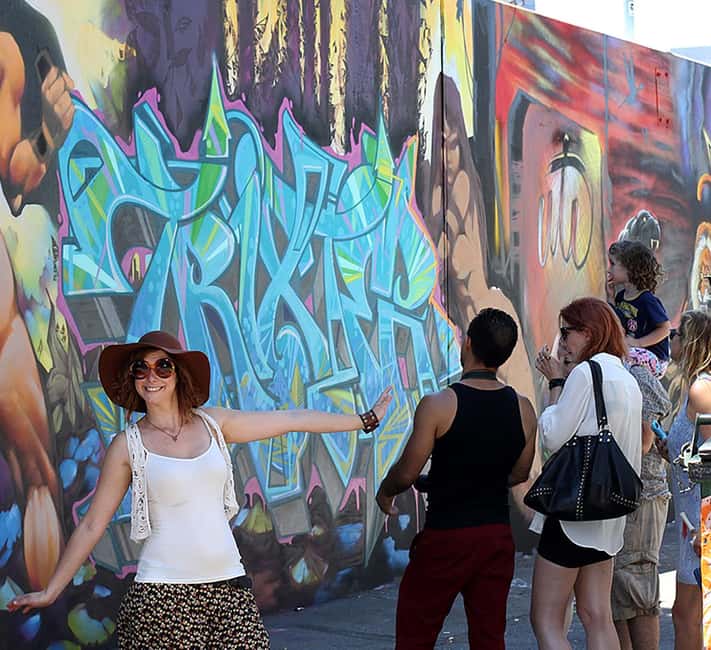
The Arts District is one of those places where the city looks like it’s actively talking back. On this tour, you don’t just see street art. You learn how to read it—style, symbols, placement, and the social scene behind it.
At $20 for about 2 hours, the value is mainly in the guidance. You’re paying for an artist-led route that connects the art to the community that made it, which is hard to do on your own when you’re staring at 50 things at once and getting the “cool, but why?” feeling.
The format also fits the way you actually travel. Downtown LA can be spread out, and street art needs slowing down. A walking tour keeps you moving while still forcing you to pause long enough to understand what you’re looking at.
Finding Your Guide at Colyton and Palmetto
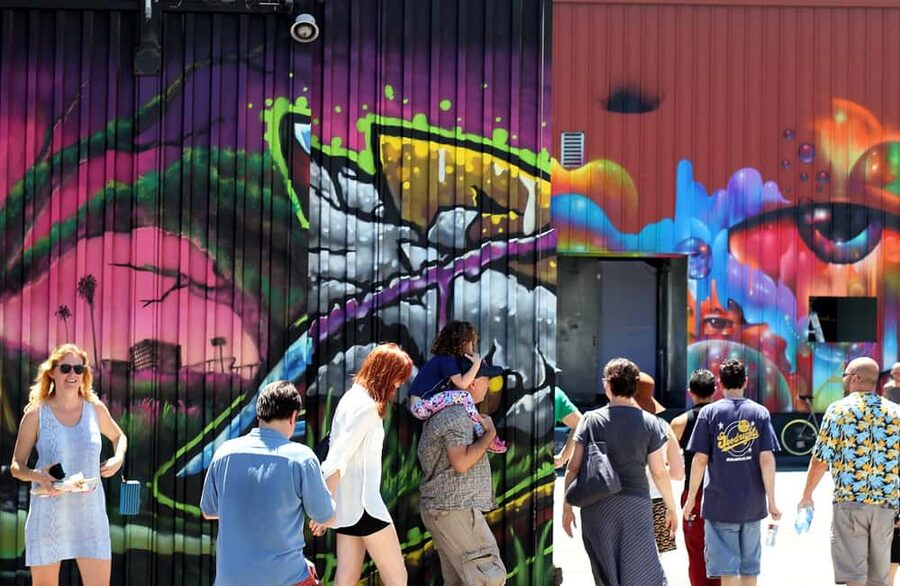
The tour starts at the green/benches at the corner of Colyton and Palmetto (address listed is for mapping only). The organizer notes that the meeting building tenants shouldn’t be bothered, so look for the designated corner area rather than trying to ask around the sidewalk.
Practical move: arrive a few minutes early and take a quick look at the street corner setup. If you have trouble locating the spot, you’ll need to call for help. That detail matters because street art areas can be easy to miss when you’re hunting by pin on your phone.
The tour is wheelchair accessible, which is a real plus for a neighborhood where sidewalks and curb cuts can vary. Wear comfortable shoes, since even a “short” two-hour walk can add up when you stop often for close looking.
Two Hours of Murals, Tags, and Street-Art History
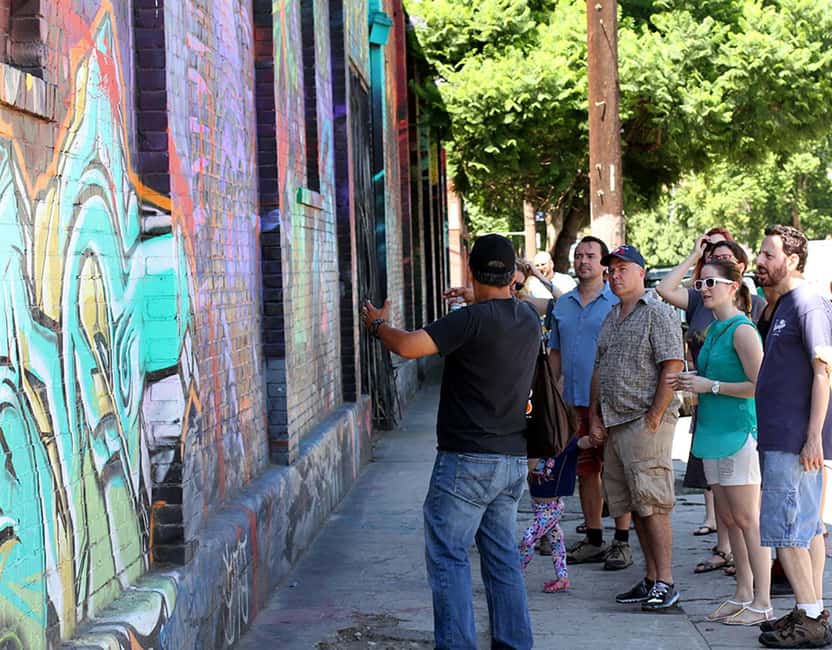
The promise is simple: murals, street art, and graffiti, on foot, with a local street artist guide. The tour includes an intro to urban art history and technique so you can connect what you see to how it’s made and why it shows up where it does.
What makes this tour work is the mix of scale. You’ll go from building-sized murals down to the tiniest marks—art tags, stencil-like details, and even references to yarn bombs mentioned as part of what the tour covers. That range changes how you look at the neighborhood. Instead of treating every wall like a random mural, you start recognizing patterns.
You’ll also see the tour’s emphasis on “hidden” viewing. Some works are easier to spot once someone points out the location logic—angles, tucked corners, and in-between spaces. If you’ve ever walked an art neighborhood and felt like you missed half of it, this is the fix.
The Stops: ArtShare, The Container Yard, and the American Hotel
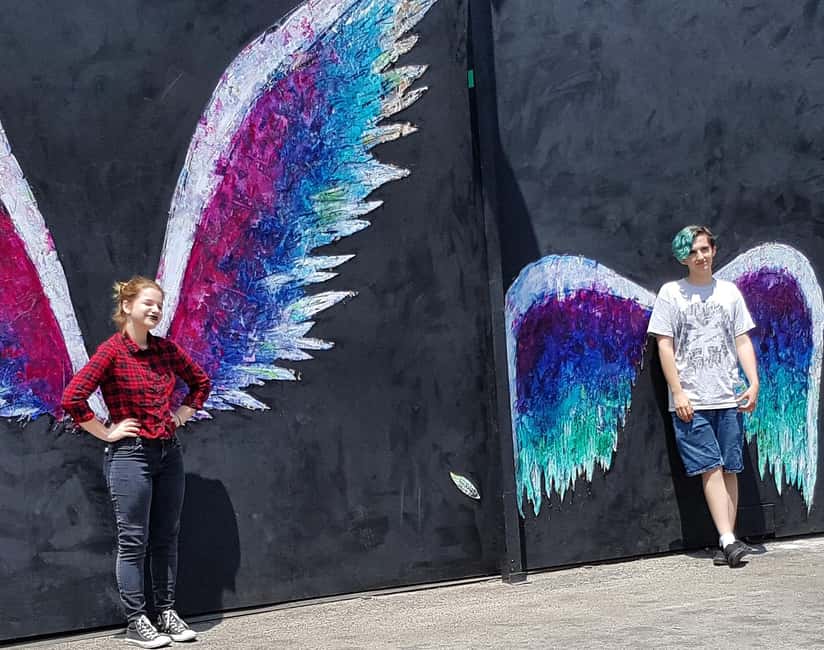
A big part of the experience is that you’re not only chasing art on blank walls. You’re walking through places that helped shape the creative culture of the Arts District.
Here are the kinds of stops you’ll encounter and what they add:
ArtShare
ArtShare is one of the named iconic points on the route. These kinds of art-centered spaces matter because they give context: street art isn’t isolated vandalism in the tour story. It’s part of a broader ecosystem that includes exhibition culture, community programming, and artists working in public and in formal settings.
The Container Yard
The Container Yard is another highlight stop. It’s the kind of place that changes your sense of what “street art” can include, since it’s tied to creative reuse and community production. Even if you’re not there for a single mega-mural, this stop helps you understand the neighborhood’s structure and rhythm.
Arts District Co-op
You’ll also visit Arts District Co-op toward the end of the walk. This stop is useful because it gives you a place to keep exploring on your own after the guide drops you back where you started. If you’re trying to stretch the value of your time, shopping or browsing here can turn the tour into a half-day arts mission.
The American Hotel
The American Hotel is on the list of iconic locations. Hotel exteriors often become “message boards” for street artists because of visibility and foot traffic. Seeing art in that kind of setting helps you connect scale and audience: a mural isn’t just for aesthetics—it’s for people moving through the city.
Joel Bloom’s Spot and the Former Site of Al’s Bar
These two named stops bring a more personal, local-story feel. They help explain how the Arts District keeps layers of creative identity over time, even as physical locations change. This is where the tour’s history and culture angle becomes more than background talk—it starts to feel like place memory.
When the Artist-Guide Is Sergio (and When You Should Manage Expectations)
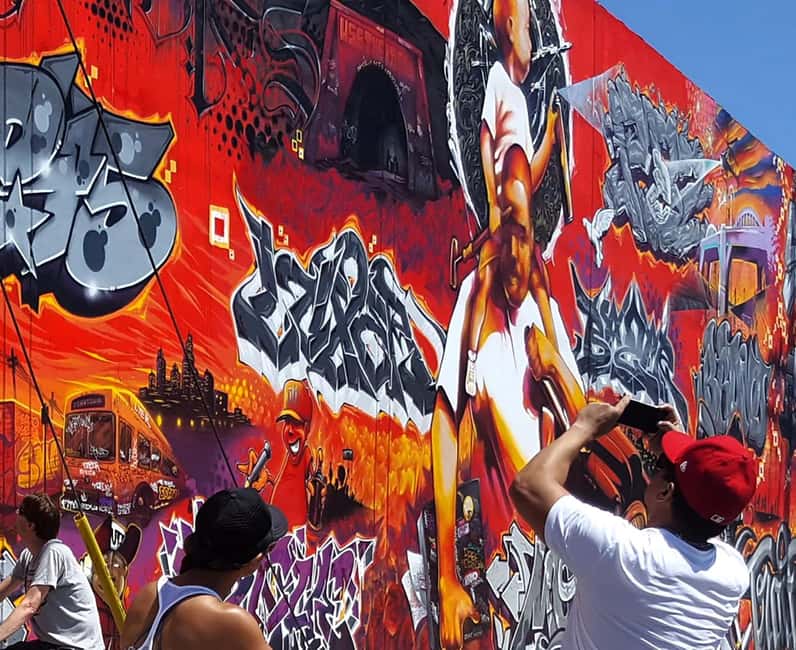
One of the guides named in the tour feedback is Sergio. If you get Sergio, the standout point is the balance: fun energy and solid context about what you’re looking at. That combination matters, because street art can go from “cool” to “I get it” quickly when the guide explains both the visual cues and the community background.
That said, be realistic about live guiding. One run noted a 20-minute late start, plus a guide who spent too much time talking about himself rather than driving the conversation around the art. If you’re the type who hates missing a schedule window, arrive with buffer time and plan your next stop after you’re back at the meeting area.
There’s also another practical consideration: if your mental picture of graffiti is all big, dramatic pieces, you may find that portions focus more on writing styles and lettering. One write-up specifically pointed out that there were only a few instances of the most visually heavy graffiti pieces, with more attention on tags and lettering.
What You’ll Learn About Technique Without Needing Art School
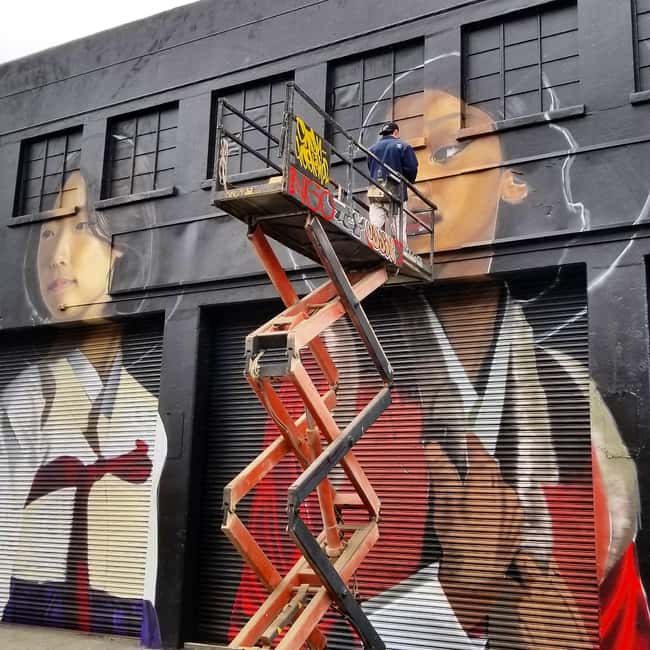
Even though this is a street art walk, it doesn’t feel like a random lecture. The tour is built to explain what you see in everyday terms: how different styles are recognized, how crew culture influences work, and how technique changes the final look.
You’ll likely touch on materials and methods mentioned as part of the tour scope, including stencil-style ideas and spray can aesthetics. You’ll also hear about the difference between tiny tags and large murals, which is important because both are forms of expression, just at different scales.
One useful outcome: you’ll start decoding. Instead of only thinking, “That’s a cool design,” you’ll notice recurring elements and placement choices, and you’ll understand why artists might choose a particular spot for maximum visibility or specific neighborhood context.
Sunday Add-On: Spray Can and Stencil Workshop (If You Want to Make, Not Just Look)
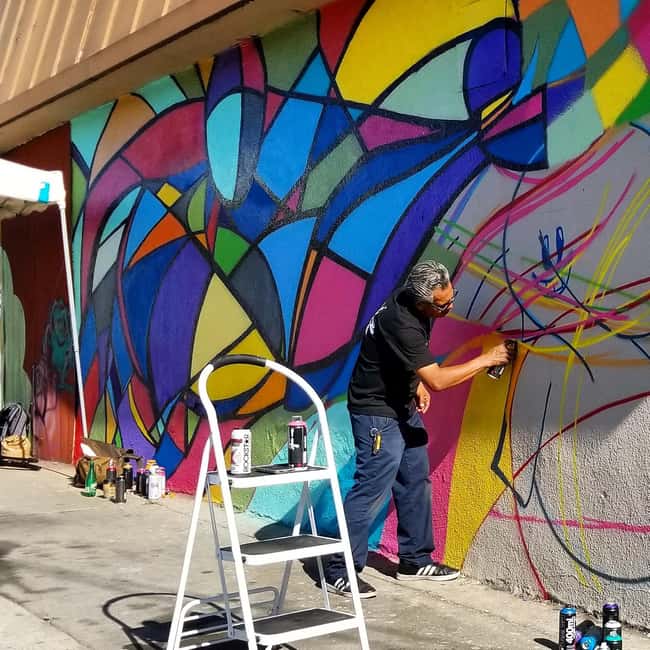
If you’re doing the tour on a Sunday, there’s an add-on that turns watching into hands-on making. The Spray Can and Stencil Painting Workshop is designed for beginners and casual artists, and it includes materials.
You can also bring clothing items—like a t-shirt, sweatshirt, pants, or a hat—to transform into graff fashion. I like this because it makes the experience portable. You get a usable souvenir that isn’t just photos in your camera roll.
This add-on also helps you understand the tour in a deeper way. When you’ve cut a stencil and handled spray paint, you notice design choices differently on every wall later. If you’re traveling with friends or family, it’s a fun way to share the creative side of street culture instead of treating it like a museum visit.
Price and Logistics: A $20 Deal That Depends on Your Style of Touring

Let’s talk value honestly. $20 for 2 hours in Downtown LA is not a “cheap museum ticket” price, but it’s also not inflated for what you get. You’re paying for:
- a walking format with a guided route
- a local street artist guide who connects art to culture
- access to seeing over 100 individual works
- visits to multiple iconic locations like ArtShare and The Container Yard
The value is strongest if you want context. If you’re only in the mood for pure sightseeing and you already know what you’re looking for, you might feel slightly less satisfied. But if you want your photos to come with meaning—then the price starts to feel fair fast.
Logistics to keep smooth:
- Bring comfortable shoes, water, and sunscreen
- Bring a camera if you want to capture the details
- Plan for a few stops where you’ll stand and look for longer than you expect
And because this is a walking tour in a dense part of downtown, timing matters. If your day is packed, give yourself slack around the start and end.
Who This Tour Fits Best
This walking tour is a great fit if you fall into any of these buckets:
- You like street art but want to understand it, not just see it
- You enjoy creative neighborhoods and want local context
- You want a guided way to cover lots of walls quickly
- You’re the type who likes stopping, comparing styles, and taking notes (in your phone)
It may feel less ideal if you expect a nonstop parade of massive, wall-filling graffiti pieces. Parts of the experience lean toward writing styles and smaller marks, which can still be fascinating, but it’s a different hunt.
Should You Book This Graffiti Walking Tour?
Yes—if you want to see 100+ works and learn how LA street art connects to the people who made it. The main advantage is the artist-led reading of the neighborhood, plus the route that hits real creative landmarks like ArtShare and The Container Yard.
Book with a small caution flag only if you have strict timing. One guide run had a noticeable late start, and the pacing can vary depending on the guide’s style. If you give yourself buffer time, you’ll likely enjoy how much you come away understanding.
FAQ
How long is the Los Angeles Arts District street art and graffiti walking tour?
The tour lasts about 2 hours.
How much does the tour cost?
The price is $20 per person.
Where does the tour start?
It starts at the green/benches at the corner of Colyton and Palmetto (the listed address is for mapping).
What should I bring?
Bring comfortable shoes, a camera, sunscreen, and water.
Is the tour wheelchair accessible?
Yes, the tour is wheelchair accessible.
What language is the tour guide?
The live guide provides the tour in English.
What’s included in the ticket price?
You get a walking tour, a local street artist guide, and the chance to see over 100 individual works of art, including visits to spots such as ArtShare and The Container Yard.
What stops are included during the tour?
Iconic stops include ArtShare, The Container Yard, Arts District Co-op, The American Hotel, Joel Bloom’s Spot, and the former site of Al’s Bar.
Is there an option for Sundays?
Yes. On Sundays, you can add a Spray Can and Stencil Painting Workshop, with materials provided.
Is free cancellation available?
Yes. You can cancel up to 24 hours in advance for a full refund.