REVIEW · NAIROBI
Nairobi: Kibera Street Art Tour with Local Artists
Book on GetYourGuide →Run by Sun Valley Art Collective · Bookable on GetYourGuide
Street art in Kibera hits different. This guided walk lets you see Kibera through the eyes of Sun Valley artists and hear how murals carry real stories.
I love that the guides treat art like community work, not a tourist product, and you get a close look at how young artists see education, health, sports, and creativity in their neighborhood.
One consideration: this tour moves through everyday life, so you need respect and patience with photos, and it isn’t suitable for wheelchair users.
In This Review
- Key things that make this Kibera art tour worth your time
- Kibera’s street art, explained by the people who live with it
- Meet at Gateway Supermarket, then walk Kibera for about two hours
- Sun Valley’s artists: young ambassadors with art in their everyday life
- The stop-and-see moments: murals, artist spaces, and the “hidden gem” visit
- Street food snacks: a practical break that keeps the tour human
- Buying art directly: how to support the artists and avoid the awkwardness
- Price of $45: what you get for your money in Kibera
- Who should take this tour, and who might skip it
- Packing list and photo etiquette that make the day smoother
- Should you book this Kibera street art tour with Sun Valley?
- FAQ
- Where do I meet for the Kibera street art tour?
- How long is the tour?
- What does the $45 price include?
- Are street food samples included automatically?
- Can I buy artwork during the tour?
- What languages is the guide available in?
- Is the tour suitable for wheelchair users?
- What should I bring?
- Where does the tour finish?
Key things that make this Kibera art tour worth your time

- Sun Valley Art Collective guides: local artists who grew up in Kibera help you read the murals
- Stories behind the paint: you hear the why, not just the what on the walls
- A real studio stop: you’ll get a chance to visit artists’ space and see their work in context
- Street food snacks on request: you can pause for local bites while you’re walking
- Buy directly from artists: multiple chances to take home art (purchase isn’t included)
- Small-group feel: the guide-to-guest ratio is set for comfort and questions
Kibera’s street art, explained by the people who live with it

Kibera can get flattened into stereotypes fast. This tour pushes back on that in the best way: by putting the artists in the driver’s seat. You’ll walk through an informal settlement where art is tied to daily concerns, and the guides explain what the murals mean to them.
The Sun Valley Art Collective is the heart of the experience. They’re an art group made up of around 15 artists who grew up in Kibera, and they’re focused on giving young people a platform for creativity. That matters because the art isn’t floating in space. It’s attached to education, community organizing, and the reality of making a life there.
You’ll also notice how collaborative some of the work can be. One of the most praised parts of this tour is the way guides connect the artworks to socio-political dimensions without turning the conversation into a lecture. It’s personal. It’s grounded. And it helps you look longer than you would on a quick photo stop.
Meet at Gateway Supermarket, then walk Kibera for about two hours
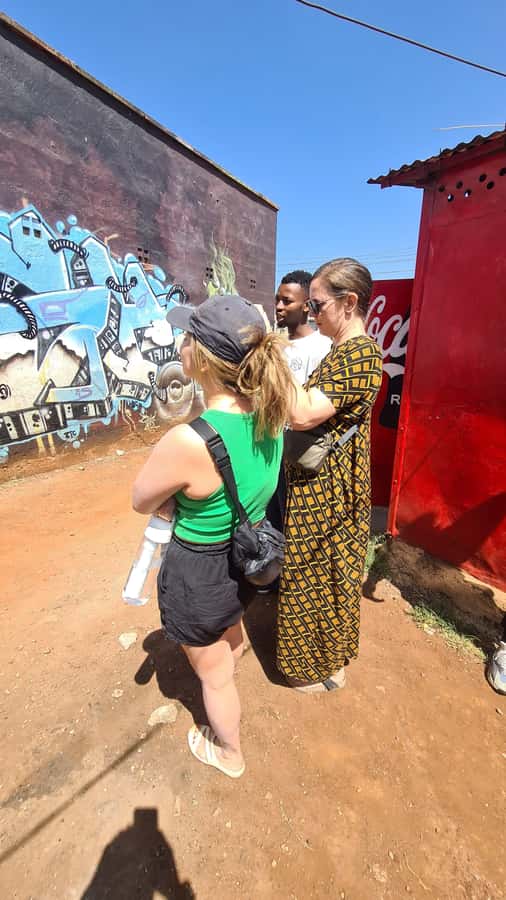
You start outside Gateway Supermarket on Kibera Station Road. The area is described as safe, and because there’s no parking, it makes sense to arrive by Uber or taxi. If you like clear beginnings, this one delivers.
After the intro, you begin a guided walking route through Kibera, built around murals, urban art, and community art spaces. You’ll pass places where people are going about their day, so your guide will tell you when photos are appropriate. This is not a “bulldoze in with your camera” kind of tour, and honestly, that’s part of why it feels respectful and real.
The tour runs about 150 minutes total, with roughly two hours for the main Kibera walk. Expect a walking pace that’s meant for looking up and talking, not speed-walking like it’s a race.
Practical tip: wear closed-toe shoes. You’ll be happier if your feet aren’t negotiating with every curb and uneven patch of pavement.
Sun Valley’s artists: young ambassadors with art in their everyday life

The tour isn’t just about murals. It’s about meeting the people who make them and the people who keep the community moving. Guides on this experience have included young artists such as Saviour and Tony, and also Anton and team. No matter which guide you get, the message stays consistent: these artists see themselves as ambassadors of Kibera.
During the walk, you’ll get chances to talk with local artists and art collectives. You may also visit artists’ houses and studios along the route, and you’ll hear about how they keep art going under tough conditions. This is where the tour goes beyond aesthetic appreciation and becomes something more useful: you understand how creativity becomes a tool.
One theme that comes through strongly is lifelong love of art paired with community responsibility. The group talks about using that passion to support their community, including efforts that relate to education, healthcare, sports groups, and creativity programs. Even if you don’t know anything about Kibera before you arrive, the tour gives you a framework for what you’re seeing.
And yes, you’ll likely hear personal motivation too—why certain images appear where they do, and what inspirations shape the work. That’s the difference between street art and a street performance with a story.
The stop-and-see moments: murals, artist spaces, and the “hidden gem” visit
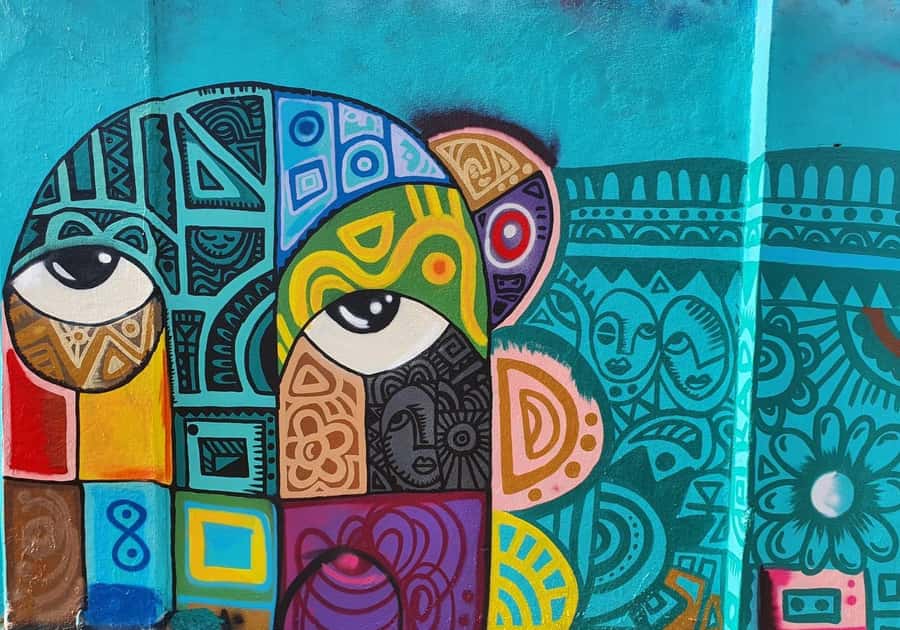
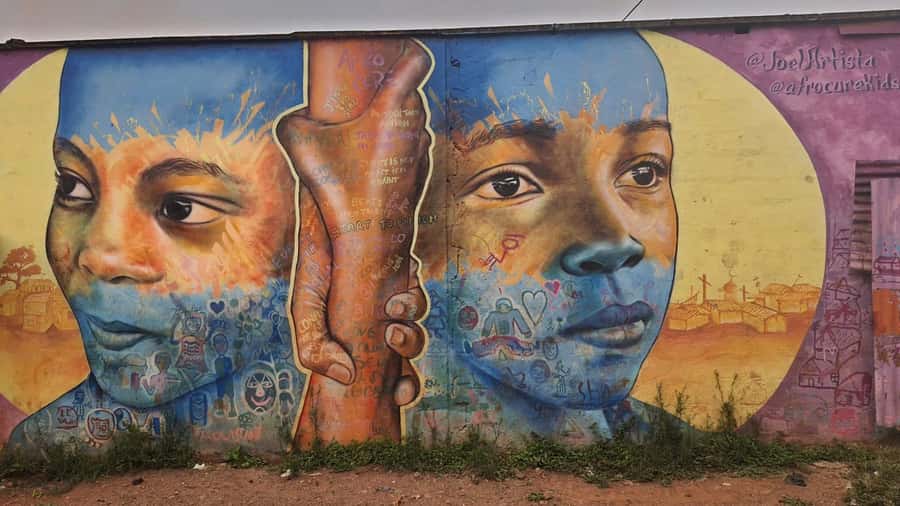
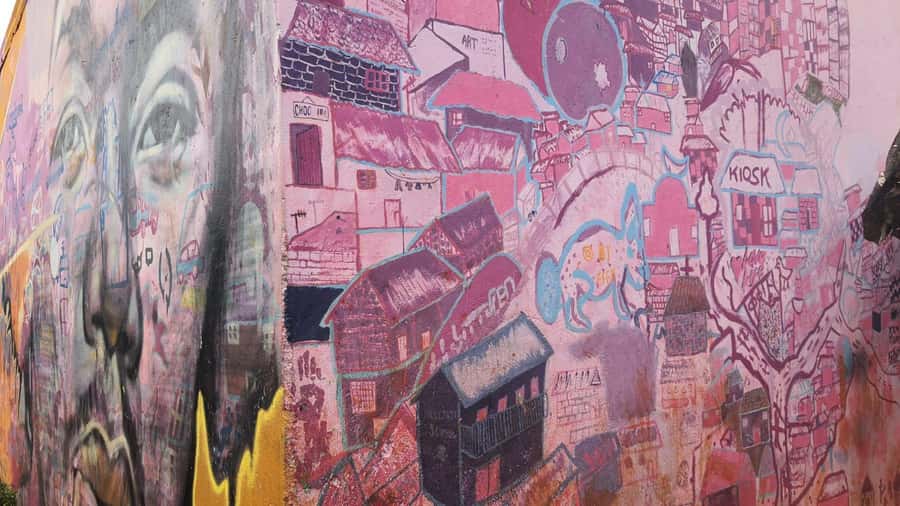
The route is designed as a series of “stop, look, talk, move on” moments. You’ll visit multiple murals and see how different artists use color, lettering, portrait styles, and symbols to express ideas about life in Kibera.
A key detail that adds depth: you’re not only looking at finished murals. You may also be shown art collectives and artists’ working spaces. In one example described by a participant, the tour included introductions beyond the main collective, including a welder who makes animal figures out of recycled metal. That kind of stop matters because it shows creativity isn’t limited to paint.
Then there’s the 30-minute “hidden gem” visit. The name is informal, but the purpose is clear: it’s an added art stop that expands what you’ve already learned on the walk. Depending on timing, this segment may connect you to other artists and exhibit spaces, so you can see how the art extends beyond street walls.
Finally, the tour ends at HOF Gallery Kibera, which is a strong way to close the loop. You leave the street and step into a gallery setting where art is gathered in one place, so you can process what you saw earlier while browsing what’s available.
Street food snacks: a practical break that keeps the tour human
Food is part of the tour style here, not an afterthought. Street food samples are available on request, and you’ll stop at street vendors for snacks during the walk. This makes the experience feel less like a museum tour and more like moving through a real neighborhood with real rhythm.
Because you’re sharing space with people who live there, your guide will keep you aware of what’s respectful in the moment. You’ll see daily life, and your job is to blend in as much as possible.
If you’re trying to decide what to pack, bring snacks and water anyway. You might get food samples, but having your own backup keeps the day comfortable—especially if you’re sensitive to spicy food or just get hangry when you’re walking.
Also, don’t litter. The activity explicitly requests it, and it’s the sort of rule that keeps a tour from turning into a problem.
Buying art directly: how to support the artists and avoid the awkwardness
One of the biggest perks is the chance to purchase local art directly from artists. The tour includes “multiple opportunities” to buy along the way, but artworks are not included in the price. That’s good: you can browse without feeling trapped into a purchase.
If you want to buy, go in with a simple mindset: you’re not just buying a souvenir. You’re paying for something made by people who are putting their time and stories on display. Many participants love this part because it turns the tour into a lasting connection, not a disposable photo album.
In descriptions of the tour experience, art seen for sale has included paintings, objects made from recycled metal, and even blown glass made from recycled glass. You may also see other artwork from connected creatives when you visit galleries or collective spaces.
A practical tip: if you’re unsure what something is, ask. Guides are there to translate not just the meaning but the craft. And if you decide not to buy, you’re still participating in a respectful visit that supports the artists through attention and conversation.
Price of $45: what you get for your money in Kibera

At $45 per person for about 150 minutes, this tour sits in the “pay for access” category. You’re not paying for a bus ride and a guide who points at walls. You’re paying for guided context, time with artists, and entry to community art spaces.
Two value points stand out:
- Guide-to-guest ratio: it’s set as one tour guide for every two guests, which makes questions actually possible.
- Personal storytelling + community stops: you’re hearing about life in Kibera and how the collective supports creative programs, not just doing a sightwalk.
Is it worth it? If you want street art as cultural communication, yes. If you want a quick photo hour with no conversation, you might feel like it’s more effort than you planned. This tour rewards curiosity and a respectful attitude.
Who should take this tour, and who might skip it
This experience fits best if you:
- love street art and want to understand it from inside the community
- enjoy meeting artists in their own working context
- want a small-group feel where you can ask real questions
- are open to eating street snacks and walking through everyday places
It’s not suitable for people with mobility impairments or wheelchair users because it involves walking and navigating uneven, active neighborhood streets.
If your travel style is very specific—like only wanting polished, seated attractions—this might feel too grounded and too human. That’s not a flaw. It’s just the kind of experience it is.
Packing list and photo etiquette that make the day smoother
Bring comfortable shoes, a hat, a camera (if you want photos), and water. Closed-toe shoes are especially important here. If you have a sensitive stomach or food preferences, bring your own snacks too.
For photos, the key is timing and permission. The tour is designed around passing people going about daily lives. Your guide will tell you when it’s appropriate to take photos, so listen and don’t try to shoot around them.
And one more small but real tip: go with a neutral, respectful attitude. You’re walking through someone’s home community. If you treat it like a neighborhood, the tour feels better for everyone.
Should you book this Kibera street art tour with Sun Valley?
Book it if you want more than pictures. This is a guided walk where young artists like Saviour, Tony, and Anton explain murals in a way that connects art to education, health, sports groups, and creativity programs. You’ll walk through Kibera, stop for snacks when available, visit studio or art spaces, and finish near HOF Gallery Kibera—with a chance to take home something made on purpose by local hands.
Skip it if you need wheelchair access or if you’re uncomfortable walking through active daily life and following photo boundaries.
If you do book: wear your comfy shoes, bring water, and go ready to talk. The best part isn’t the wall art alone. It’s the people who created it and the stories you’ll carry after you leave the neighborhood.
FAQ
Where do I meet for the Kibera street art tour?
You meet outside Gateway Supermarket on Kibera Station Road. The location is described as safe, and the tour notes that a map location can be provided.
How long is the tour?
The tour lasts about 150 minutes (roughly 2 to 3 hours).
What does the $45 price include?
The price includes one tour guide for every two guests and the guided walking experience. Street food samples are available on request. Art purchases are not included.
Are street food samples included automatically?
Street food samples are included on request, so you’ll want to ask your guide during the tour.
Can I buy artwork during the tour?
Yes. There are multiple opportunities to purchase local art directly from the artists, but the artworks are not included in the tour price.
What languages is the guide available in?
The live tour guide is available in English and Swahili.
Is the tour suitable for wheelchair users?
No. The tour is not suitable for people with mobility impairments or wheelchair users.
What should I bring?
Bring comfortable shoes, closed-toe shoes, a hat, camera, snacks, and water.
Where does the tour finish?
The tour finishes near Olympic stage and at HOF Gallery Kibera, making it easy to continue by Uber/taxi or matatu.