REVIEW · STRASBOURG
Strasbourg : Private Street Art Tour
Book on GetYourGuide →Run by Guydeez Travel SL · Bookable on GetYourGuide
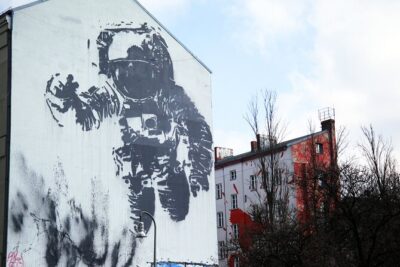
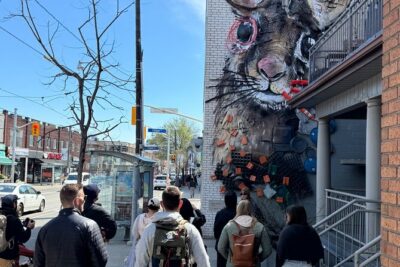
Strasbourg’s street art starts where most people pass through. This private tour takes you from Strasbourg station into Quartier Gare, where you’ll spot colorful graffiti, mosaics, and frescoes tied to local life and visiting artists. I like the private, customizable format, and I really value how clearly the guide can explain what you’re looking at. One thing to consider: it’s a 2-hour walk, so plan for some steady strolling and skip this if you need food included.
You meet at 7 Rue des Frères, then your guide steers the pace and the sights. Along the way, you’ll also get practical local recommendations for bars, restaurants, and clubs in the area, so the tour doesn’t feel like just photos—it helps you actually use the neighborhood.
If you’re shopping for street art in Strasbourg, this hits a smart angle: art plus context. The city and local authorities have embraced graffiti and street art as part of cultural life, so the works you see aren’t random. They’re part of a place.
In This Review
- Key things to know before you go
- Price and what $80 gets you in real life
- Starting at 7 Rue des Frères: a practical meet-up
- Stop 1: Strasbourg Station area—why the tour begins there
- Stop 2: Rue du Faubourg-National—reading style and technique
- Stop 3: Quartier de la Gare—where street art becomes a neighborhood story
- Stop 4: Rue du Maire Kuss—getting the neighborhood context
- Stop 5: Rue d’Austerlitz—style shifts and street-by-street variety
- Stop 6: The walk back to 7 Rue des Frères
- What the guide actually adds to the street art experience
- How to choose the right time (and the right day)
- Who this tour is for (and who should skip it)
- Should you book Strasbourg: Private Street Art Tour?
- FAQ
- How long is the Strasbourg Street Art private tour?
- Where does the tour start?
- How much does it cost?
- Is this tour private?
- What languages are offered for the live guide?
- Is the tour wheelchair accessible?
- What’s included and not included?
- Can I cancel for a refund?
Key things to know before you go
- Quartier Gare as the focus: You’re concentrating on the street-art hub near the station, not doing a scattered “hits and misses” route.
- Private group, so your questions matter: You can ask your guide what each piece is doing, and why it’s here.
- A guided route with your must-sees included: The tour is described as customizable, so you can steer toward what you care about most.
- More than graffiti: Expect mosaics and frescoes too, not just wall tags.
- Local plus international artists: The neighborhood shows both regional themes and outside influences.
- Built-in “what to do next” advice: You get guidance on other things to do, including food and nightlife suggestions.
Price and what $80 gets you in real life
At $80 per person for a 2-hour private street art tour, the value is all about how you travel. If you love getting your bearings fast and you’re picky about what you want to see, paying for a guide usually beats wandering alone—especially in a neighborhood where the art is spread across streets rather than in one museum.
What’s included that makes the price feel more justified:
- A live guide (English, French, Italian, Spanish)
- A private group setup, so you’re not competing with strangers for attention
- A walk that includes public transport when needed (unless you choose an option that changes that)
- Help from the team to book tickets for the visits you want
What’s not included is simple: there’s no food or drinks. That’s not a deal-breaker, but it does change how you plan your day. I’d schedule this as a standalone morning/early afternoon activity and then eat after, or pair it with a longer street-meets-restaurant plan.
Starting at 7 Rue des Frères: a practical meet-up
You start at 7 Rue des Frères and then head toward the station area. I like this approach because it gets you moving right away. You’re not wasting time getting from the center of town to the street art zone—your route is already oriented to the Quartier Gare scene.
Because the tour begins at a clear street address, you can also fit it into your day without guessing. Just make sure you’re there on time, since it’s a short, 2-hour experience.
Stop 1: Strasbourg Station area—why the tour begins there
The first big anchor point is Strasbourg Station. Starting at the station makes sense for two reasons.
First, it’s the neighborhood gateway. Many people come through here, but street art fans often want to know which side streets actually deliver the goods. Second, it sets the tone: the street art you’re seeing isn’t sheltered behind ticket gates. It’s part of real daily movement—people walking to trains, heading to shops, grabbing coffee, and noticing walls at the edge of their route.
This is where a guide matters. Without someone pointing out the artists’ choices and the meaning of styles, street art can blur together. With a guide, you get the “why” behind what looks good.
Stop 2: Rue du Faubourg-National—reading style and technique
Next you’ll walk to Rue du Faubourg-National. This stretch is your chance to notice how street art changes street to street—different walls invite different scale, and different materials and techniques show up depending on the surface and the neighborhood’s building style.
Even though you’re still moving through an urban grid, the guide’s job here is to help you see patterns: what looks like pure graffiti versus work with more deliberate composition, and how some artists use regional references. The tour description also points out that many artists represent the region, which is exactly the kind of detail you’ll miss if you’re only hunting for pretty photos.
Stop 3: Quartier de la Gare—where street art becomes a neighborhood story
Then comes Quartier de la Gare, the core of the experience. This is the “street art hub” part, and it’s where the art becomes more than individual pieces—it starts to feel like a local language.
Here’s what you should expect to pick up as you walk:
- Colorful graffiti, where energy is part of the design
- Intricate mosaics, where time and craft show up in the materials
- Striking frescoes, where murals can change the mood of a whole block
The tour notes also connect this art to both local and international artists. That matters because it changes what you’re seeing. Local work can mirror the area’s identity; outside work can show up as a fresh perspective. Together, they make the neighborhood feel like a dialogue rather than a single style show.
Stop 4: Rue du Maire Kuss—getting the neighborhood context
At Rue du Maire Kuss, your guide’s familiarity with the area becomes more useful than ever. This is where I’d focus on how street art connects to everyday street life.
The tour includes the idea of local recommendations once you’re in the zone. So while you’re looking at artwork, you’re also learning where people actually go nearby—bars, restaurants, and clubs you might not find just by searching maps.
This is one reason I think this tour is better than a “stand in front of murals” loop. You’re building a mini mental map of Quartier Gare, so when you’re done, you can keep exploring without second-guessing.
Stop 5: Rue d’Austerlitz—style shifts and street-by-street variety
Next is Rue d’Austerlitz. By now, you’ve seen enough variety that you can start noticing the differences rather than just collecting impressions.
This stop is where I’d pay attention to:
- scale: pieces that feel small and quick versus larger works that demand attention
- placement: art tucked into corners versus art that claims a whole wall
- technique: you’re looking for how mosaics and frescoes compare to graffiti in visual impact
The tour description emphasizes that Strasbourg has embraced graffiti and street art for its cultural value and creative freedom. That helps explain why the work here feels integrated with public space, not like something temporary and accidental.
Stop 6: The walk back to 7 Rue des Frères
The tour returns you to 7 Rue des Frères. Since it’s a tight 2 hours, this “back to the start” structure is practical. It avoids the awkward ending where you’re dropped in a random spot far from where you began.
It also makes it easier to plan your next move. Once you’re done, you’re already positioned to continue on your own—either heading back toward your hotel or extending the day in the neighborhood the guide helped you discover.
What the guide actually adds to the street art experience
One theme you should expect from the experience is explanation that makes the art legible. The praise for the guide centers on how much knowledge they bring, and that’s what changes a street art walk from casual sightseeing into something you’ll remember.
A great guide helps you:
- understand different styles without needing an art degree
- connect artworks to the region when local artists represent it
- notice the difference between local and international influences in the same area
- get sensible local tips for what to do next (especially food and nightlife)
If you’re traveling alone or you don’t speak French, this added context can be even more valuable. You’re not just seeing street art—you’re learning how to “read” it in Strasbourg.
How to choose the right time (and the right day)
The tour runs for 2 hours, and starting times depend on availability. That means you should treat it like a timed appointment, not a flexible stroll.
A good rule:
- If you’re doing museums later, pick a time earlier in the day.
- If you want to pair it with meals and drinks, choose a time that leaves room right after the tour.
Also, wear comfortable shoes. You’re walking multiple streets, and the experience is designed around moving from one art area to the next.
Who this tour is for (and who should skip it)
This is a strong match if:
- you want a private street art tour rather than a generic group walk
- you care about local context, not just pictures
- you want a guide who can explain techniques and styles
- you’re interested in Strasbourg’s Quartier Gare specifically
It might not be the best fit if:
- you want a long, slow “gallery day” (2 hours is short)
- you need the tour to include food or drinks
- you’re only interested in one single mural or one specific artist (this tour covers a focused neighborhood rather than one landmark)
Should you book Strasbourg: Private Street Art Tour?
Yes, if your goal is to see Quartier Gare street art with a guide and leave with a clearer sense of Strasbourg’s street art culture. The price works best when you value private attention and context more than you value spending less.
I’d book this when you:
- want to cover multiple stops efficiently in 2 hours
- plan to explore afterward and would benefit from neighborhood recommendations
- want a multilingual, private guide experience (English, French, Italian, or Spanish)
FAQ
How long is the Strasbourg Street Art private tour?
It lasts 2 hours.
Where does the tour start?
The meeting point is 7 Rue des Frères.
How much does it cost?
The price is $80 per person.
Is this tour private?
Yes. It’s a private group, and there won’t be anyone else in your group.
What languages are offered for the live guide?
The guide is available in English, French, Italian, and Spanish.
Is the tour wheelchair accessible?
Yes, the tour is described as wheelchair accessible.
What’s included and not included?
Included: a private walking tour, public transport as needed (unless an option changes this), customization, and help from the team to book tickets for desired visits. Not included: drinks or food.
Can I cancel for a refund?
Yes. Free cancellation is offered up to 24 hours in advance for a full refund.