
REVIEW · VALPARAISO
Valparaiso: Street Art, Funiculars and Port City Tour
Book on GetYourGuide →Run by Still Travelling · Bookable on GetYourGuide
Valparaíso feels like a living gallery, and this tour is the fast, friendly way in. I love the funicular rides that lift you into the hills, and I love how you walk past street art with real context from your guide (often names like Alex, Benjamin, Maria, or Grex show up running the route). One consideration: it’s not built for people who have mobility limits, are pregnant, or deal with altitude issues, since there’s walking and hill travel.
I also like the way the tour starts with orientation, so the city stops feeling chaotic. You begin at Muelle Prat by the two cannons and Tourist Information, then you get old-photo comparisons that make the changes in Valparaíso click. The pace is described as calm and safe, and guides are praised for going at a good speed and answering questions without rushing.
In This Review
- Key Highlights You Should Know Before You Go
- Starting at Muelle Prat: where Valparaíso makes sense fast
- Plaza Sotomayor and the port core: monuments, navy, and a sense of place
- El Peral funicular: the easy way to reach Cerro Concepción and Cerro Alegre
- Pasajes and street art: Gálvez, Bavestrello, and the Latinoamérica stairs
- Paseo Yugoslavo and the Italian corridor feeling
- Paseo Atkinson: British touches, German school grounds, and sea-view terraces
- Piano Staircase, churches, and the feeling of community in the hills
- Finishing near Ascensor Reina Victoria: the last views and one more mural stop
- Price and value: is $41 for 2 hours a good deal?
- Who this tour fits best (and who should skip it)
- Should you book this Valparaíso street art and port tour?
- FAQ
- Where does the tour start?
- How long is the tour?
- What’s included in the price?
- What language options do you get with the guide?
- What places will the tour cover?
- Is it suitable for everyone?
Key Highlights You Should Know Before You Go
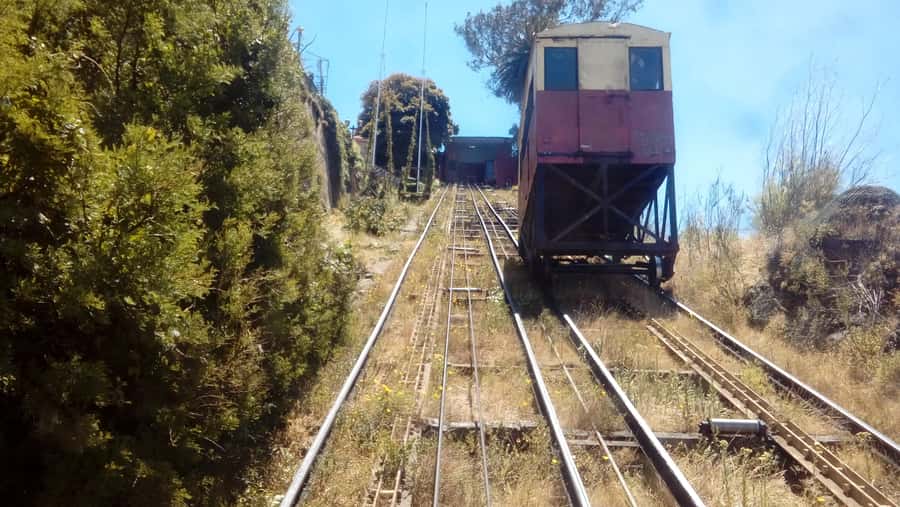
- El Peral and other ascensores: short funicular time, big panoramic payoff
- Street art with stories, not just photos: you hear what murals mean and where they came from
- Cerro Alegre and Cerro Concepción viewpoints: promenades, houses, and bay views in the same loop
- Old photographs for context: compare the city then-and-now as you walk
- Alfajores included: a quick local sweet stop that supports small businesses
- Port-side and square stops: Plaza Sotomayor, naval and fire-station buildings, plus bay views
Starting at Muelle Prat: where Valparaíso makes sense fast

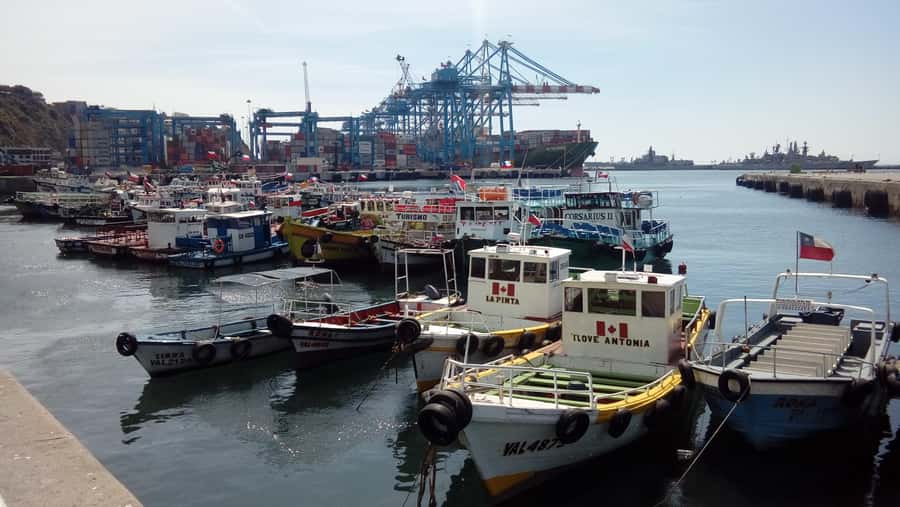
Most of Valparaíso’s “wow” happens up on the hills, but you need the port-side context first. Your guide meets you around the two cannons at Muelle Prat, near the Tourist Information area. It’s a smart start because it anchors you to the city’s geography: port, promenades, and then the uphill neighborhoods where the art lives.
From there, you walk toward a square area where you can compare old pictures of Valparaíso to what you see now. That simple then-and-now comparison is one of the best ways to understand why the city looks the way it does today. You’re not just collecting murals. You’re seeing how the city’s identity shifted over time, piece by piece.
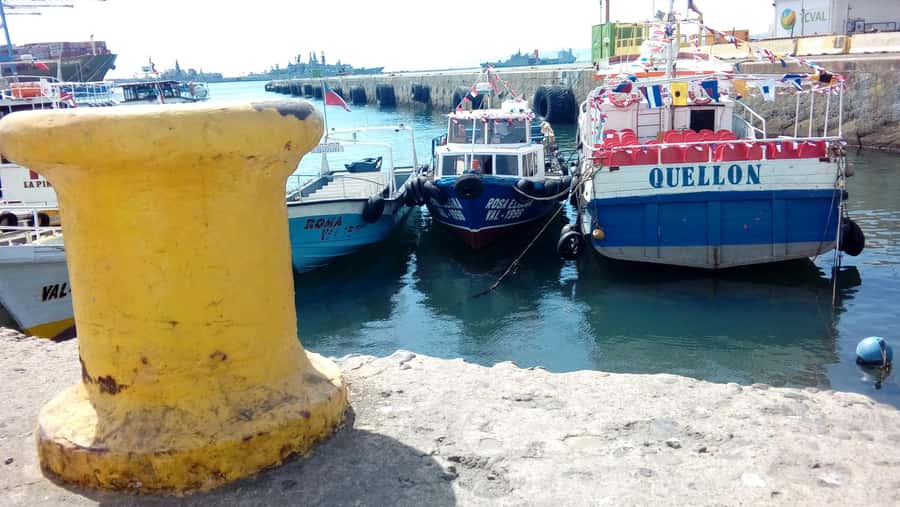
Then you head to the port for a short guided look (around ten minutes) that sets up the later bay viewpoints. Expect you’ll spend a lot of the tour looking out—across the water, toward the hills, and back down at the harbor area you started from.
Plaza Sotomayor and the port core: monuments, navy, and a sense of place
Before the funiculars, you shift into Valparaíso’s central, official areas. Plaza Sotomayor is where you get that “this is a working port city” feeling. The tour includes a guided stop that’s long enough to notice key landmarks without turning it into a lecture.
You’ll see the monument in the square, plus the Valparaíso Fire Department building and the Chilean Navy Headquarters. These aren’t random photo stops. They help you connect Valparaíso’s art-and-bohemian reputation to the city’s maritime roots and public history.
Here’s the practical part: once you’ve stood in this area, the uphill neighborhoods start to feel less like a confusing maze and more like connected communities with their own character. And since the tour includes both port views and hill views, you get a more complete picture of how the city functions.
El Peral funicular: the easy way to reach Cerro Concepción and Cerro Alegre
At some point in most Valparaíso days, you’ll ask yourself: how do people move around these steep hills every day? This tour answers that question with El Peral, one of the main ascensores (funiculars) used to climb.
The ride is built in the early twentieth century, and your guide uses it as a storytelling tool—explaining the hills of Cerro Concepción and Cerro Alegre and why these areas became such strong identity centers. It’s not just transport. It’s part of the city’s personality.
When you get to the top, you’re in the narrow-street zone where Valparaíso’s character shows itself quickly: colonial-era buildings, public art interventions, small galleries and cafés, and streets that feel like they’re designed for wandering. Your guide keeps you moving at a steady pace, with enough stops to take photos and enough explanation to make the murals mean something.
Pasajes and street art: Gálvez, Bavestrello, and the Latinoamérica stairs
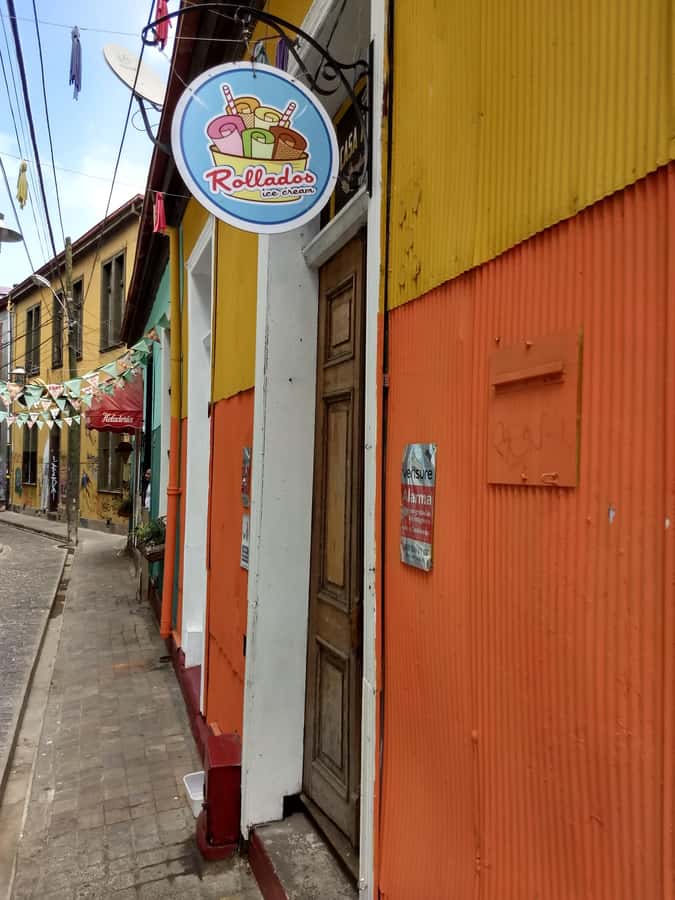
Street art is the headline here, but the tour treats it like an ecosystem. You’ll pass through ancient-feeling narrow streets and public spaces where murals, textures, and community messages blend together.
One of the longer art-focused stops is Pasaje Gálvez, with guided time around thirty minutes. This is where you’ll see a lot of the work up close and hear what the pieces are saying. The goal isn’t to memorize every title. It’s to learn how artists use wall space to talk about identity, society, and everyday life.
You’ll also visit Pasaje Bavestrello, which highlights the Italian heritage in the area and how people shared community life. That matters because Valparaíso isn’t one cultural story—it’s many stories piled into one steep city.
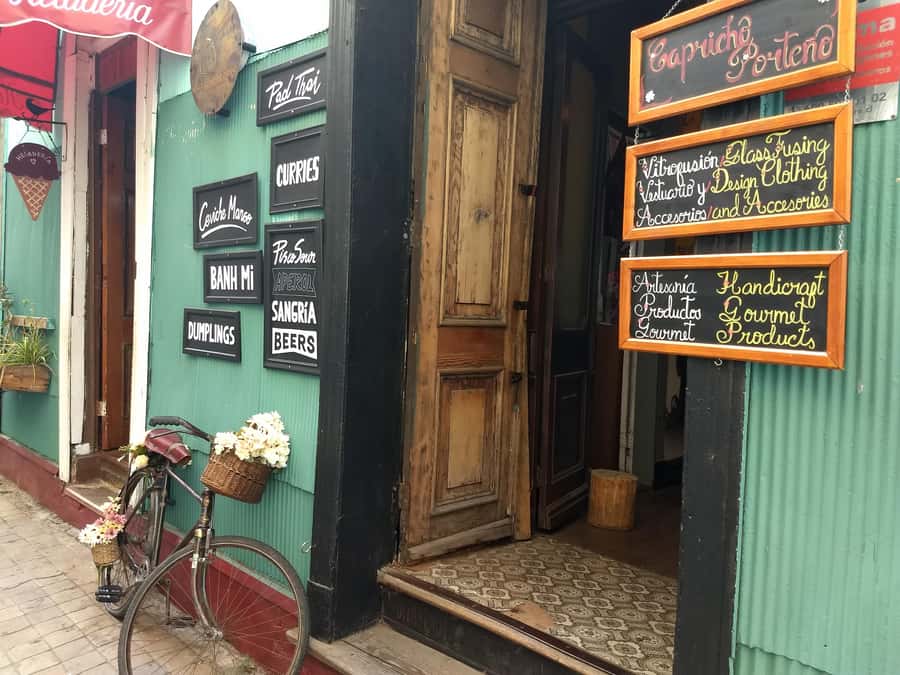
A fun, recognizable landmark on the route is the staircase from the Calle 13 song Latinoamérica. Even if you’re not a song fan, it’s a colorful waypoint and an easy place to pause. You also get time for browsing along the way, with stops that support artists and local commerce—handmade crafts, art, jewelry, and souvenir-style items.
And yes, there’s an alfajor break built into the rhythm. These are Chilean cookies (soft, sweet, and typically filled), and having it included is a good value move because it reduces your need to hunt for a snack mid-walk.
Paseo Yugoslavo and the Italian corridor feeling

Paseo Yugoslavo is a short but worthwhile guided stop. It acts like a bridge between the port/official core and the deeper hill neighborhoods. You’ll get time to notice how the city’s promenades connect different pockets of culture, including communities with their own heritage influences.
Even with just fifteen minutes here, the walk helps you understand the “neighborhood loop” logic of Valparaíso. You’re not only seeing art—you’re seeing how people organized daily life on steep terrain, with routes, stairways, and pass-through corridors that make the city navigable.
Paseo Atkinson: British touches, German school grounds, and sea-view terraces
After the Italian and art corridors, you shift into Paseo Atkinson, with guided time around ten minutes. This is where Valparaíso’s older European flavor shows up in its architecture and gardens.
Your route includes a pass by the Deutsche Schule of Valparaíso (German College). That’s one of those details that can get overlooked if you’re self-guiding, but with a guide you can place it in the story of how different communities helped shape the hills.
You’ll also pass by places like the Brighton Restaurant, where the terrace viewpoint is part of the appeal. The tour even includes a prompt toward trying Chilean seafood there if you’d like, though food beyond the included alfajor is on your own.
The key takeaway: these heritage pockets are part of why Valparaíso’s art works so well. Murals don’t sit in a vacuum. They’re painted on buildings and walls shaped by waves of migration and local pride.
Piano Staircase, churches, and the feeling of community in the hills
Now you get a little mix-and-match: fun public art, heritage structures, and religious sites that helped define early community life.
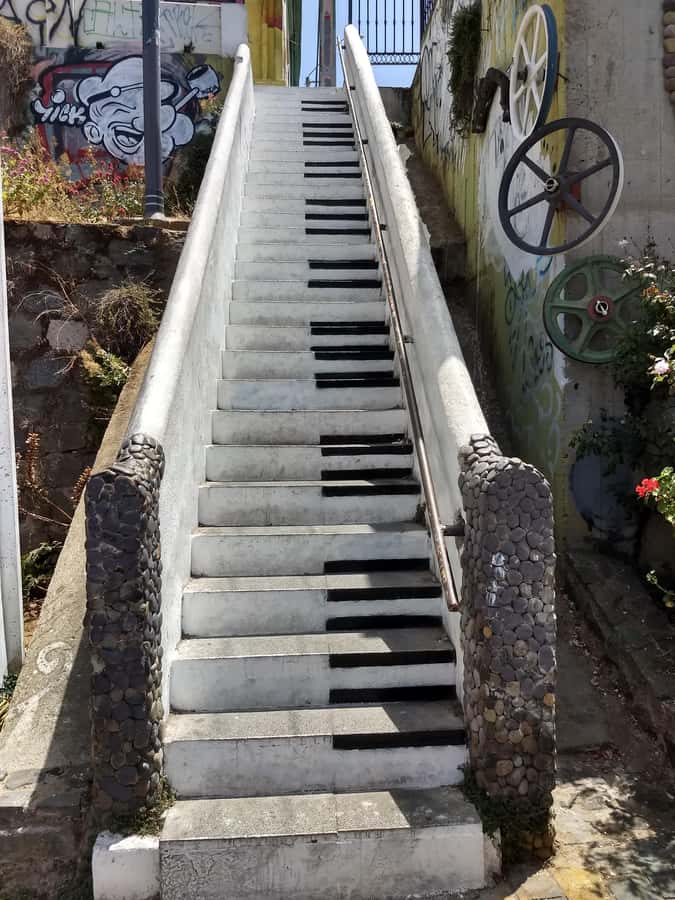
You’ll encounter the Piano Staircase, another famous colorful feature. It’s the kind of stop that makes you pause for photos, but the better value is what it adds to the walking flow: it breaks up the steepness and keeps the route lively.
The tour also includes a stop at the Lutheran Church of the Holy Cross (1897) and the Anglican Saint Paul Cathedral. These aren’t just “pretty buildings.” They represent how these hill communities tried to hold together a shared life as the city expanded.
As you walk Paseo Dimalow in Cerro Alegre, you’ll get more hill-and-street viewpoints. This is a good moment for slower looking, since the angle gives you a sense of how the hills step down toward the water.
Finishing near Ascensor Reina Victoria: the last views and one more mural stop
The ending stretch is where you should pay attention to orientation. The tour finishes at Ascensor Reina Victoria, which is convenient because it helps you connect this hill loop back to the wider city movement.
One mural stop called out on the route is We are not hippies, we are happies. It’s exactly the kind of statement that shows how street art in Valparaíso can be playful and political at the same time.
At the end, your guide explains how to get back and offers lunch or dinner suggestions. That last piece is underrated value. Valparaíso has plenty of places to eat, but after two hours of hills and passages, you’ll want a plan that matches your energy level.
Price and value: is $41 for 2 hours a good deal?
For around $41 per person and two hours, this tour is priced for one thing: efficiency. You’re getting a guided walk through multiple neighborhoods, plus funicular (ascensor) tickets that would cost you separately if you were piecing together your own plan.
You’re also getting something harder to price: guidance that helps you interpret what you’re seeing. The reviews repeatedly highlight how guides connect with local artists and community members and explain meaning, not just location. Even if you only remember a handful of mural stories, that interpretive layer turns a quick look at walls into a better understanding of why Valparaíso became what it is.
Food value is modest but real: you get alfajores included, and that’s often the exact snack you’ll crave during a walking tour. Still, additional meals and drinks aren’t included, so plan for lunch or dinner separately.
Who this tour fits best (and who should skip it)
This is a great fit if you want:
- Street art and murals with context, not just a photo route
- Funicular rides that turn steep walking into short, scenic climbs
- A short afternoon plan that still covers major hill areas like Cerro Alegre and Cerro Concepción
- A guide who can help you navigate safely on foot through narrow streets and passages
It’s not a great fit if you:
- Have mobility impairments, are pregnant, or deal with altitude sickness
- Want something mostly flat and wheelchair-friendly (this is a hill-and-stairs style city tour)
Should you book this Valparaíso street art and port tour?
Yes, if you’re in Valparaíso for a limited amount of time and you want the city to click quickly. Book it when you want two things at once: port orientation plus hill street art with funicular transport and local interpretation.
Hold off if you already know you’ll skip ascensores and you only want a slow “wander without structure” day. This tour is best when you appreciate a planned route that still leaves room for questions, photo stops, and a proper alfajor break.
If you do book, wear comfortable shoes for the walking segments. And come hungry for stories. Valparaíso’s best art isn’t only on the walls. It’s in the explanations you get while you’re standing right there.
FAQ
Where does the tour start?
The guide meets you around the two cannons at Muelle Prat (Prat Pier), near the Tourist Information Office area.
How long is the tour?
The tour lasts about 2 hours.
What’s included in the price?
It includes funicular (ascensor) entry tickets and alfajores.
What language options do you get with the guide?
The live guide is available in English, Chinese, French, and Portuguese.
What places will the tour cover?
You’ll stop in areas including Port of Valparaíso, Plaza Sotomayor, Ascensor El Peral, Paseo Yugoslavo, Pasaje Bavestrello, Pasaje Gálvez, Paseo Atkinson, Piano Staircase, Lutheran Church of the Holy Cross (1897), Anglican Saint Paul Cathedral, and you’ll finish near Ascensor Reina Victoria.
Is it suitable for everyone?
It’s listed as not suitable for people who are pregnant, have mobility impairments, or have altitude sickness.