REVIEW · BUCHAREST
Bucharest : Street Art Walking Tour With A Guide
Book on GetYourGuide →Run by Guydeez Tours · Bookable on GetYourGuide
Bucharest street art reads like a timeline. In just 2 hours, you get a guided route through galleries, murals, and hangout spots that show how the city thinks right now, not just what’s on postcards. It’s a simple walking plan with built-in context from your guide, so you’re not just taking photos—you’re understanding what you’re looking at.
I especially like two things: first, the way the stops connect—Lente Dionisie Lupu (murals dating back to 2016) leads you into the broader street-art story, and then the route keeps going into places like the Graffiti Walls Gallery and other creative venues. Second, the tour doesn’t treat street art like a separate hobby; it ties it to everyday culture, including alternative literature and design at Cărturești Verona and the mural-friendly coffee vibe at Beans & Dots Specialty Coffee.
One thing to consider: if you’re expecting a pure wall-to-wall graffiti photo safari, this tour may feel broader. You’ll spend time at venues that also mix design, books, and coffee, and that mix is exactly the point—just know it upfront.
In This Review
- Key things I’d put on your radar
- Starting at Calea Dorobanți 5-7: the easiest place to begin
- Fabrica Club and quick photo stops that actually make sense
- King Michael I Park: turning murals into a city-walk rhythm
- Timpuri Noi: a chance to see beyond the postcard route
- Beans & Dots Specialty Coffee: murals that come with your caffeine
- Cărturești Verona: alternative literature and design on the same path
- Lente Dionisie Lupu: the 2016-to-now mural timeline
- Graffiti Walls Gallery: street art as a current social conversation
- How the private format changes your actual experience
- Price and value: what $29 buys you in Bucharest
- Practical tips so the 2 hours feel effortless
- Who this street art walking tour is best for
- Should you book this Bucharest street art tour?
- FAQ
- How long is the Bucharest street art walking tour?
- What does the $29 per person price include?
- Is the tour private?
- What stops will I see during the tour?
- Are food and drinks included?
- What languages are available for the guide, and is it wheelchair accessible?
Key things I’d put on your radar
- Start point at Calea Dorobanți 5-7 makes it easy to get oriented and roll into other sights nearby
- Private and customizable means you can steer the pace and the questions
- Murals with a 2016 timeline at Lente Dionisie Lupu help you see change over time
- Graffiti Walls Gallery frames street art as a current social conversation, not random decoration
- Beans & Dots Specialty Coffee pairs local talent murals with specialty coffee culture
- Cărturești Verona brings alternative literature and design into the street-art picture
Starting at Calea Dorobanți 5-7: the easiest place to begin
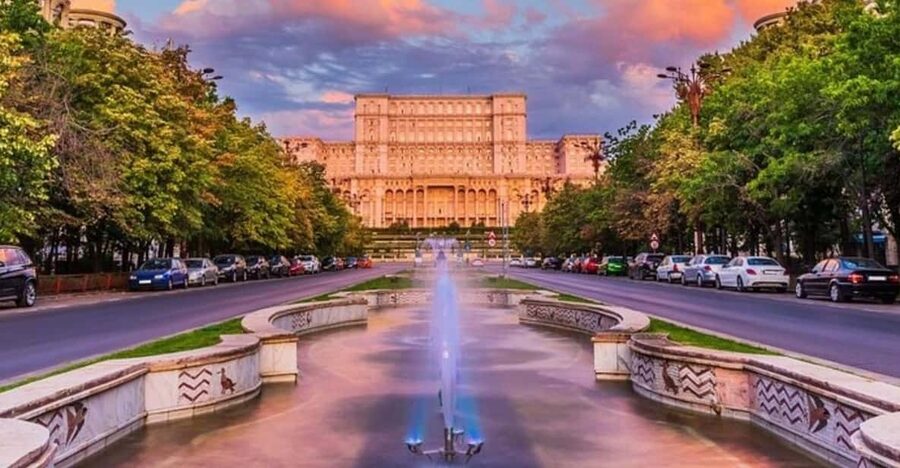
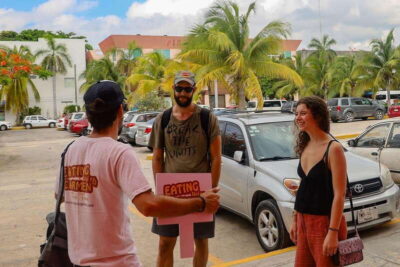
Your tour’s meeting point is Calea Dorobanți 5-7, a central spot with plenty of cafes and shops around, so arriving doesn’t feel like a scavenger hunt. Starting in a busy, connected area also helps if you want to tack on extra time before or after—Bucharest is laid out in a way where you can usually keep exploring on foot once you get your bearings.
The practical win here is that you’re not relying on a complicated transit puzzle right at the beginning. Your guide meets you there and then keeps the route moving. If you’re sensitive to delays, this matters: a smooth start sets the tone for a short, 2-hour experience.
And yes, the tour has an English-speaking guide (with English, French, and Spanish available depending on what you book). That language flexibility is useful in Bucharest, where you’ll often be switching between sign types and local ways of explaining places.
You can also read our reviews of more tours and experiences in Bucharest.
Fabrica Club and quick photo stops that actually make sense
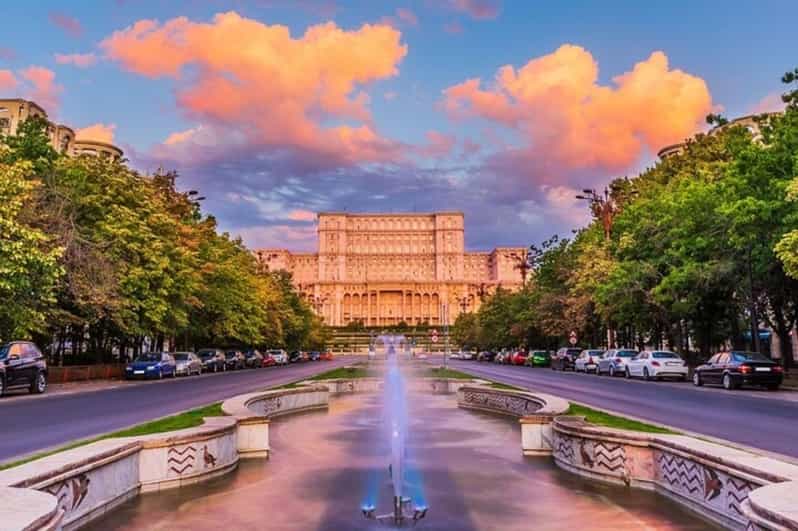
Early on, you hit Fabrica Club for about 20 minutes of photo stop time plus a guided visit and sightseeing. What I like about this kind of stop on a street-art walk is that it gives you a baseline. You see how the area frames creativity, and then the guide can point out patterns you’ll keep noticing later—style choices, wall placement, and how street art interacts with the surrounding scene.
Because it’s a guided route, you don’t just wander and hope you’re catching the “right” angles. Your guide’s job is to help you read the visuals. That’s especially important in street art, where the same-looking wall can mean completely different things depending on timing and context.
If you like photography, these first stops are helpful because they give you a chance to set your camera settings and focus your attention before the murals and galleries go deeper.
King Michael I Park: turning murals into a city-walk rhythm
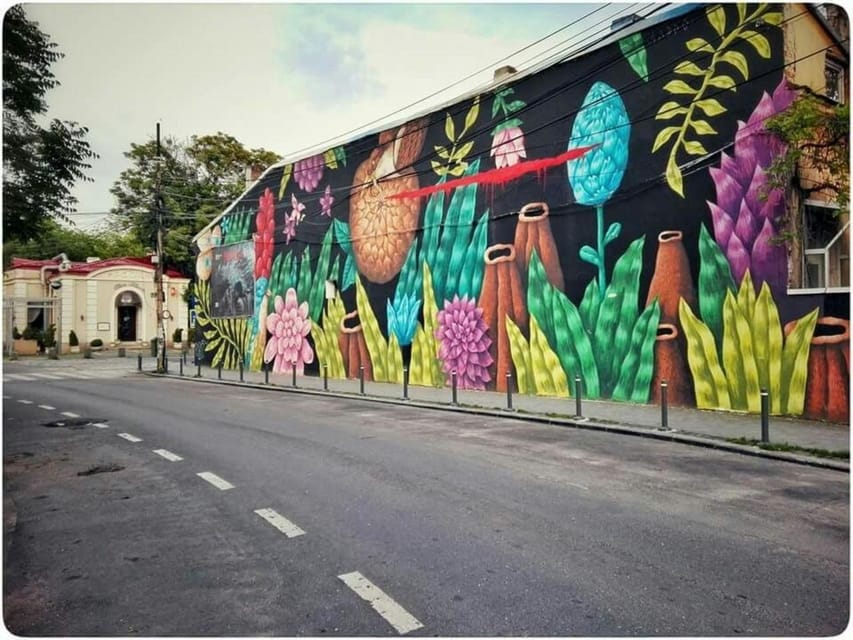
Next up is King Michael I Park, also about 20 minutes with photo stop time, a guided visit, and sightseeing. Parks can sound like a random detour on a street-art tour, but it usually works in a smart way: it resets your pace, gives you open-air viewing, and helps you connect the creative spots with the actual urban texture around them.
Here’s what you should expect: your guide keeps you moving, but you’re not stuck between walls the whole time. You get moments to look, breathe, and reposition—so your eyes don’t get numb from visual overload.
Also, parks tend to change how murals “read.” In enclosed streets, you see art as a statement on a surface. In open spaces, it can feel more like part of a larger public story—what a city chooses to highlight and where people tend to gather.
Timpuri Noi: a chance to see beyond the postcard route
Then comes Timpuri Noi for another ~20 minutes of photo stop and guided sightseeing. I like stops like this because the point of a street art tour isn’t only to hit the obvious tourist beats. You want areas and venues where local life happens—because that’s where street art makes the most sense.
This part of the walk is also a good reality check if you’re new to Bucharest. You learn fast that the city is made of neighborhoods with different vibes, and street art is one of the easiest ways to spot that difference without needing a museum schedule.
One small practical tip: if you care about photos, keep an eye out for direction of light. Outdoor stops can shift quickly, and you’ll get better results if you’re ready to shoot on the go rather than after you’ve already walked past.
Beans & Dots Specialty Coffee: murals that come with your caffeine
A highlight stop is Beans & Dots Specialty Coffee. You’ll get photo stop time and a guided visit, plus the chance to see how street art shows up in a place you might actually return to.
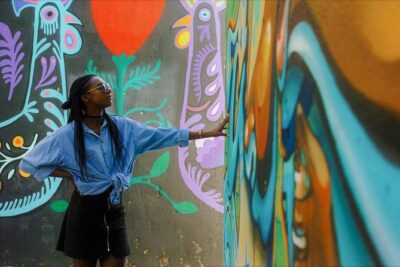
What makes this stop special is the pairing: you’re not only looking at murals, you’re experiencing how they live next to a specialty coffee culture. The murals here are described as being created by homegrown talents supported by the cafe’s ethos. That’s a key idea for you as a visitor: street art isn’t only about walls; it’s also about sponsorship, community support, and giving artists a platform where people linger.
Also, the tour note says drink or food isn’t included. So plan for the possibility of buying a coffee if you want a rest. The upside is that this stop can become your decompression moment mid-walk, especially if you’re doing this on a day when you want to keep the rest of your sightseeing light.
Cărturești Verona: alternative literature and design on the same path
Next is Cărturești Verona, again with a photo stop, guided visit, and sightseeing time. This is where the tour gets more interesting if you don’t just like street art—you like the broader creative scene around it.
The vibe here is alternative literature and design, with an emphasis on local artistry and intellectual exploration. In practical terms, what this gives you is perspective: street art often shares themes with books and design—identity, critique, storytelling, and style as communication.
You may not always see a direct “mural-to-book” connection, but your guide can help connect the dots. That’s the value of a guided walk that includes places like this. Without context, you might treat each stop like a separate attraction. With context, it becomes one coherent picture of Bucharest’s creativity.
Lente Dionisie Lupu: the 2016-to-now mural timeline
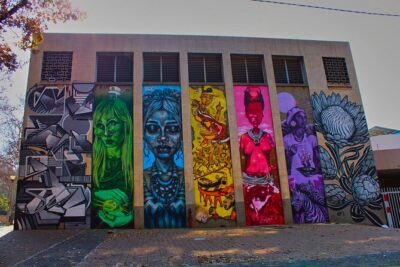
Then you reach Lente Dionisie Lupu, an urban gallery with transformative murals dating back to 2016. For me, this is one of the best stops because it gives you time depth. Street art can feel like it appeared overnight—this helps you see it as part of a longer evolving narrative.
Here’s what to expect during your time there: guided viewing, photo opportunities, and a focus on how the artwork changes what the space communicates. You’re not only seeing walls; you’re seeing a city’s shift in themes and attitudes over time.
This is also a good stop if you like photography but struggle with “what am I actually looking at?” Your guide can explain the Romanian context so the murals start to feel legible, not mysterious.
Graffiti Walls Gallery: street art as a current social conversation
The tour experience also includes the Graffiti Walls Gallery, described as a dynamic space that mirrors Bucharest’s current sociocultural discourse and artistic energy. This is the stop where street art feels most like public commentary.
I like galleries like this because they move street art from the street’s casual “wow” into something closer to a conversation. The idea isn’t that every piece has to be political. It’s that street art here is treated as part of what people discuss—so you’ll probably notice symbols, styles, and messaging that connect to what’s going on around the city.
One word of advice: if you’re the type who gets frustrated when a tour doesn’t match your personal definition of street art, use your questions here. Ask what the guide is watching for—what themes matter, what local influences show up, and how the gallery’s current approach differs from older styles.
This is also where you’ll benefit from a good guide. One recent experience highlighted an excellent guide who clearly explained Romanian context and answered questions easily. Another experience flagged that not every guide experience is the same—so if you care about depth, ask questions early in the walk and see how your guide responds.
How the private format changes your actual experience
The tour is set up as private and exclusive, meaning you won’t be mixed into a random crowd during the walk. It’s also described as private and customizable, which matters because street art is subjective. Some people want political context, others want technique, others just want the best walls for photos.
In practice, a private format helps you go at your pace:
- If you want more time at murals, you can usually ask.
- If you want the guide to compare different styles across stops, that’s doable.
- If you’re more interested in the coffee and bookstore angles, you can steer the conversation that way.
The possible downside is expectation mismatch. If you booked because you wanted a strict street-art route with no detours into literature or coffee culture, you should make that clear from the start. A good guide will adjust. A less strong match can make the experience feel less focused.
If you want the best odds, show up ready with a couple of preferences (photos, political context, artist-style explanation, or best spots for quick breaks). It gives your guide a roadmap instantly.
Price and value: what $29 buys you in Bucharest
At $29 per person for a 2-hour guided walk, the value is mostly in two places: (1) the guide time, and (2) the access to how the art and venues are explained.
Street art is easy to look at. It’s harder to understand. Paying for a guide is buying translation—cultural context, why certain works appear where they do, and how spaces like Lente Dionisie Lupu and the Graffiti Walls Gallery fit into Bucharest’s broader creative ecosystem.
Also, your tour includes walking plus public transport (unless you select a different option). That can save you effort in a city where you might not want to figure out every hop while trying to keep a short schedule.
One more value point: there’s help from the team to book tickets for the visits you want. That doesn’t mean everything requires tickets, but it can reduce friction if a stop is ticketed or has timed entry.
Food and drinks aren’t included, but that’s common for walking tours. You can treat the coffee stop as optional extra time and decide on your own budget.
Practical tips so the 2 hours feel effortless
A few small things will make this tour smoother:
- Wear comfy shoes. It’s a walking tour with multiple stops that includes sight-seeing time at each location.
- Bring a fully charged phone or camera. You’ll have photo stop moments at each stop, and lighting changes quickly outdoors.
- Bring questions. If you’re serious about street art, ask about meaning, local references, or why certain murals exist in that exact space.
- Plan your afternoon like you’ll still want more. The meeting point is central, so it’s easy to continue exploring on your own after the tour ends.
- Be ready for a mix of venues. You’re not only seeing walls; you’re also going into creative spaces connected to design and culture.
Who this street art walking tour is best for
This tour fits you well if:
- You want a first-pass orientation to Bucharest through art and creative venues.
- You like street art but also want context that makes the visuals click.
- You enjoy small cultural detours, like stopping for the coffee and bookstore atmosphere alongside murals.
- You prefer a guided plan that’s short, focused, and adjustable.
It may be less ideal if you want a long, exhaustive street-art circuit with no discussion of design, books, or cafe culture. In that case, you might still enjoy it, but you’ll want to set expectations early so you get the street-art depth you want.
Should you book this Bucharest street art tour?
I’d book it if you want a guided, value-priced way to see Bucharest’s creative side in only 2 hours—especially if you’re excited about murals with a timeline, like what you’ll find at Lente Dionisie Lupu, and you like the idea of street art as part of real local culture.
I’d also book it if you appreciate a private setup where you can ask questions and steer what you focus on. One recent highlight described a guide who went out of the way to find the meeting spot, had excellent English, and explained the Romanian context clearly—those are the exact ingredients that make street art tours work.
Just do one smart thing: be clear about what you want most—photos, political/social context, or creative-venue vibes—so the customized version matches your expectations.
FAQ
How long is the Bucharest street art walking tour?
The tour lasts 2 hours.
What does the $29 per person price include?
It includes an English-speaking guide, a walking tour, and public transport (unless you select an option that changes this). There’s also help from the team to book tickets for desired visits.
Is the tour private?
It’s described as private and exclusive, with private group availability.
What stops will I see during the tour?
You’ll visit several creative locations including Fabrica Club, King Michael I Park, Timpuri Noi, Beans & Dots Specialty Coffee, Cărturești Verona, and Lente Dionisie Lupu (plus the Graffiti Walls Gallery experience as part of the tour).
Are food and drinks included?
No. Drink or food isn’t included.
What languages are available for the guide, and is it wheelchair accessible?
The guide is available in English, French, and Spanish, and the tour is listed as wheelchair accessible.