REVIEW · JOHANNESBURG
Johannesburg Street Art & Museum Walking or E-scooter Tour
Book on Viator →Run by Honest Travel Experience · Bookable on Viator
Jozi street art meets democracy history. This 2.5-hour route strings together Constitution Hill with Braamfontein and Newtown street life, then lands on Wits for African art. I like the small-group feel (max 25) and the guide-led mix of history and street culture, plus coffee or tea to keep you steady. One drawback to consider: like any guided tour, if your guide keeps things too surface-level or doesn’t stick to the flow, the experience can feel rushed or oddly quiet.
You’re covering three major stops—plus the in-between streets that give Johannesburg its personality. It’s a good match if you want the city’s past and present from a born Free perspective, not just a checklist of monuments.
In This Review
- Key Things to Know Before You Go
- Braamfontein and Newtown: why this route works
- Constitution Hill Human Rights Precinct: a living museum of democracy
- Joburg Theatre in Braamfontein: performance spaces with history
- Wits University Museum: African artwork from historic to contemporary
- Street art and street culture: what you’re really learning
- Coffee or tea included: the small comfort that keeps momentum
- Price and what you get for $31.80
- Walking vs e-scooter: how to plan your pace
- Meeting points, timing, and staying confident downtown
- Who should book this tour—and who might not love it
- Should you book? My take
- FAQ
- How long is the Johannesburg Street Art & Museum tour?
- Where does the tour start and end?
- What are the main stops on the tour?
- Are museum admissions included in the price?
- Is coffee or tea included?
- Is this a walking tour or an e-scooter tour?
- What happens if the weather is bad?
Key Things to Know Before You Go
- Two neighborhoods in one shot: Braamfontein and Newtown get treated as one connected story.
- Three museum stops (with real time at each): Constitution Hill, Joburg Theatre, and Wits University Museum.
- Street art and culture aren’t an add-on: They’re woven into how you read the city’s changes.
- Small group size: Up to 25 people means the guide can actually manage the pace.
- Coffee or tea included: A simple touch that matters when you’re walking.
- Sensible outdoor requirement: The tour needs good weather to run smoothly.
Braamfontein and Newtown: why this route works
Johannesburg can feel like separate worlds—until you walk the seams. This tour links Braamfontein and Newtown as a single living area, where people, institutions, and art keep changing shape over time. You get history in places that were made for control and performance, then you get culture in the streets between them.
What I like is the balance. You’re not only looking at buildings; you’re learning how the city explains itself—through museums, theaters, and the walls where street art tells its own version of events. That matters because downtown Johannesburg isn’t frozen in time. It’s still negotiating power, memory, and identity every day.
You can also read our reviews of more tours and experiences in Johannesburg.

Constitution Hill Human Rights Precinct: a living museum of democracy
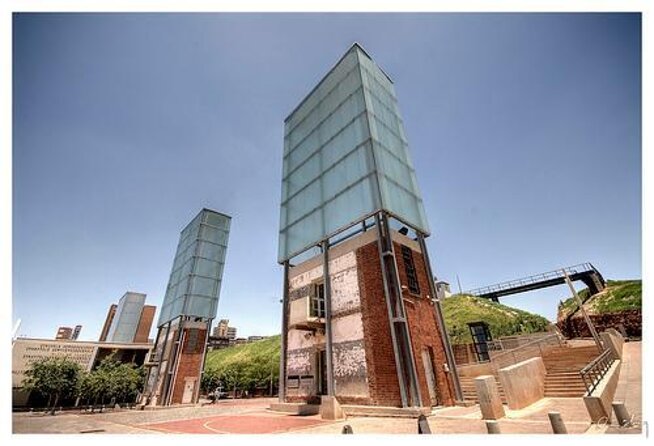
Your first stop is Constitution Hill Human Rights Precinct, a former prison and military fort turned into a place to understand South Africa’s democratic story. Even if you’re not a museum person, this site is hard to treat as just another stop. It’s a reminder that political change didn’t arrive clean and tidy; it was built on real conflict.
You’ll typically spend about 20 minutes here, and that’s enough to get oriented without turning the tour into a marathon. The admission ticket is free for this part, which is a nice win when you’re trying to keep the overall cost down. For first-timers, this is also a great “set the frame” moment: it teaches you how Johannesburg’s streets tie back to rights, resistance, and the long shadow of imprisonment.
Practical tip: wear shoes you’re happy to stand in. The tone at Constitution Hill is serious, so give yourself a little time to slow down, look carefully, and absorb what you’re seeing.
Joburg Theatre in Braamfontein: performance spaces with history
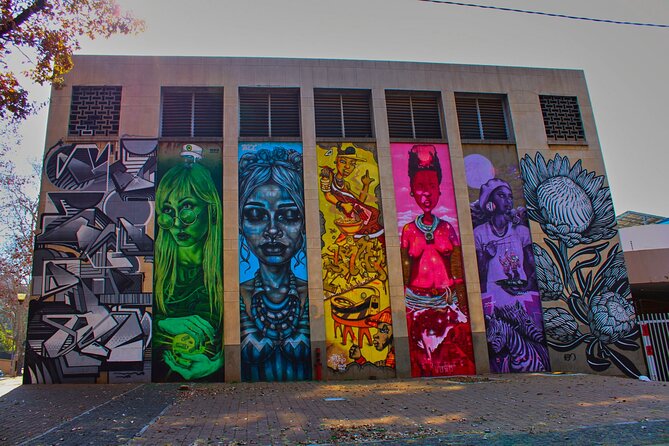
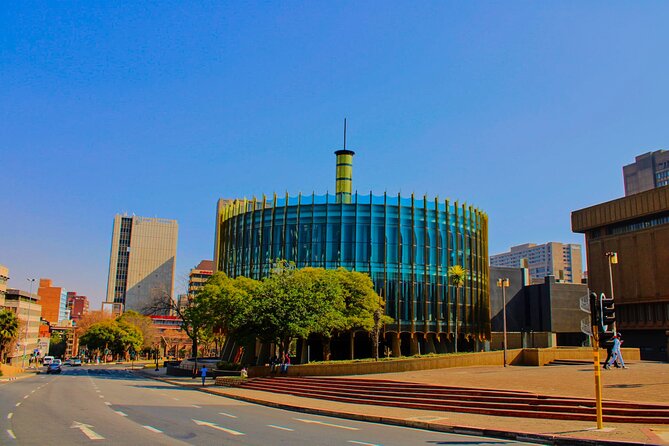
Next up is The Joburg Theatre—a group of four theaters in Braamfontein built in 1962. It’s a free stop, and that’s helpful because it keeps more money in your pocket for food and exploring after the tour.
Why does a theater matter in a street art/history tour? Because arts spaces often reflect what a city wanted to be allowed to say. A building like this isn’t just architecture; it’s a clue to who had access to culture, who was pushed out, and how public life shifted over time.
You get around 45 minutes at this stop, so it’s the longest museum-adjacent segment on the route. That longer window is important: it gives you time to notice the details and ask questions, rather than rushing through.
Wits University Museum: African artwork from historic to contemporary

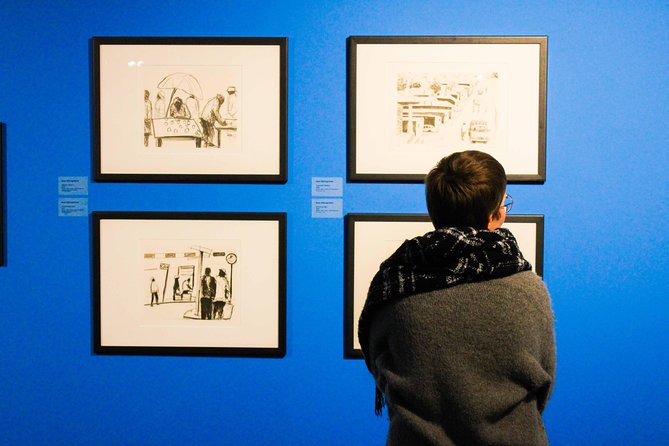
The final museum stop is at Witwatersrand (Wits) University Museum, where you’ll see thousands of pieces of African artwork—from historic to contemporary. Admission is included for this stop, so this is where a chunk of your tour value really lands.
You’ll spend about 20 minutes here, which can feel short for an art museum, but the point of the tour is orientation and context. You’re meant to walk away with a clearer sense of how African art is not one story—it’s many timelines, styles, and voices. If you’re the type who usually says museums make you sleepy, this can flip the script because the works you’ll see are connected to how people live, remember, and create right now.
Practical tip: if there’s one theme you care about—history, modern social themes, identity—use your short time wisely. Pick a few rooms or select displays and focus, instead of trying to absorb everything.
Street art and street culture: what you’re really learning
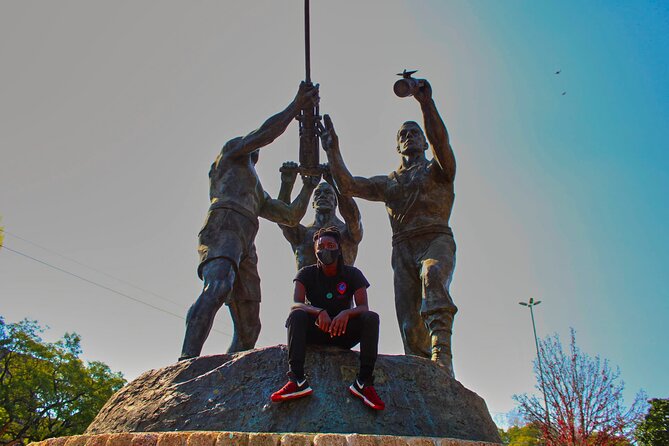
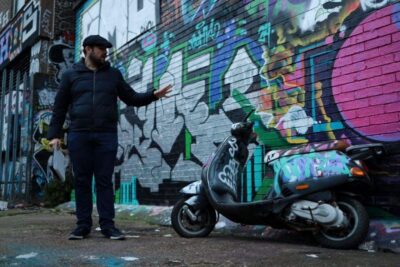
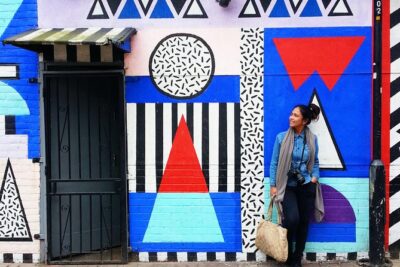
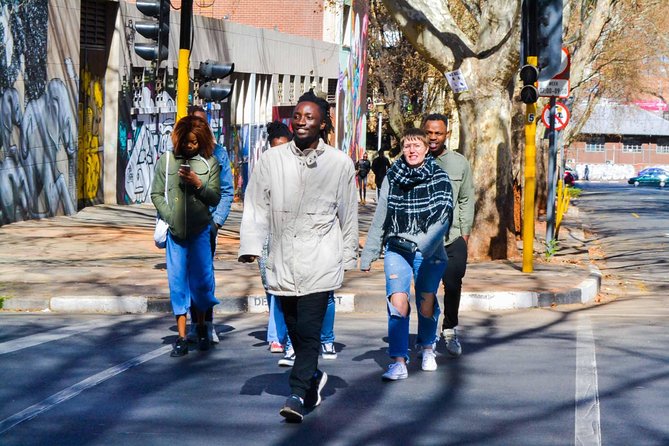
The street art isn’t treated like decoration. It’s treated like language. Between the museums and theater stop, the tour helps you read street culture as part of Johannesburg’s ongoing conversation about power and belonging.
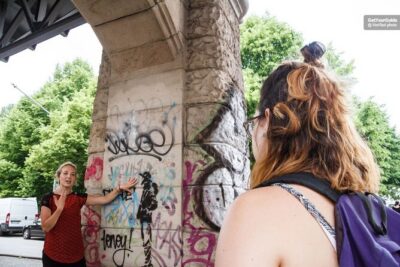
That’s where the better guides really show up. Some guides are praised for knowing the precinct well, pointing out what to watch for, and connecting a mural or street scene to the broader story you just learned at a museum. Names that came up include Sean for being informative and upbeat, and Franck and Zodwa for turning familiar streets into something you notice differently.
Also, pay attention to your timing. One practical note from real-world experience: if you go on a Sunday, a market-like atmosphere in the area may be closed. If part of your goal is street energy—food stalls, browsing, that weekend feel—aim for Saturday when you can.


Coffee or tea included: the small comfort that keeps momentum
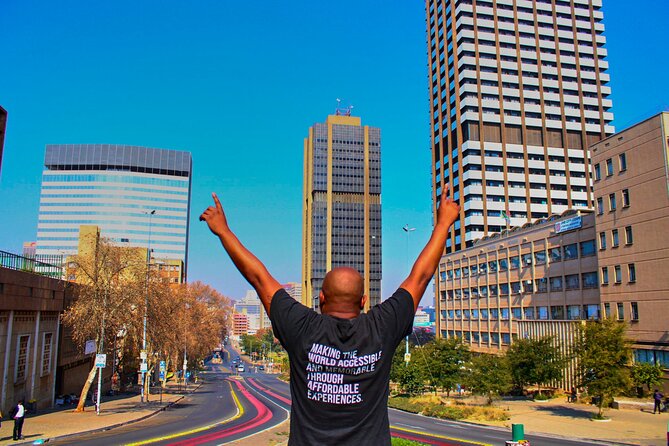
Included coffee and/or tea sounds minor, but it’s a smart detail on a downtown walking or e-scooter plan. Johannesburg can move fast, and breaks help you reset so you can actually take in what the guide is pointing out.
This is also a good moment to ask your guide the question you’ve been holding back. If you’re unsure whether a mural is meant as commentary, celebration, or memorial, this is a great time to ask. Tours like this don’t just deliver facts; they help you learn how to look.
Price and what you get for $31.80
At $31.80 per person for about 2 hours 30 minutes, you’re paying for three main components:
1) structured access to major sites in Braamfontein and Newtown,
2) a guide to connect those places to history and street culture, and
3) at least one included admission (the Wits museum), while the other two stops are free.
That makes the price feel more fair than a pure street-art wanderer. You’re not only paying for movement; you’re paying for interpretation plus time. If you only want museum entrances and not the explanation, you could build a self-guided plan for cheaper. But if you want the story threaded through the neighborhoods, this price can be a solid deal—especially with the free and included admissions stacked together.
Two quick value checks:
- Small group cap (25) helps keep the tour from turning into a herd.
- Short, focused time at each site suits people who want highlights, not a slow museum day.
Walking vs e-scooter: how to plan your pace
This experience is listed as a walking or e-scooter tour. If you’re thinking about using the e-scooter option, confirm how it works for your specific departure, since the details aren’t spelled out here.
One note from the tour info: use of Segway isn’t included. So if you’re picturing a particular type of ride, it’s worth double-checking what’s actually part of the activity versus what’s rented separately.
For most people, walking downtown for around 2.5 hours is manageable, especially because the stops aren’t all tightly packed. But if you’re mobility-limited, you should treat the e-scooter option as a key decision, not an afterthought.
Meeting points, timing, and staying confident downtown
You start at Cell Care centre, Newtown Junction, Shop 102, 100 Carr Street, Newtown Junction Mall, Johannesburg (2000). The tour ends at Constitution Hill Human Rights Precinct, 11 Kotze St, Braamfontein, Johannesburg (2017).
The good news: the area is described as being near public transportation, which helps if you’re arriving from other parts of the city. The tour also caps at 25 travelers, so you’re not dealing with a huge crowd.
One more practical reality: downtown Johannesburg is active and can feel intense to people used to quieter tourist districts. A positive experience often comes down to the guide’s tone and pace. Some guides are described as friendly and careful, and on at least one occasion a pick-up from Park Station was mentioned as part of feeling safe at the start. Even if you don’t get an arranged pick-up, you can still show up early, meet your guide, and ask what the pace will feel like.
Who should book this tour—and who might not love it
This tour is best for you if you:
- want history + street culture in one compact morning or afternoon,
- enjoy street art as context, not just photos,
- like museums but don’t want to spend an entire day inside,
- travel solo or in a small group and want a guided way to meet the area.
It might not be your best fit if:
- you only want the biggest museum hits with lots of time to wander,
- you dislike walking for a couple of hours,
- you’re very sensitive to guide style (because a few reports point out that some guiding can be overly basic or not fully follow the planned flow).
That last point is worth stating plainly. Most guides do a great job connecting the dots. But if your guide doesn’t manage the time well, you’ll feel it.
Should you book? My take
I’d book this if your goal is to understand Johannesburg’s past and present through three real stops and the streets between them. The value is strongest when you care about interpretation—how a prison museum, a theater complex, and an art collection connect to the city’s current identity.
Skip or think twice if you’re the type who needs long museum time and lots of freedom to drift. This tour is built for momentum and clarity, not slow wandering. Also, if street market atmosphere matters to you, plan around weekends because Sunday closures can happen in the area.
If your schedule allows it, pick a day with good weather and a pace you can handle. Then go in ready to ask questions about what you see on the walls and what the buildings were originally made for.
FAQ
How long is the Johannesburg Street Art & Museum tour?
The tour lasts about 2 hours 30 minutes.
Where does the tour start and end?
It starts at Cell Care centre Newtown Junction, Shop 102, 100 Carr Street, Newtown Junction Mall, Johannesburg (2000). It ends at the Constitution Hill Human Rights Precinct, 11 Kotze St, Braamfontein, Johannesburg (2017).
What are the main stops on the tour?
You’ll visit Constitution Hill Human Rights Precinct, The Joburg Theatre, and the Wits (Witwatersrand) University Museum.
Are museum admissions included in the price?
Constitution Hill and The Joburg Theatre are listed as free admission tickets. Admission to the Wits University Museum is included.
Is coffee or tea included?
Yes, coffee and/or tea is included.
Is this a walking tour or an e-scooter tour?
The experience is listed as Johannesburg Street Art & Museum Walking or E-scooter Tour. Use of Segway is listed as not included, so if you want a specific ride type, check what’s available for your departure.
What happens if the weather is bad?
The experience requires good weather. If it’s canceled due to poor weather, you’ll be offered a different date or a full refund.