REVIEW · JOHANNESBURG
Johannesburg: Street Art and Culture in Maboneng!
Book on GetYourGuide →Run by City Skate Tours Pty Ltd · Bookable on GetYourGuide
Street art in Johannesburg can feel like a live history lesson. This Maboneng walk turns murals into clear stories, from the artists painting today to the political shadows of yesterday, with guides like Ayanda bringing real local context. You meet at a coffee shop under a bridge, then head out on foot to connect the neighborhood’s changing identity to the city’s wider South African story.
I love two things most. First, I like how the tour gives you the meaning behind major murals and who made them, including international and local names such as ESPO Powers and DBongz. Second, I like the route choice: you see art, you also step into places tied to creative work and community memory, like Maboneng Arts Village and the Hide-Out Bar at Curiocity Backpackers. It makes the neighborhood feel like more than a photo backdrop.
One thing to keep in mind: this is an active street walk with lots going on. There are street artists and informal traders nearby, so you’ll want to stay alert, wear comfy shoes, and decide in advance how you feel about stopping for purchases along the way.
In This Review
- Key highlights worth your attention
- Starting at Home of the Bean: coffee, orientation, and safety
- Maboneng murals and artist stories: what the walls are really saying
- Maboneng Arts Village: where creative work meets the street
- Curiocity Backpackers and the Hide-Out Bar: memory with an edge
- The 2009-to-today shift: from industrial past to what Maboneng aims to be
- A scenic viewpoint and final stretch: keep your eyes open on the way back
- How good guides make the difference: look for the human touch
- Price and value: what $40 buys you in real time
- Who this tour is for (and who might want a different plan)
- Quick practical tips before you go
- Should you book the Street Art and Culture in Maboneng walk?
- FAQ
- Where does the tour start?
- How long is the tour?
- What does the price include?
- Is the tour wheelchair accessible?
- Is it offered in languages other than English?
- Is there a cancellation option?
Key highlights worth your attention
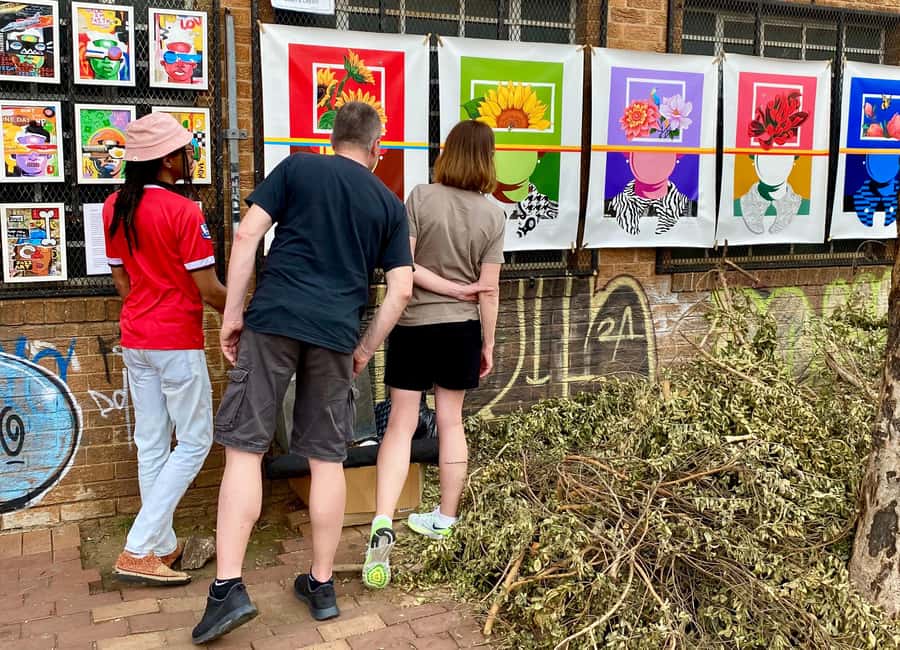
- Artist-name street art: you’ll hear the meaning and the makers behind iconic murals, not just what they look like
- Maboneng Arts Village stop: a chance to see where artists sell work in a dedicated creative space
- Hide-Out Bar at Curiocity Backpackers: an alleged anti-apartheid activist hideout tied to Johannesburg’s wider past
- Old industrial to new neighborhood story: the 2009-to-today shift is part of the walk, not an afterthought
- A guide with lived perspective: the best departures feel personal, with guides sharing what it’s like to be a local in the area
Starting at Home of the Bean: coffee, orientation, and safety
The experience starts at Home of the Bean, right at the corner of Fox and Berea Street under the bridge. The outside looks like an old industrial building, so if you’re early, go inside and grab a seat before you wait. This matters more than you’d think: Johannesburg traffic and inner-city timing can be unpredictable, and showing up prepared helps the whole tour feel calm.
Before you head out, you get a short safety briefing. This isn’t about fear; it’s about common sense. You’ll be walking in an area where street life is normal, where people are greeting guides, and where you’ll sometimes pass vendors. The tour’s goal is to help you move with confidence while you focus on the art and the stories.
If you’re the type who likes a quick warm-up, this stop works well. You can order coffee and get your bearings before the neighborhood starts moving around you.
What to know: food and drinks during the tour are your own expense, so plan on buying what you want at Home of the Bean or elsewhere.
You can also read our reviews of more tours and experiences in Johannesburg.
Maboneng murals and artist stories: what the walls are really saying
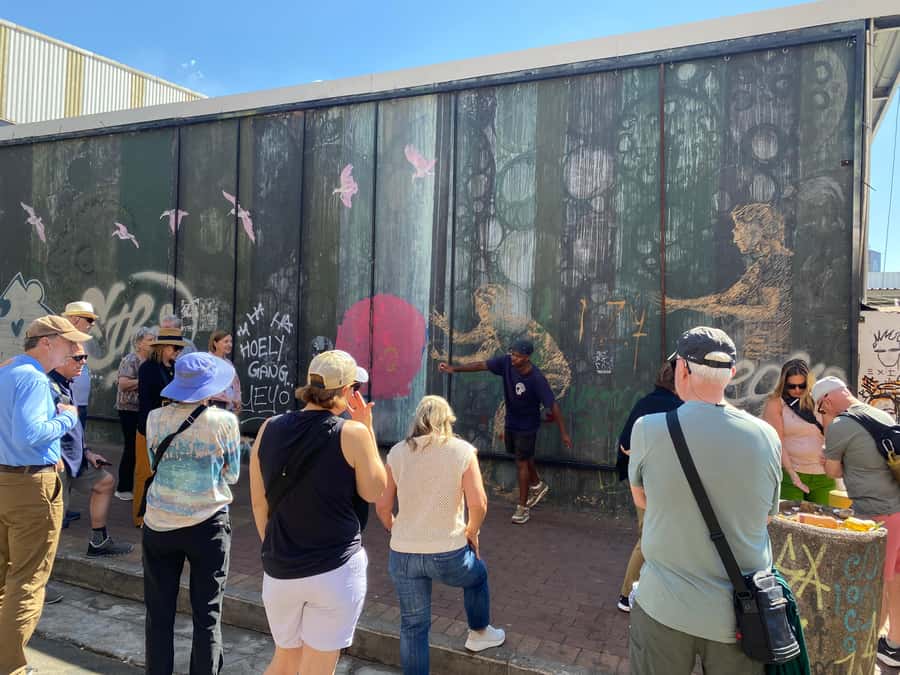
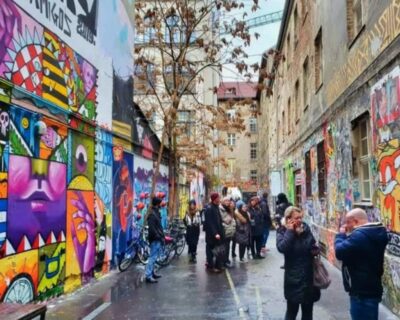
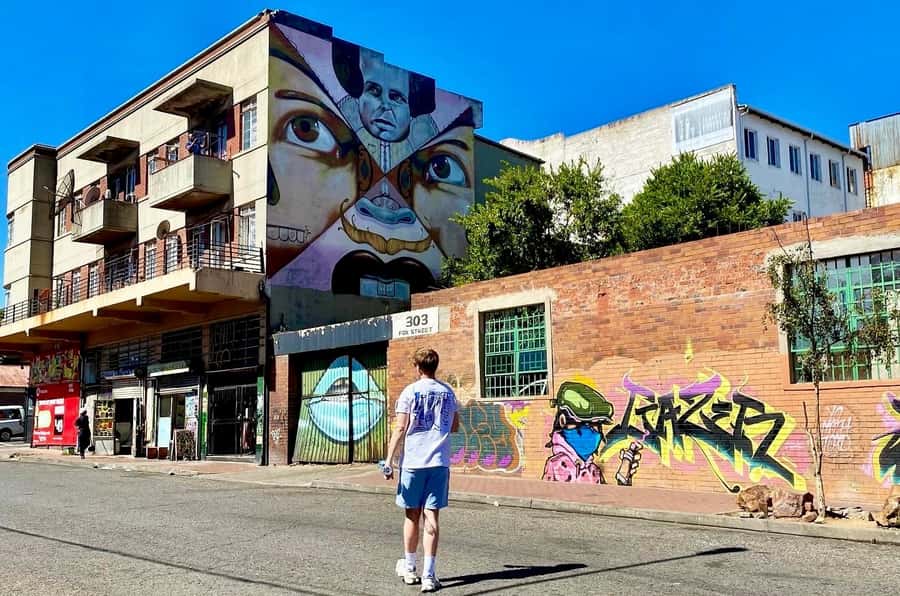
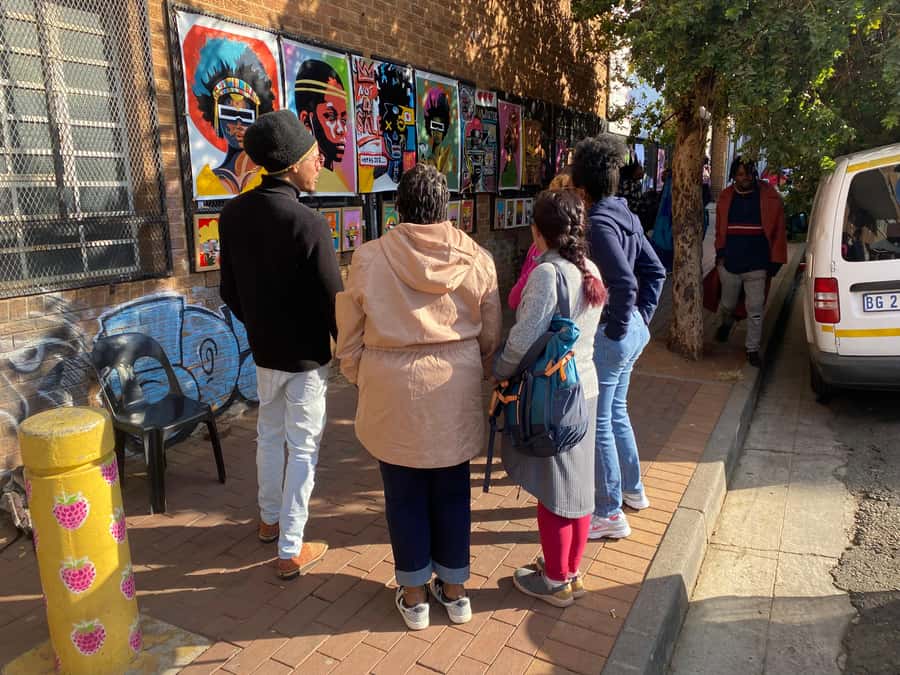
Once the group hits the streets of Maboneng, the tour becomes a guided walk through outdoor storytelling. You’re not just looking at street art as decoration. You’re learning how different murals connect to ideas, identities, and the shifting mood of Johannesburg.
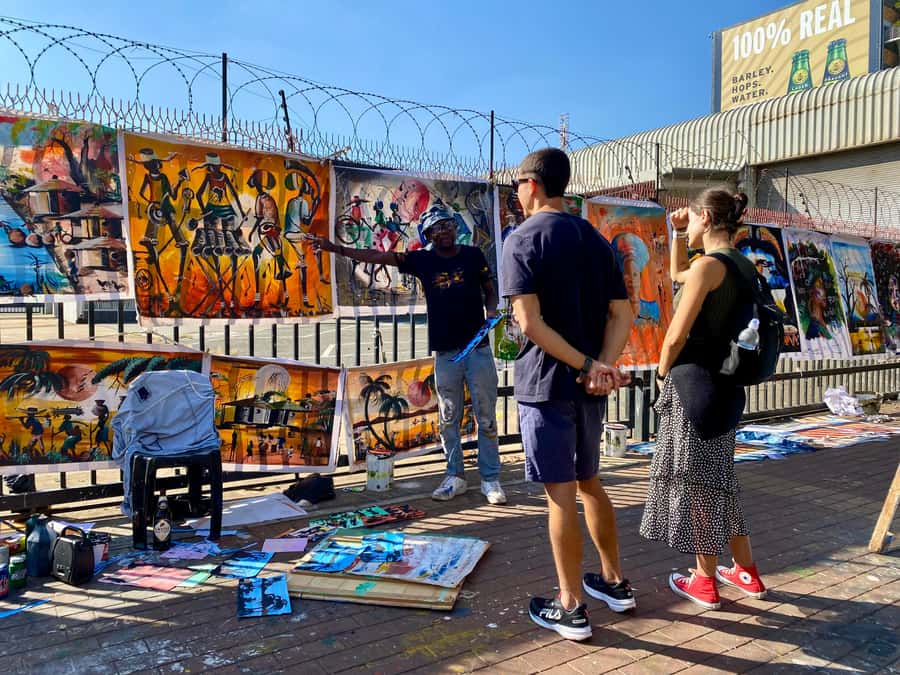
A big plus is the mix of international and local artists. The name recognition matters, but the real value is how the guide explains what you’re seeing: the symbolism, the design choices, and why certain images landed here. You’ll hear about major pieces by artists such as ESPO Powers and DBongz, and you’ll likely pick up patterns in style and message as you walk.
This is also where Maboneng’s nickname, Place of Light, starts to make sense. Street art has a way of turning blank walls into messages you can read. In a neighborhood that has changed quickly over the past couple of decades, those messages help you understand what residents wanted, what they were responding to, and what they’re shaping now.
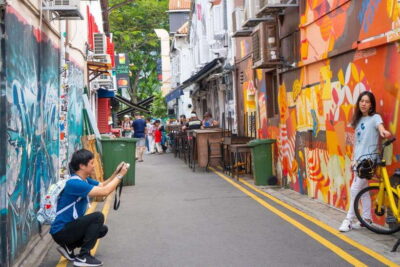
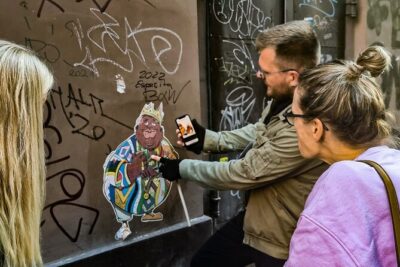
My practical take: bring your phone camera if you want photos, but also keep your eyes up. The best murals aren’t always the ones you spot first from a distance. The guide’s job is to slow you down at the right corners so you don’t miss what’s actually worth seeing.
Maboneng Arts Village: where creative work meets the street
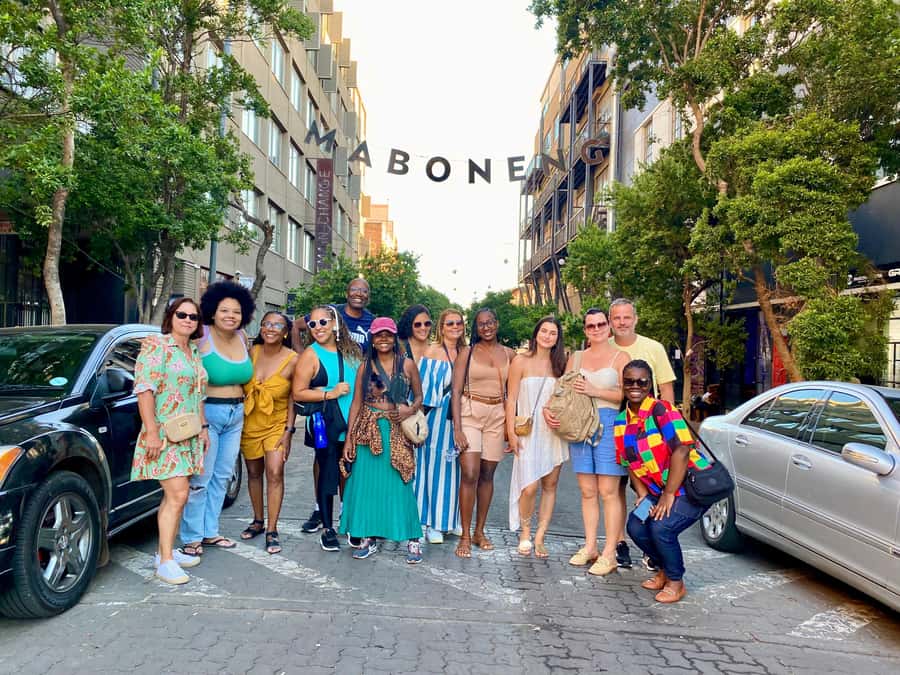
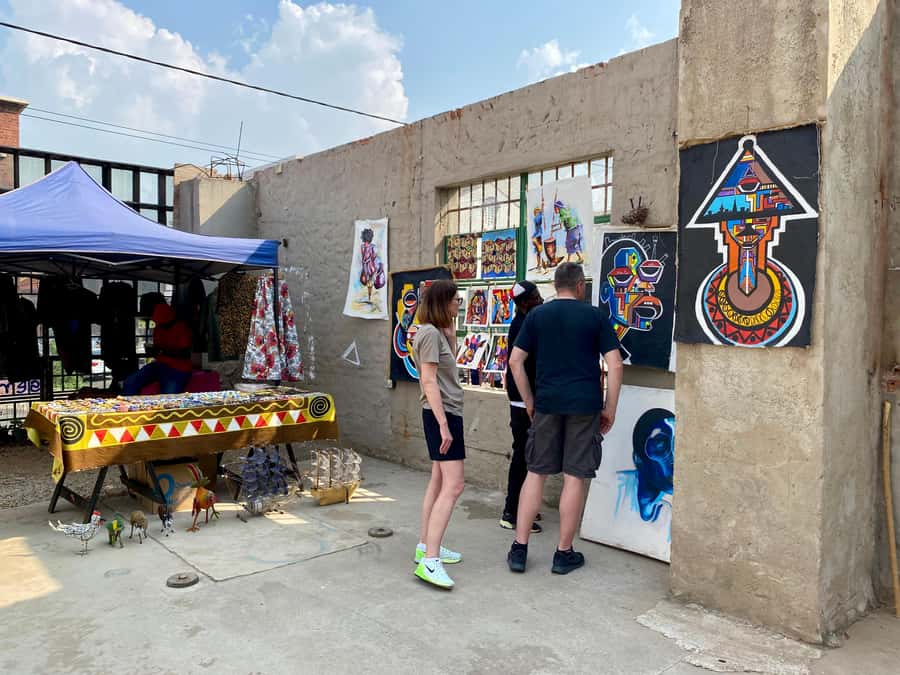
At some point during the walk, you’ll pop into Maboneng Arts Village. This is the kind of stop that turns the tour from sightseeing into something closer to meeting the makers where they work.
Here, the emphasis shifts to artists and creatives selling their work. That changes how you experience the art. Murals are one thing, but seeing art being sold in a dedicated space gives you a different angle on the neighborhood. It reminds you that these aren’t only artists who paint for impact; they’re also people who need a way to live and build careers.
Even if you don’t buy anything, this stop helps you understand the ecosystem behind the visuals. You start to notice that Maboneng isn’t only about redevelopment and images on walls. It’s about people creating, making, and building community through art.
Tip for your wallet: since the streets can also include informal traders, it’s smart to carry some cash or a card so you’re not stuck if something catches your eye.
Curiocity Backpackers and the Hide-Out Bar: memory with an edge
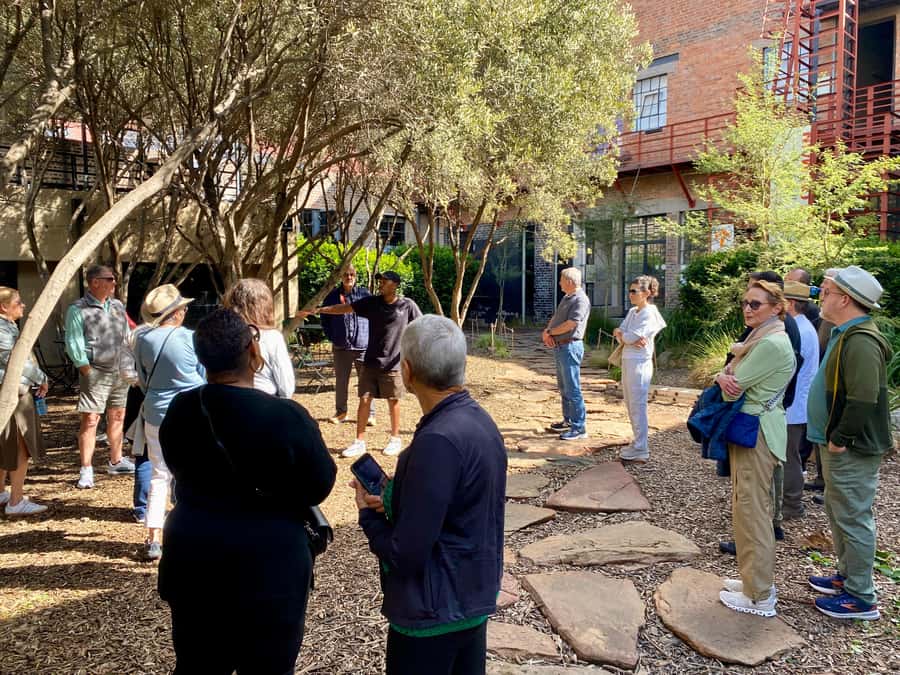
One of the most compelling parts of the walk is the visit to the Hide-Out Bar at Curiocity Backpackers. This stop is described as an alleged hideout for anti-apartheid activists during apartheid.
Even if you treat that word alleged as a prompt to stay curious (and you should), the point is clear: Maboneng’s street art and creative life sit in the shadow of Johannesburg’s political past. The guide uses the stop to link today’s walls to older struggles and the kinds of networks people relied on to resist injustice.
For me, this is where the tour becomes more than pretty pictures. You understand that art here isn’t only about style. It can be about survival, solidarity, and message-making. You also get a sense of why certain symbols and themes show up repeatedly in murals across the inner city.
If you like context, this is the stop you’ll remember later when you’re looking at South Africa in the bigger picture.
The 2009-to-today shift: from industrial past to what Maboneng aims to be
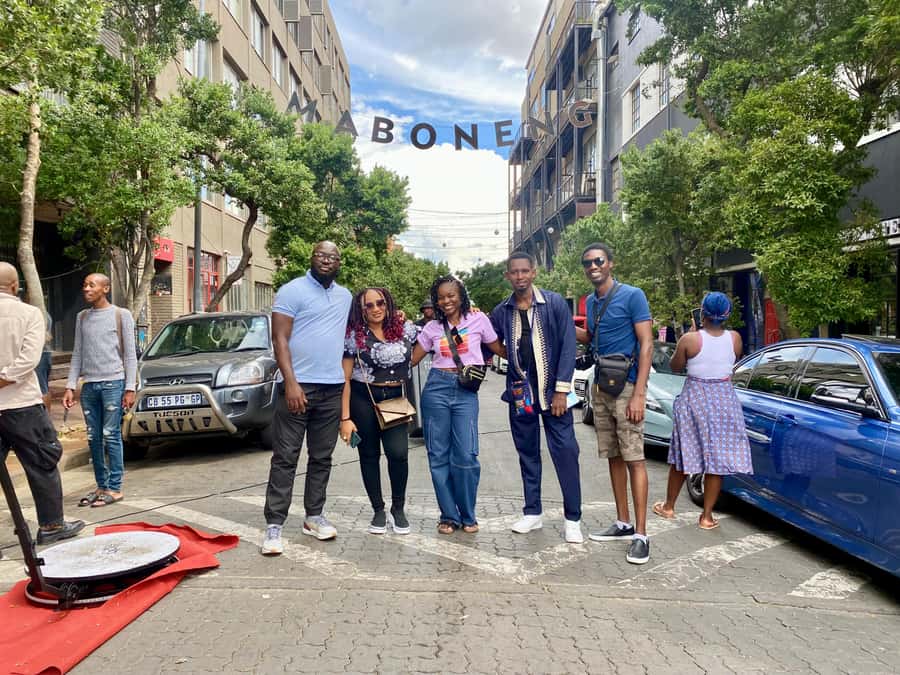
The walk covers how Maboneng evolved from an older industrial area to a cooler neighborhood over time, especially from 2009 to today. That’s not a random timeline tossed in at the end. It’s woven into the streets you walk and the spaces you see.
You’ll also connect the neighborhood’s story to Johannesburg’s mining past. That connection matters because it explains why so much of the city’s development pattern looks the way it does. Maboneng didn’t appear out of thin air; it grew out of a larger urban system shaped by industry, labor, and the movement of people.
In conversation with the guide, you’ll likely hear how change gets funded and what different people imagined for the future of the area. Some guides share lived perspective, including what it’s like to see redevelopment as a resident. That can make the tour feel less like a scripted facts session and more like learning from someone who sees the neighborhood every day.
I like tours like this because you leave with a mental map of how art and redevelopment connect. It helps you read other neighborhoods too, not just photograph this one.
A scenic viewpoint and final stretch: keep your eyes open on the way back
The walk includes a view point stop where you’ll get scenic views on the way and a breather before the final leg. Even if you’re not a landscape person, these little pauses help you reset. They also give you distance—your brain can connect the street-level details to the bigger layout of the neighborhood.
After that, you’ll finish with more time walking through Maboneng and checking out additional murals and streetscape details. The last part is often where you spot what you missed earlier, because now you understand the themes and can read the artwork faster.
Then it’s back to Home of the Bean. For a 2-hour tour, this is a well-balanced length: enough time to learn the meaning behind the art, but not so long that you feel exhausted just trying to keep up.
How good guides make the difference: look for the human touch
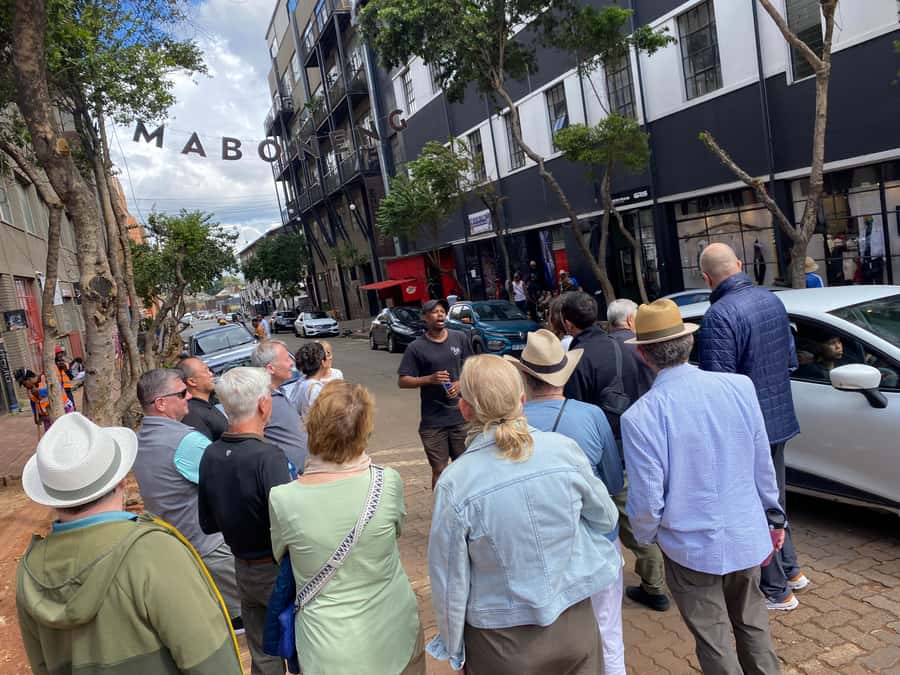
Most of the praise centers on the guide’s ability to connect art to place and history. Names you might hear include Ayanda, and on different days you might be led by other guides such as Bonny, Kaiser, or Michael.
The best part is not only that the guide can explain street art. It’s that you get a feeling of personal stake. Some guides talk with humor and humility, and they answer questions in a way that makes you feel safe to ask. That matters in Johannesburg because the city has layers, and it’s easy to get confused if you only rely on what you already know.
If you want a tour where you leave smarter about Johannesburg and South Africa, this format is built for that. The street art is the hook, but the city context is the meal.
Price and value: what $40 buys you in real time
At about $40 per person for a 2-hour guided walk, the value comes from three things working together:
1) The entry fees are included for sites visited, so you’re not surprised by extra costs mid-walk.
2) You get guided time with someone who can connect each mural and each stop to meaning. That’s hard to replicate solo unless you have local street-art research skills.
3) The route covers multiple creative and historical touchpoints, from the café start to Maboneng Arts Village and the Hide-Out Bar.
What’s not included is simple: food and drink are at your own expense. So budget for coffee and anything else you want to pick up along the way.
Also note: it’s an English-only tour, and it’s wheelchair accessible, which is a strong plus for planning your day.
Who this tour is for (and who might want a different plan)
This walk is ideal if you:
- want a guided way to understand street art as cultural expression
- like context tied to real city change, not just art facts
- feel more comfortable in an organized group for an inner-city neighborhood
- enjoy talking with a guide who shares lived perspective
It may be less ideal if you:
- want a quiet, low-activity experience
- dislike walking in areas with street life and informal traders
- need a very flexible pacing schedule (because it’s designed to cover multiple stops in a set window)
Quick practical tips before you go
A few small things make the difference in comfort and confidence:
- Wear comfortable shoes. This is a street walk with stops, not a museum circuit.
- Bring cash and/or card if you plan to buy art or small items from street sellers.
- Keep your questions ready. The format seems to work best when you actively engage with the guide.
- If you arrive early, wait inside Home of the Bean rather than outside near the bridge.
Should you book the Street Art and Culture in Maboneng walk?
Yes, I think you should book it if you want your Johannesburg time to feel grounded in real place—murals, people, and memory—without spending hours planning routes or decoding symbols on your own. The best-case outcome is exactly what many people seem to love: a guide who can explain what you’re seeing, share local insight, and help you feel comfortable as you walk.
If your main goal is purely sightseeing for photos, you might be okay doing some of it on your own. But if you want the meaning behind the murals and the way Maboneng’s story connects to Johannesburg’s wider past and present, this tour is one of the easiest ways to get it.
FAQ
Where does the tour start?
The meeting point is Home of the Bean at the corner of Fox and Berea Street under the bridge. Go inside the coffee shop to wait if you arrive early.
How long is the tour?
The tour runs for 2 hours.
What does the price include?
Entry to all sites visited is included in the price. Food and drinks during the tour are not included.
Is the tour wheelchair accessible?
Yes, it is wheelchair accessible.
Is it offered in languages other than English?
No. The tour is English only.
Is there a cancellation option?
Yes. You can cancel up to 24 hours in advance for a full refund.