REVIEW · DUSSELDORF
Dusseldorf: Urban Art Walk / Street Art Tour
Book on GetYourGuide →Run by Pretty Portal · Bookable on GetYourGuide
Street art here feels temporary, not touristy.
Düsseldorf street art is everywhere once you know how to see it, and this walk gives you that lens fast. I like that it’s led by Klaus Rosskothen (curator and Pretty Portal gallery owner), so you don’t just look at walls—you get the stories behind murals, installations, stickers, and paste-ups in real public space.
Two things I really value: the tour connects international urban artists with local Düsseldorf scenes and city context, and it focuses on spots you’d probably skip on your own. One possible drawback: the tour runs in German and can move at a lively pace, so if you’re slower on foot or need more time to take things in, plan accordingly.
In This Review
- Key points to know before you go
- How Düsseldorf street art turns city corners into galleries
- Meeting at Ellerstraße and Willi Becker Allee: start with the right pace
- Friedrichstadt: murals and installations with artist-technique context
- Bilk: sticker art and paste-ups you might miss on your own
- The curator difference: why the explanation feels like part of the art
- Walk logistics: 3 km, small groups, and a German-speaking guide
- Price and value: $23 for a curator-led art education in the street
- Who should book this Urban Art Walk (and who should rethink)
- Should you book the Düsseldorf Urban Art Walk?
- FAQ
- How long is the Düsseldorf Urban Art Walk?
- What distance will we walk?
- Who leads the tour?
- What areas of Düsseldorf does the tour cover?
- What kind of street art will we see?
- What language is the tour in?
- How much does it cost, and what about cancellation or pay-later?
Key points to know before you go
- Curator-led walk with Klaus Rosskothen, bringing deep urban art context to each site
- Public-space art only: murals, installations, interventions, stickers, and paste-ups
- International + local mix, including names like Alexis Bust Stephens and Harald Naegeli
- Friedrichstadt and Bilk coverage in about 2 hours and roughly 3 km
- Not a standard sightseeing loop, so you get off-the-beaten-track art places
- Small group (max 20) for a more personal experience and better explanations
How Düsseldorf street art turns city corners into galleries
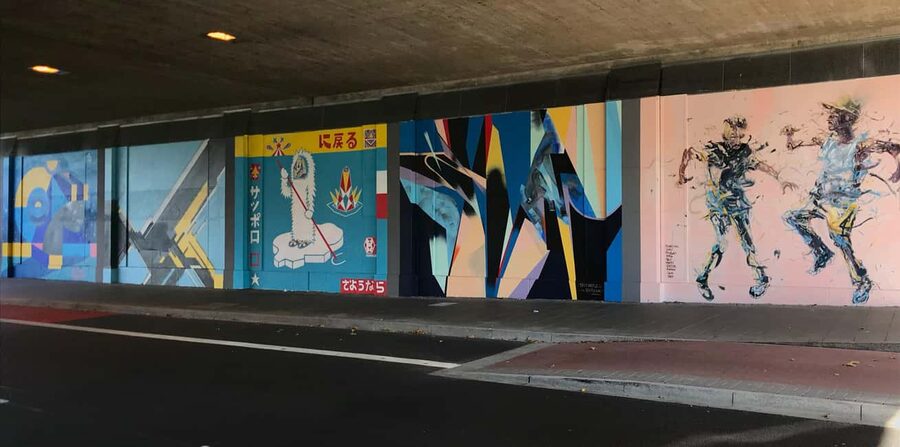
Düsseldorf is famous for museums and galleries, but contemporary art doesn’t stay behind ticket gates. On this Urban Art Walk, you’ll treat the city itself like the exhibition space. That matters, because urban art changes as quickly as the neighborhood around it—new pieces appear, older ones fade, and the best parts are often the ones you catch on a side street.
What I like most is the framing. The walk doesn’t ask you to admire art from a distance. It teaches you what to look for: the artwork’s origin, what strategies the artists use, and how urban art grew into a recognized contemporary art form. Once you learn those patterns, you start reading the city the way you read a street sign—fast, practical, and surprisingly satisfying.
You also get a balance between scale and detail. You’ll see larger works like murals and installations, then shift to smaller formats such as sticker art and paste-ups. That mix helps you understand that street art isn’t one style. It’s a whole toolbox of messages, tactics, and textures.
Meeting at Ellerstraße and Willi Becker Allee: start with the right pace
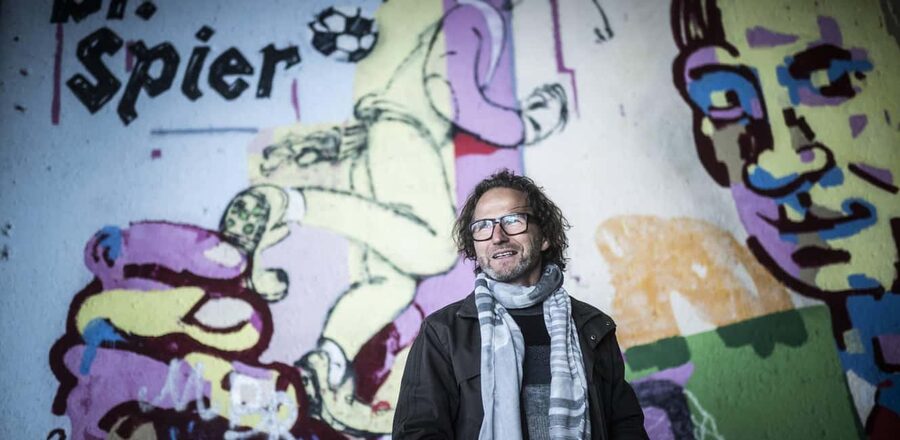
Your walk begins at the corner of Ellerstraße and Willi Becker Allee. That’s an easy start to find, and it sets the tone: you’re about to cover about 3 km over roughly 2 hours, moving through two districts on foot.
Because the group is small (up to 20 people), you’ll likely get clearer explanations than you would on a bigger city tour. Still, plan for walking time and standing time at the art stops. The tour can feel brisk, especially if you’re trying to keep up while listening in German. If you’re nursing an injury or you’re the kind of traveler who likes to linger, keep that in mind before you commit.
Friedrichstadt: murals and installations with artist-technique context
Most of your first stretch focuses on Friedrichstadt, a district that’s ideal for big, visible statements. This is where you’ll encounter selected murals, installations, and interventions placed in public spaces. The key word here is selected: you aren’t chasing every wall. You’re being shown specific works that the guide can explain in a meaningful way.
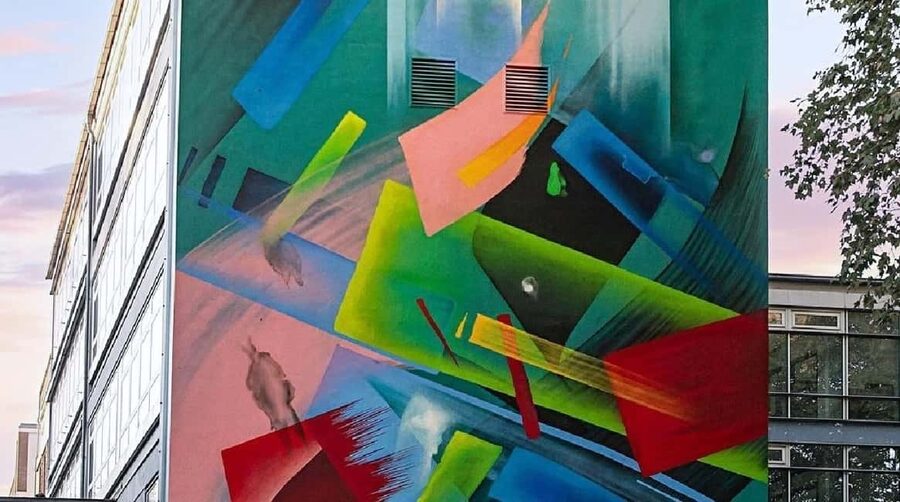
The art itself varies. Some pieces read like a bold poster blown up to wall size. Others feel more like a designed interruption—something that changes how you experience the street around it. As you move, you’ll also get the background on where each work came from and what the artist is doing with technique and messaging.
A standout part is the mix of recognizable names and lesser-known locals. You may see works associated with international urban artists such as Alexis Bust Stephens, Marc Woehr, MadC, Innerfields, Harald Naegeli, and L.E.T. That international presence is useful because it shows urban art isn’t a one-city trend. It’s a conversation that crosses borders, then adapts to local streets and local audiences.
You’ll also hear about PDOT’s characteristic spirits. Even if you’ve never heard that reference before, the point isn’t to memorize a catalog. It’s to understand how recurring characters and styles become a recognizable signature in street art culture.
Bilk: sticker art and paste-ups you might miss on your own
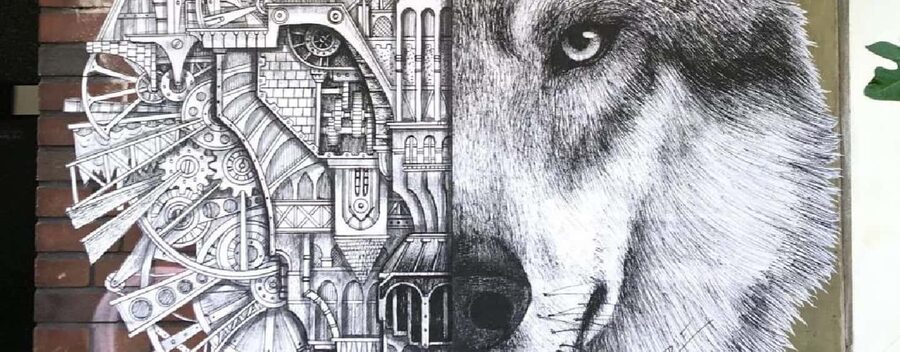
After Friedrichstadt, you’ll shift into Bilk, where the artworks often feel more intimate. This is the portion where you spend more time around sticker art and paste-ups—the kinds of pieces that can vanish quickly, get covered, or get replaced without warning.
This matters because the best street art isn’t always the biggest. Small-format work often carries sharp timing. It can respond to what’s happening in the neighborhood or in the culture right now. It’s also the kind of art that’s easy to miss if you’re walking fast and sightseeing on autopilot.
The tour’s value here is that you’re not just spotting images—you’re learning the logic behind the format. Paste-ups and stickers can be fast to produce, hard to remove completely, and easy to distribute in a city. Once you understand those practical realities, you’ll see how the artwork’s survival depends on both walls and circumstances.
One practical note from real-world experience: if you’re hoping for a heavy dose of every tiny unauthorized piece you can find, this may not be the tour type for that. The walk is still selective and explanatory, and the focus stays on works the guide can place in context.
The curator difference: why the explanation feels like part of the art
The real engine of this Urban Art Walk is how Klaus Rosskothen connects the visuals to the bigger story. He’s not only showing you where a work sits. He talks about why it exists, how it fits into urban art’s development, and what the city’s districts have contributed to the scene.
He also helps you notice the difference between a street artwork that’s mainly decorative and one that’s making an argument. Urban art often plays with identity, culture, and the tension between temporary street life and longer-lasting artistic impact. When the guide explains the origin and strategies, the images stop being “cool pictures” and start becoming evidence—of style, of intent, and of a shifting art world.
This is also where local context comes in. You’ll get brief insights into the history of Friedrichstadt and Bilk, and how their cultural development relates to what you’re seeing now. That doesn’t mean you’ll leave with a textbook. It means your walk becomes more than a photo mission—you’ll understand why these districts feel the way they do in street-art terms.
Walk logistics: 3 km, small groups, and a German-speaking guide
The tour runs for about 2 hours and covers around 3 km. Expect a mix of walking and short stops for discussion. The small group size (maximum 20 participants) helps because you’re closer to the guide’s attention, and the explanations have room to land.
The guide language is German. Live interpretation isn’t listed, so plan to follow in German if that’s your comfort zone. Some content may be presented in its original language, which can affect how fast you grasp details if your German is limited.
If you’re a slower walker, consider bringing this up mentally before you go. A faster pace can mean you miss a chunk of the commentary at a stop. You’ll still see the art, but street art explanation often matters as much as the images—so pace is part of the experience, not just logistics.
Price and value: $23 for a curator-led art education in the street
At $23 per person for roughly 2 hours, this is one of those pricing models that feels designed for access. You’re paying for a focused guide, small-group attention, and context that turns street art into something you can actually understand.
Here’s the value equation I’d use: you get a walk that’s physically light (about 3 km), but intellectually active. You’re not just sightseeing; you’re learning how urban art strategies work, where the works come from, and how the Düsseldorf scene connects international names with local streets.
That’s also why the “not a tourist route” part matters. A lot of city tours optimize for famous highlights. This one optimizes for discovery and meaning. If you care about contemporary art beyond museum walls, $23 can feel like a bargain because you’re essentially buying context—delivered by someone with about 18 years of urban art experience.
Who should book this Urban Art Walk (and who should rethink)
This is a strong fit if you:
- like art that’s in motion—pieces that reflect real life in real neighborhoods
- want more than photos and captions
- enjoy street art history, artist strategies, and how international styles land locally
- appreciate a guided approach rather than wandering with zero context
You might rethink it if:
- German is a challenge and you rely heavily on translation
- you need a slow, unhurried pace and detailed reading time at each stop
- you’re specifically hunting for the smallest, most obscure illegal pieces and want maximum quantity over guided context
For many visitors, it’s a perfect companion to Düsseldorf’s indoor art scene. You’ll see the same modern art energy, just released into public space instead of controlled lighting.
Should you book the Düsseldorf Urban Art Walk?
Yes—if you want to see Düsseldorf differently and you enjoy guided context. The curator-led approach is the main draw, and the emphasis on both international and local work makes the city feel like part of a larger urban art conversation.
I’d book it confidently if you’re comfortable walking about 3 km and you can follow a German tour reasonably well. If your German is shaky or you’re very pace-sensitive, consider whether you’ll be able to catch the explanations, not just the art.
In short: this is for people who like street art as culture, not just as decoration.
FAQ
How long is the Düsseldorf Urban Art Walk?
The tour lasts about 2 hours.
What distance will we walk?
You’ll cover roughly 3 km during the 2-hour walk.
Who leads the tour?
The walk is led by Klaus Rosskothen, a curator and the operator of the Pretty Portal gallery.
What areas of Düsseldorf does the tour cover?
The tour walks through the Friedrichstadt and Bilk districts.
What kind of street art will we see?
You’ll see urban art in public spaces, including murals, installations, interventions, stickers, and paste-ups.
What language is the tour in?
The live tour guide speaks German, and some content may be shown in its original language.
How much does it cost, and what about cancellation or pay-later?
The price is $23 per person. There’s free cancellation up to 24 hours in advance for a full refund, and you can reserve now and pay later.