REVIEW · MALLORCA
Palma Street Art Tour
Book on GetYourGuide →Run by Opcion Events GmbH · Bookable on GetYourGuide
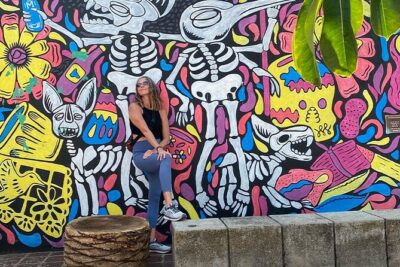
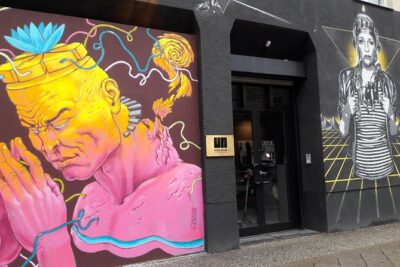
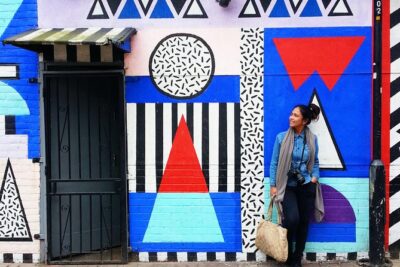
Follow the murals, and Palma tells you more. This guided street art walk is a smart way to see Palma with fresh eyes, from alleyway pieces in the Old Town to creative corners in Santa Catalina. You’ll spot 30+ works and hear what makes each one tick—story, technique, and why the city lets this art live on the street.
Two things I’d bet you’ll love: the sheer “turn-the-corner-surprise” factor in the Tanners’ Quarter, and how the guide talks about meaning instead of only pointing at photos. The old town texture and the urban art side-by-side makes the whole place feel like an open-air gallery you can actually navigate on foot.
One consideration: even though it’s billed as 2 hours, the walk can run longer in practice, and there’s no food or drinks included. If you’re the type who hates having to hunt for a snack mid-tour, plan ahead and keep some energy in your bag.
In This Review
- Key things to know before you go
- Getting started at ALASKA, kiosk meets street art
- Old Town lanes in the Tanners’ Quarter: where art changes every corner
- More than graffiti: how the tour teaches you to see street art as communication
- Santa Catalina, Palma’s creative shift from fishermen’s quarter
- The “30+ pieces” effect: why quantity makes the walk worth it
- Meeting an artist and seeing the studio: the bonus that can happen
- Timing, pace, and what to bring for a smooth walk
- Price and value: what $62 buys you in real-world terms
- Who should book this street art walk in Palma
- Booking check: the practical stuff that saves headaches
- Should you book the Palma Street Art Tour?
Key things to know before you go
- 30+ street-art stops across Palma’s Old Town and Santa Catalina
- Tanners’ Quarter: narrow lanes, hidden courtyards, colorful facades
- Santa Catalina: a former fishermen’s quarter turned trendy creative district
- Real artist stories: you’ll learn techniques and the significance of street art
- Maybe meet an artist: if luck is on your side, you can chat and even see a studio
- Light packing only: luggage or large bags aren’t allowed
Getting started at ALASKA, kiosk meets street art
Your tour starts at ALASKA, a small kiosk at the edge of the square. It’s known for hamburgers, which is a funny little detail because you’re about to spend the next stretch looking at painted ideas instead of food posters. The good part: it’s easy to find and easy to regroup at if your group splits for a quick photo.
Plan to arrive a few minutes early. Not because you need to rush, but because the meeting spot is at a lively point in the city and you’ll want to settle in before you start hunting for murals. Also note the practical rule: no luggage or large bags. A small daypack is fine; anything bulky will feel like dead weight in tight lanes.
Old Town lanes in the Tanners’ Quarter: where art changes every corner
The first big “this is why I’m here” area is the Tanners’ Quarter. This is where Palma leans into the street art scene. Expect narrow alleyways, tight sightlines, and little courtyard pockets where a wall can look ordinary until you get close enough to see the details.
Here’s what makes this section special: street art isn’t just decorative in the Old Town. It interacts with the architecture around it—old stone, worn facades, and passageways that funnel you forward. When the guide points out technique and intent, the same wall you’d have walked past in two seconds suddenly becomes a message you can read.
In this area, you should be ready for a lot of “Wait, go back” moments. The tour pace is best when you’re comfortable stopping often, looking up, and turning around. You’ll get the sense that the city is letting street artists test ideas in public, and that the residents tolerate it because it adds personality to everyday streets.
More than graffiti: how the tour teaches you to see street art as communication
Street art can be messy in the public conversation—some people see vandalism, others see art, and the truth is usually more nuanced than both sides. What I like about this tour concept is that it frames street art as an expression of a generation and a reflection of society. You’re not just collecting images; you’re learning how to decode what you’re looking at.
You’ll hear facts tied to each piece: how the work was created, what techniques the artist used, and why the artwork matters in Palma. That’s the difference between a walk that feels like sightseeing and one that feels like understanding.
If you’re the type who likes context, you’ll appreciate how the guide connects the dots. Even when you don’t agree with a message, you’ll usually understand the viewpoint. And once you start paying attention to style—colors, line work, layers, and placement—you’ll start noticing patterns across different walls, like the city has its own visual language.
Santa Catalina, Palma’s creative shift from fishermen’s quarter
After the Old Town focus, the tour turns toward Santa Catalina, a former fishermen’s quarter that has developed a young, creative scene. This change of neighborhoods matters more than it sounds, because it changes the “feel” of the street art.
In the Old Town, you’re often surrounded by historic textures and older building forms. In Santa Catalina, you get a more modern street-life vibe, where art can feel like part of the everyday flow—something people walk past on their way to drinks, shopping, or a late dinner. The works you see here tend to feel less like secrets hidden in stone corridors and more like statements in a neighborhood that has embraced creativity.
This is also where you’ll likely get the most energy from the tour. The lanes may be less labyrinth-like than the Tanners’ Quarter, but the atmosphere can feel more alive. You’re not only seeing the art; you’re feeling why the neighborhood would want it.
The “30+ pieces” effect: why quantity makes the walk worth it
Some walking tours give you a handful of photos and call it a day. This one is built around the idea that street art is a full-city phenomenon, not a single landmark.
You’ll see over 30 pieces during the walk. That volume changes how you experience the tour. Instead of treating each mural as an isolated event, you start building a sense of Palma’s street art identity—what themes show up, how techniques vary, and how different artists use the urban setting.
It also helps that you’re not guessing why the guide is stopping. Each stop comes with a reason: the story behind the work, the significance of the artwork for the city, or an explanation of how the artist created it. By the time you get toward the end, you’ll feel like you earned your photos, not just collected them.
Meeting an artist and seeing the studio: the bonus that can happen
One of the fun possibilities on this tour is meeting an artist in person. With a bit of luck, you may even be able to chat and learn more directly.
You should treat this as a “good chance, not a guarantee.” But the payoff can be huge if it happens, because it changes the art from something you read about into something you hear firsthand. One booking noted the tour included a chance to meet an artist and even visit his studio. That’s the kind of added access that makes a normal mural walk feel like a real connection, not a scripted stroll.
If meeting an artist is important to you, keep a relaxed attitude. Don’t rush for the next corner. If the group lingers, it’s usually because something interesting is happening.
Timing, pace, and what to bring for a smooth walk
This is a walking tour through tight city spaces. That matters for comfort more than for speed. Even though the duration is listed as 2 hours, some departures have run closer to 3 hours. If your day is packed—especially if you’ve planned another meetup or a meal right after—give yourself cushion time.
Also remember: food and drinks aren’t included. Palma is great for stopping for tapas and a cold drink, but you don’t want hunger to become part of the tour experience. If you’re touring in warm weather, bring water even if you think you won’t need it.
What else helps:
- Wear shoes you can walk in for an extended stretch of old-town streets
- Bring a phone with enough battery for photos, because you’ll want to capture details
- Travel light since luggage or large bags aren’t allowed
Price and value: what $62 buys you in real-world terms
At $62 per person for a guided 2-hour concept (with possible longer time), you’re paying for three things: local guidance, interpretation, and access to a street-art route with lots of stops.
Street art tours often fail in one of two ways: they either point at walls without explaining anything, or they limit the number of pieces and you leave feeling like you saw only a small slice. This format aims to avoid both problems by combining guided storytelling with 30+ viewing points.
So is it worth it? For me, yes—if you like your sightseeing with meaning. You’re not paying for a bus. You’re paying for a guide who can tell you what you’re looking at and why it matters in Palma’s public life. If you’re only interested in collecting Instagram shots and nothing else, a self-guided photo route could be cheaper. But if you want the “why,” the $62 feels like a reasonable price for a focused, explanation-heavy walk.
Who should book this street art walk in Palma
This tour is a good match if you:
- Like city neighborhoods where art and daily life overlap
- Enjoy guided interpretation, not just sight-seeing
- Want a route that includes both Old Town and Santa Catalina
- Prefer walking over driving and want to learn as you go
It’s also a nice option for first-time Palma visitors who want something more distinctive than the usual postcard highlights. You’ll leave with a different mental map of the city—one built from textures, alleyways, and the messages on its walls.
If you dislike crowds or frequent stops, the constant turning and pausing might not be your favorite style of tour. But if you can handle a slow look-and-learn pace, you’ll get a lot out of it.
Booking check: the practical stuff that saves headaches
You’ll book a spot for a live guided tour with an English or German guide. The tour is marked as wheelchair accessible, which is a plus if you need that support. Just do yourself a favor and show up on time at the ALASKA kiosk so the start stays smooth for everyone.
No luggage or large bags is the main non-negotiable. If you’re arriving from a trip with a suitcase, plan storage before you go.
Cancellation is flexible—if plans shift, you can cancel up to 24 hours in advance for a full refund. If you’re still watching your schedule, the reserve now and pay later option can help you lock in a time without immediate payment.
Should you book the Palma Street Art Tour?
Book it if you want Palma with context. This is a tour for people who like understanding art instead of just scanning it. The mix of Tanners’ Quarter alleyways and Santa Catalina gives you variety, and the sheer number of stops—over 30 works—keeps it from feeling like a quick glance.
Skip it if you’re on a strict clock, because the walk can run longer than the listed 2 hours. Also skip it if you hate stopping for explanations or if you’re hungry without a plan, since food and drinks aren’t included.
If you’re somewhere in the middle—curious about street art and willing to slow down a bit—this is a solid, value-minded way to see Palma beyond the usual sights.