REVIEW · ROME
Torpignattara Photo Tour: melting pot, street art and politics
Book on Viator →Bookable on Viator
Street art with real politics.
In Torpignattara, you get a photography-first walk where murals and writings become your guide to the neighborhood’s side of Rome. You also pick up practical shooting ideas from Daniele, including composition tips even if you’re working with a smartphone. The main catch: it’s flat but a bit long, so comfy shoes matter.
This runs about 3 hours, starting at P.za Roberto Malatesta, 53 at 10:00 am, and ending near the Arco di Travertino metro entrance (Line A). It’s set up as a private tour for just your group, and you’ll use a mobile ticket on your phone.
What makes it especially interesting is the setting: Torpignattara is a multicultural neighborhood melting pot, and the street art feels tied to real daily life—people, languages, and ideas moving through the same blocks.
In This Review
- Key things you’ll notice on this Torpignattara photo tour
- Torpignattara’s murals, writings, and the street-level story
- Daniele’s photo tips: how the coaching actually helps
- Walking route from P.za Roberto Malatesta to Arco di Travertino (Line A)
- Phase-by-phase: what happens during the 3-hour photo hunt
- 1) Start zone: setting your photo mindset
- 2) Murals and writings: learning how to frame “message”
- 3) Culture and the “melting pot” effect
- 4) Hidden corners and murals inside condominiums
- 5) Finish near Arco di Travertino metro entrance
- Price and value: is $197.77 for 3 hours worth it?
- What to bring and how to plan your day
- Food and local life: where the tour can lead you next
- Should you book the Torpignattara Photo Tour?
- FAQ
- What is the duration of the Torpignattara Photo Tour?
- How much does the tour cost?
- Where do I start the tour?
- What time does the tour begin?
- Where does the tour end?
- Is this tour private?
- What happens if the weather is bad?
Key things you’ll notice on this Torpignattara photo tour
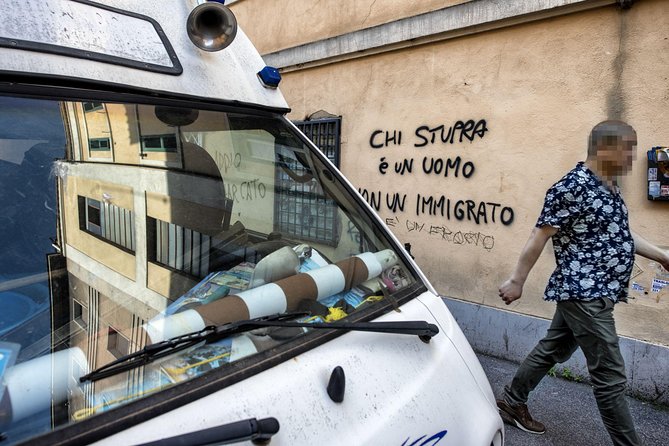
- Street-art mapping that saves time: you’re not guessing which walls are worth stopping for
- Smart photo coaching for phones and cameras: composition advice built for quick shots
- Politics and culture in the same frame: murals and writings aren’t just decoration
- Hidden works beyond the obvious streets: some art appears in quieter corners, even inside condominiums
- A neighborhood you can linger in after: food suggestions for classic Roman comfort meals
Torpignattara’s murals, writings, and the street-level story
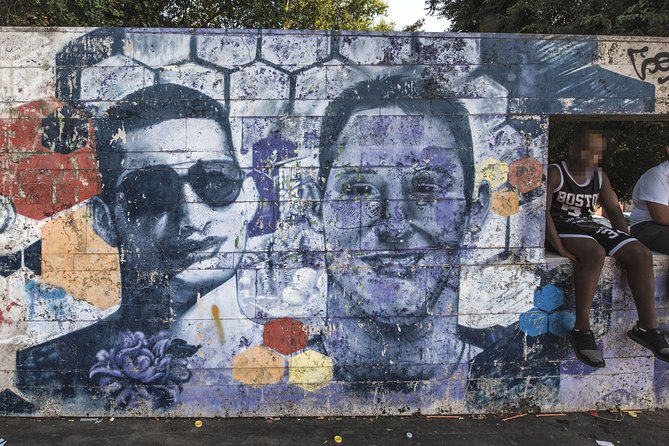
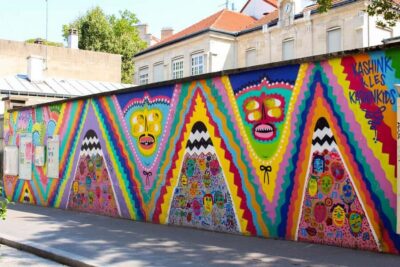
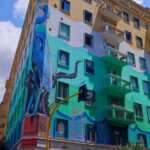
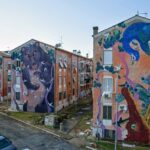
Torpignattara is one of those Rome neighborhoods where the walls do more talking than the guidebooks do. This tour is built around that idea: you walk with a photographer’s eye and learn to treat murals, tags, and large-scale writings like visual journalism. The vibe isn’t about finding one famous piece. It’s about seeing the pattern—how different messages live side by side, how art overlaps with daily routine, and how the street scene reflects the mix of communities in the area.
One reason I like this format is that it turns a normal stroll into a focused hunt. Instead of wandering and hoping you spot something, you’re guided to places where there’s something to frame and something to understand. That matters because in street art neighborhoods, the best images are often just one turn away—or behind a fence, a courtyard gate, or the entrance to a building.
The second big plus is that the art is framed as part of Torpignattara’s identity, not a random sightseeing stop. You get the feeling that the neighborhood’s cultural life and its political voice are present in the same visual language. That’s why the tour works even if you don’t consider yourself a street-art person. You start reading the streets, not just photographing them.
You can also read our reviews of more tours and experiences in Rome.
Daniele’s photo tips: how the coaching actually helps
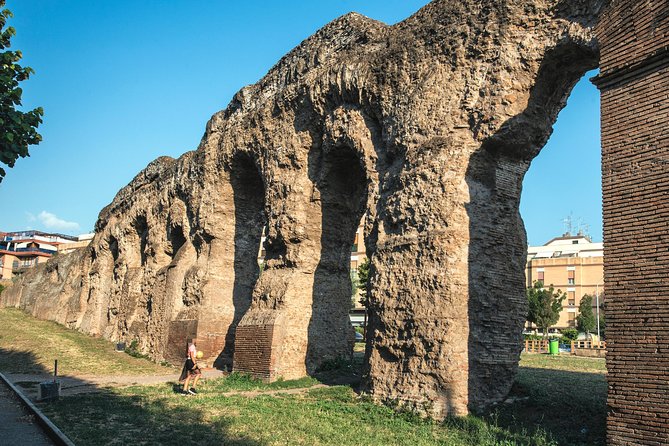
A lot of tours say they’re about photography. This one is different because the guidance is practical, not theoretical. Daniele’s coaching is described as patient and skillful, with a tone that makes you feel like you can improve in real time.
What you’ll likely benefit from most:
- Composition ideas you can use immediately: framing choices, how to line up a mural so it doesn’t look like a random rectangle, and how to think about what sits next to what
- Smart critique: you don’t just get encouragement; you can get constructive feedback meant to sharpen your next shot
- Smartphone-friendly instruction: you can still walk away with better photos even if you’re not using a dedicated camera
If you’ve ever felt like your photos of murals look flat or distant, this style of coaching can fix that fast. Street art has texture, geometry, and layers. When you learn what to emphasize—edges, lines, faces, background signage, or the contrast between painted surfaces and real street elements—your images stop looking like snapshots and start looking intentional.
And there’s another benefit: because the tour is private, the pace and the level of instruction can be adjusted to your group. That’s useful if someone in your group wants to slow down for details or if you’re the one who keeps asking, Are we doing this from here or there?
Walking route from P.za Roberto Malatesta to Arco di Travertino (Line A)
The tour is organized as a walk, and it runs on foot between two clear anchors. You start at P.za Roberto Malatesta, 53 (a practical pickup point) and finish near the Arco di Travertino metro entrance on Line A. That ending matters because it gives you an easy escape hatch back to central Rome or to your next plan.
The route is described as flat, but also a bit long. Flat doesn’t mean effortless. You’ll still be on your feet for the full stretch, and because the tour is photography-focused, you’ll likely pause often to shoot and adjust. That’s the real reason to plan for comfort: not hills, but standing still, turning your body, and repositioning for angles.
A good way to think about the physical side of the experience:
- If you’re okay with a solid neighborhood walk, you’re fine
- If you hate being on your feet for hours, this might feel like too much
The tour is near public transportation, so you can also build your day around it without stress. You’re not stuck on one side of Rome with no practical way back.
Phase-by-phase: what happens during the 3-hour photo hunt
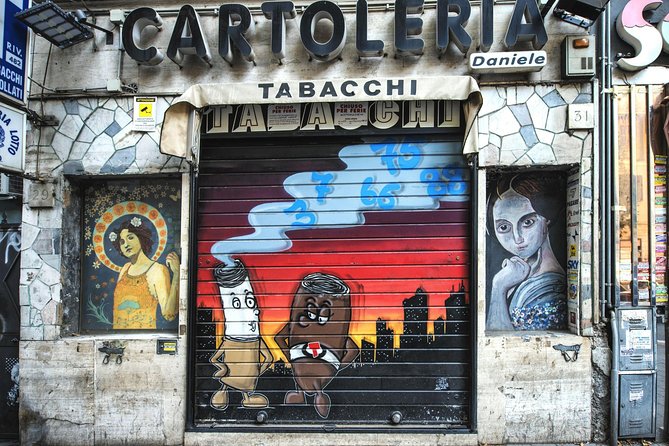
Even though this is one continuous experience, it unfolds like a sequence of photographic challenges. Here’s what that typically feels like on the ground—without inventing extra stops that aren’t part of the tour concept.
1) Start zone: setting your photo mindset
At the beginning near Piazza Roberto Malatesta, you’re basically getting into the mindset of seeing like a photographer. You’ll start noticing how murals sit in relation to streets, balconies, entrances, and everyday signage. The point isn’t just to shoot. It’s to learn what kind of shot makes sense here.
This is also where you can ask early questions: how to approach a subject without blocking foot traffic, how to frame in tight spaces, and how to work with light conditions you find on the street.
2) Murals and writings: learning how to frame “message”
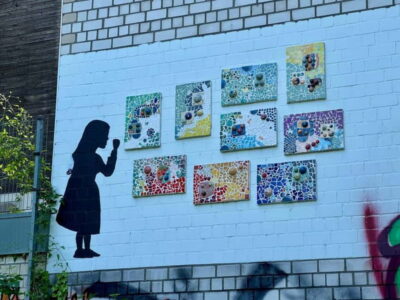
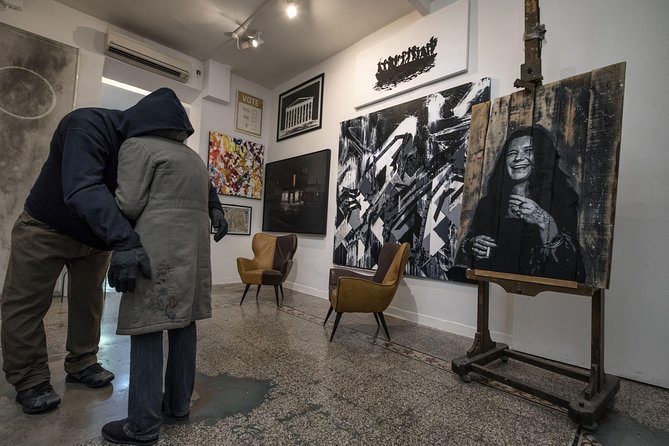
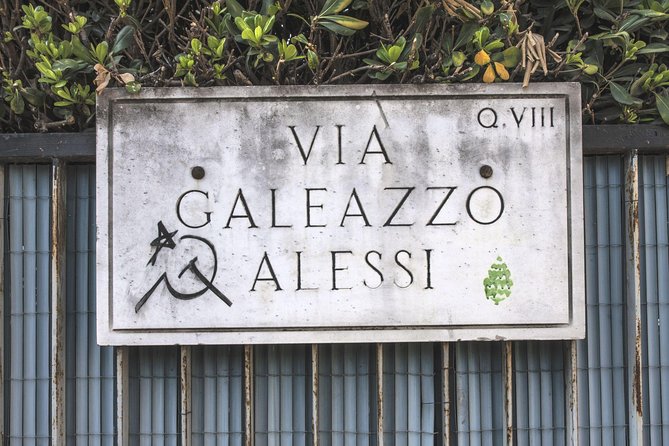
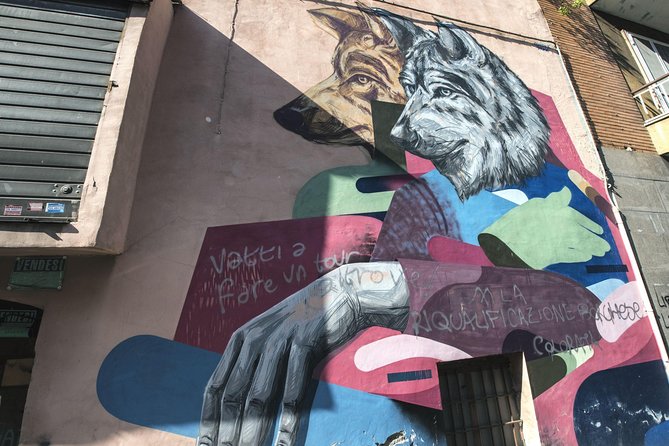
As you move through the neighborhood, the tour focuses on murals and writings, including works that reflect cultural and political themes. That’s a big deal because street art is often more about content than color. Daniele’s guidance helps you treat these works like something you’re documenting—so your photos capture not only what’s painted, but how the writing or imagery connects to the street around it.
You’ll get ideas for shots that show:
- the artwork in context (where it sits in the neighborhood)
- the artwork as a graphic subject (shape, contrast, repetition)
- the relationship between the wall and what’s happening in front of it
3) Culture and the “melting pot” effect
This tour isn’t only about paint. The neighborhood’s multicultural presence is part of the scene, and that changes your photos. People and languages create scale. Local routines create storytelling. When you photograph art in a place where communities live together, your results tend to feel more grounded than a mural-only shot.
Even if you’re photographing architecture and walls, you’ll still catch the sense of Torpignattara as a place of motion. That’s one reason people describe it as a neighborhood you can actually feel, not just view.
4) Hidden corners and murals inside condominiums
One of the strongest perks is that Daniele doesn’t limit you to the obvious walls. You can be shown quieter, less expected spots, including artworks located even inside condominiums. This is exactly what separates a tour like this from self-guided walking: street art is easy to miss when you don’t know where the surprises are.
It also helps your photos. When you find work that isn’t photographed every day, your shots feel more original. And because you’re still getting composition advice while you shoot, you’re not just collecting images—you’re improving how you collect them.
5) Finish near Arco di Travertino metro entrance
Ending at Arco di Travertino is practical. You’re not left in the middle of nowhere, and your transit options are clear. It also helps mentally: you can push a little harder for your last set of images, then head out without stress.
Price and value: is $197.77 for 3 hours worth it?
At $197.77 per person for about 3 hours, the value depends on how you like to travel.
Here’s the honest way I see it:
- If you care about photography improvement, this price starts to make sense because you’re paying for guided stops and instruction, not just access to “cool walls.”
- If you only want a casual walking tour with photo stops, you might feel it’s priced like instruction. In that case, you’ll want to be ready to actively shoot and learn.
- The fact that it’s private helps value for groups who want a tailored pace, especially if one person in the group takes photos seriously.
You’re also getting a structured focus on street art in a neighborhood where time matters. Street art mapping can save you hours of aimless searching. Even if you’re confident walking around Rome, knowing where to look (and how to frame what you find) can be the difference between a handful of decent shots and a batch of photos you’re proud to keep.
What to bring and how to plan your day
Because it’s a flat but long walk, keep it simple: shoes you trust, water, and a phone or camera you know how to use. You’re going to pause frequently, and you’ll want to be able to move quickly when the light or angle looks right.
Also plan around good weather. The experience requires decent conditions, and if it gets canceled due to poor weather, you’ll be offered a different date or a full refund. That’s not a small detail. Outdoor street art photography can become frustrating in rain, harsh wind, or low visibility.
If you’re hoping to shoot seriously, consider giving yourself some breathing room before and after. This isn’t the kind of activity you want to stack with another long tour right afterward, because your legs and your eyes will still be in “look for frames” mode.
Food and local life: where the tour can lead you next
This experience doesn’t position itself as a sit-down meal tour, but it does connect you to neighborhood reality. One of the standout ideas in the feedback is that you can get practical local guidance for eating, including classic Roman dishes like quinto quarto and frattaglie. That’s a very Rome choice, and it’s the kind of tip that can turn your afternoon from generic to specific.
If that’s your style, you’ll enjoy the tour more because it gives you a sense of where you are and what you should try next. If you don’t want offal dishes, you can still use the guidance as a way to find a good trattoria that matches your preferences.
Should you book the Torpignattara Photo Tour?
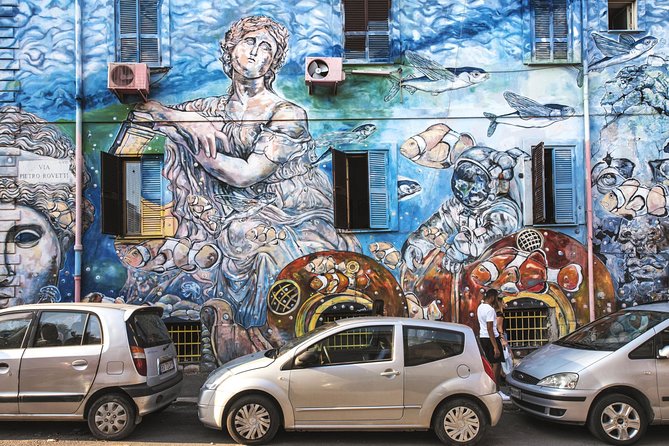
Book it if you want street art with context and you’d like real photo coaching, not just sightseeing. This is a good pick when you:
- like murals and writings as subjects, not background scenery
- want composition tips you can use right away, including for smartphone photos
- enjoy exploring a multicultural neighborhood where the street scene feels lived-in
- appreciate a guide who can show hidden works, including inside condominiums
Consider skipping or choosing another option if:
- you can’t handle a long walking session, even on flat ground
- you mainly want famous landmarks and short stops with minimal walking
If your goal is better photos and a smarter way to see Torpignattara, this tour is the kind of activity that can pay off long after you leave Rome—because you’ll learn how to look, not just where to stand.
FAQ
What is the duration of the Torpignattara Photo Tour?
It lasts about 3 hours.
How much does the tour cost?
The price is $197.77 per person.
Where do I start the tour?
The tour starts at P.za Roberto Malatesta, 53, 00176 Roma RM, Italy.
What time does the tour begin?
The start time is 10:00 am.
Where does the tour end?
It ends at Arco di Travertino metro entrance (Line A), in Rome.
Is this tour private?
Yes. It’s a private tour/activity, and only your group will participate.
What happens if the weather is bad?
The experience requires good weather. If it’s canceled due to poor weather, you’ll be offered a different date or a full refund. You can also cancel for a full refund up to 24 hours in advance.