REVIEW · BOGOTA
Graffiti Tour: a fascinating walk through a street art City
Book on GetYourGuide →Run by Capital Graffiti Tours · Bookable on GetYourGuide
Street art isn’t small talk in Bogotá; it’s public debate. This 150-minute graffiti walk turns walls into a guided lesson on Colombia’s past, its peace process, and what people hope for next.
What I like most is how you’re shown the tallest illegal graffiti in the country, then guided to understand the why behind it, not just the what. I also love the social-impact approach, where guides work closely with local artists and the tour reinvests in new murals rather than treating street art like a disposable backdrop. One consideration: parts of the political imagery touch on current social issues, so if you prefer your sightseeing drama-free, this one may feel intense—and the tour also says valuables aren’t allowed.
In This Review
- Key highlights you should actually care about
- Why Bogotá’s graffiti reads like real news
- Starting at the Gold Museum: where the tour begins
- The stop built around Colombia’s tallest illegal graffiti
- Political posters and social-issue walls you’ll be asked to interpret
- False positives and community resilience: what happens after removal
- The guide system: artists explaining art without turning it into trivia
- Social impact that doesn’t feel like a marketing gimmick
- Price and value: what $15 actually means here
- What to do before you meet: smart prep for a political art walk
- Who this tour suits best (and who should skip it)
- Should you book Capital Graffiti Tours?
- FAQ
- FAQ
- Where is the meeting point for the graffiti tour?
- What should I look for when I arrive?
- How long is the graffiti tour?
- How much does the tour cost?
- What will I see during the tour?
- What languages are available for the live guide?
- Is the tour wheelchair accessible?
- Are private or small groups available?
- Can I pay later or cancel?
Key highlights you should actually care about
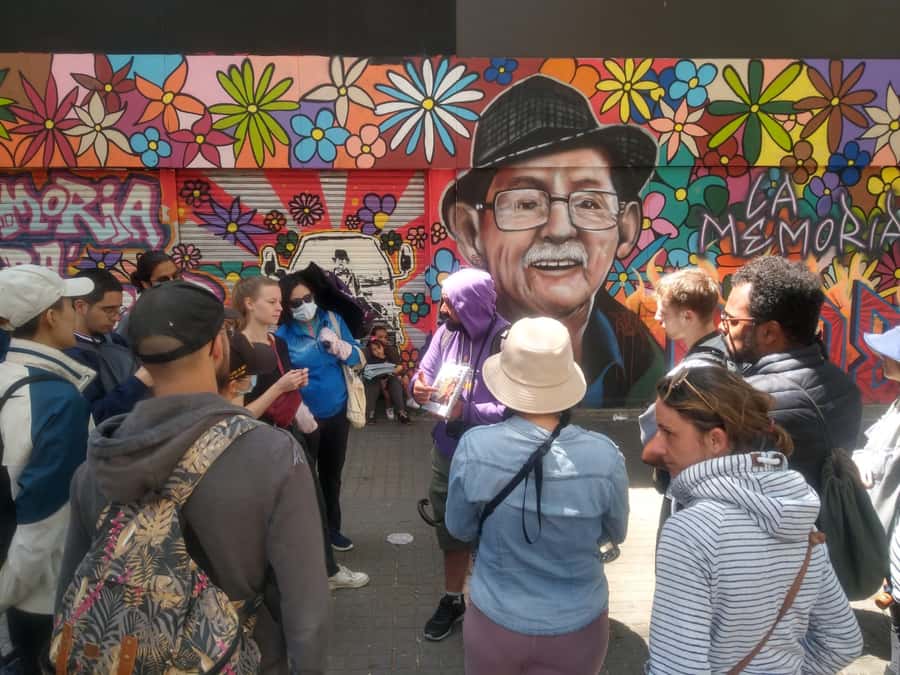
- See Colombia’s tallest illegal graffiti and learn how scale changes the message
- Track political posters and social-issue murals that react to what’s happening right now
- Understand community resilience after removal cycles, including talk about false positives
- Get technique plus context from English-speaking guides who are also artists/promoters
- Choose shared or private/small-group formats for a pacing that fits your travel style
Why Bogotá’s graffiti reads like real news
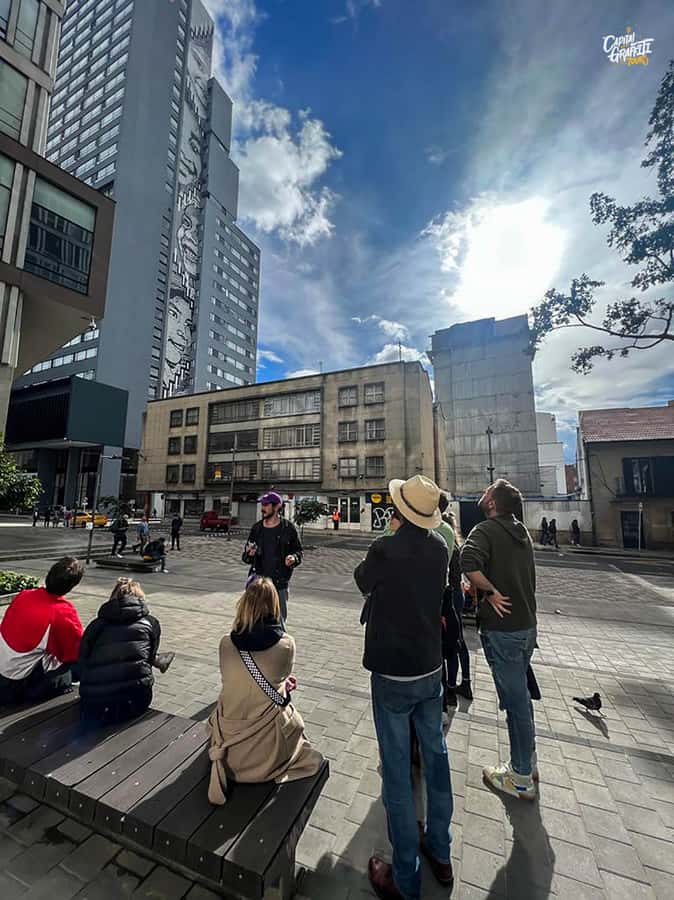
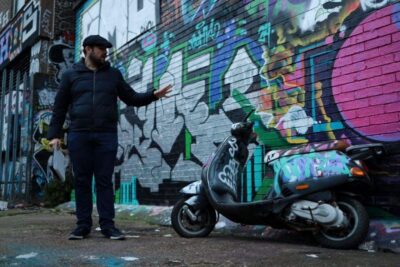
Bogotá’s street art doesn’t sit in a museum box. It talks back. On this walk, you’ll connect murals and posters to the city’s bigger story—its complex past, the present peace process, and its push toward a better future.
The key here is the guide’s framing. Instead of treating the walls like random decoration, you’ll learn how artists use symbols, style, and placement to shape public conversation. If you care about understanding a place beyond postcard views, this is the kind of tour that makes the city’s politics feel grounded and human.
And yes, this is still fun. Graffiti tours can be heavy, but you’ll be walking through an open-air gallery where creativity is the point. The energy isn’t grim; it’s persuasive.
You can also read our reviews of more tours and experiences in Bogota.
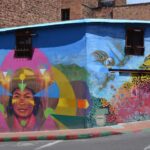
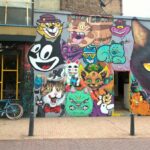
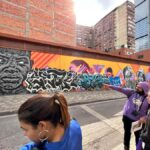
Starting at the Gold Museum: where the tour begins
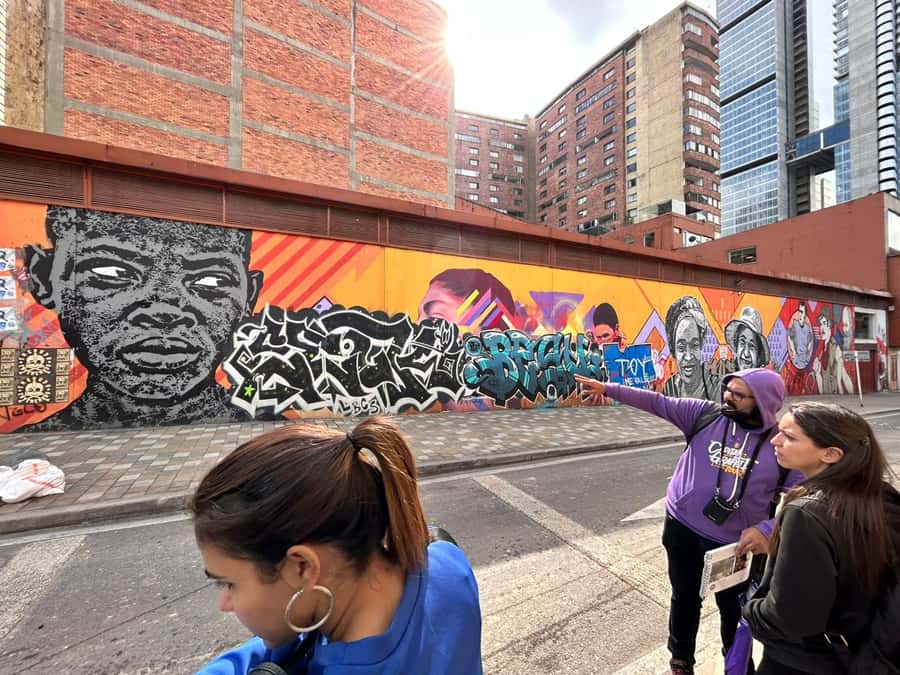
You’ll meet next to the Gold Museum at Carrera 6 # 15-88. Look for a guide wearing a Purple Hoodie, Cap, or Umbrella—that’s your fastest way to identify the right group.
Practical note: the tour states valuables aren’t allowed. That means you should plan to carry only what you need (think phone, basic wallet, and maybe a camera). If you’re traveling with extra gear, keep it out of reach and simple.
Also, the experience runs 150 minutes, so you’re committing to a proper chunk of outdoor time. Plan clothing that works for a street walk and bring layers if you tend to run cold or warm.
The stop built around Colombia’s tallest illegal graffiti
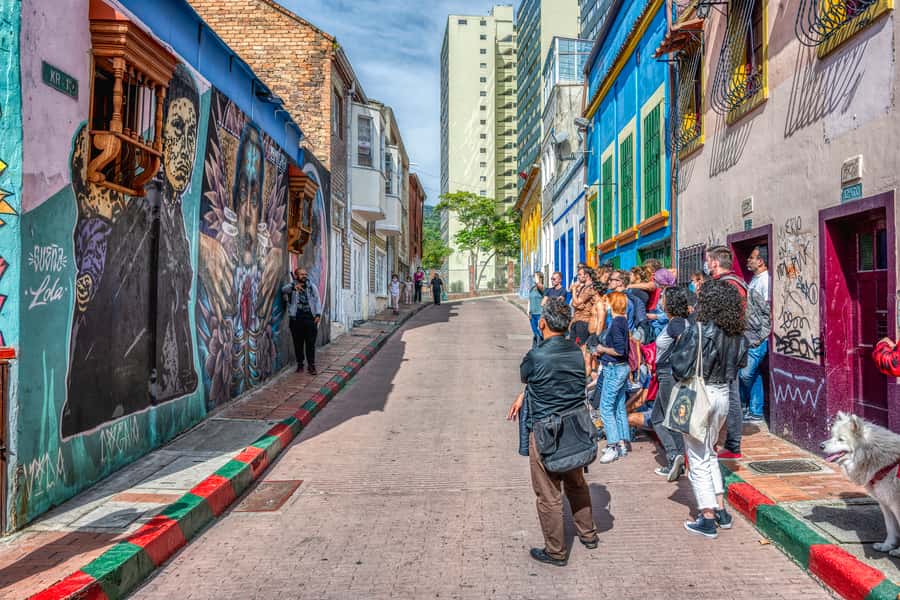
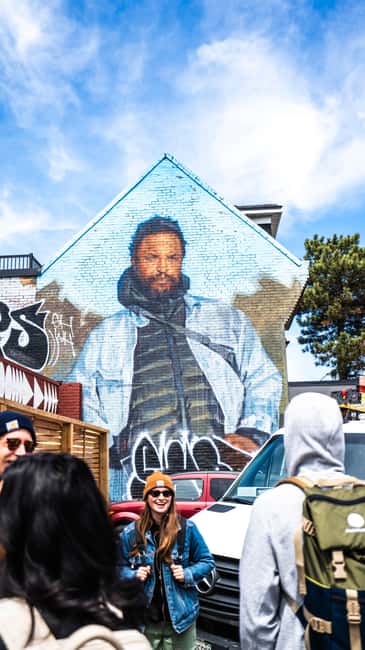
One of the most specific promises in this tour is that you’ll witness the tallest illegal graffiti in the country. That’s not a vague claim—this is the kind of landmark that changes how you look at illegal art.
When you see something that big, the “illegal” part stops being a footnote. The guide’s job is to help you understand how artists and communities negotiate attention: scale, location, and visual impact can be a way to force a message into public view.
What to watch for as you arrive:
- How the piece is composed so it can be read from different angles
- Any recurring symbols or lettering choices that anchor the meaning
- How the surrounding walls and nearby posters shape the overall conversation
A small consideration: if you’re expecting street art that looks polished like gallery work, illegal murals often prioritize urgency over smooth perfection. That’s part of the point. The guide will help you read it as a choice, not a flaw.
Political posters and social-issue walls you’ll be asked to interpret
Another core part of this walk is exploring an area with political posters addressing current social issues. This is where the tour stops being about visual style and starts being about civic messaging.
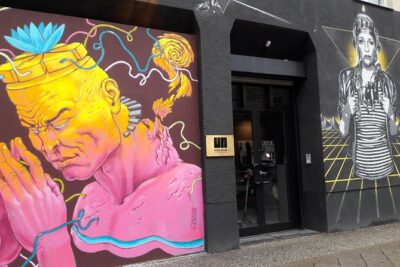
Political street art works differently than politics on TV. It compresses complex arguments into images and slogans you can absorb in seconds. The value on this tour is that the guide connects those images to context—what they’re responding to, why they appear where they do, and how they reflect the city’s shifting conversations.
As you move through this section, slow down for a minute. Look at:
- What the poster wants you to notice first (headline, face, symbol, color)
- Whether the artwork references ongoing debates or social struggles
- How neighboring graffiti and posters might support or contradict each other
If you’re traveling with someone who hates politics, this is the section where they’ll either tune out or finally understand why street art matters. The tour’s guidance is what makes it readable instead of overwhelming.
False positives and community resilience: what happens after removal
The tour highlights the resilience of the community in the face of false positives. That phrase matters. It suggests a reality where authorities or outsiders may misinterpret street art—then the art gets targeted, removed, or judged without understanding intent.
Even without getting lost in technical legal details, you’ll see how the community responds. Street art like this can be cyclical: painted, covered, removed, repainted. The resilience is the human part—people returning to the wall because the message is still needed.
This is also where the tour’s respectful tone shows. When art is treated as damage by default, it can be easy to look away. Here, you’re encouraged to see what’s behind it: voices, histories, and ongoing debates.
The practical takeaway for you: don’t treat graffiti like you can touch it, take it, or pose on top of it. View it. Ask questions through the guide. Let it be public art, not a prop.
The guide system: artists explaining art without turning it into trivia
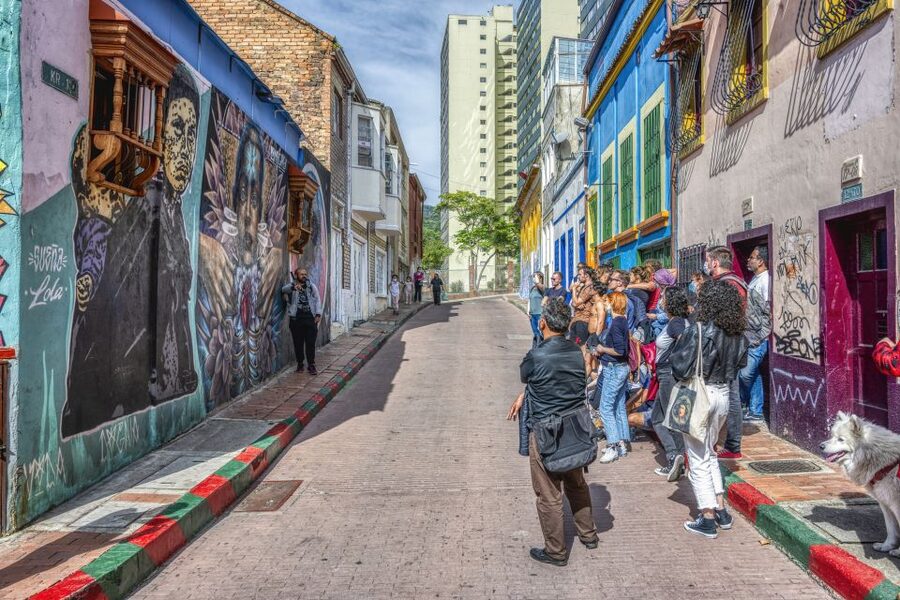
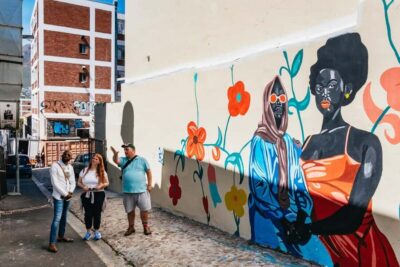
What sets Capital Graffiti Tours apart is the idea that the guides are not only tour leaders—they’re also artists and promoters. That matters because you’ll get explanations that connect technique to meaning.
The tour description says you’ll learn about a diverse range of artists and their techniques, including where they draw inspiration from. Then comes the big difference from a basic photo-walk: you also receive the political, cultural, historical, and geographical context needed to appreciate what you’re seeing.
For you, this means less time memorizing dates and more time learning how to “read” a wall:
- Style as a message, not just decoration
- Lettering and color choices as storytelling
- Placement as strategy—what the artist wants to interrupt or emphasize
Language support is also strong. The live tour guide is listed in English, Spanish, Italian, French, and German, which makes it easier to follow the story even if politics isn’t your main travel interest.
Social impact that doesn’t feel like a marketing gimmick
This is one of the tour’s best points, and it’s surprisingly concrete. The tour emphasizes that it reinvests in the financing and management of new murals that continue to transform the urban landscape.
In plain terms: the guides aren’t treating street art only as a ticketed experience. They’re linking tourism to continued mural work. When you care about value, this matters because you’re more likely to support living, local creativity rather than just paying for a photo opportunity.
You’ll also notice how close the tour is to local artistic leadership. The tour description says they collaborate with local artists and community leaders, and that the tour is designed as a pedagogical and cultural experience, not simply sightseeing.
Price and value: what $15 actually means here
The price is listed as $15 per person, and the tour includes experienced guides and exploration across multiple street art and graffiti locations. For a 150-minute guided experience with context-heavy storytelling, that’s a reasonable price point—especially since the emphasis is on learning and social impact rather than just walking and pointing.
There’s also a helpful detail about the shared option. If you choose shared, the amount you pay per person equals what they suggest to tip the guides and cover their work (minus the commission). At the end of the tour, the description says you don’t have to pay anything extra—even if other travelers tip.
What to consider: the shared format means you’ll be paired with other travelers, which can affect the pace. If you want quieter conversation time, private or small groups are available.
What to do before you meet: smart prep for a political art walk
Because valuables aren’t allowed, make your day simple. Bring only what you need for photos and note-taking. If you have a big bag, you may want to leave it behind rather than dragging it around.
I’d also suggest you come ready to ask questions. This kind of tour rewards curiosity. If you’re not sure what something means, the guide’s job is to give you the political and historical context so you’re not stuck guessing.
Finally, keep your expectations grounded. This isn’t a street art scavenger hunt. It’s a guided interpretation of how Bogotá’s murals function as public messaging.
Who this tour suits best (and who should skip it)
You’ll probably enjoy this tour if you:
- Want street art with context, not just visuals
- Like political or social themes, and you don’t mind thinking while you walk
- Want an experience tied to local artists and community resilience
- Prefer a guided explanation in multiple languages
You might not enjoy it as much if:
- You want only light, non-political sightseeing
- You get uncomfortable with social-issue imagery
- You’re traveling with lots of valuables you don’t want to manage during an outdoor walk
If you’re on a short trip to Bogotá and want the walls to teach you something real, this is one of the more meaningful ways to spend 150 minutes.
Should you book Capital Graffiti Tours?
I think this is a smart booking if you care about street art as communication. The tour is built around three specific strengths: Colombia’s tallest illegal graffiti, political posters tied to current social issues, and a focus on community resilience when art gets misjudged or removed.
Book it if you want to understand Bogotá’s identity through the city’s public artwork, and if you like guides who connect technique with political and cultural context. Skip it if you need a calm, neutral walk or if you’re not comfortable with the political side of murals.
FAQ
FAQ
Where is the meeting point for the graffiti tour?
You’ll meet next to the Gold Museum at Carrera 6 # 15-88 in Bogotá.
What should I look for when I arrive?
Look for your guide wearing a purple hoodie, cap, or umbrella.
How long is the graffiti tour?
The tour duration is 150 minutes.
How much does the tour cost?
The price is listed as $15 per person.
What will I see during the tour?
You’ll visit multiple street art and graffiti locations, including the tallest illegal graffiti in the country, an area with political posters about current social issues, and parts focused on community resilience in the face of false positives.
What languages are available for the live guide?
The live tour guide is available in English, Spanish, Italian, French, and German.
Is the tour wheelchair accessible?
Yes, the tour is listed as wheelchair accessible.
Are private or small groups available?
Yes, the tour offers private or small groups.
Can I pay later or cancel?
The tour offers reserve now & pay later, and free cancellation is available up to 24 hours in advance for a full refund.