REVIEW · TORONTO
Toronto: Must Do NonTouristy Street Art Tour by local Artist
Book on GetYourGuide →Run by Spade & Palacio Non-Touristy Tours · Bookable on GetYourGuide
Street art in Toronto feels easier once someone points. This 2-hour, $8 walking tour sends you into the non-touristy streets around College West and Dundas West, where I love the small-group local guide focus and the hands-on explanation of techniques like wheat paste, yarn bombing, stickers, and graffiti. One heads-up: it’s a lot of outdoor walking, so you’ll want comfy shoes and a plan for heat or cold.
The best part is that you don’t just see art—you learn how to read it, from meaning to methods, like what goes into a mural versus a quick street installation. Meet your guide at 1430 Dundas St W (outside the Loveless Café & Bar, on the sidewalk), and expect a zigzag route through alleys and side streets that feels like an outdoor gallery. The only drawback is the “check first” note on mobility: the info says wheelchair accessible, but it also says it’s not suitable for wheelchair users, so I’d ask directly if that’s your situation.
In This Review
- Quick Takeaways
- Why Dundas West Street Art Feels Different Than the Usual Stops
- Meeting at Loveless Café & Bar: The One Detail That Prevents Confusion
- The Route: A Zigzag Walk That Actually Helps You See More
- College West and Dundas West: How an Art Corridor Forms Over Time
- What You’ll Spot: Wheat Paste, Yarn Bombing, Stickers, and Graffiti
- The Guide Factor: Technique, Meaning, and the Q&A That Actually Lands
- Little Portugal Pairing: Art Meets Food and Night Options
- Price and Value: How $8 Works When You Pay for a Local Artist
- Comfort, Weather, and Footwear: Your Real Checklist
- Who Should Book This Street Art Walk (And Who Should Reconsider)
- Should You Book Spade & Palacio’s Dundas West Street Art Tour?
- FAQ
- How long is the Toronto street art tour?
- How much does it cost?
- Where is the meeting point?
- Is there public transit nearby?
- What’s included in the tour price?
- What should I bring?
- What’s not allowed during the tour?
- What language is the tour guided in?
- How big is the group?
Quick Takeaways
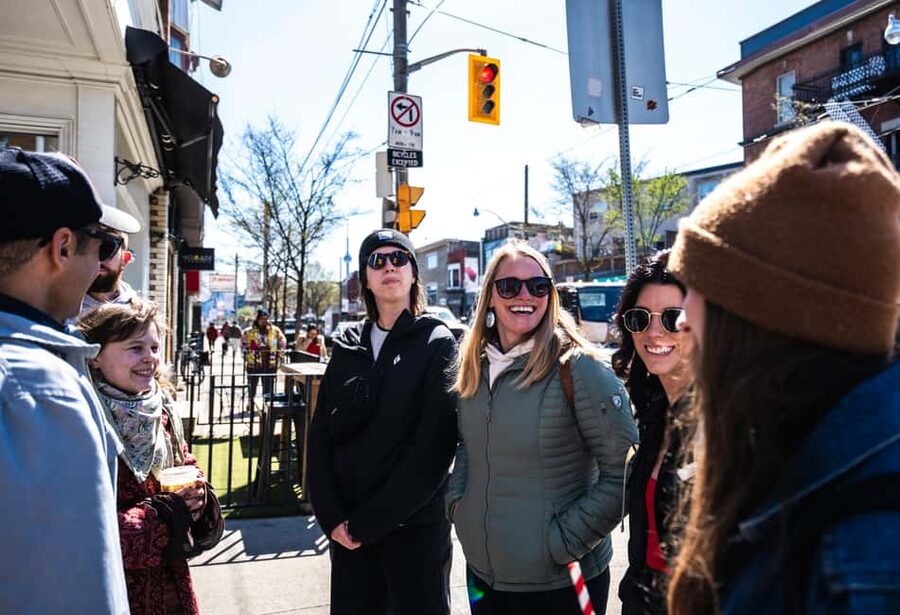
- Start at Loveless Café & Bar (1430 Dundas St W) on the Gladstone/Dufferin corner, not inside.
- Small group, limited to 10 people, which keeps the Q&A focused on the art.
- College West + Dundas West urban art corridor is the main stage, from murals to tiny hidden installs.
- Street-artist explanations cover technique and meaning, with a tour style that stays honest and practical.
- You leave with a recommendations cheat sheet for restaurants, bars, and galleries in the area.
Why Dundas West Street Art Feels Different Than the Usual Stops
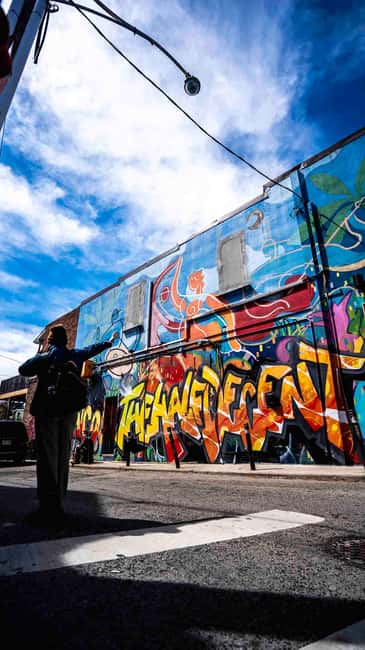
Toronto’s street art scene isn’t stuck in one famous block. On this walk, you get the sense of how the city’s art moves with its neighborhoods—especially around Dundas West, which has developed into an urban art corridor over time.
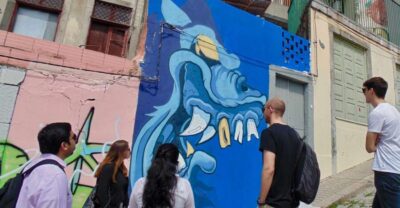
I like that the tour doesn’t treat murals like museum pieces. You’ll see everything from small, almost-accidental-looking installations to larger painted works, and you’ll hear what those choices do. A huge mural can work like a billboard, but a smaller paste-up or sticker can feel more personal—like it’s talking to people who slow down.
The whole point is to help you look smarter after the tour. When you learn the basics of technique and intent, you start spotting details on your own: edges, textures, layering, and how the artist chooses a specific wall or spot.
You can also read our reviews of more tours and experiences in Toronto.

Meeting at Loveless Café & Bar: The One Detail That Prevents Confusion
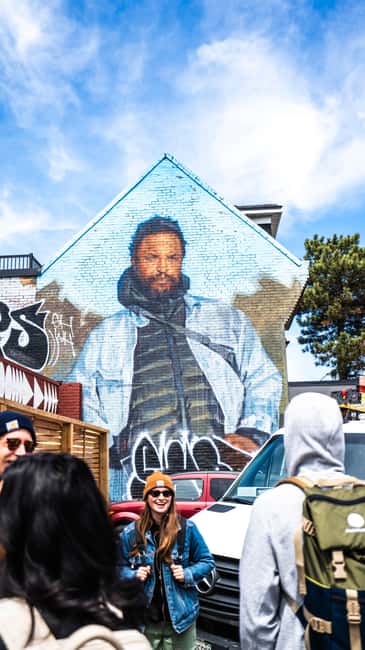
Plan to meet at 1430 Dundas St W, directly in front of the Loveless Café & Bar, at the Gladstone/Dufferin intersection. The important part is simple: the tour starts on the sidewalk at the address, not inside the bar.
If you like easy transit, you’ve got options right near the corner. There’s a Dundas West streetcar stop at the intersection. If you’re using the subway, the Green line (2) to Dufferin station works, then it’s about a 12-minute walk to the meeting spot.
This matters because the tour is only two hours. You don’t want to waste time hunting for the group or the right doorway.
The Route: A Zigzag Walk That Actually Helps You See More
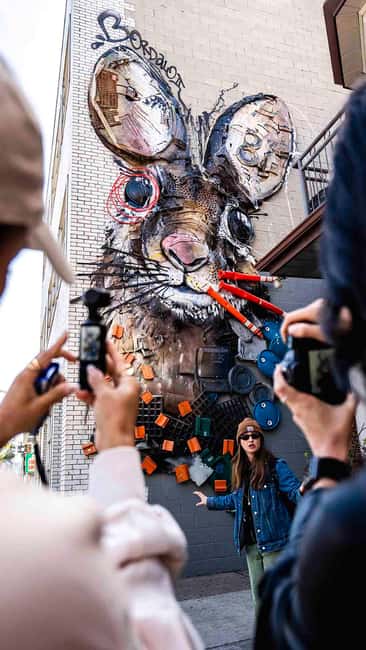
This is structured like a guided wandering tour, not a bus-and-pause schedule. You’ll start at Loveless, then the route moves through College West and into Little Portugal, with a zigzag pattern through streets and alleys.
Here’s what that means for you on the ground:
- The walk style keeps your attention on the artwork, not on crossing wide roads.
- Alleys and side streets often hold the quieter pieces—the ones you’d miss if you only followed the big avenues.
- Short stops prevent the tour from dragging. You get pauses to look closely, then you move before you get numb to the visuals.
The timeline is built for flow. You’ll have a first visit right after starting, then time walking through Little Portugal, followed by additional stops. Near the end, you’ll get more looking time plus some more movement so the final stretch doesn’t feel like a repeat.
And yes, it’s outdoor. Bring water in summer. In winter, dress like a Canadian—meaning you plan for actual cold, not just a light jacket.
College West and Dundas West: How an Art Corridor Forms Over Time
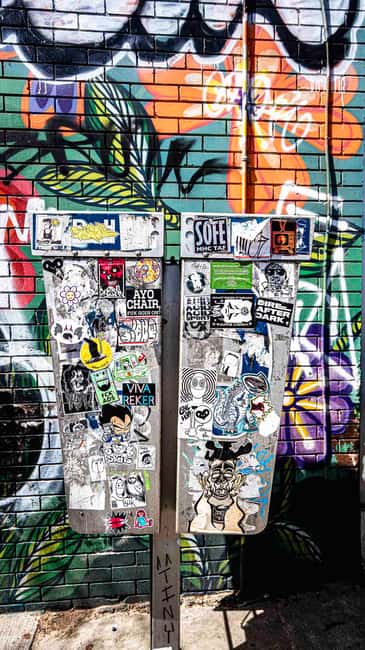
This tour is about more than present-day murals. You’ll hear why Dundas West became a major street art corridor, and you’ll learn the mix of forces behind it.
The neighborhood’s evolution is tied to:
- municipal and non-profit organizations,
- private sponsors,
- and guerrilla art—work that appears without permission and changes the look of a block quickly.
That context is valuable because it explains the variety you’ll see. Some pieces feel planned and long-lasting. Others feel fast, reactive, and tied to street culture. When you understand that, you stop judging works by a single standard. You start seeing street art as a system: people, funding, community pressure, and the artist’s own timing.
What You’ll Spot: Wheat Paste, Yarn Bombing, Stickers, and Graffiti
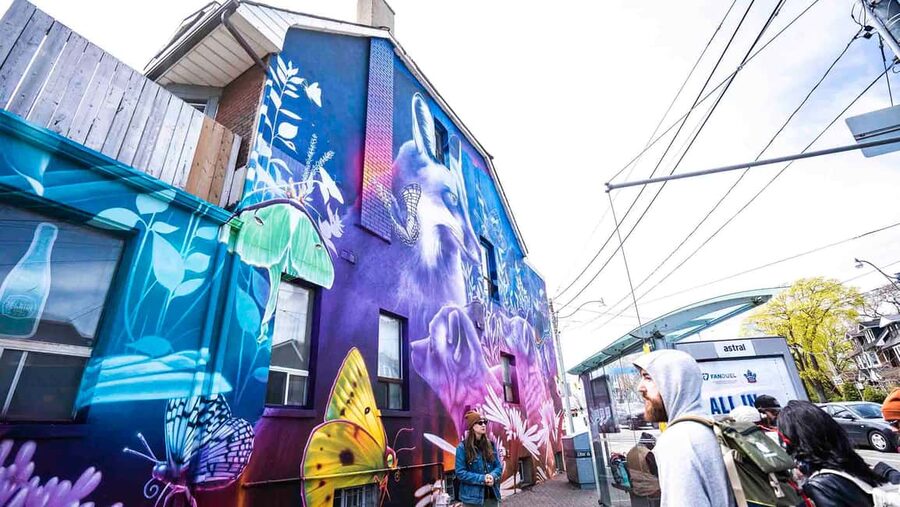
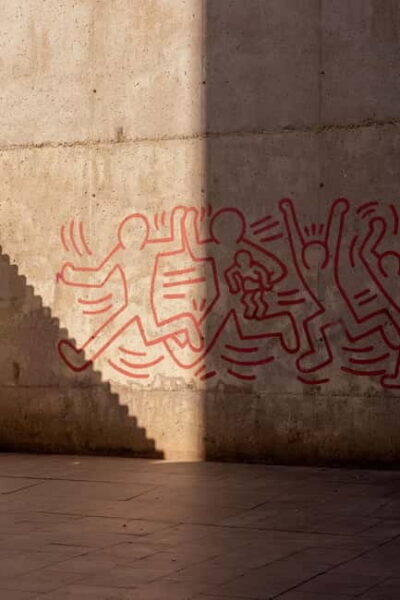
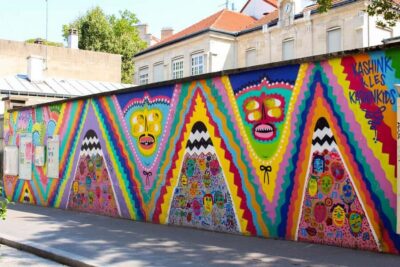
Toronto street art isn’t one style. The tour intentionally shows contrast, so you don’t leave thinking it’s all the same kind of big mural.
You can expect to see examples in categories like:
- wheat pastes (paper art that can look layered and graphic),
- yarn bombing (soft, handmade texture that stands out fast),
- sticker art (small, often repeated imagery with a street-culture vibe),
- more classic painted techniques and graffiti.
What I’d focus on as you walk: look at how each technique changes the relationship between art and viewer. Pastes and stickers often feel like messages you stumble onto. Yarn can read like a playful interruption in the everyday. Murals tend to reshape a street’s identity.
Your guide will help you notice those differences. It’s not just a visual scavenger hunt. It’s learning what the method does to the message.
The Guide Factor: Technique, Meaning, and the Q&A That Actually Lands
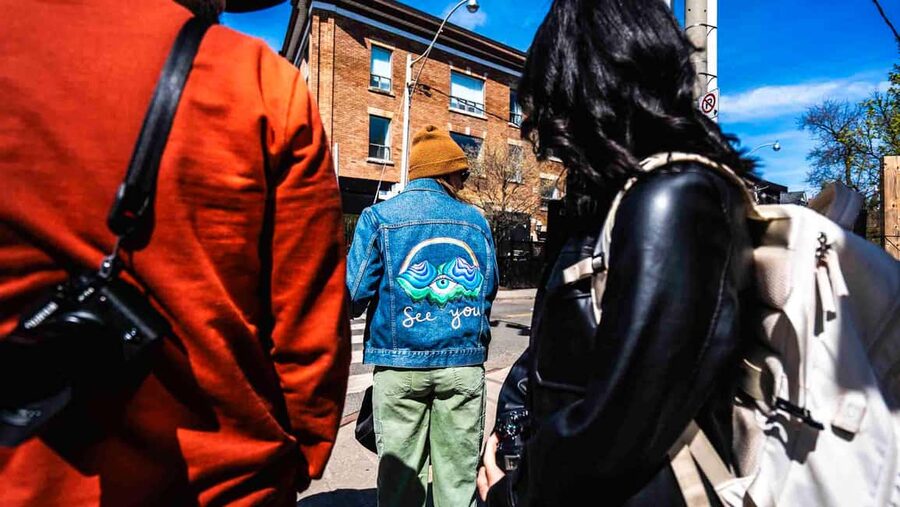
The strongest praise for this tour is about the guide’s ability to make the art click. The explanations are tied to technique and meaning, not just general commentary.
If your guide is Chloe, you’re in good hands. Reviews consistently highlight her as an artist who can teach, answer questions patiently, and speak with honesty about what’s happening in the street art world. You’ll also hear graffiti lingo explained in plain language, so you don’t need to already know the terminology.
I like that the tour is interactive in a real way. You’re not stuck listening the whole time. You’ll stop, look, ask, and get specific answers—like why an artist might choose a particular wall or why some pieces feel more symbolic than decorative.
And you get practical extras too: a recommendations cheat sheet that makes the tour useful after you leave, not just during the walk.
Little Portugal Pairing: Art Meets Food and Night Options
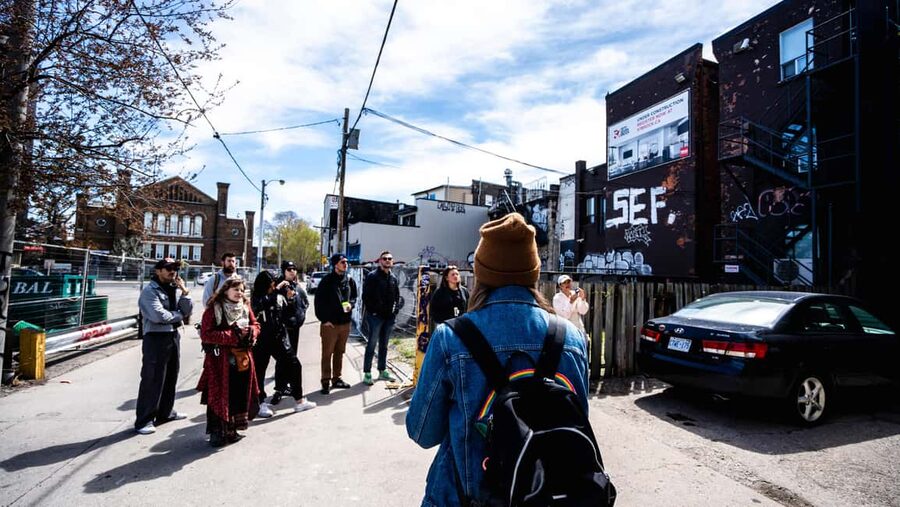
One of the smart touches here is the Little Portugal segment. It keeps the tour tied to real neighborhoods, not just art walls in isolation.
On top of that, the guide hands you recommendations for:
- restaurants,
- bars,
- and galleries,
so you can turn the walk into a half-day plan. This is where the “insider” part helps you travel smarter. You’re not guessing what’s good nearby; you’re choosing from a list built for this area.
From feedback, one restaurant that shows up in people’s post-tour plans is Martines—and that’s the kind of detail that matters because it saves you time when you’re hungry and making decisions on your feet.
Price and Value: How $8 Works When You Pay for a Local Artist
At $8 per person for a two-hour guided street art walk, the value is hard to beat—if you show up ready to engage. You’re paying for:
- a local artist-led tour,
- small-group attention (limited to 10),
- technique and meaning guidance,
- and a personalized cheat sheet for where to go next.
In a city where many paid experiences charge a lot for less content, this is one of those deals that feels like you’re paying for education, not just entertainment. The small group piece is key. Bigger groups mean less time to ask real questions and learn how to look.
If you’re the type who likes to wander but also wants context, this price makes it easy to justify—even for a short Toronto stay.
Comfort, Weather, and Footwear: Your Real Checklist
This is a walking tour. That sounds obvious, but it’s the difference between a good day and a miserable one.
Bring:
- comfortable walking shoes (you’ll be on sidewalks and through street-level spots),
- a camera (for capturing paste textures, sticker layers, and murals),
- and water, especially in summer.
Also, follow the behavior rules: no smoking, no alcohol or drugs, and no littering. It’s not just etiquette; it keeps the tone respectful in residential streets.
On timing: it’s two hours, so you’ll want to start the tour with enough time afterward for food and a bit of self-guided exploring. The tour is designed so you can keep the art hunt going on your own afterward using the recommendations list.
Who Should Book This Street Art Walk (And Who Should Reconsider)
This tour is best for you if:
- you enjoy street art and want to understand the “how” and “why,”
- you like neighborhood walking more than museum-style attractions,
- you’re curious about techniques beyond one visual style,
- and you want practical ideas for where to eat and drink nearby.
It may be less ideal if:
- you struggle with sustained walking, uneven sidewalks, or lots of outdoor time,
- or you use a wheelchair.
Here’s the tricky part: the info you’ll be given includes wheelchair accessible, but it also states it’s not suitable for wheelchair users. That contradiction is enough that I’d contact the operator directly before booking if mobility is a concern.
Should You Book Spade & Palacio’s Dundas West Street Art Tour?
If you want Toronto street art without the tourist trail, I think this is a smart booking. The mix of small-group local street artist guidance, varied techniques you can actually recognize, and the leave-with-a-plan cheat sheet makes it more useful than many standard “look at the murals” walks.
Book it if you’re ready to slow down, look closely, and ask questions. Skip it if you want a quick photo stop with minimal walking or if mobility needs make outdoor sidewalk travel hard.
FAQ
How long is the Toronto street art tour?
It lasts 2 hours.
How much does it cost?
The price listed is $8 per person.
Where is the meeting point?
Meet at 1430 Dundas St W, in front of the Loveless Café & Bar, on the sidewalk at the Gladstone/Dufferin intersection (not inside the bar).
Is there public transit nearby?
Yes. A Dundas West streetcar stop is on the corner. You can also take the subway Green line (2) to Dufferin station, then walk about 12 minutes.
What’s included in the tour price?
You get a guided tour by a local street artist plus recommendations for restaurants, bars, and galleries, along with a deeper understanding of the street art scene.
What should I bring?
Bring comfortable shoes and a camera. In warmer weather, bring water.
What’s not allowed during the tour?
The tour rules say no smoking, no alcohol or drugs, and no littering.
What language is the tour guided in?
The tour is guided in English.
How big is the group?
It’s a small group, limited to 10 participants.