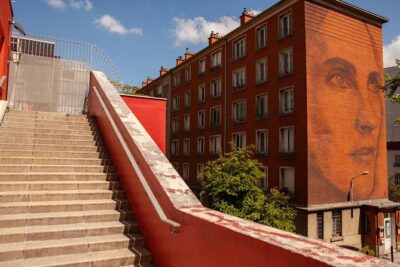
Rome’s walls tell better stories than guidebooks. This Street Art Tour of Rome pairs two standout neighborhoods, Garbatella and Tor Marancia, with clear explanations of how murals shape the city’s modern identity. I love how the route mixes street art and real neighborhood life, and I like that the guide connects the work you’re seeing to the wider contemporary Rome art scene.
My other favorite part is the pace: 2 hours 45 minutes gives you time to stop, photograph, and understand what you’re looking at without feeling rushed. The main drawback to consider is that this experience depends on good weather, and one past review includes a start-time mix-up at the meeting spot—so plan to arrive a little early and stay alert the day-of.
If you want Rome that’s not just selfies in front of famous ruins, this tour is a practical way to see art where people actually live—and learn the language to appreciate it as you walk.
In This Review
- Key things I’d bet on before you book
- Street art in Rome: why this route matters
- Price and what you’re really paying for
- Getting there: Via Giacinto Pullino, and how the walk works
- Stop 1: Quartiere Garbatella and the neighborhood behind the murals
- Stop 2: Museo Condominiale di Tor Marancia and Rome’s mural highlight
- The guide experience: Lisa’s style and why it matters
- Practical tips that make the tour more enjoyable
- Who should book this street art walk (and who might skip it)
- Should you book it? My honest take
- FAQ
- How long is the Street Art Tour of Rome?
- How much does the tour cost?
- Where does the tour start?
- Is the tour offered in English?
- What’s included in the tour price?
- Are there admission fees at the stops?
- How large are the groups?
- Do I get a mobile ticket?
- What happens if the weather is bad?
Key things I’d bet on before you book
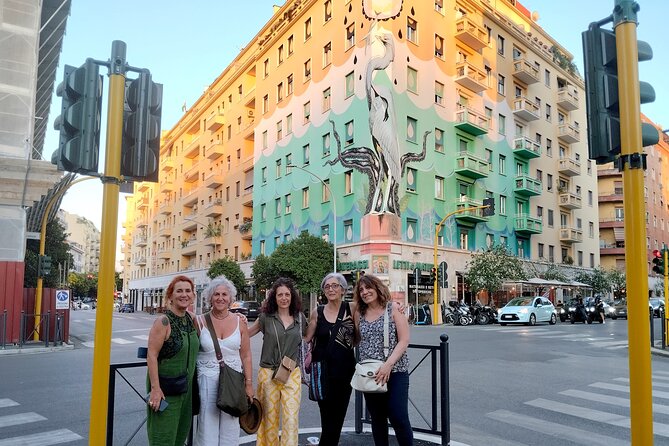
- Two neighborhoods, two street-art styles: Garbatella first, then the Tor Marancia mural scene.
- Mural stories you can actually use: you’ll get context behind the paintings, not just locations.
- Expert local guidance: the guide helps you read art details and local references as you go.
- A clear, photo-friendly route: frequent stops make it easy to pause and frame shots.
- Small group size (max 25): more chance to ask questions and hear explanations.
Street art in Rome: why this route matters
A lot of Rome tours treat street art like decoration. This one treats it like communication. By pairing Garbatella with Tor Marancia, you get a quick comparison of how murals can reflect different corners of the same city—different textures, different voices, different ways artists respond to place.
What I like about this setup is that you’re not just collecting images. You’re learning to notice choices: scale, placement, and how murals talk back to the architecture around them. The tour also covers both well-known artists and up-and-comers, which helps you understand that the street-art scene isn’t stuck in one era.
The reviews also point to a key win: the explanations are the point. People highlighted how the guide connects the murals to neighborhood history and the contemporary reality of these areas, not just the art itself.
You can also read our reviews of more tours and experiences in Rome.

Price and what you’re really paying for
The price is $38.41 per person for about 2 hours 45 minutes with a local expert guide. That’s a fair structure for a walking tour with two focused stops—especially because admission at both stops is listed as free, so you’re not layering extra ticket costs on top.
You’re also getting something intangible but valuable: local context. Paying for a guide here isn’t about saving time. It’s about saving confusion. Street art can look random if you don’t have a key. With a guide explaining what you’re seeing, you leave with a better sense of how murals fit into Rome’s modern culture.
One more practical signal: this tour is often booked around 49 days in advance on average. If you’re traveling in a busy stretch, I’d plan to book early so you can match your schedule to the neighborhoods you want.
Getting there: Via Giacinto Pullino, and how the walk works
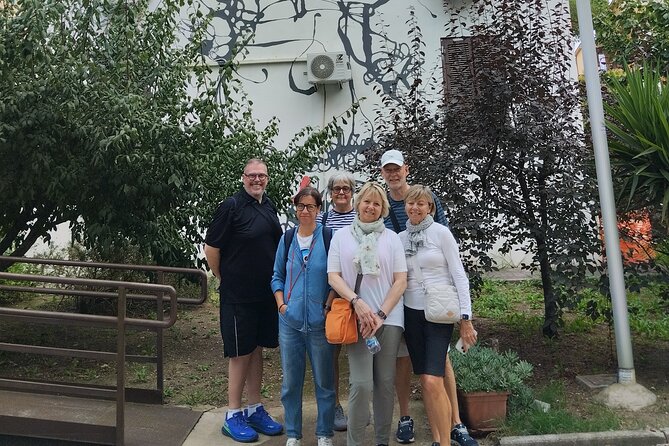
You meet at Via Giacinto Pullino, 103, 00154 Roma RM and the tour ends back at the same meeting point. It’s designed as a walking experience, and the route covers two areas—first about 1 hour 30 minutes in Garbatella, then 1 hour in Tor Marancia.
This is the sort of tour where your comfort matters. Wear shoes you trust on city sidewalks. Bring a light layer if the air cools down in the evening. And bring your camera because you’ll have time to stop and photograph murals, not just glance and move on.
The good news: it’s near public transportation. That makes it easier to slot into a day without building your schedule around a complicated transfer. Also, service animals are allowed, and most people can participate.
Stop 1: Quartiere Garbatella and the neighborhood behind the murals
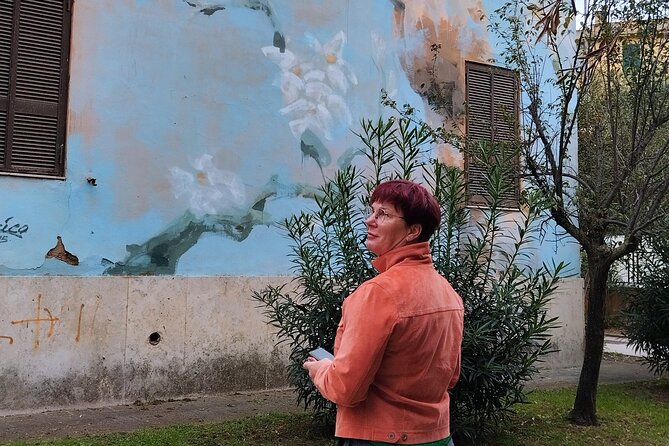
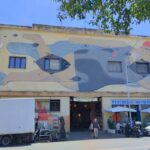
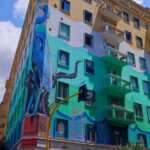
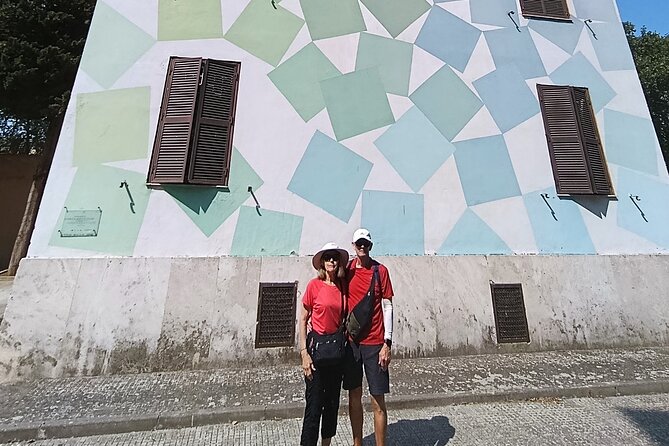
Your first stop is Quartiere Garbatella, where you’ll admire and photograph street art alongside the area’s architecture. This part of the tour lasts about 1 hour 30 minutes, which is plenty of time to slow down and actually look.
Here’s what makes Garbatella a smart starting point. You’re learning how to read street art in context, not in isolation. The guide shares stories behind murals and connects them to contemporary history in Rome—so you’re building a lens as you walk. That helps when you move to the next neighborhood, because you already know what kinds of details to watch for.
A practical tip: treat this as your “warm-up.” If you’re the kind of person who tends to miss background details, focus on one mural at a time. Look at the surrounding buildings and ask yourself what the artist might be responding to—shape, placement, or the neighborhood vibe. The tour’s structure supports that, with time to pause and reflect.
In the reviews, people praised how the guide explained differences in style between the two neighborhoods. Starting in Garbatella first makes that comparison easier to catch.
Stop 2: Museo Condominiale di Tor Marancia and Rome’s mural highlight
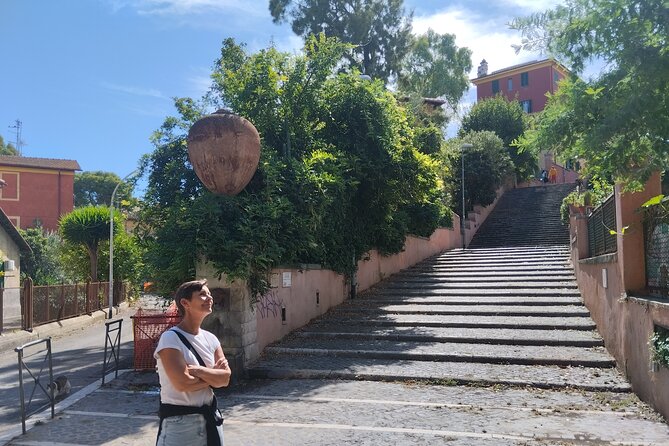
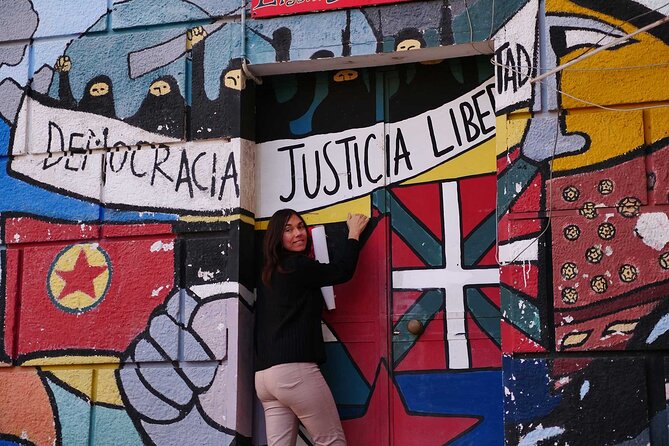
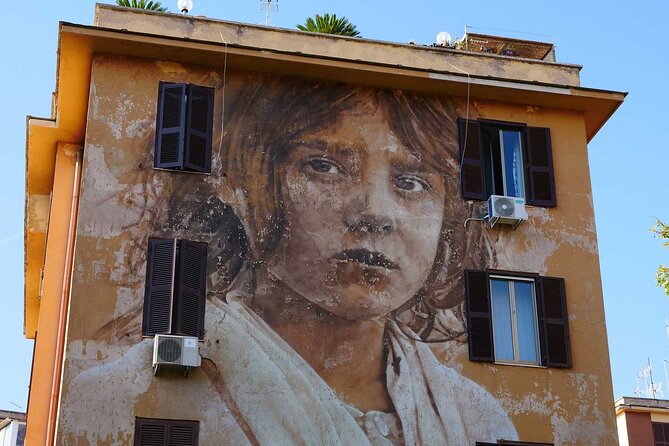
Next comes the Museo Condominiale di Tor Marancia, a stop that’s described as the highlight of Rome’s street art scene. You’ll spend about 1 hour here, focused on the stunning murals in the Tor Marancia neighborhood.
Tor Marancia is where the street-art experience turns up the volume. You’re in a concentrated setting where the murals play a bigger role in how the neighborhood feels. Expect to spend your time looking closely—how the walls are used, how the murals connect to the spaces around them, and what themes repeat.
The big value of this stop is the guided interpretation. Street art can be powerful, but it’s also easy to misread. With the guide’s help, you’ll understand what’s being referenced and why it matters in today’s Rome art scene.
If you like contrasts, this pairing works well. Garbatella sets your expectations for how murals can relate to neighborhood life. Tor Marancia shows you how far that idea can go in a dedicated mural space.
The guide experience: Lisa’s style and why it matters
A name came up clearly in the reviews: Lisa. People singled out her professionalism and her kindness, and they especially liked her explanations of the history and styles in the two different neighborhoods.
One review mentioned how Lisa even handled a real-life problem during the tour. The participant needed help getting a taxi and Lisa stayed with them until it arrived. That kind of care isn’t guaranteed in every tour, so it’s worth noting as a sign of how seriously the guide takes the experience.
Another helpful detail from the reviews: there were small thoughtful touches along the way, including coffee and friendly tips. That fits the tour’s overall tone—educational, but not stiff. You’re walking, learning, and enjoying the neighborhood at the same time.
Bottom line: the guide makes the difference between seeing murals and understanding why they exist.
Practical tips that make the tour more enjoyable
This tour has a few simple realities, and planning around them will improve your day.
- Bring water, but don’t stress: bottled water isn’t included, and the tour notes that you can refill from drinking fountains around Rome. Bring a refillable bottle.
- Check the weather: the experience requires good weather. If conditions are poor, you’ll be offered another date or a full refund.
- Expect a guided walking rhythm: it’s not a sit-and-watch tour. You’ll be moving between stops while stopping to photograph and listen.
- Plan for time at the start: because one review described a meeting-point issue, I’d arrive a little early so you’re not standing around when others are starting.
Also, since the tour is in English and the group size maxes at 25, you’ll likely get a chance to ask questions—especially if you show curiosity about the murals you’re seeing.
Who should book this street art walk (and who might skip it)
This tour is a strong match if you:
- enjoy street art and want context, not just pictures
- want to see contemporary Rome through the lens of murals
- like walking neighborhoods that most big sightseeing crowds miss
- appreciate comparisons, since the tour intentionally moves between two mural-rich areas
You might skip it if:
- you want only major landmarks and monument photos
- you’re in a rush and don’t want a guided walking schedule
- weather could be unpredictable for your dates, since the tour depends on good conditions
Should you book it? My honest take
I’d book this if your idea of a great Rome day includes art you can read and neighborhoods you can feel. The value equation is solid: the guide work is the core product, the stops involve street art with free admission, and the timing (2h45 total) fits well into a sightseeing mix.
If you’re the cautious type, do one thing: arrive early at Via Giacinto Pullino, 103 and keep an eye on the day-of schedule. Based on the reviews, the guide support can be excellent—Lisa’s care stood out—but you still want to protect yourself from start-time confusion.
For the kind of person who loves learning as they walk, this is a smart, memorable choice.
FAQ
How long is the Street Art Tour of Rome?
It runs for about 2 hours 45 minutes (approx.).
How much does the tour cost?
The price is $38.41 per person.
Where does the tour start?
The meeting point is Via Giacinto Pullino, 103, 00154 Roma RM, Italy.
Is the tour offered in English?
Yes, it’s offered in English.
What’s included in the tour price?
It includes a walking tour with an expert local guide.
Are there admission fees at the stops?
Admission tickets are listed as free for both stop locations.
How large are the groups?
The maximum group size is 25 travelers.
Do I get a mobile ticket?
Yes, the tour uses a mobile ticket.
What happens if the weather is bad?
This experience requires good weather. If it’s canceled due to poor weather, you’ll be offered a different date or a full refund.