REVIEW · ROME
Rome: Ostiense Graffiti and Modern Street Art Walking Tour
Book on GetYourGuide →Run by Rome - Tour · Bookable on GetYourGuide
Street art makes Rome industrial again. This Ostiense walk turns graffiti and modern murals into a map of how the neighborhood changed over time, starting at Piramide and ending on the streets where artists keep working.
I especially like two things about this tour: the contrast between ancient and modern right at the start (hello Pyramid of Cestius) and the way the guide helps you read what you’re seeing on the walls. One thing to keep in mind: at this price point, you’ll want a comfortable pace for looking and photos, because some groups feel the walk moves quickly.
If you want a hands-on, street-level Rome that’s not another stop-and-smile postcard route, this is a good fit. Just wear comfortable shoes and be ready for a full 2 hours of walking outside.
In This Review
- Key Things You’ll Notice on This Ostiense Tour
- Starting at Piramide: The Ancient Landmark That Sets the Tone
- Down Via Ostiense: Where Street Art Starts Showing Up Early
- Ostiense’s Industrial Backbone: Gasometer Views and the Working-Class Feel
- Famous Artists on Real Streets: How the Tour Makes Modern Art Make Sense
- Semi-Private Size, Headsets, and Walking Pace
- Price and Value: Is $94 a Good Deal for Ostiense Street Art?
- Practical Tips Before You Go: Shoes, Bags, and Photo Prep
- Who This Tour Works Best For (and Who Might Skip It)
- Should You Book the Rome Ostiense Graffiti and Modern Street Art Walking Tour?
- FAQ
- Where does the tour start?
- How long is the Rome Ostiense Graffiti and Modern Street Art Walking Tour?
- How big are the groups?
- Is the tour in English?
- What’s included in the price?
- What is not included?
- What should I bring?
- Are luggage or large bags allowed?
- Is the tour suitable for wheelchair users or people with mobility impairments?
- What are the main sights I’ll see?
Key Things You’ll Notice on This Ostiense Tour
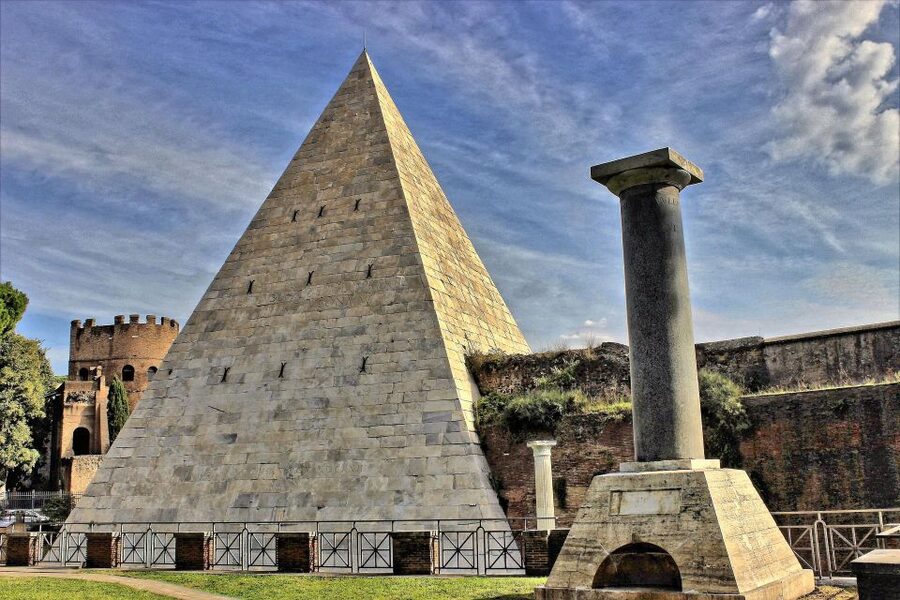
- Pyramid of Cestius at Piramide: A 36-metre marble monolith that anchors the neighborhood’s skyline
- Via Ostiense’s street-art textures: Stickers, wheatpaste posters, and graffiti layers you can spot block by block
- A 1930s gasometer as a landmark: A cylindrical reminder of industrial Rome that locals can see from far away
- Turn-of-the-century buildings repurposed: Factories and working buildings now host apartments, bars, and restaurants
- A guide who explains the art, not just points at it: Expect context, style cues, and what to look for
- Small-group feel: Limited to 10 participants, with headsets if the group is larger
Starting at Piramide: The Ancient Landmark That Sets the Tone
Your tour meets outside the Piramide area, tied to the Egyptian-style pyramid standing by the street. It’s the Pyramid of Cestius, built as a funerary monument by the Roman general Gaius Cestius. This isn’t a small prop for photos. It’s a real landmark: about 36 metres high, covered in white marble.
Why I like this start: it instantly frames Ostiense as more than street art. You’re beginning with Roman Rome, then quickly switching gears to the working-class quarter that grew around industry and shipping. The contrast helps you understand what you’ll see later. Street art here isn’t floating in a tourist bubble—it’s sitting on layers of real neighborhood life.
If you arrive a few minutes early, you can take in the pyramid from different angles and get your bearings before the walking begins. Once you’re moving, the guide’s explanations are more useful because you’re already oriented.
You can also read our reviews of more tours and experiences in Rome.

Down Via Ostiense: Where Street Art Starts Showing Up Early
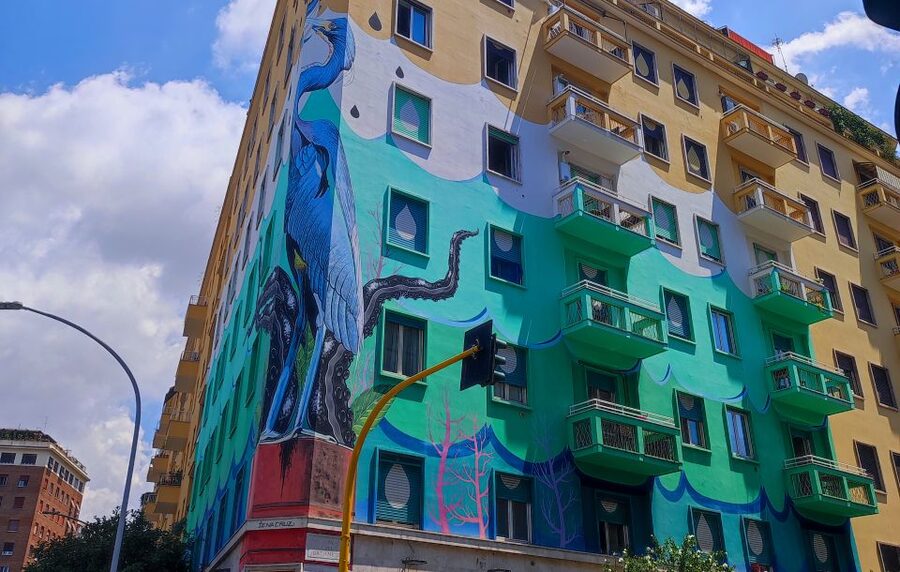
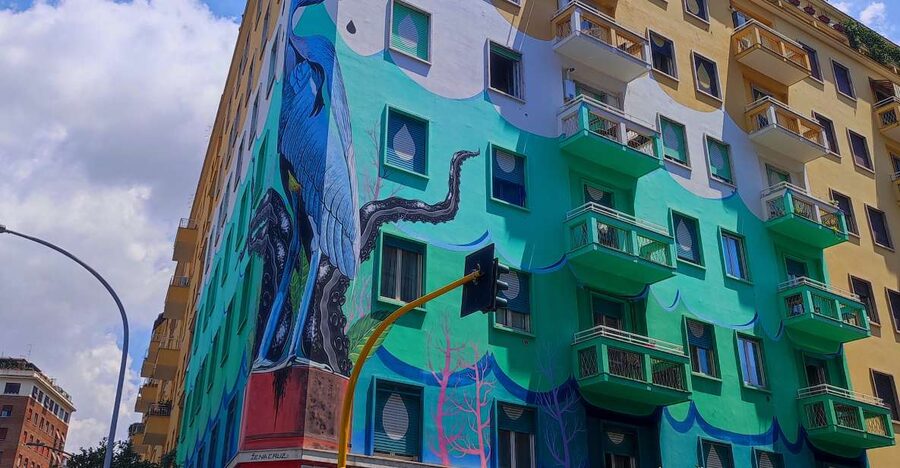
After the pyramid, you’ll walk down Via Ostiense. This street has history under it. Long ago, it was an ancient road stretching toward the sea, linking into the trading world of Ostia. Today, the vibe is modern—shops, bars, apartments—and the wall surfaces start telling stories fast.
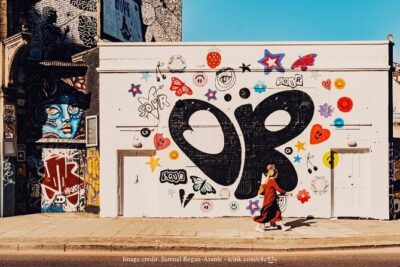
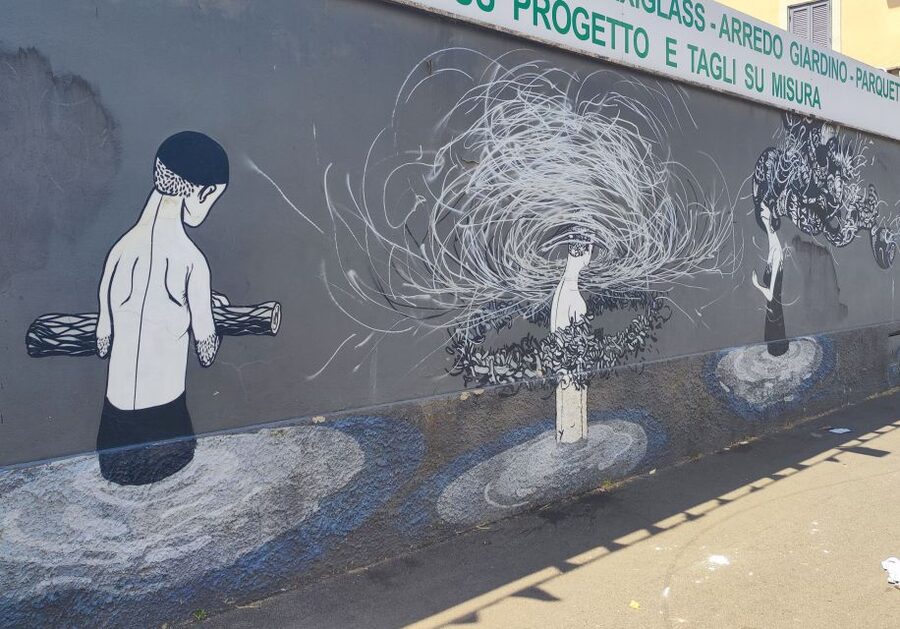
This is where the neighborhood look really clicks. Along Via Ostiense you’ll begin noticing the kinds of street artifacts that define the area: graffiti tags, stickers, and wheatpaste posters. The details matter. Wheatpaste tends to look like it’s been layered and handled—paper edges, taped corners, and ink that fades in spots. Stickers add a shiny or layered effect, like the street is constantly getting new reactions. Graffiti brings bigger shapes, bold colors, and the personality of the artist’s style.
Instead of treating the street art like one big “photo stop,” I like how this segment nudges you to look for patterns: different artist styles, different wall materials, and different reasons a piece might survive or get replaced. Even if you’re not a street-art expert, the guide’s framing helps you make sense of what you’re seeing.
Ostiense’s Industrial Backbone: Gasometer Views and the Working-Class Feel
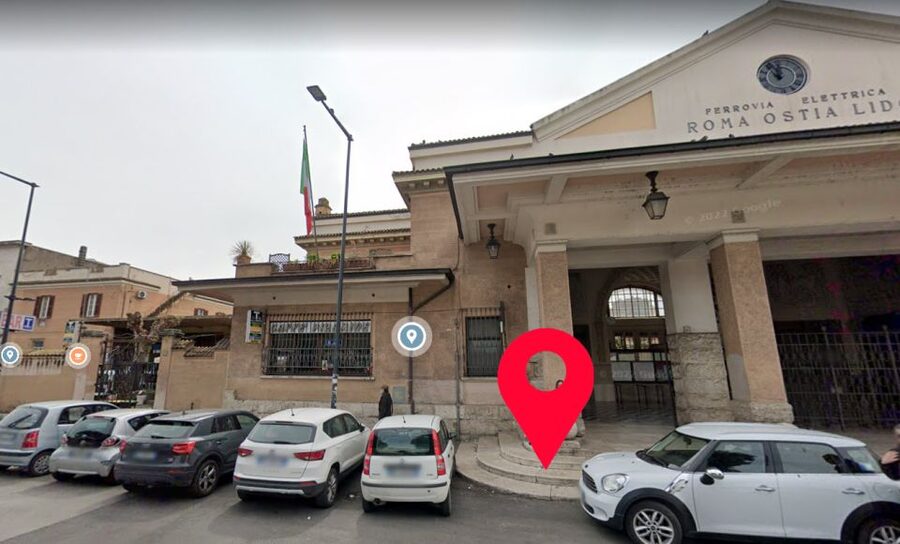
Ostiense didn’t start as a street-art brand. It was a busy industrial area, and the neighborhood still carries that spine. One of the most visible symbols is the large cylindrical gasometer dating from the 1930s. It’s meant to be seen from lots of places, and on this kind of walk, it gives you a sense of scale.
You’ll also notice how older industrial buildings from around the turn of the century have been repurposed. Factories and working buildings have become apartments, bars, and restaurants. This change is key to why Ostiense works as a street-art canvas. When the ground truth is architecture, artists can “play” with texture—brick, metal, concrete, and the scuffs of real use. Murals don’t land on blank walls. They land on surfaces with history.
For me, the best outcome of this part of the walk is that you stop seeing graffiti as random decoration. You start seeing it as another layer of neighborhood identity, added after industry became lifestyle.
Famous Artists on Real Streets: How the Tour Makes Modern Art Make Sense
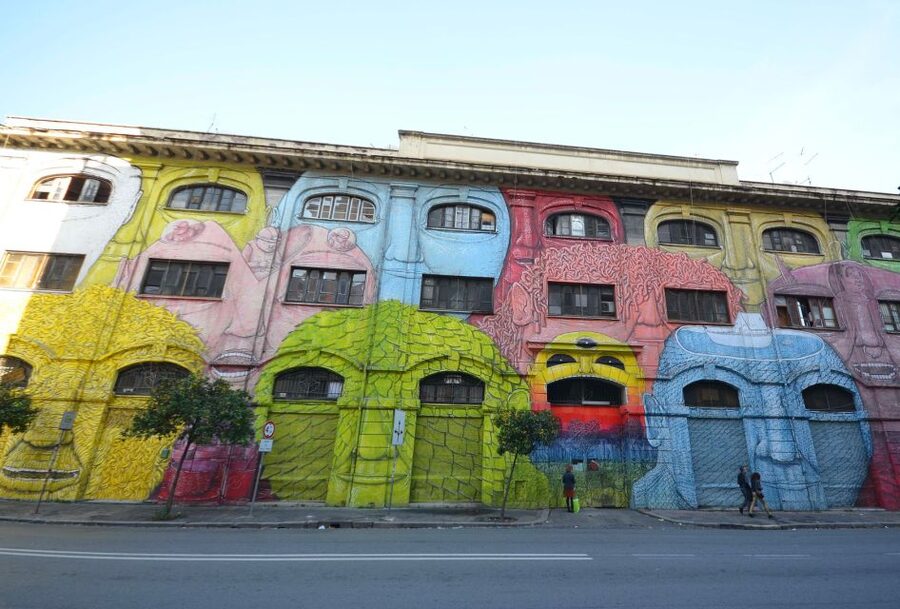
This is a modern street art and graffiti tour, but it’s not just about spotting cool images. The big idea is that Ostiense became a canvas for well-known street artists from around the world. That’s the premise of the tour, and it’s what gives the walk extra weight.
What I look for in this kind of experience is explanation—what the artist is doing, why the work fits the location, and how to tell one style from another. One guide name comes up in feedback: Juan. When a guide has real passion like that, the tour feels less like a checklist and more like learning a language you can then read on your own.
On the street, you’ll be trained to notice more than just color. Watch for how pieces interact with the surroundings. You’ll likely see different approaches to scale: smaller interventions (stickers and paste-ups) versus larger compositions. And you’ll notice the way street art often sits right alongside everyday life. That makes the neighborhood feel lived-in, not staged.
If you’re a photographer, this is also where headsets help. They keep you moving while still catching what the guide is saying. And if your phone dies, you’re still getting the story.
Semi-Private Size, Headsets, and Walking Pace
This tour is small group, limited to 10 participants. That matters. It usually means the guide can slow down when people stop at a wall, and it’s easier to hear the explanations without shouting over a crowd.
There’s also the headset detail: headsets are included to hear the guide clearly if the group is bigger than 10 people. Even if you’re in the small-group limit, it’s a good sign the provider thinks about communication. You’ll want to hear the context because that’s where the value lives.
One practical caution: this experience is only 2 hours. Some people may feel like the pacing leaves less time to linger, take photos, or study tiny details up close. If you’re the type who likes to stop, zoom in, and really absorb artwork, plan to bring that energy and still accept the movement rhythm.
My advice: treat it like a guided walk with multiple short art moments, not a slow gallery tour. If that matches your style, you’ll get more out of it.
Price and Value: Is $94 a Good Deal for Ostiense Street Art?
At $94 per person for a 2-hour guided walk, you’re paying for three things: a guide who can explain street art in context, a route that hits the right neighborhood, and a small-group format. You’re not paying for museum entry, transport tickets, or food.
So the value depends on what you want.
- If you want a guide to help you understand why Ostiense is important, this price can feel fair. You get context at major landmarks like the Pyramid of Cestius, then you move into an area where street art shows up as part of daily life.
- If you expect lots of time staring at each piece like a museum exhibit, you might feel the schedule is tight. This is still a walking tour.
What I’d call the sweet spot: you enjoy street art, you’re comfortable walking, and you want a local-oriented perspective rather than just pictures.
And yes, there can be a mismatch between what people hope for and how some walks are paced. If your priority is “maximum time on art,” ask yourself whether you tend to get frustrated when a tour keeps moving. If you’re flexible, you’ll likely enjoy it more.
Practical Tips Before You Go: Shoes, Bags, and Photo Prep
Ostiense is outdoors and you’ll walk a fair bit in comfortable shoes territory. Wear footwear you can handle on uneven sidewalks and urban surfaces. Bring a water bottle if you know you run hot, since food and drinks aren’t included.
Don’t bring luggage or large bags. The tour is designed for walking, and the rule is clear: luggage or large bags aren’t allowed.
If you’re thinking about mobility needs, keep this in mind: it’s not suitable for people with mobility impairments or wheelchair users. So plan an alternative if that applies to you.
Photo strategy: since it’s a street scene with lots of surfaces and quick stops, bring a fully charged phone or camera battery. Also, consider using portrait mode or grid framing to catch layers—stickers next to tags, paste-up edges near larger murals—because that layering is part of what makes Ostiense interesting.
Who This Tour Works Best For (and Who Might Skip It)
This is for you if:
- You want modern street art and graffiti in a real neighborhood context
- You like walking and learning from a guide
- You’re excited by contrasts: ancient landmark at Piramide, then modern urban layers on Via Ostiense
- You want a small-group feel rather than a huge crowd
You might skip it if:
- You need fully accessible routes for mobility equipment
- You’re looking for a museum-style pace with lots of sit-down time
- You dislike tours where you may not have long, quiet moments for each artwork
If you’re trying to balance your Rome trip, this tour is a strong “right-side-of-the-city” choice. It’s different from the classic ruins circuit without being random or artsy for artsy’s sake.
Should You Book the Rome Ostiense Graffiti and Modern Street Art Walking Tour?
Book it if your goal is a guided street-level look at how Ostiense became a canvas—starting at the Pyramid of Cestius, then moving down Via Ostiense where tags, stickers, and wheatpaste make the streets feel alive. The $94 price makes sense when you’re there for the guide context and you’re fine with a fast-moving walking format.
Consider skipping or choosing another option if you’re the kind of person who wants extended photo time on every mural, or if you need accessibility support not offered by this route.
If you like learning as you walk and you’re excited to see Rome through its modern layers, this tour is a solid bet.
FAQ
Where does the tour start?
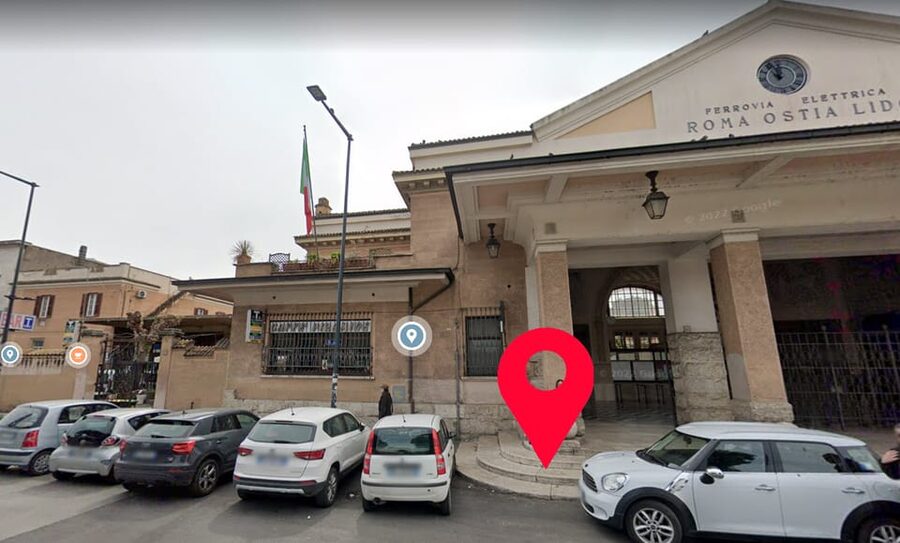
The tour meets in front of the Roma Ostia Lido Station, and it’s outside the Piramide metro stop area.
How long is the Rome Ostiense Graffiti and Modern Street Art Walking Tour?
The tour lasts 2 hours.
How big are the groups?
It’s a small-group tour limited to 10 participants.
Is the tour in English?
Yes, the live tour guide speaks English.
What’s included in the price?
The price includes the walking tour, fees and taxes, and headsets to hear the guide clearly if the group is bigger than 10 people.
What is not included?
Hotel pickup and drop-off, plus food and drinks, are not included.
What should I bring?
Wear comfortable shoes.
Are luggage or large bags allowed?
No, luggage or large bags are not allowed.
Is the tour suitable for wheelchair users or people with mobility impairments?
No, it’s not suitable for people with mobility impairments or wheelchair users.
What are the main sights I’ll see?
You’ll see the Pyramid of Cestius at Piramide, walk along Via Ostiense, and spend time spotting modern street art and graffiti around Ostiense.