REVIEW · BANGKOK
Bangkok Heritage & Street Art Private Walking Tour
Book on Viator →Run by WanderSiam · Bookable on Viator
Bangkok can feel like one big blur. This private walk slows it down and shows you Charoen Krung plus Talat Noi through food, faith, old buildings, and street art.
I especially like the combo of a legendary roasted duck meal and the quieter, lesser-seen streets that connect trade history to today’s creativity. I also liked how the route mixes major landmarks (like major Catholic churches and famous riverfront buildings) with smaller neighborhood stops that give you a real sense of how Bangkok layers over time.
One thing to consider: this is still a walking tour, and it’s not recommended for people with walking disabilities. If you’re sensitive to heat, uneven sidewalks, or you need frequent breaks, plan accordingly.
In This Review
- Key reasons this Bangkok street art and heritage tour works
- Charoen Krung and Talat Noi: why this part of Bangkok hits different
- Price and what you’re really paying for ($83.17 per person)
- The 9:00 am start: timing that keeps you comfortable
- Stop-by-stop: roasted duck, churches, and the neighborhoods behind the walls
- 1) Prachak (Roasted Duck): a classic start at a place locals trust
- 2) Wat Suan Phlu: a quiet temple tucked off the main road
- 3) Assumption Cathedral: Catholic roots along Charoen Krung
- 4) East Asiatique Building: riverfront architecture from 1901
- 5) Bang Rak: a neighborhood that keeps getting reinvented
- 6) Holy Rosary Church (Kalawar Church): Gothic Revival by the river
- 7) Talat Noi: the slow, real Chinatown-adjacent market feeling
- 8) Rong Kuak Shrine: Hakka-Chinese heritage in a small sacred space
- Street art without the chaotic hunt: what to watch for
- Guides on this tour: pacing, energy, and handling real needs
- Practical comfort checklist for a 4+ hour Bangkok walk
- Who should book this private heritage and street art tour
- Should you book this Bangkok Heritage & Street Art Private Walking Tour?
- FAQ
- What is the duration of the Bangkok Heritage & Street Art Private Walking Tour?
- Does the tour include hotel pickup?
- Is a meal included?
- Where does the tour end?
- Is the tour admission-free for the listed stops?
- Is the tour suitable for travelers with limited mobility?
Key reasons this Bangkok street art and heritage tour works
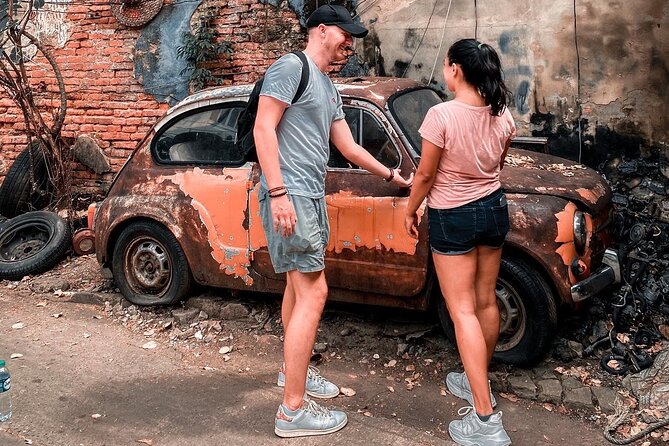
- Classic local meal at Prachak Roasted Duck (serving hungry locals since 1909)
- English-speaking guide with lively pacing and attention to what you need
- A balanced mix of faith + architecture, including Catholic cathedral and older churches
- Street art with context, not just photos, as you move through Charoen Krung and Talat Noi
- Talat Noi’s old-market feel plus a stop at a Hakka-Chinese shrine heritage site
Charoen Krung and Talat Noi: why this part of Bangkok hits different
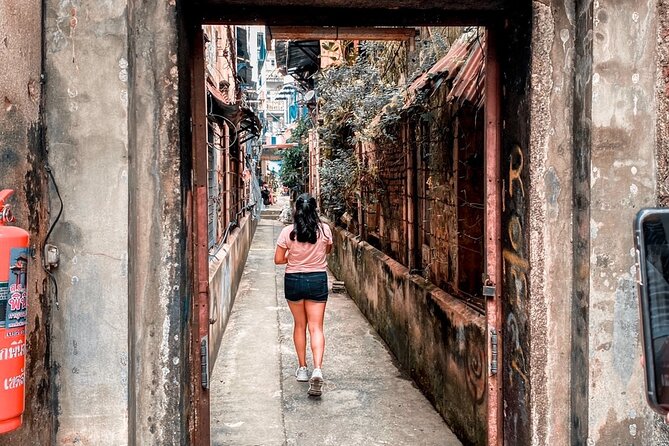
If you only see the main tourist strips, Bangkok can start to feel repeatable. This tour steers you into neighborhoods where you can still read the city’s past in the bricks and doorways, even when the walls are now covered in street art.
Charoen Krung is the gateway here. It’s tied to older trade routes and diplomatic history, and today you’ll see a riverfront rhythm of warehouses and landmark buildings, plus backstreets where the pace stays local. Then Talat Noi adds another layer: a timeworn Chinatown-adjacent area with generations of Chinese-Thai families and “small market” energy.
The value is that you don’t treat street art like a scavenger hunt. You walk, you learn why certain communities settled here, and you notice how modern creativity sits next to older religious sites and historic facades.
You can also read our reviews of more tours and experiences in Bangkok.


Price and what you’re really paying for ($83.17 per person)
At $83.17 per person for about 4 hours 20 minutes, this isn’t the cheapest option in Bangkok. But the price makes more sense when you look at what’s included.
You get hotel pickup, an English-speaking guide, small meal, snacks, and drinking water. You also get multiple stops with admissions listed as free, which matters because the tour is packed with sights rather than long stretches with nothing planned.
The tradeoff: you don’t get a transfer back to your hotel. The tour ends in Talat Noi, so you’ll want to plan how you’ll get back after the walk. If you don’t like ending “out of the way,” factor in a quick ride or pre-booked taxi.
The 9:00 am start: timing that keeps you comfortable
The tour begins at 9:00 am, which is a smart move in Bangkok. By late morning, the heat and crowds can ramp up around many popular areas, and this walk is designed to get you into the quieter streets early.
It’s also rain or shine. Thailand’s showers can be short, and the operator says they’ll seek shelter and continue once conditions improve. I’d still treat this as a practical walking day: wear comfortable shoes, bring a raincoat or poncho, and keep a light layer in your bag.
Because it’s a private tour/activity, only your group participates. That usually means the guide can adjust pacing without worrying about keeping a mixed crowd together.
Stop-by-stop: roasted duck, churches, and the neighborhoods behind the walls
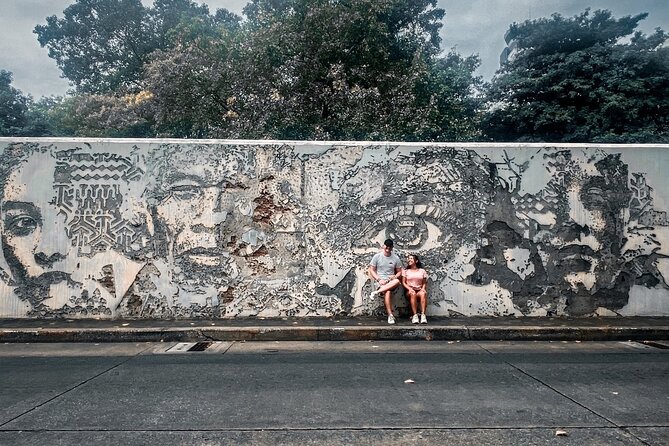
This is one of those routes where the order matters. Food first. Context right after. Then the walk threads through religious landmarks, historic architecture, and street art before settling into Talat Noi’s market life.
1) Prachak (Roasted Duck): a classic start at a place locals trust
You’ll start with a bite at Prachak Roasted Duck, famous for serving roasted duck since 1909. This is exactly the kind of meal that makes a heritage tour feel real: you taste what locals still line up for, not just what looks good on a photo spot.
Expect a casual, no-frills setting and a chance to refuel early. The stop is about 30 minutes, and it’s included as your small meal. If you’re picky, ask questions early and let your guide know any dietary needs. Guides on this tour have a track record of working with different dietary situations, which is a big deal on a food-and-sights day.
2) Wat Suan Phlu: a quiet temple tucked off the main road
Next is Wat Suan Phlu, tucked down an alley off Charoen Krung Road. The point here isn’t just to see a temple sign; it’s to feel how Bangkok changes as soon as you step away from the big roads.
This temple is described as originally built in the late Ayutthaya era, on what were once betel-nut gardens. That detail matters because it hints at the earlier landscape of the area, before the modern blocks and riverfront trade zones.
Time on site is about 10 minutes, so treat it like a calm waypoint, not an all-day temple visit.
3) Assumption Cathedral: Catholic roots along Charoen Krung
Then you move into Assumption Cathedral, Bangkok’s principal Roman Catholic cathedral. It’s located beside Charoen Krung Road near Oriental Pier, and it was built between 1809 and 1821 under French mission influence.
Even if churches aren’t your main interest, this stop is useful because it shows how Bangkok’s community history includes French Catholic presence alongside Thai and Chinese influences.
Again, the visit is short (about 10 minutes), which keeps the tour moving and helps you cover both heritage and street art without burning your whole day inside buildings.
4) East Asiatique Building: riverfront architecture from 1901
You’ll pause at the East Asiatic Company Building, an iconic riverfront landmark on Charoen Krung Road. Built in 1901 in an Italian Renaissance style, it’s one of those places where you can see how global trade shaped the city’s skyline.
This stop works well in a street art tour because it gives you a visual baseline. Before you see modern wall art, you get a sense of what the “old Bangkok business district” looked like.
5) Bang Rak: a neighborhood that keeps getting reinvented
Next comes a look at Bang Rak, tied to Charoen Krung Road. The area saw shifts from being a hub for diplomats and traders in the 19th century to quieter, less-highlighted days later on.
In recent years, it’s re-emerged in a new way, and this stop is about noticing change over time. If you like cities that have layers instead of single eras, you’ll appreciate this.
You’ll spend about 15 minutes here, enough to orient yourself and connect the dots between earlier trade history and what you see today.
6) Holy Rosary Church (Kalawar Church): Gothic Revival by the river
Then you’ll visit Holy Rosary Church, locally known as Kalawar Church. It’s described as one of the oldest Catholic churches in Bangkok, with Gothic Revival architecture, and it sits along the Chao Phraya River.
This is another quick 10-minute stop, but it’s the kind you remember because the design language feels distinct compared with many Thai structures. It also keeps the tour’s theme of multicultural roots front and center.
7) Talat Noi: the slow, real Chinatown-adjacent market feeling
After the series of churches and historic landmarks, the tour opens up into Talat Noi. Talad Noi means small market, and it’s part of Bangkok’s wider Chinatown area.
This is your longer stretch at about 1 hour 30 minutes. It’s where you actually feel like you’re walking through everyday life: generations of Chinese-Thai families, timeworn street textures, and the kind of small-business rhythm that doesn’t need a stage.
It’s also where street art becomes more than an add-on. The tour’s “heritage meets street art” angle makes sense most here, because you’re surrounded by old walls, older architecture, and neighborhood creativity.
8) Rong Kuak Shrine: Hakka-Chinese heritage in a small sacred space
Finally, you’ll stop at Rong Kuak Shrine (also called Chao Hon Wong Kung Shrine) in Talat Noi. This is described as a hidden heritage site rooted in Hakka-Chinese culture, established during the early Rattanakosin era.
You’re at the shrine for about 10 minutes, which is perfect on a walking tour. It gives the tour a deeper emotional ending than more photo stops. You leave with a sense that street art isn’t the only expressive tradition here—belief and community identity are part of the artwork too, just in a different form.
Street art without the chaotic hunt: what to watch for
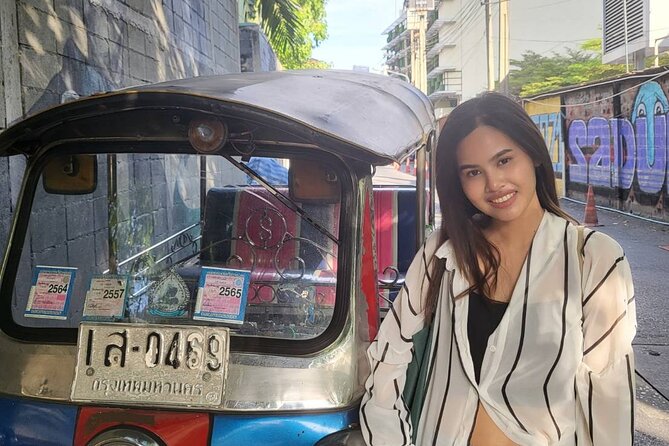
This is billed as a heritage and street art walk, and the best way to experience it is to look for relationships, not just images.
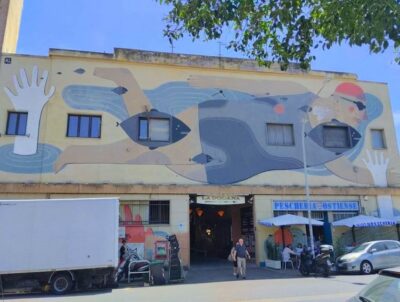
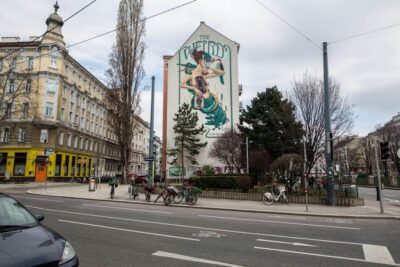
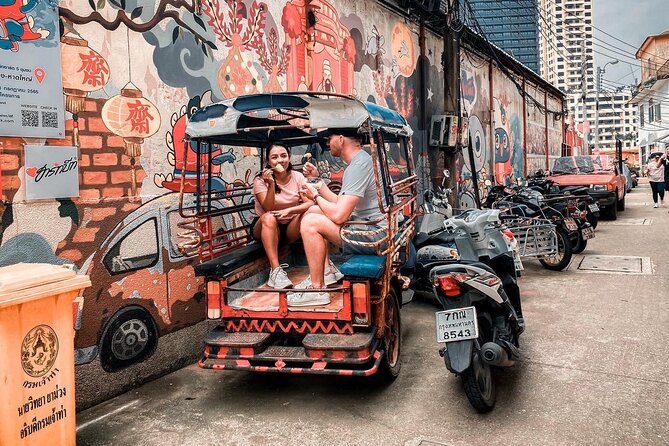
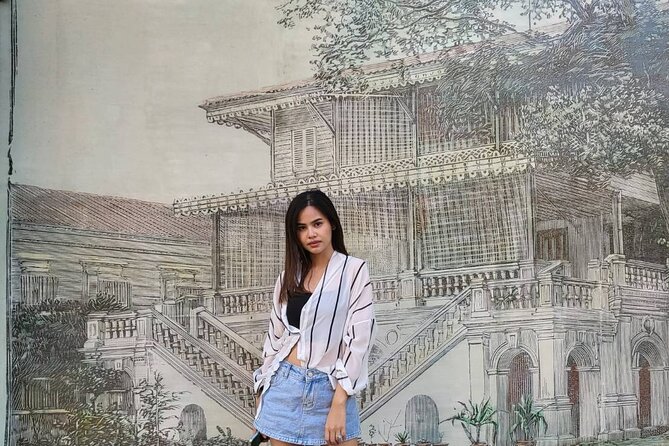
As you move through Charoen Krung and into Talat Noi, you’ll spot street art tucked along the edges of old life—on walls near historic buildings, close to places of worship, and in the neighborhood corridors where people actually pass every day. The tour’s design helps you connect the dots: you learn the area’s multicultural trade and community background, then you see how modern creativity reacts to that same geography.
Tip for you: take photos, but also pause longer than you think you need. A lot of street art here is small-scale and conversational with the surrounding architecture. If you’re only snapping while walking, you miss why it feels “of Bangkok” rather than imported.
Guides on this tour: pacing, energy, and handling real needs
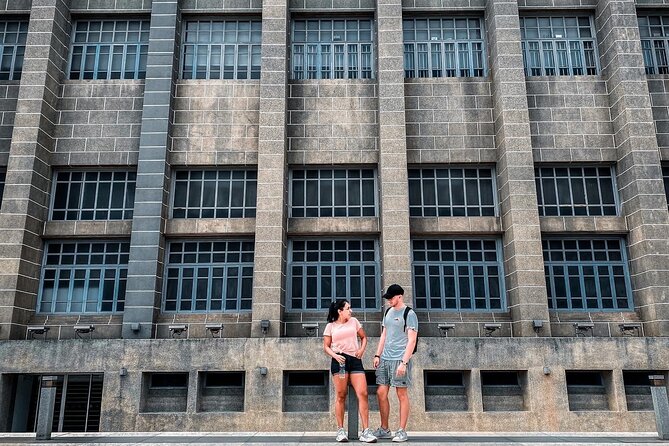
A big part of whether this tour feels fun or just informative is the guide. On this walk, you’re not stuck with a monotone lecture. You’ll have an English-speaking guide, and the guides I’m aware of for this tour style their day with energy and clear storytelling.
In particular, two guide names that show up in experience feedback are Net and Nikki. One is noted for high energy and for being able to accommodate dietary needs. Another is noted for guiding people through off-the-beaten-track areas and for making the stops feel like a personal story, including art galleries as a highlight.
Even if you don’t know those names, the practical point is simple: choose this tour if you want interaction and pacing, not just a checklist of sights.
Practical comfort checklist for a 4+ hour Bangkok walk
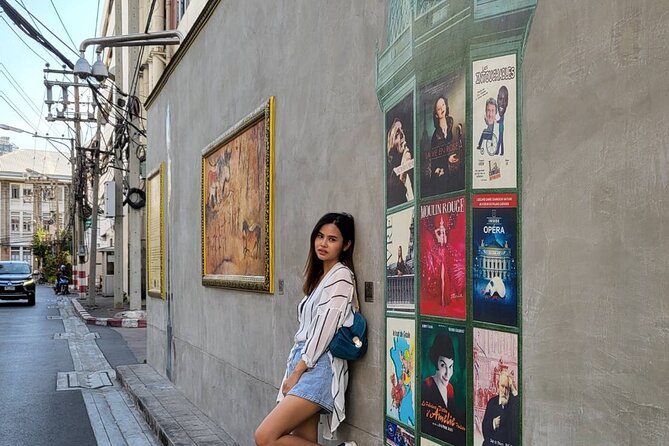
This is a walking day. Your comfort controls your enjoyment.
- Wear comfortable shoes with grip. Sidewalks and backstreets can be uneven, and you’ll be moving through older neighborhoods.
- Plan for heat. You’ll have drinking water and snacks included, but you’ll still want a light hat and sunscreen.
- Bring a raincoat or poncho. The tour runs rain or shine, and they’ll shelter briefly if needed.
- Expect the day to be active. It runs about 4 hours 20 minutes, and the stop at Talat Noi alone is 1 hour 30 minutes.
Also note the ending: the tour ends in Talat Noi, not back at your hotel. If you hate last-mile logistics, pre-plan your ride. You’ll still feel in the flow because Talat Noi is a lively area, but you do need a plan to get home.
Who should book this private heritage and street art tour
This fits best if you:
- Love street art, but want it grounded in real neighborhood context
- Prefer smaller, quieter streets over the biggest Bangkok landmarks only
- Enjoy a mix of food + history + architecture + culture
- Want a guide-led experience with clear timing and included snacks and water
It’s less ideal if you:
- Have trouble walking for several hours
- Want your day to end back at your hotel
- Prefer fully structured museum-style visits only
If you’re the kind of traveler who likes to wander, but also likes to know what you’re looking at, you’ll get a lot from this.
Should you book this Bangkok Heritage & Street Art Private Walking Tour?
I think it’s a strong pick when you want Bangkok to feel personal, not like a rushed highlight reel. The included roasted duck meal, the focus on Charoen Krung and Talat Noi, and the way the day connects architecture, faith sites, and street art give this tour real substance.
Book it if you value:
- A guide who keeps things lively and responsive
- Included food and simple comforts like water and snacks
- A finish in Talat Noi that lets you keep exploring on your own
Skip it if you strongly need a hotel return, or if walking long distances isn’t your thing. Otherwise, this is a smart way to see a Bangkok most visitors miss: the city where old walls still matter, and new paint tells you how the neighborhood feels today.
FAQ
What is the duration of the Bangkok Heritage & Street Art Private Walking Tour?
It runs for about 4 hours 20 minutes.
Does the tour include hotel pickup?
Yes, hotel pickup is included.
Is a meal included?
Yes. You’ll have a small meal, plus snacks and drinking water.
Where does the tour end?
The tour ends in Talat Noi.
Is the tour admission-free for the listed stops?
Admission tickets are listed as free for the stops included in the tour.
Is the tour suitable for travelers with limited mobility?
It is not recommended for travelers with walking disabilities.