REVIEW · MANCHESTER
Street Art: The Modern History of the Northern Quarter
Book on Viator →Run by Skyliner: Alternative Tours and Anti-tours of Manchester · Bookable on Viator
Street art here is political street history. This Northern Quarter walk traces how the area shifted from decline to trend, using public art, ceramic pieces, and contemporary murals to tell the modern story of Manchester. You also get the practical perks: a small group size, mobile tickets, and a meaningful 10% donation that keeps local support in the picture.
I like that the tour doesn’t treat street art like decoration. I also love the focus on how a ceramic art trail helped change perceptions of the neighborhood, then moved into the bigger questions—gentrification, social justice, and the reality of public space. One thing to consider: it’s a walking tour and it runs best in good weather, so plan for an alternative date or refund if rain ruins the route.
In This Review
- Key Things to Know Before You Go
- Getting Oriented: Shudehill Start to Black Dog Ballroom Finish
- The Northern Quarter’s Big Pivot: 1970s Decline to the Arndale Shock
- Ceramic Art Trail: Public Art That Can Actually Change a Place
- Contemporary Street Art with Social Justice Edges
- Gentrification and the Fight Over Public Space
- Off-the-Path Film Locations: Manchester in the Background
- The Guide Factor: Hayley’s Approach and the Tour Pace
- Price and Value: Why $20.70 Feels Fair (and Then Some)
- Who Should Book This Northern Quarter Street Art Walk?
- Should You Book It?
- FAQ
- Where does the tour start and end?
- How long is the tour?
- How much does it cost?
- What ticket method is used?
- Is there a donation included?
- How big is the group?
- Do I need good weather?
- What is the cancellation policy?
Key Things to Know Before You Go

- 25 years of street art, told on foot through the Northern Quarter’s changing identity
- Ceramic art trail insights on how art can reshape a place, not just decorate it
- Gentrification and public-space issues explained in plain language as you walk
- Off-the-path film locations that add a fun side story to the street-art route
- Small group experience (max 30) for better questions and closer looking
- 10% profit donation to local causes with a clear community-minded angle
Getting Oriented: Shudehill Start to Black Dog Ballroom Finish
The tour starts in Shudehill, Manchester, and ends at Black Dog Ballroom on Church Street. That matters because you’re not just wandering—you’re moving through a tight “story arc” across the Northern Quarter, so the walk feels like progress rather than random spotting.
You’ll want to arrive a few minutes early so you can get oriented before the guide sets the tone. Expect a 2-hour pace that includes time to stop, look closely, and hear context. It’s also set up for easy arrivals by public transportation, which helps if you’re pairing it with other Northern Quarter plans.
You’ll use a mobile ticket, so make sure your phone battery is healthy and your confirmation details are easy to find. If you prefer to travel light, you’ll still be fine—most of the action is right on the streets and building facades you can’t really access any other way.
You can also read our reviews of more tours and experiences in Manchester.

The Northern Quarter’s Big Pivot: 1970s Decline to the Arndale Shock
The heart of the tour starts with why this area went from neglected to rebranded. In the 1970s, the Northern Quarter slid into decline, and the guide connects that shift to the opening of the Arndale Centre—Manchester’s first American-style shopping mall. The effect wasn’t subtle: businesses emptied out, and street life changed.
One strong thread in the tour is how Manchester’s heritage can be a double-edged sword. The Northern Quarter has one of the highest densities of protected buildings in the city, so the area isn’t just “old.” It’s structurally held back in some ways—while pressures like redevelopment can still push change fast.
A standout story you’ll hear is the early 1990s comment by cultural icon Tony Wilson, describing the Northern Quarter as our Detroit. The point isn’t just a nickname—it’s about mass evacuation of businesses and an industrial-style feeling of “something is wrong here.” As you walk, that theme helps you read the area with more care.
The practical value: you’ll look at murals and posters differently once you understand the neighborhood’s economic and cultural swings. Street art becomes a record of what people felt when spaces were empty, contested, or suddenly desirable again.
Ceramic Art Trail: Public Art That Can Actually Change a Place
A big highlight is the ceramic art trail that helped transform the area. Unlike some street art stories that end at “cool visuals,” this one treats ceramics as community-making—pieces that people notice, follow, and talk about. You get a sense of how those artworks made the neighborhood feel more human and more inviting, even before the bigger wave of trendiness arrived.
Ceramics also work well for teaching you how to read street art over time. They age, weather changes their look, and that physical reality ties art to everyday life rather than a gallery timeline. It’s a reminder that public art lives with the city’s grime, soot, and rain—then still manages to stay legible.
As you move from piece to piece, the guide helps you connect the dots: art trails can nudge foot traffic, which can influence where people spend time and money. That’s where the tour’s “modern history” framing becomes practical. You’re learning how the neighborhood shifted, not just spotting art.
If you like walking tours that feel like a conversation with the streets, this part is built for you. It’s visual, story-driven, and it gives you a method for noticing the details you’d normally miss.
Contemporary Street Art with Social Justice Edges
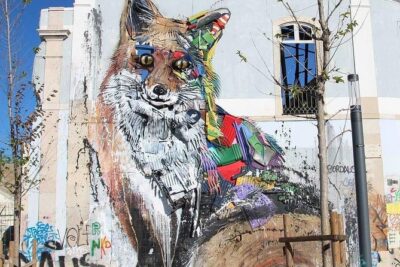
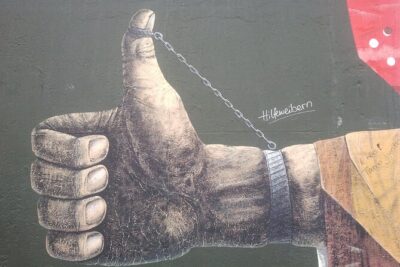
Once the tour reaches contemporary street art, it changes gear. The murals and installations aren’t presented as random creativity—they’re framed as commentary on power, identity, and fairness. You’ll hear about social justice themes and how artists use public walls to speak when mainstream media and formal politics move slowly.
This is where the tour’s focus on counterculture really pays off. The guide’s tone keeps it grounded: street art isn’t treated like symbolism homework. It’s treated like what it is—messages, arguments, grief, anger, humor, and hope, all pressed into concrete and brick.
One of the most memorable “you’ll remember this” details is the anecdotes tied to the fish market. You’ll also get pointers about political influences around the art. Even if you’re not a hardcore street-art collector, those bits help you understand why certain themes show up where they do.
Practical tip for your own viewing: slow down. Don’t just glance. Take a second to look at color choices, repeated symbols, and how different pieces relate to nearby buildings. The tour gives you permission to read the neighborhood like a living newspaper.
Gentrification and the Fight Over Public Space
The Northern Quarter story isn’t only about art getting attention. It’s also about what happens when attention changes the rules. The tour discusses gentrification—how an area can be loved into higher rent, higher prices, and a different kind of “who this place is for.”
Public space is another key theme. The guide connects murals and street life to the idea of shared areas that belong to everyone. When that public character gets squeezed, art can become both a comfort and a warning sign.
This is also where balance matters. The tour doesn’t just wag a finger at change. It presents the trade-offs: visibility can bring investment and safety, but it can also push out the very communities that made the art meaningful in the first place.
If you’ve ever wondered why some street art feels defiant while other murals feel polished, this section helps you sort that out. You’ll start to understand street art as a negotiation between artists, residents, businesses, and the city itself.
Off-the-Path Film Locations: Manchester in the Background
Another fun layer is the stop on off-the-path film locations. It’s not a theme park version of Manchester—it’s more like spotting familiar settings from a different angle and learning how film adds a second meaning to streets.
This part works especially well if you like travel that mixes culture with pop imagination. Even if you don’t recognize every location instantly, the guide helps you connect the street layout, the building character, and the visual mood the cameras would pick up.
What I appreciate here is that it doesn’t hijack the tour. Film is a side story that keeps the route entertaining while still supporting the main idea: the Northern Quarter has been “in stories” for decades, even when it felt ignored.
The Guide Factor: Hayley’s Approach and the Tour Pace
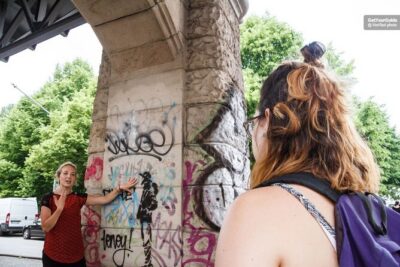
From the way people describe the experience, the guide makes a huge difference. The name Hayley comes up again and again, and the common thread is style: engaging explanations with a strong local perspective, plus the ability to connect art to the day-to-day reality of the neighborhood.
You’ll likely notice that the walk has a rhythm. You’re not sprinting from wall to wall. You’re stopping long enough to understand why a piece exists, then moving on to compare it with what’s next. That pace is ideal for a 2-hour tour because it keeps your brain working but not tired.
Group size also matters. With a maximum of 30 travelers, you get room for questions without it turning into a herd problem. If you like asking where locals eat or what to look at next, this format gives you a better chance of getting useful answers—right there, in the neighborhood.
If you want maximum payoff, come with two goals: look closely and ask one or two questions about themes you care about. That way, the tour becomes more than facts—it becomes a way to see the Northern Quarter through a new lens.
Price and Value: Why $20.70 Feels Fair (and Then Some)
At $20.70 per person for about 2 hours, this tour is priced like a smart mid-range walking experience. What makes it feel like value isn’t just the guide and the sights—it’s how the tour connects art to real civic issues. When a tour teaches you how to read a neighborhood, you keep that “skill” after the walk ends.
Then there’s the donation angle. The tour gives 10% of profits to local causes. That’s not just feel-good branding. It means your ticket supports community work rather than only funding a one-time experience.
So you’re paying for three things at once:
- a guided route through street art you might not spot on your own
- context for why the art matters socially and historically
- a chunk of profit returning to local efforts
If you’re budgeting your Manchester days, this can also save money compared to stacking a lot of paid attractions. You’re seeing culture outdoors, building context, and then you can spend the rest of your time on whatever interests you most.
Who Should Book This Northern Quarter Street Art Walk?
This is a great fit if you:
- like walking tours that explain meaning, not just names
- want street art connected to social justice, gentrification, and public space
- enjoy off-the-path Manchester details, including film locations
- appreciate experiences with a community donation component
You might choose something else if you want a purely visual, art-only tour with no civic discussion. This one talks about issues, and that’s part of the point.
Best time to plan it: build it early enough that the info helps you enjoy the rest of your day in the Northern Quarter. After the walk, you’ll look at other murals and ceramics with more awareness, and you’ll likely feel more confident wandering on your own.
Should You Book It?
I think you should book this tour if you want to understand the Northern Quarter beyond the Instagram layer. The combination of street art across time, a ceramic trail that shows how art can shift a neighborhood, and the guide-led links to social justice and gentrification makes it feel thoughtful rather than trendy.
Also, the local donation makes it easier to feel good about spending your money here. And because the group stays relatively small, you get a more personal experience—especially if you ask questions about where to eat or what to look for next.
If you’re coming to Manchester for your first visit and you want a “how to see this place” orientation, this is a strong starting move.
FAQ
Where does the tour start and end?
It starts at Shudehill, Manchester M4, UK, and ends at Black Dog Ballroom, 52 Church St, Manchester M4 1PW, UK.
How long is the tour?
The tour runs for about 2 hours.
How much does it cost?
The price is $20.70 per person.
What ticket method is used?
You’ll have a mobile ticket.
Is there a donation included?
Yes. The tour states that 10% of profits go to support local causes.
How big is the group?
The tour has a maximum of 30 travelers.
Do I need good weather?
Yes. The experience requires good weather. If it’s canceled due to poor weather, you’ll be offered a different date or a full refund.
What is the cancellation policy?
Free cancellation is available. You can cancel up to 24 hours in advance for a full refund.