REVIEW · BERLIN
Berlin: Street Art and Alternative Tour
Book on GetYourGuide →Run by Vive Berlin e.G · Bookable on GetYourGuide
Street art in Berlin tells a story. This 3-hour walk connects the city’s Cold War scar to the murals that came afterward, with plenty of context so you’re not just snapping photos. I like that it’s small-group and focused on understanding the why behind the colors.
What I really love is the way the tour frames Kreuzberg as an alternative neighborhood shaped by politics, survival, and change. Past guides in reviews include Antonella and Iacopo (Italian), plus French-speaking hosts like Marie and Martin, and you can feel the emphasis on social meaning and local perspective.
One thing to consider: this tour isn’t included with transit. You’ll need to buy an AB 24-hour ticket for public transport the day of the tour, and comfortable shoes are a must.
In This Review
- Key things you’ll notice on this Berlin street art walk
- Why Berlin street art feels different from anywhere else
- The 3-hour format and small-group pacing
- Kreuzberg’s alternative quarter: where the politics gets personal
- The East Side Gallery: how to see it without rushing
- Friedrichshain and Mitte: big murals and tiny surprises
- Price and value: what you get for about $31
- Who this tour is best for (and who should pass)
- How to plan your day around this 3-hour walk
- Should you book this Berlin street art and alternative tour?
- FAQ
- How long is the Berlin Street Art and Alternative Tour?
- What languages are the guides?
- What’s included in the tour price?
- Do I need a public transport ticket?
- What should I bring?
- Is free cancellation available?
Key things you’ll notice on this Berlin street art walk
- Street art as social commentary, not just decoration
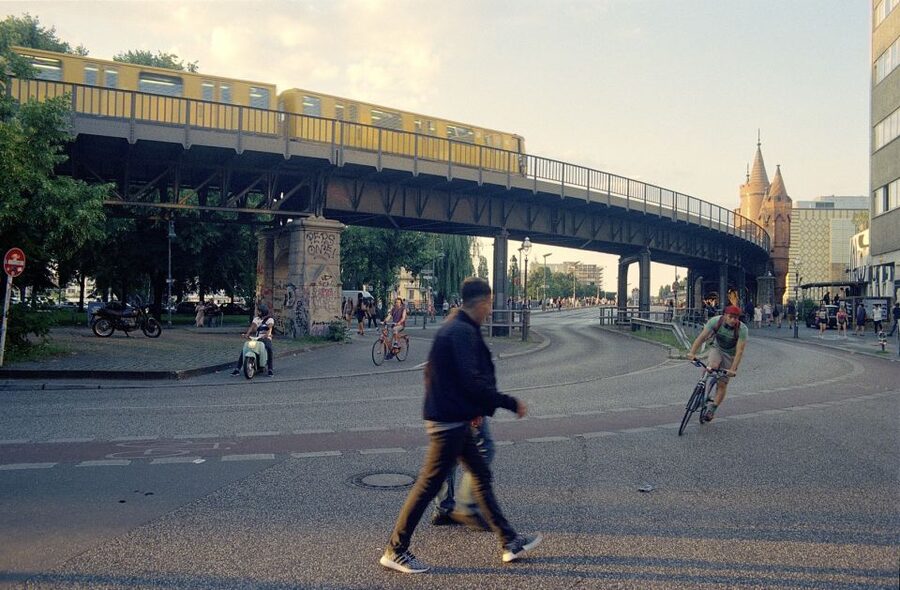
- Kreuzberg’s alternative side on a manageable walking route
- East Side Gallery time, with enough explanation to slow down
- Cold War context, connecting wall history to what Berlin became later
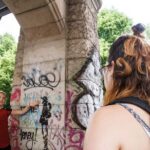
- Big murals plus tiny hidden pieces, from courtyards to corners
- Guides in French or Italian, including hosts like Marie, Martin, and Antonella and Iacopo
Why Berlin street art feels different from anywhere else
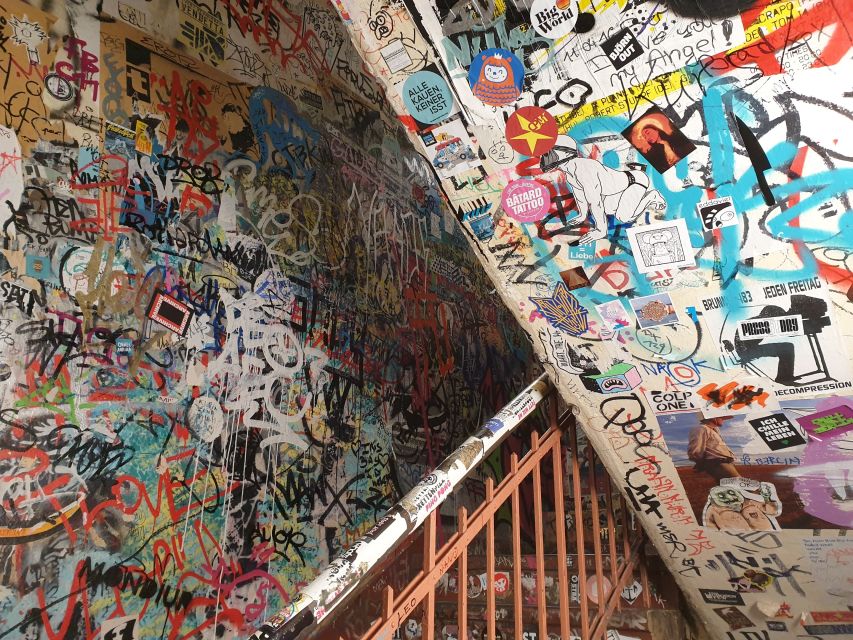
Berlin’s street art works on two levels at once. On the surface, you get color, style, and big visual statements. Underneath, you get arguments—about who had power, who got ignored, and how neighborhoods changed once the wall fell.
This is what makes the tour worth your time. You’re not just looking at walls as backdrops. You’re learning why Berlin became a magnet for alternative culture and how urban art turned into a public voice. The idea is simple: the city sits between east and west, and the wall’s wounds never really healed. People used paint to explain, protest, remember, and reinvent.
I also like the tour’s clear timeline focus. You move from the period shaped by the wall and Cold War tension into what happened after 1989, then toward today’s shift into gentrification. That historical arc matters because many visitors see murals as timeless. On this walk, you understand them as reactions to specific moments.
One more plus: the tour treats both the “famous” and the “small” as important. You get the big, visible works, but you also hear how artists place smaller pieces where you might only notice them if you slow down and look closely.
You can also read our reviews of more tours and experiences in Berlin.


The 3-hour format and small-group pacing
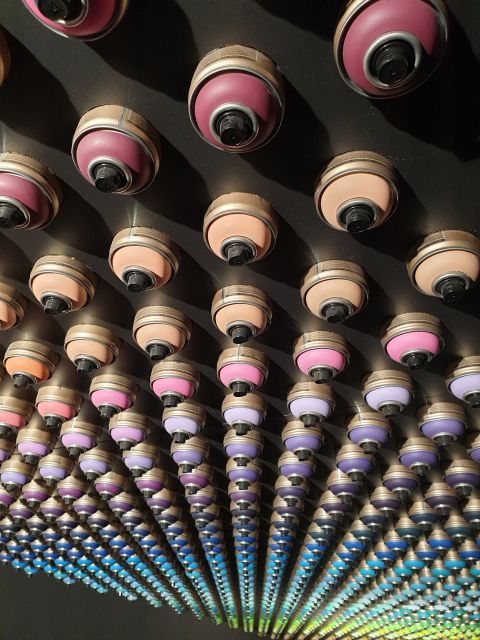
At 3 hours, this tour is long enough to form a real sense of place, but short enough that you’re not exhausted before the good parts. It’s also a walking experience, so you’ll want to plan your day with that in mind.
The small-group size is key here. Street art is easy to rush past on your own. In a group, you can stop without holding everyone back, and the guide can explain what you’re looking at while you’re still standing in front of it. The result is that you actually connect the image to the meaning, instead of just taking pictures and moving on.
You’ll also get more out of it if you’re willing to walk with a slightly “curious eyes” mindset. The tour isn’t just about iconic spots. It’s about recognizing how art shows up in everyday spaces—along streets, in corners, and even hidden in courtyards.
Kreuzberg’s alternative quarter: where the politics gets personal
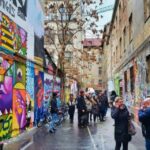
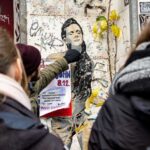
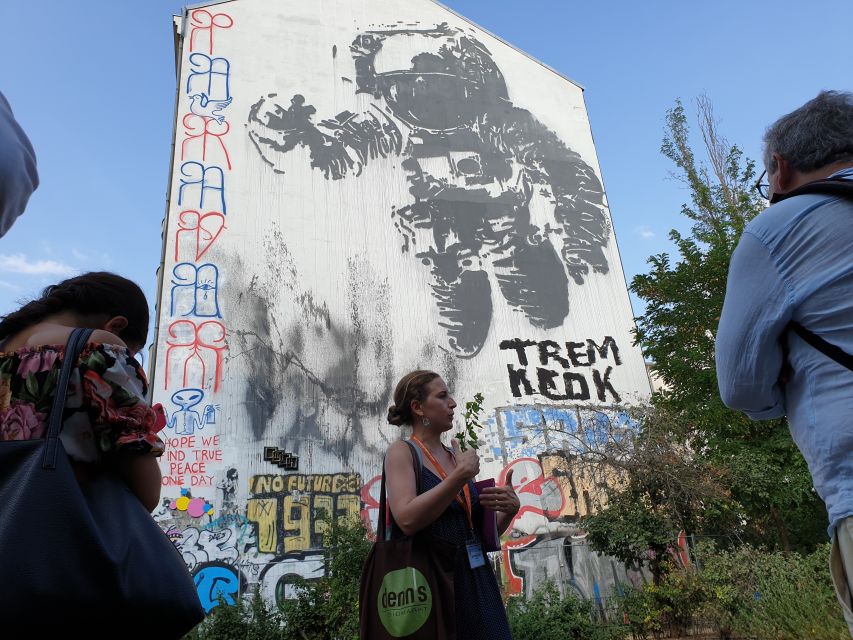
The tour’s heart leans hard into Kreuzberg, Berlin’s well-known alternative quarter. This neighborhood doesn’t just have street art; it has an identity. The guide’s job is to connect the art to the neighborhood’s social demands and the way people used public space to make claims.
That’s one of the most praised elements from past guests: the way street art is explained through social context. The result is practical. When you see a mural, you’ll know what kind of message you’re looking for—whether it’s about power, belonging, memory, or resistance.
Kreuzberg also helps you understand how Berlin’s alternative culture didn’t appear out of thin air. The city’s Cold War position created the conditions, and the wall’s aftermath created the stage. After the fall of the wall, Berlin went through huge economic and social shifts. Urban art became a way to narrate those changes when official stories were incomplete.
If you’re the type who likes architecture alongside art, you’re likely to appreciate that angle too. Some past guides have strong coverage of street art paired with architecture and local history, which helps you see the murals as part of the built environment, not pasted on top of it.
Tip for you: when you’re in Kreuzberg, don’t just aim your camera forward. Glance sideways and behind. The tour’s whole point is that you’ll find color in the places you’d normally skip.
The East Side Gallery: how to see it without rushing
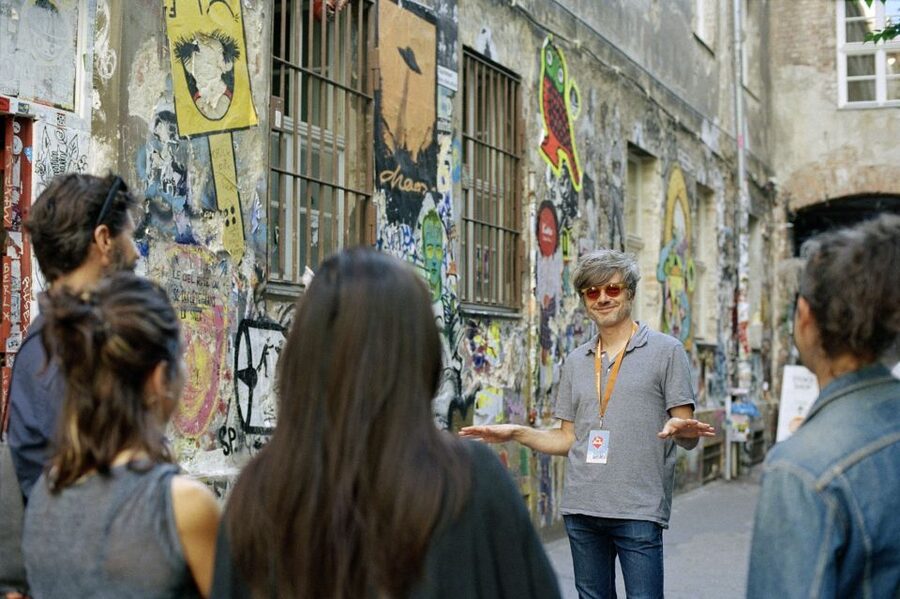
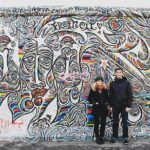
The East Side Gallery is one of those Berlin stops that can feel over-photographed. But on this tour, it’s not treated like a quick checklist item. You’re meant to understand it as a living document—an area where wall history became public art after 1989.
Why that matters: the East Side Gallery isn’t only about aesthetics. It’s about transformation. You’re seeing how a barrier once linked to division and tension became a surface for voices and images. A guide gives you the context that turns the experience from tourist-eye candy into something you can actually interpret.
This is also where the tour’s “art and politics” framing clicks hardest. The point isn’t that every mural has the same message. The point is that the wall era created a sense of urgency, and artists responded in a way that still shapes how Berlin tells its own story.
If you’re short on time in Berlin, you might think you can just walk through the East Side Gallery alone. You can. But you’ll likely get more out of having a guide explain what you’re seeing and how it connects to the larger neighborhood story that comes before and after.
Friedrichshain and Mitte: big murals and tiny surprises
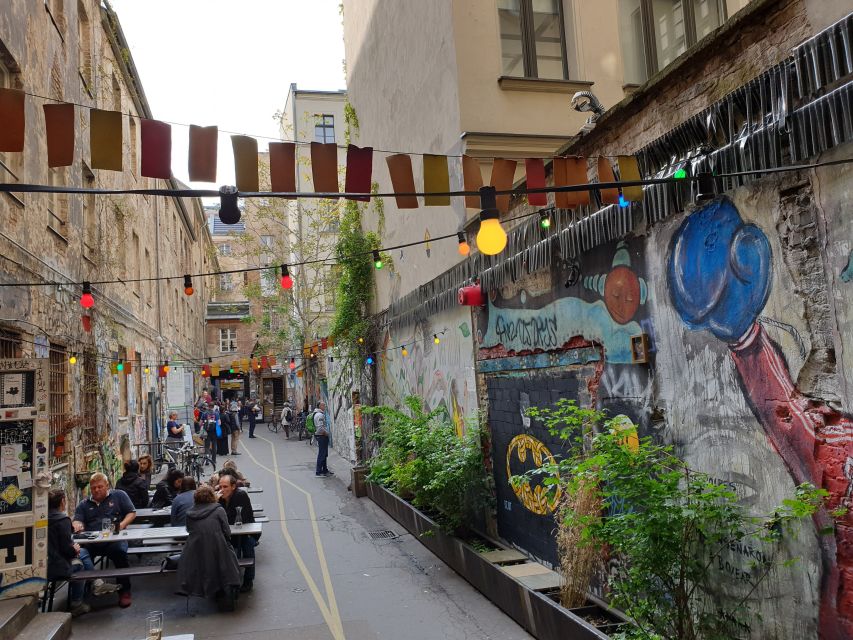
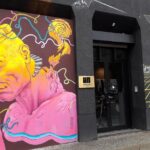
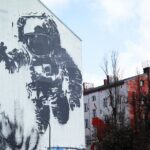
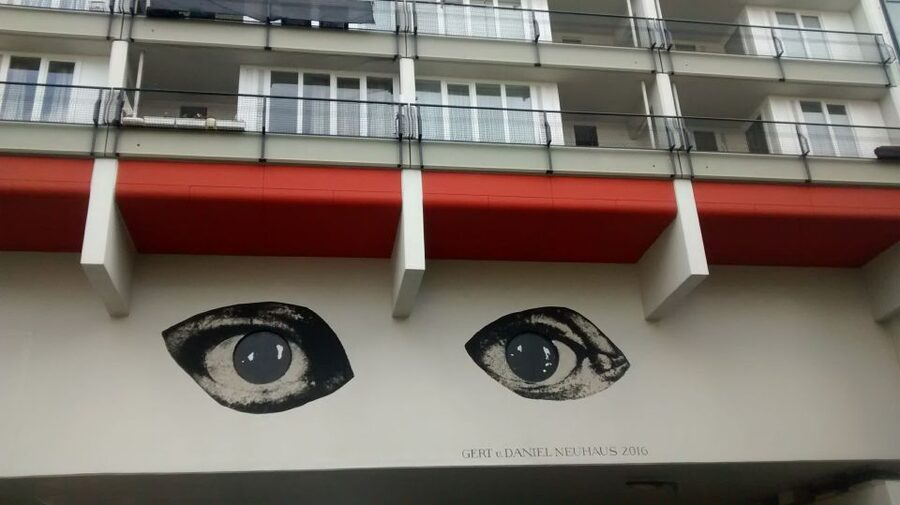
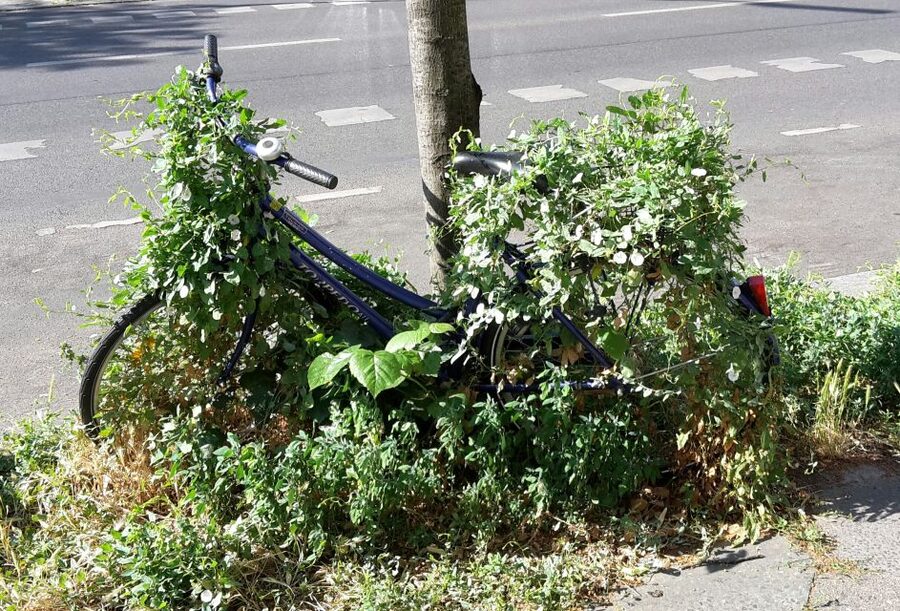
Berlin street art isn’t only about famous stretches. This tour’s approach includes the idea that you’ll also encounter large works between buildings and smaller pieces tucked where you’d never think to look.
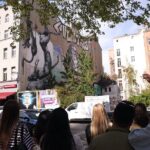
In the tour’s framing, Friedrichshain joins the story with large-scale works that grew between buildings, while Mitte is presented as a place where you can spot smaller art hidden along streets or wedged into corners and courtyards. That combination is powerful because it changes how you view the city.
Here’s what you’ll learn from that mix: Berlin street art doesn’t follow one style or one size. It adapts to space. Some artists go big because they want visibility. Others go small because they want discovery. The guide helps you understand that these choices match the social climate and the audience the artists are aiming for.
From what’s been shared in reviews, guides tend to make you notice the “crescendo” effect too. You often start out in a quieter rhythm, then the tour builds into more surprising corners and locations you wouldn’t find through normal tourist routes.
That pacing is worth it. Even if you think you already know street art, Berlin’s details reward patience.
Practical note for you: bring comfortable shoes. The “hidden piece” part of street art means you’ll likely be stopping, turning, and walking on uneven sidewalks.


Price and value: what you get for about $31
At $31 per person for a 3-hour walking tour, the value is strong if you care about context, not just images. What you’re paying for is the guided lens: a French- or Italian-speaking host who connects what you see to Berlin’s Cold War-era history, the fall of the wall, and the city’s ongoing changes through gentrification.
The tour includes the walking experience and the guide. What it does not include is an AB public transport day ticket. That’s an important budgeting detail, because Berlin tours often look cheap until you add local transit.
So here’s how to decide if it’s a good deal for you:
- If you want to understand street art messages and the social history behind them, the guide time is usually worth it.
- If you only want quick photo ops, you might feel the price is less justified.
- If you like walking in a neighborhood like Kreuzberg and you want a smart way to spend a few hours, this price is in the sensible zone for a focused theme tour.
Also, the rating strength—high approval from a large number of reviews—suggests guests consistently feel the guide quality and storytelling are the main attraction. In reviews, people specifically call out strong preparation, passion, and clarity in explaining underground and alternative Berlin culture.
Who this tour is best for (and who should pass)
This tour is ideal if you:
- Like street art but want meaning, not just murals
- Enjoy Cold War history and how it shaped modern Berlin
- Prefer small-group walking experiences over big bus tours
- Want an alternative-cultural angle through Kreuzberg and the wall-era visual language
- Speak or want French or Italian interpretation from the guide
You might want to skip it or pair it with something else if you:
- Only want a straight shot to the biggest “must-see” photo spots
- Don’t enjoy walking neighborhoods and would rather ride transit or do a museum-based plan
- Expect purely neutral, art-only commentary without political framing
One of the nicest things about this tour is how it balances “what you’re looking at” with “why it matters.” That’s the difference between watching the city and understanding it.
How to plan your day around this 3-hour walk
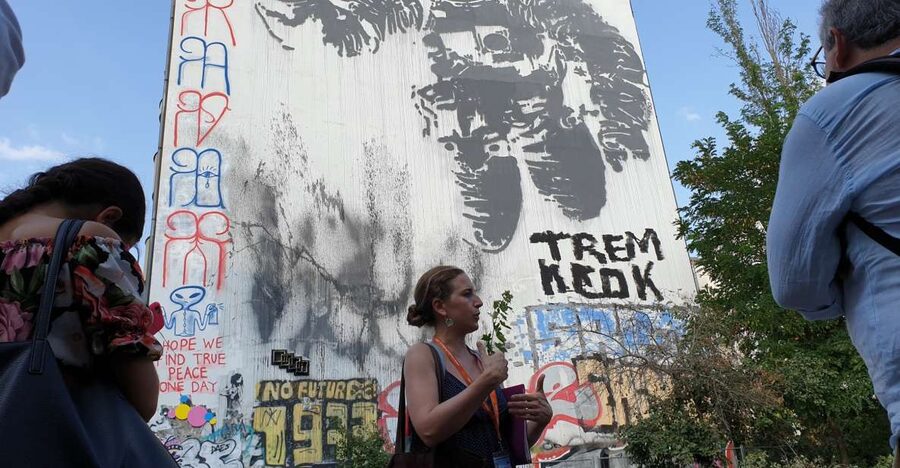
Plan for a focused block of time. This is a neighborhood-walking experience, and the best results come from staying present as you move through different styles and scales of art.
A few practical things to do before you go:
- Wear comfortable shoes. You’ll be on your feet.
- Keep your phone charged if you plan to capture details, especially smaller pieces in corners and courtyards.
- Expect the tour to include both major points like the East Side Gallery and surrounding street-art zones connected to Kreuzberg and other districts.
- Be ready for questions. Many guests highlight that guides answer questions and add current anecdotes alongside historical context.
If you’re pairing this with other Berlin activities, think of it as your “story layer.” Museums give you artifacts and official narratives. This tour gives you the wall-era aftermath told through the city’s public walls and the neighborhoods that grew around them.
Should you book this Berlin street art and alternative tour?
If you’re curious about why Berlin looks the way it does today—especially where art meets politics—this is a strong pick. The price is reasonable for the time and the guided context, and the tour’s repeated praise centers on guides who explain street art with clarity and passion, using names like Antonella and Iacopo, Marie, and Martin from past experiences.
Book it if you want:
- Kreuzberg through an alternative lens
- the East Side Gallery with context, not just photos
- a walking tour that connects Cold War history to the present, including changes like gentrification
Skip it if you only want quick highlights with minimal walking, or if you don’t want political and social context tied to the art.
If you’re the kind of traveler who likes to read a city through its street-level messages, you’ll probably feel like this tour gave you a shortcut to understanding Berlin.
FAQ
How long is the Berlin Street Art and Alternative Tour?
The tour lasts 3 hours.
What languages are the guides?
The live tour guide speaks French or Italian.
What’s included in the tour price?
It includes a walking tour with a small group and a French- or Italian-speaking guide.
Do I need a public transport ticket?
Yes. You need to purchase an AB 24-hour ticket for public transport to take the tour.
What should I bring?
Wear comfortable shoes for walking.
Is free cancellation available?
Yes. You can cancel up to 24 hours in advance for a full refund.