REVIEW · BERLIN
Street Art & Berlin Gay, Queer, Trans History + Free Gay Map
Book on GetYourGuide →Run by Gali Jaffe - Archaeology Online · Bookable on GetYourGuide
Berlin can be loud, then suddenly personal. This tour pairs street art with Berlin’s Gay, Queer & Trans history in neighborhoods most people rush past.
I love that it’s guided by trans woman Gali Jaffe, who clearly knows how to connect art to real lives. I also like the stop pattern: you get major city touchpoints (Urban Nation, Nollendorf) plus specific landmark stories like Christopher Isherwood, the El-Dorado club area, and Magnus Hirschfeld’s Institute for the Science of Sexuality. One consideration: it’s not for kids under 16, so plan it for teens and adults.
Here’s why it works so well: you’re moving on foot, catching the visuals first, then getting the context while you’re still standing in the right place. You’ll spend most of the time walking in Schöneberg and dropping into Urban Nation for a guided art stop with a bit of free time to look around. If you want a long museum-style deep dive, this may feel a bit short—but for 2 hours, it’s a smart, grounded intro.
In This Review
- Key things you’ll notice on this tour
- Street Art Meets Berlin Gay, Queer, Trans History
- Wittenbergplatz meeting point and the easy start
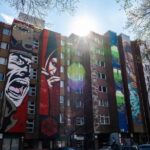
- The street-art walk in Schöneberg: visuals first, meaning right after
- Urban Nation Gallery: street art as an actual destination
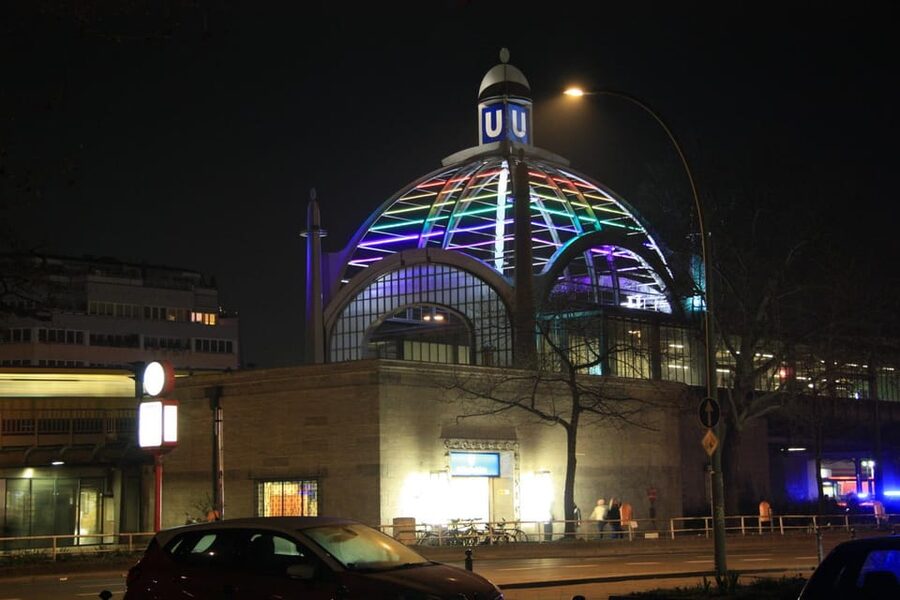
- Nollendorf: Isherwood, El-Dorado, and Hirschfeld’s Institute
- The guide makes it personal: Gali Jaffe’s tone and pace
- Price and value: is $57 for 2 hours worth it?
- Who should book this tour (and who might skip it)
- Should you book Street Art & Berlin Gay, Queer, Trans History?
- FAQ
- Where does the tour meet and end?
- How long is the tour?
- What language is the tour guide?
- How big is the group?
- Is the tour wheelchair accessible?
- Do I need anything before I go?
- Is it suitable for children?
Key things you’ll notice on this tour
- A trans guide, Gali Jaffe, leads with warmth and keeps the pace engaging
- Street art + lived history: you see art, then learn what the community built and protected
- Urban Nation Gallery stop with guided time plus free roaming
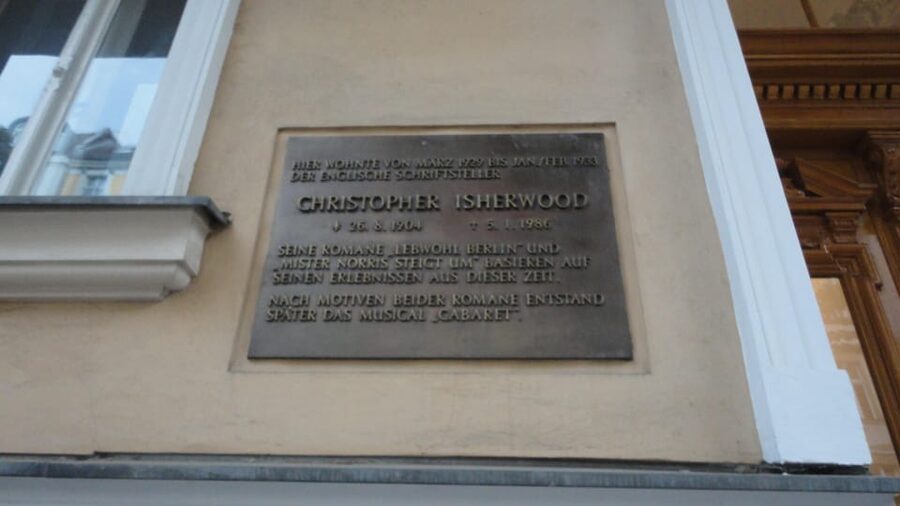
- Nollendorf storytelling tied to real names and places, including Christopher Isherwood and the El-Dorado club area
- Small group size up to 10 means you actually get questions answered
- A free Berlin Gay Map comes with your tour, so you can keep exploring after
Street Art Meets Berlin Gay, Queer, Trans History

This is the kind of tour that starts with what Berlin does best: you look up, you notice the walls, and the city starts talking back. You begin at Wittenbergplatz, then head into Schöneberg for a guided walk focused on the street art side of Berlin first. From there, you connect the art to the people and history that shaped this part of town.
What I like most is the structure. You’re not only hearing facts while half-distracted. The tour is designed around sightlines and nearby locations, so history lands in the same space where it happened. And since the guide is Gali Jaffe, you get that rare mix of art-brain and community-brain—street art isn’t treated as decoration, it’s treated as expression.
You’ll also hit a church stop that’s described as one of the more unique and interesting ones in Berlin. That matters because it keeps the tour from becoming a one-note street-art circuit. You’re seeing different layers of the city in a short time, which is great if you want variety without spending your whole day in transit.
You can also read our reviews of more tours and experiences in Berlin.


Wittenbergplatz meeting point and the easy start
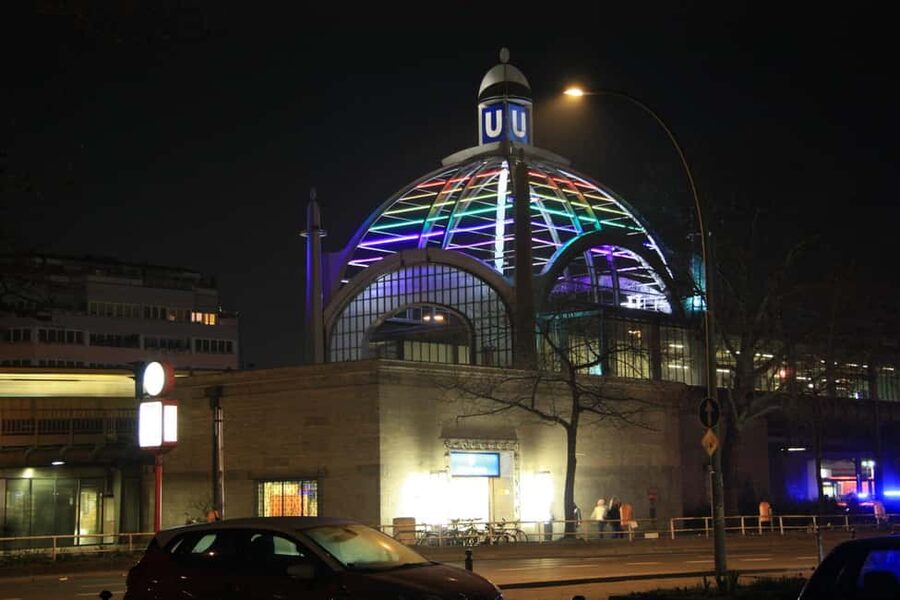
The tour starts right where it’s convenient for real life: in the entrance to the Underground Station Wittenbergplatz, in front of the KDW department store. That’s a practical pick. You don’t need an exact grid of Berlin directions to make it work—just show up at a major transit hub and get going.
You’ll then take a short public transport hop (about 5 minutes) to settle into the Schöneberg area. This little transfer is a good design choice for a 2-hour experience. It keeps things efficient. You’re not wasting precious time before the actual walking begins.
One small thing to plan for: you’ll want a public transport ticket with you, since the tour includes that transit segment. If you don’t usually buy tickets in advance, just make it part of your pre-walk routine so you’re not scrambling at the station.
The street-art walk in Schöneberg: visuals first, meaning right after

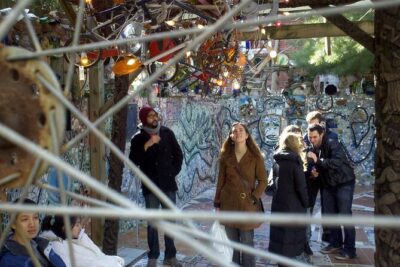
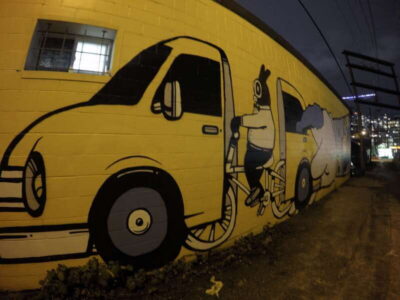
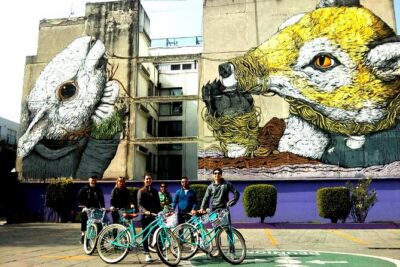
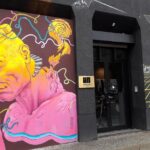
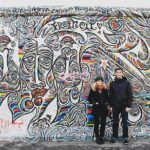
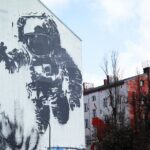
After the quick move into the neighborhood, the guided portion in Schöneberg runs about 40 minutes. This is where the tour’s vibe clicks. You start with Berlin’s street art and graffiti, and you’re guided through what to notice—style, placement, and what the work is communicating.
Then comes a shift: you continue and see that distinctive church stop. The tour description doesn’t name the church, so I won’t guess. But the intent is clear. You’re not just following murals and tags. You’re also getting a change of scenery that adds texture to what Berlin looks like when you’re not standing in front of the most famous monuments.
Why this matters: if you only look at street art as street decor, you’ll miss the point. When the guide ties it back to queer, trans, and community context, the art starts behaving like a map. It points to where expression was safe, where it wasn’t, and where people built visibility anyway.
Urban Nation Gallery: street art as an actual destination

Next up is Urban Nation, with a guided visit and about 20 minutes of free time. Urban Nation is a perfect mid-tour stop because it changes your viewing angle. Outside, you’re moving at walking speed. Inside, you can slow down and look more closely.
During the guided portion, you’ll get help reading the space and the art in it. That’s valuable even if you already love street art, because galleries have their own logic—how work is shown, grouped, and framed. The free time then gives you room to wander at your pace without the pressure of always listening.
I like this stop for another reason: it breaks up the outdoor walking so you can reset your eyes. In a 2-hour tour, that kind of pacing keeps the experience from turning into one long blur. You leave with a clearer picture of what you saw.
Nollendorf: Isherwood, El-Dorado, and Hirschfeld’s Institute

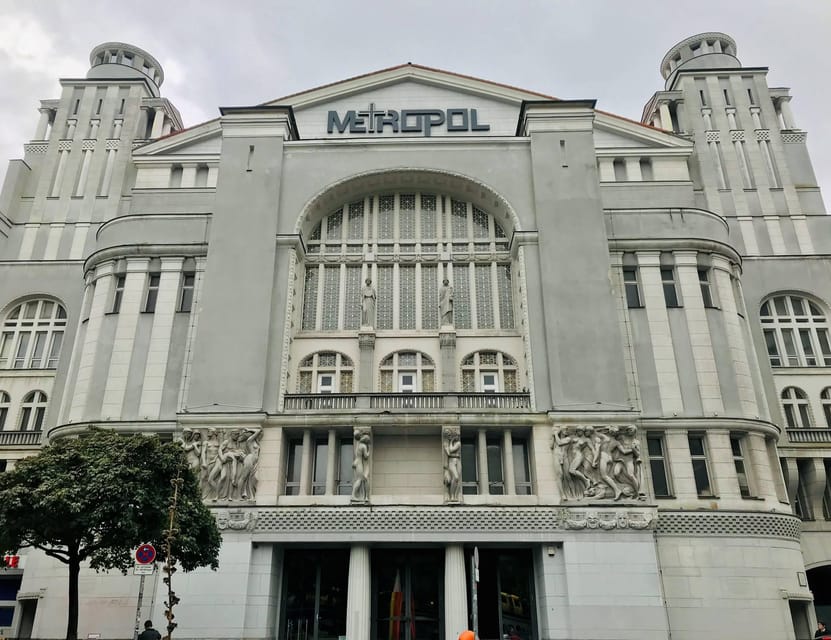
The heart of the tour’s history is set in Nollendorf, and this part runs roughly 30 minutes of guided sightseeing and walking after you’re back in the area. This is where the tour becomes more than an art crawl.
You’ll see:
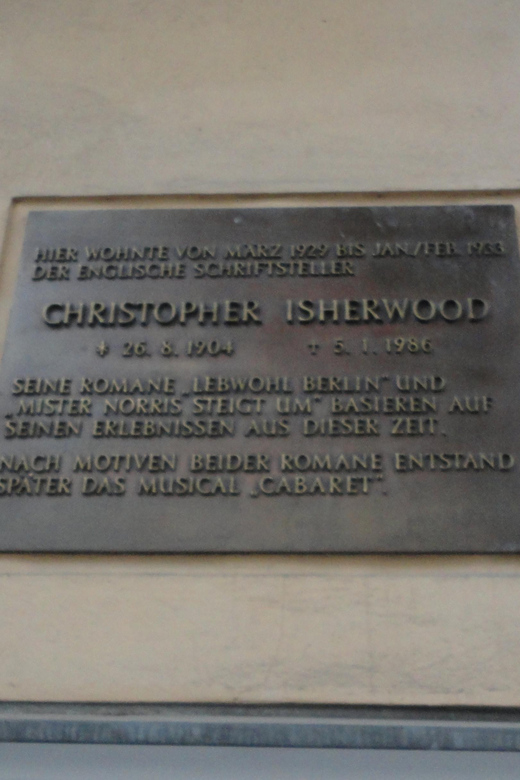
- the house of Christopher Isherwood
- the location associated with the famous El-Dorado club
- and learn about Magnus Hirschfeld and his Institute for the Science of Sexuality, often described as the first of its kind
Even if you don’t know these names going in, the way they’re placed into the walk makes the material feel grounded. You can connect the story to the neighborhood rather than treating it like a list of dates. That’s what helps a short tour actually teach you something you can remember.
One detail I found especially compelling from the tour feedback: people often describe coming away with queer footing in the city. That’s not hype. It’s what happens when a guide helps you place the community’s landmarks into a simple, walkable route. You don’t just learn names—you start recognizing the city’s signals.
Also worth noting: one shared experience in the feedback mentioned snow starting during the tour, which made the whole walk feel extra special. Berlin weather doesn’t control the story, but it can change how the streets look—and street art often takes on a different mood when the light shifts.



The guide makes it personal: Gali Jaffe’s tone and pace
This tour’s most praised element is the guide experience. Gali is described as friendly, warm, and insightful, and people highlight how she tailors the tour to what the group wants. That matters because a street-art/history combo can go two ways: either it feels like two disconnected halves, or it feels like one conversation. The reviews point to the second.
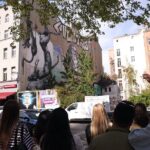
You also get the advantage of a small group limited to 10 participants, which helps questions land naturally instead of competing with crowd noise. And since it’s listed as a personal tour style, you’re not stuck in a huge herd.
The other reason the guide approach is a big deal for you: if you’re queer, trans, or exploring your own understanding, you want context that feels respectful—not like a lecture. The feedback repeatedly mentions that the tour feels engaging and welcoming, which is exactly what you want when the topic is identity and visibility.
Price and value: is $57 for 2 hours worth it?
At $57 per person for about 2 hours, this is not the cheapest way to spend an afternoon in Berlin. But for what you get, it’s fair.
Here’s the value math:
- You’re paying for a live English guide who brings both art-reading and community-context to the walk
- The tour includes street art/graffiti, a church stop, and Urban Nation with guided time
- You also get a free Berlin Gay Map, which extends your value after the tour ends
- The group is capped at 10, so you get more interaction than large-group tours
If you’re someone who likes to plan less and learn more in-place, this price starts to make sense fast. You’re not just paying for movement—you’re paying for interpretation. And when that interpretation comes from someone like Gali Jaffe, the tour becomes a shortcut to understanding the city’s queer/trans landscape without needing to stitch sources together yourself.
Who should book this tour (and who might skip it)
I’d put this near the top of the list if you:
- love street art but want the stories behind it
- want a queer and trans historical intro that doesn’t feel dry
- like walking tours with a real local guide and a small group
- want a simple way to get bearings in Berlin’s Schöneberg/Nollendorf area and then keep exploring with a map
I’d consider skipping if:
- you need a longer, museum-heavy schedule
- you’re traveling with children under 16 (the tour is not suitable for them)
- you hate public transport segments and prefer all-walking plans
One bonus for independent travelers: you can take the free map and keep moving. The tour doesn’t try to trap you in a single bubble.
Should you book Street Art & Berlin Gay, Queer, Trans History?
If your ideal Berlin day is colorful streets plus meaningful context, yes, book it. The tour’s standout strength is the pairing of street art viewing with queer/trans landmark storytelling, all delivered by Gali Jaffe in a way that feels friendly and personal. With Urban Nation as the middle anchor and Nollendorf handling the identity-history side, the route makes sense for a short 2-hour window.
Just be honest about your expectations: it’s a focused intro, not a weeks-long course. If you want a quick, well-guided foundation you can build on, this is a strong choice.
FAQ
Where does the tour meet and end?
The tour meets at the entrance to the Underground Station Wittenbergplatz, in front of the KDW department store. It ends back at the same meeting point.
How long is the tour?
The tour lasts about 2 hours.
What language is the tour guide?
The tour is guided live in English.
How big is the group?
The group is small, limited to 10 participants.
Is the tour wheelchair accessible?
Yes, the tour is listed as wheelchair accessible.
Do I need anything before I go?
You should bring a public transport ticket, since the itinerary includes a short public transport segment.
Is it suitable for children?
It is not suitable for children under 16 years old.