REVIEW · BERLIN
East Meets West: Berlin Food Culture & Street Art
Book on Viator →Run by Fork & Walk - Food Tours Berlin · Bookable on Viator
Berlin tastes better on a street-art route. This East Meets West crawl pairs Wall-side graffiti with six guided tastings across East and West neighborhoods, so you get flavor and context at the same time. I also like the small-group feel, because it makes it easier to ask questions and get real answers from guides like Lee, Elena, Tiago, and Will.
One thing to keep in mind: this is moderate walking, and the route is intentionally focused on food plus a few key art stops. If you want a day made only of headline monuments, this tour may feel a bit more targeted.
In This Review
- Quick Take: What You’ll Really Get
- Price and Value: Why $169.38 Can Make Sense
- Where You Start and End: The Route’s Shape
- Friedrichshain First: Getting Oriented Before the History Hits
- East Side Gallery: Political Graffiti Meets a Real Wall Segment
- Kreuzberg After the Switch: East-to-West in One Walk
- Schnitzel Stop: Scheers Schnitzel and the Berlin Classic Test
- Street Art Berlin: Finding the Murals You’ll Still Think About
- Ukrainian Soul Food: Slava Berlin! Ukrainian Soulfood & Nalivanki
- Markthalle Neun: The Market Hall That Survived the Worst
- Leylak and Little Istanbul: Turkish Street Food in Kreuzberg
- Currywurst at Ketels Curry: The Story Behind the Sauce
- Brammibal’s Donuts: Vegan Sweet Finish with Real Berlin Attitude
- The Guides: How Real Storytelling Changes the Stops
- Who This Tour Fits Best (And Who Might Want Another Option)
- Should You Book East Meets West in Berlin?
- FAQ
- What’s the duration of the tour?
- Where does the tour start?
- Where does the tour end?
- What time does it start?
- Is the tour offered in English?
- What’s included in the price?
- Are transport tickets included?
- Is there a vegetarian option?
- How big is the group?
- What’s the cancellation policy?
Quick Take: What You’ll Really Get
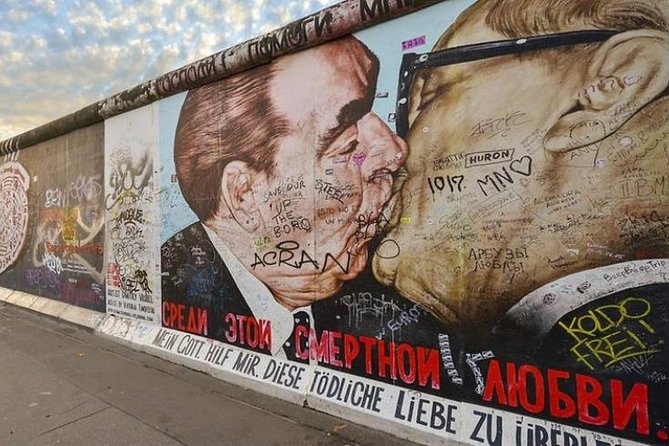
- Touching the Wall’s living artwork at the East Side Gallery stretch of still-standing Berlin Wall
- Food spanning Berlin’s immigrant mix, with stops tied to Turkish, Ukrainian, currywurst, schnitzel, and more
- A small group (max 8) that keeps the pace human and questions welcome
- Market-hall energy at Markthalle Neun, in a refurbished 1900s building that survived WWII
- A route that links Nazi-era and Communist-era stories to the streets you’re standing on
Price and Value: Why $169.38 Can Make Sense
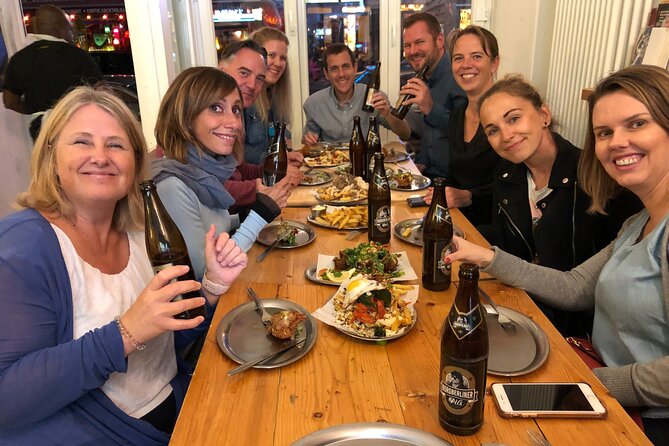
At $169.38 per person for about 3 hours 30 minutes, this isn’t a bargain snack crawl. It’s more like a guided “choose-your-own Berlin” tasting program where you pay for three things at once: direction, access, and a lineup you might not build yourself.
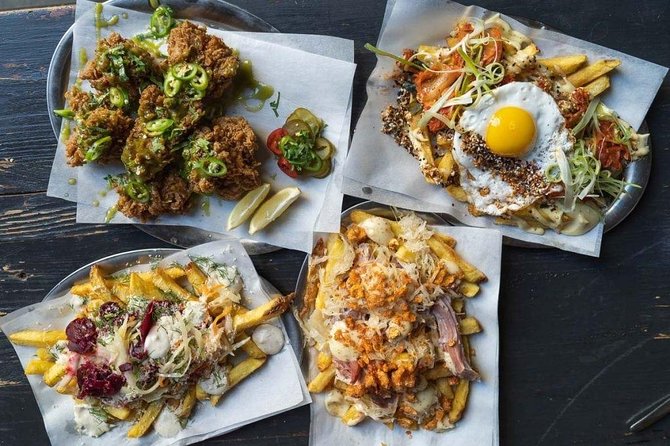
Here’s what you’re actually getting. The tour includes 6 local tastings, beverages, and a Berliner Pilsner beer. That means you’re not just paying for walking around. You’re paying for guided stops that are already lined up for you, with food and drink that add up fast if you’re doing it on your own.
Also, you’ll likely save mental energy. Berlin can feel like a lot of directions and opinions. Having a guide steer you through places in Friedrichshain and Kreuzberg takes the guesswork out. And with a mobile ticket, you’re not spending time hunting paper vouchers.
Value tip: go hungry, then pace yourself. Multiple tastings plus beer can add up to a full meal. One reviewer mentioned skipping dinner after the tour, which tells you the portions are planned to keep you satisfied.
You can also read our reviews of more tours and experiences in Berlin.


Where You Start and End: The Route’s Shape
This English-language tour starts at Industriepalast Hostel, Warschauer Str. 43, 10243 Berlin and meets at 12:00 pm. It ends near U Kottbusser Tor (on the U8 and U1 lines). That matters because you can plan the rest of your day around it. You’re not stuck circling back the way you came.
Most of the experience is on foot, with comfortable walking shoes recommended. You’ll also want a rain jacket or poncho since weather in Berlin can flip from fine to annoying quickly.
Two practical things that help:
- It’s run for a maximum of 8 travelers, so you’re not squeezed into a big herd.
- Meeting location or time may shift by season, and the operator reconfirms details by email prior to departure.
And yes, it does not include a BVG transport ticket. You’ll want your own transit plan, especially since the ending is at a major station with multiple lines.
Friedrichshain First: Getting Oriented Before the History Hits
You begin in Friedrichshain, a neighborhood strongly tied to East Berlin identity. Expect an orientation walk that sets the tone: gritty edges, creative energy, and a sense that Berlin’s history is still written in the streets.
This first stop is short (around 20 minutes), but it’s not filler. The idea is to help you understand why people talk about East and West when they talk about food, art, and even daily life. Berlin’s modern “mix” didn’t land by accident. It grew from political separation, then from choices made after reunification.
You’ll get your bearings fast. That’s the benefit of starting with a neighborhood “lens” instead of rushing straight to the most famous photos.
Possible consideration: this isn’t the part where you get dramatic sightseeing. It’s more groundwork, so if you need instant postcard moments, you may have to wait a bit for the big art payoffs.
East Side Gallery: Political Graffiti Meets a Real Wall Segment
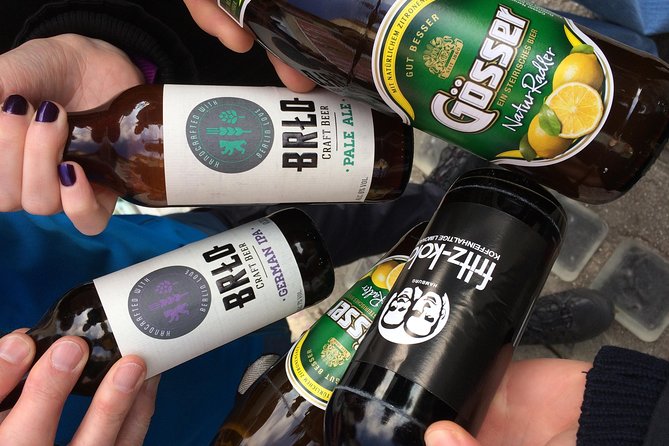
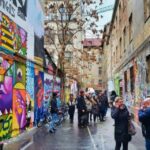
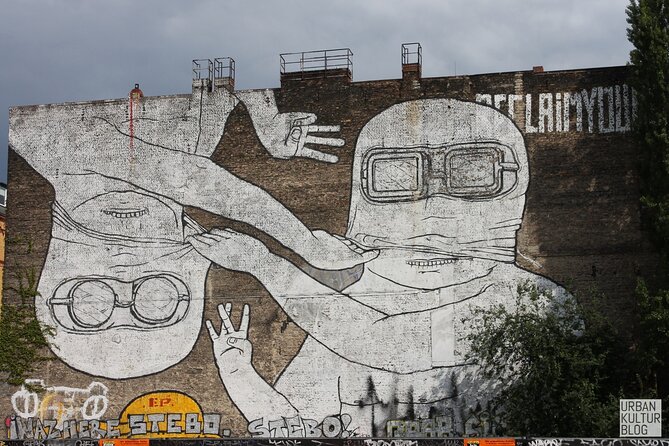
Then comes the star stop: East Side Gallery. You’ll explore the former Berlin Wall’s most famous stretch of still-standing wall and see the political street art that grew up around it.
This section is about 20 minutes, and you’re not just looking from a distance. The tour notes you can even touch the actual Wall section. That small physical detail changes the experience. It’s one thing to read about history. It’s another to stand at the material itself.
What to watch for:
- Pay attention to how the art communicates power, protest, and hope in one frame.
- Listen for how the guide connects street art to the idea that Berlin’s freedom came with a new public language.
Value here is obvious: you get street art at scale, tied to a place that still holds meaning. And since your tastings are coming soon, you get a mental break from food while staying on-theme.
Kreuzberg After the Switch: East-to-West in One Walk
Next you cross over into Kreuzberg, a neighborhood with a reputation for creative food scenes and nightlife energy. Here’s the key point: crossing neighborhoods isn’t just a map change. It’s a historical switch from former East to former West.
You’ll get around 30 minutes here, which is enough time to feel the vibe without burning your whole day. The tour frames Kreuzberg as a place where culinary trends and day-to-day city life carry historical weight. You’ll also start moving toward tastings and art in a way that feels like a story rather than random restaurant hopping.
One helpful thing: this is where your guide’s explanations can make the food stops land harder. If you know why a neighborhood became a hub for certain communities, you understand why certain flavors and dishes belong here.



Schnitzel Stop: Scheers Schnitzel and the Berlin Classic Test
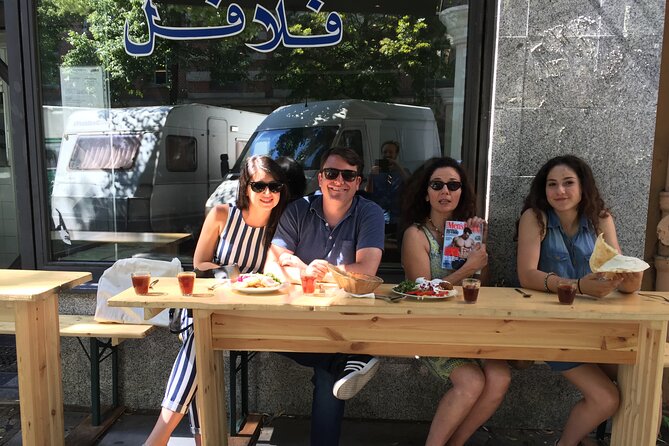
Now it’s time for Berlin comfort food: Scheers Schnitzel. This stop is 15 minutes, which tells you it’s designed as a quick taste, not a long sit-down. That’s perfect for a 3.5-hour format.
Schnitzel is a good anchor dish because it’s unmistakably German, and it works as a baseline before the tour starts broadening into other cuisines. Even if schnitzel isn’t your usual order, this tasting helps you understand how Berlin-style classics get served and why locals treat them as institutions.
Consideration: if you hate pork or avoid certain meats, plan ahead. Vegetarian options are available, but you should set expectations when booking so the guide can steer you accordingly.
Street Art Berlin: Finding the Murals You’ll Still Think About
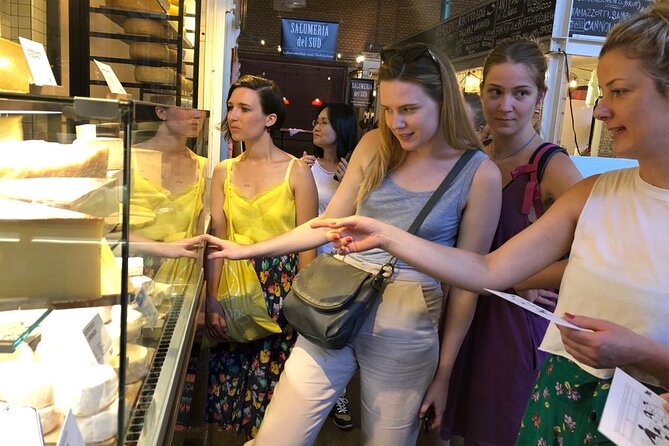
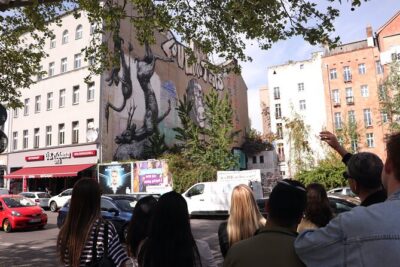
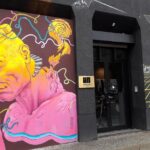
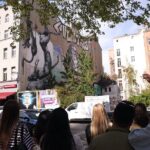
After schnitzel, you switch back to visuals at Street Art Berlin, guided toward one of the world-famous murals. This stop is 15 minutes, so it’s quick, but it’s aimed at impact.
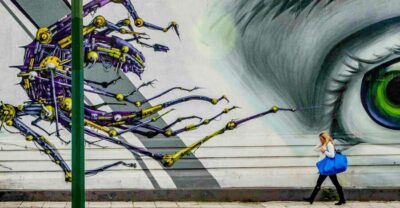
The tour describes street art here as a European mecca, and that matches the feeling you’ll get while walking around. Berlin street art isn’t only decoration. It’s storytelling. Some murals reflect the past. Others talk about present tensions, politics, and future ideas.
What you’ll do in this stop:
- See a major mural rather than a random wall.
- Learn the story behind it in plain language, not academic fog.
If you love photos, bring your camera patience. If you love art interpretation, bring your curiosity. Either way, this is one of the spots that turns your food day into a Berlin day.
Ukrainian Soul Food: Slava Berlin! Ukrainian Soulfood & Nalivanki
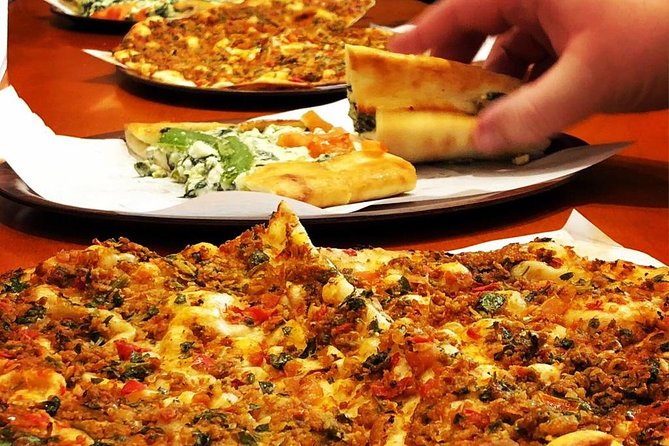
One of the best “culture-through-food” moments is Slava Berlin! Ukrainian Soulfood & Nalivanki. The tour gives it 20 minutes and frames it as a modern Ukrainian story in Berlin, run as an immigrant women-led restaurant.
This stop is valuable because it isn’t just about novelty. It’s about showing how Berlin’s food culture keeps evolving through real communities. The setting matters too: this isn’t presented as a theme park restaurant. It’s presented as a lived-in part of the city.
Also, “Nalivanki” is part of the point. You’re getting a flavor of how Ukrainian traditions show up in Berlin’s dining scene, likely through small tasting formats that fit the tour pace.
Diet note: if you’re vegetarian, you’ll want to flag that early. The tour says a vegetarian option is available, but the exact swaps aren’t stated here, so booking-time communication is your friend.
Markthalle Neun: The Market Hall That Survived the Worst
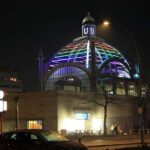
Then you move into Markthalle Neun, a refurbished 1900s market hall. This stop is 30 minutes, which is generous for a tasting tour and makes it more than a quick snack.
Here’s what makes Markthalle Neun worth your attention:
- The building survived WWII destruction and remained a working market space.
- It’s presented as a symbol of independent food culture, not a fully sanitized commercial mall.
- The event calendar connects food and beverage people with surrounding producers.
This is where you can slow down a bit. You’ll get a sense for how Berlin’s food scene supports local makers. It’s a good bridge between the “small storefront tastings” vibe and the bigger city food picture.
Possible drawback: because it’s more of a hangout space than a single-counter stop, you’ll want to pay attention when your guide points out what to taste and where to look. The market is lively, and it’s easy to wander your focus.
Leylak and Little Istanbul: Turkish Street Food in Kreuzberg
One of the tour’s most satisfying ideas is the emphasis on Little Istanbul, where Berlin’s largest Turkish community outside Turkey has shaped the neighborhood for decades. The stop here is Leylak, around 20 minutes, focused on typical street-food recipes from the Anatolian region.
Why it works: this is food culture that feels like it already belongs to Berlin. You’re not eating a “foreign” dish in a tourist bubble. You’re tasting the results of real community presence and everyday culinary habits.
You’ll likely also get context on how Turkish influence reshaped Kreuzberg through the 80s and 90s, and how that history shows up in what people eat, where they gather, and what the streets feel like.
If you like bold flavors, this is a likely highlight. If you’re unsure, that’s fine too; your guide’s job is to help you order and understand what you’re tasting without overcomplicating it.
Currywurst at Ketels Curry: The Story Behind the Sauce
Next is Ketels Curry, a tasting stop built around the story of currywurst. Berlin’s most famous snack can seem straightforward until you learn the origin tale.
The tour frames the currywurst story as something many Berliners don’t even know, which tells you the guide will likely focus on facts that go beyond the obvious. That’s the real value here: your bite comes with a reason it matters.
This stop runs about 20 minutes. The format fits the pacing: taste, learn, move on. And currywurst is a good “bridge” dish because it’s German in style but influenced by the way Berlin’s modern food culture absorbed global flavors over time.
Brammibal’s Donuts: Vegan Sweet Finish with Real Berlin Attitude
Finally, you cap the tasting with Brammibal’s Donuts in Maybachufer. This is around 20 minutes and centers on vegan donuts.
Even if you don’t identify as vegan, this stop is still worth it because it shows a slice of Berlin that’s easier to understand through dessert. Vegan food here isn’t presented as a trend fad. It’s presented as a real part of the city’s eating habits, especially when you see how popular these donuts are.
If you’re doing the tour after lunch, this will still land. Sweet stops can feel heavy late in a walking tour, but the overall structure gives you enough time to enjoy it without hitting meal-fatigue.
The Guides: How Real Storytelling Changes the Stops
The strongest theme in the reviews is the guide factor. People consistently highlighted that their guide did more than name dishes. They explained the streets.
Names like Lee, Elena, Tiago, and Will show up in feedback, and the pattern is clear:
- They connect food to neighborhood stories and major historical moments.
- They answer questions with practical detail, not just facts.
- They steer you toward places locals know, not just the most obvious tourist menu.
That’s why a small group matters. With a max of 8 travelers, you’re less likely to get ignored. You can ask about ingredients, history, or what to do next after the tour ends.
Who This Tour Fits Best (And Who Might Want Another Option)
This is ideal if you want a Berlin food tour that’s also a street art walk and a light history course. It’s for you if:
- You like eating your way through neighborhoods like Friedrichshain and Kreuzberg.
- You want both German classics and immigrant-influenced foods in the same afternoon.
- You care about the stories behind places, especially the Wall and East-West shifts.
It may not fit if:
- You want a tightly packed list of major monuments, all in one afternoon.
- You prefer long restaurant meals over quick guided tastings.
- You’re very sensitive to walking time, since there is moderate walking and multiple stops.
Should You Book East Meets West in Berlin?
I’d book it if you’re the kind of traveler who likes your sightseeing with a fork in hand. The tour’s mix of Wall history, street art, and a structured set of tastings makes it a strong value in practice, not just on paper.
Book it sooner rather than later. It’s often reserved about 23 days in advance, which usually means popular dates go first. And if you have dietary needs, send them during booking so the vegetarian option (and any swaps) are ready before you arrive.
If you want one afternoon that adds up to a full Berlin story—history, art, and food—this is a solid pick.
FAQ
What’s the duration of the tour?
The tour lasts about 3 hours 30 minutes.
Where does the tour start?
It starts at Industriepalast Hostel, Warschauer Str. 43, 10243 Berlin.
Where does the tour end?
It ends near U Kottbusser Tor.
What time does it start?
The listed start time is 12:00 pm.
Is the tour offered in English?
Yes, it’s offered in English.
What’s included in the price?
You get 6 local tastings, beverages, food tasting, a local guide, and a Berliner Pilsner beer.
Are transport tickets included?
No. A BVG transport ticket is not included.
Is there a vegetarian option?
Yes, a vegetarian option is available. You should advise your dietary needs at booking.
How big is the group?
The tour has a maximum of 8 travelers.
What’s the cancellation policy?
You can cancel for a full refund up to 24 hours before the experience start time. If you cancel less than 24 hours before, the amount paid is not refunded.