REVIEW · ATHENS
Athens: Guided Street Art Walking Tour
Book on GetYourGuide →Run by Alternative Athens · Bookable on GetYourGuide
Street art turns Athens into a living diary. This guided Athens street art walking tour is a fast way to read the city’s present tense, using walls instead of guidebooks, with a street artist leading you through Psyri, Gazi, and Monastiraki in about 3 hours. I love that the tour treats graffiti like a language, not just decoration, and I especially like that it connects works by artists like WD, iNO, and Moralez to real social and economic change in Greece.
The main drawback is simple: it’s a walking tour. You’ll cover a fair bit of ground on city sidewalks, so plan for lots of steps and bring comfortable shoes—and note it isn’t suitable for wheelchair users or people with mobility impairments.
In This Review
- Key things to know before you go
- Why Athens’ graffiti is the most honest guidebook you can buy
- Price and value: $57 for 3 hours of city reading
- Meeting point: getting started near the Association of Greek Archaeologists
- The route logic: three neighborhoods, one day’s worth of meanings
- Psyri: the tour’s “read the city” atmosphere
- Gazi: where street art meets a more modern Athens
- Monastiraki: contrast and context near a traffic-heavy center
- The artists you’ll hear about: WD, iNO, Moralez, and more
- How the guide makes it work: conversation, safety, and street-artist storytelling
- What to wear and bring so the tour feels easy
- Who this tour suits best
- Should you book this Athens street art walking tour?
- FAQ
- How long is the Athens guided street art walking tour?
- How much does it cost?
- Where do I meet the guide?
- What’s the easiest way to get to the meeting point by metro?
- What languages is the tour offered in?
- Is transportation included?
- Is this tour suitable for wheelchair users or reduced mobility?
- What should I bring?
- Are there private groups available?
Key things to know before you go
- A street-artist guide reads the walls for you, including the meaning behind symbols and style
- You’ll hit three neighborhoods that most first-timers skip in favor of the classics
- Greece’s crisis shows up in the art, turning graffiti into social commentary
- You’ll learn names you’ll actually remember, like WD, iNO, and Moralez
- The pace is built for conversation, with room for questions and opinions
- It’s a strong pick for teens, not just adults who love art theory
Why Athens’ graffiti is the most honest guidebook you can buy

Athens has always been layered. This tour leans into the layer most visitors miss: street art. Instead of treating Athens as only ancient ruins and marble views, you get a guided way to understand the city’s modern pulse—through tags, murals, and messages painted where people actually live and work.
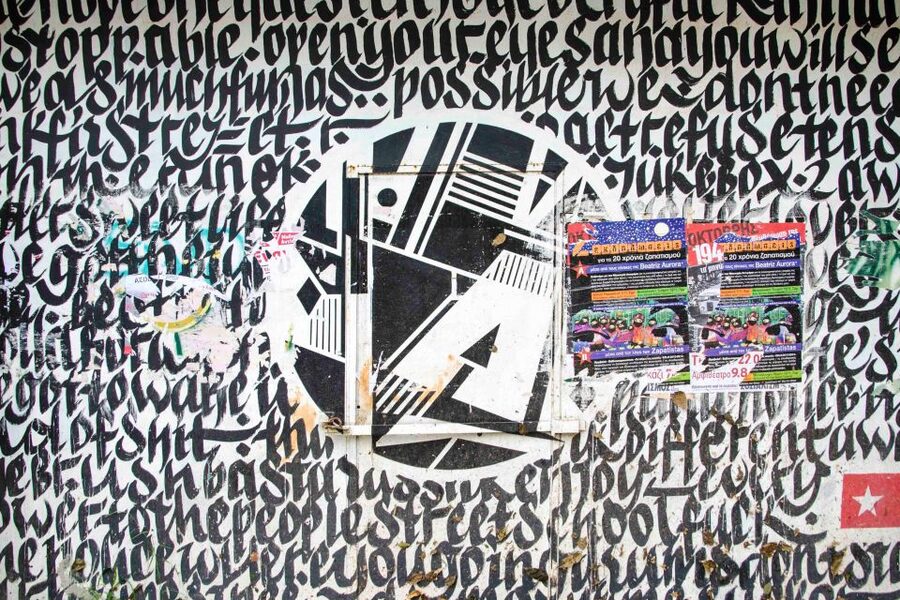
What I like most is the tour’s focus on interpretation. You’re not just being shown where to stand for a photo. You’re learning how to look: recurring characters, lettering styles, and visual clues that point to identity, politics, and everyday frustrations. When the guide connects the art to Greece’s economic and social crisis of recent decades, graffiti starts to make sense as a form of public storytelling—sometimes angry, sometimes hopeful, often both.
And the guide matters. Many of the experiences are led by Athens-based street artists, including guides named Nikos (sometimes listed as Nikos Rude), Pavlina, Elisabeth, and Achilles in past groups. Their credibility shows up in how the tour explains technique and intent—so you don’t leave feeling like you watched a slideshow. You leave feeling like you gained a set of reading skills.
You can also read our reviews of more tours and experiences in Athens.



Price and value: $57 for 3 hours of city reading
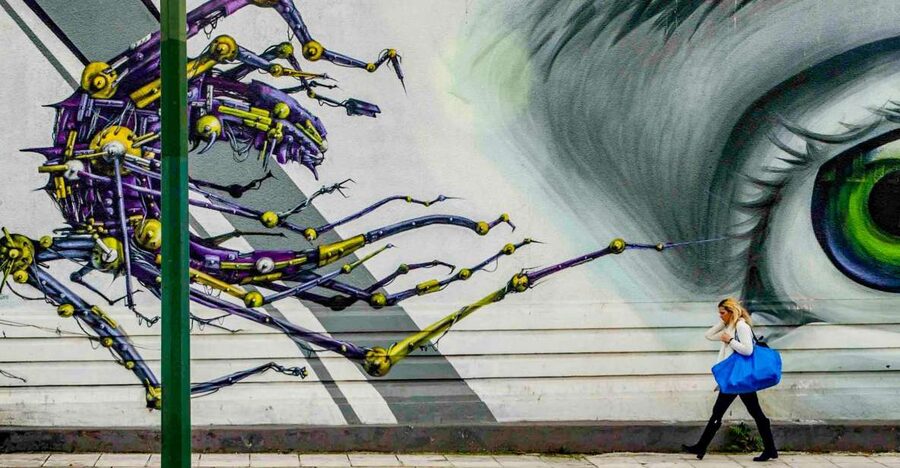
At $57 per person for a 3-hour walking tour, you’re paying for something that’s hard to replicate on your own: an informed interpreter plus an efficient route. You don’t have to hunt for murals or guess which walls matter. The guide’s picks also lead you into neighborhoods you might not wander into by accident.
Is it worth it if you’re not a graffiti fanatic? If you like art with context—politics, culture, street-level creativity—yes. The tour is designed to work even if you don’t sketch or spray-paint. One recurring theme from the experience is that the tour makes street art understandable, even when the imagery is coded or symbolic. That’s the value: clarity plus location.
If you only want the classic highlights, you may feel like this is a detour. But if you want Athens beyond the postcard circuit, this is one of the most direct ways to get it.
Meeting point: getting started near the Association of Greek Archaeologists
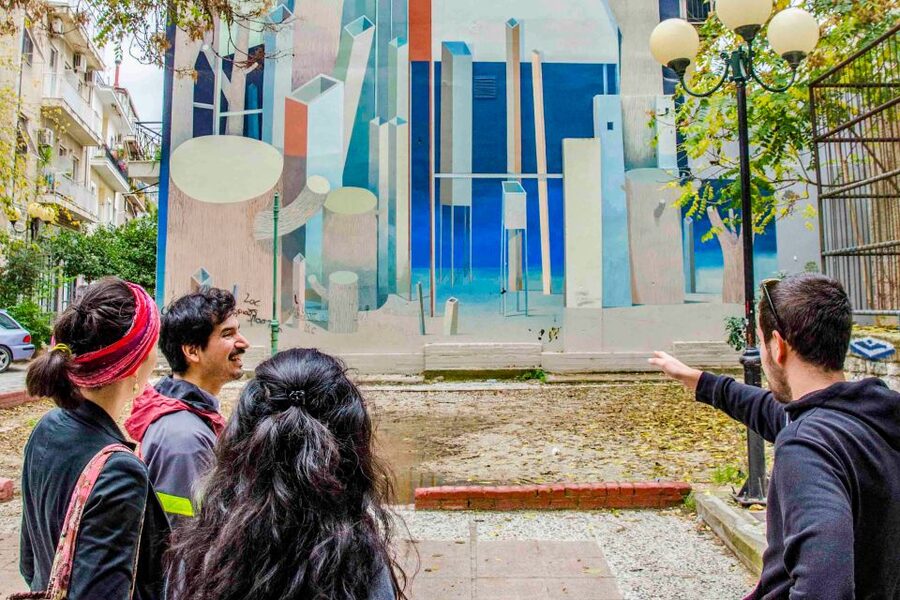
You meet in front of the Association of Greek Archaeologists. It’s an easy anchor point on foot once you’re close, and it helps that there are two simple transit approaches listed.
- Take the green line train to Thissio, then walk to the meeting area.
- Take the blue line to Monastiraki Metro Station, then walk along Adrianou Street.
This matters because the tour is only 3 hours. You don’t want to spend half that time figuring out where to gather. With the meeting point fixed, you can show up, get your intro, and start reading the walls quickly.
Also, build in time for street-level chaos. Sidewalks, intersections, and crowd flow can slow you down, especially around busy neighborhood connectors.
The route logic: three neighborhoods, one day’s worth of meanings
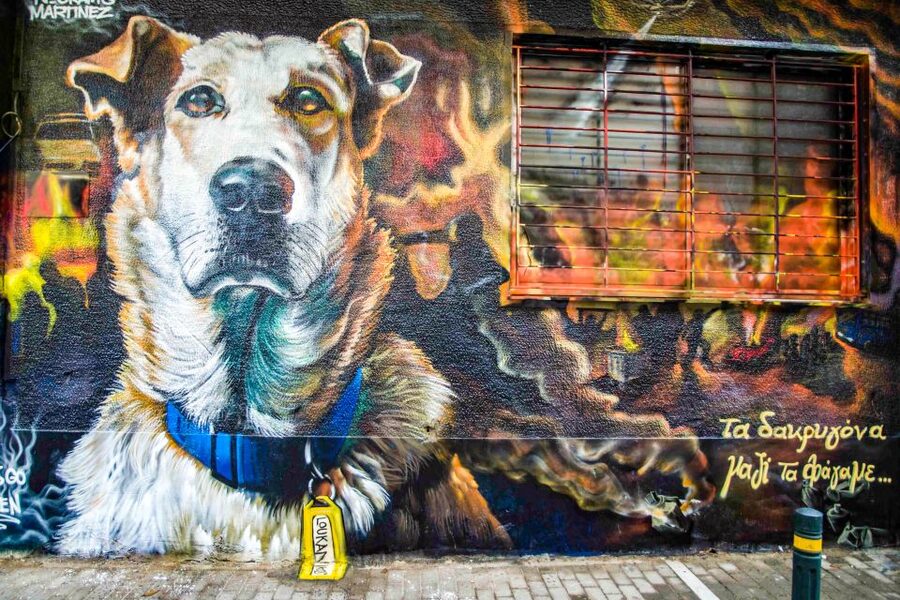
The tour is set up to show how street art changes with place. You move through central Athens neighborhoods known for their contemporary character, not just landmarks. The route typically starts around one of three starting options (Thiseio is one), then continues through the stops of Psyri, Gazi, and Monastiraki, finishing back in Psyri.
Why that order works: street art doesn’t exist in a vacuum. The guide uses each neighborhood like a chapter. You see different styles, different levels of polish, and different kinds of messages—then you connect them back to how people live and feel in that area.
Psyri: the tour’s “read the city” atmosphere
Psyri is where the tour begins (from your starting point option) and also where it finishes. That gives you a full arc: you start learning a vocabulary, then you end with a stronger sense of what that vocabulary helps you notice.
In Psyri, the art tends to feel like it’s talking to the neighborhood’s everyday energy. The guide’s explanations are built to help you spot what you’d otherwise miss: how an image can be political without being a headline, or how a style choice can signal identity.
What to watch for: look for repeated themes the guide flags—often the pieces are connected to larger messages about the country’s recent hardship, or about the desire to respond to it. The point isn’t to memorize names. It’s to build pattern-recognition fast.






Gazi: where street art meets a more modern Athens
Gazi is the stop that often feels like you’re stepping into the Athens people talk about when they mean contemporary. The tour uses the neighborhood to show that graffiti is part of present-day culture, not just a background texture.
The guide typically links works to artists and styles, including standout names mentioned by past groups. If you’re hoping to see big, confident pieces rather than small tags, this stop is often where you’ll feel the scale shift.
What to watch for: pay attention to how the art communicates without traditional context. You’ll get tools for interpreting symbolic content—so even if you don’t know Greek terms, you can still understand the message structure the guide points out.
Monastiraki: contrast and context near a traffic-heavy center
Monastiraki can be a busy area, and that’s exactly why it’s valuable on this tour. It acts like a contrast zone: you see street art in a setting that many visitors pass through quickly, but the guide slows it down and puts meaning back into focus.
Here, you’re more likely to notice how graffiti works as commentary amid everyday movement. You learn how some artists use recognizable signatures or lettering conventions, while others go for symbolism and narrative.
Practical tip: if the area feels crowded, let the guide lead the timing. Several stops depend on you reaching the right wall at the right moment to actually see details.
The artists you’ll hear about: WD, iNO, Moralez, and more
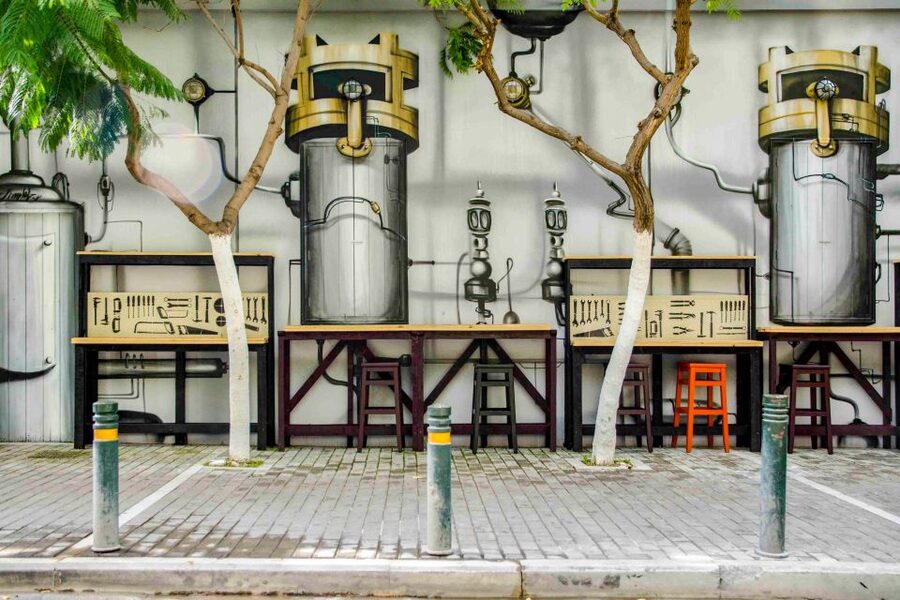
Street art can look like a free-for-all until someone teaches you the “alphabet.” This tour introduces artists by name and then ties their style choices to the wider message.
From the tour description and past groups, key names include WD, iNO, Moralez, and others. Even if you only catch a few pieces clearly, the guide’s job is to give you enough context that the art doesn’t feel random.
A good moment to take in: when the guide breaks down how particular imagery connects to Greece’s economic and social crisis. That’s where the tour feels most “Athens.” You stop seeing graffiti as decoration and start seeing it as witness—voices responding to hard decades in a way that’s public and impossible to ignore.
How the guide makes it work: conversation, safety, and street-artist storytelling
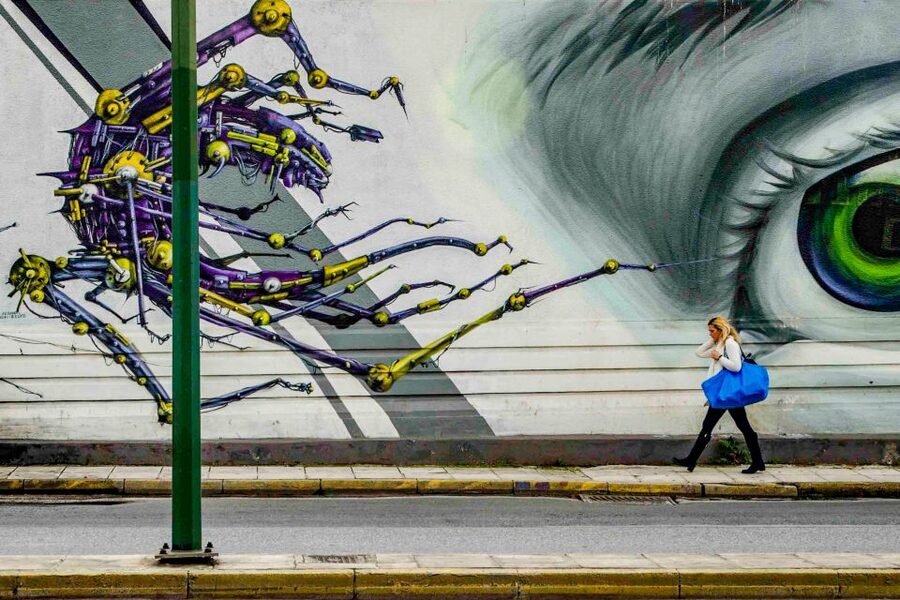
One thing that comes through strongly is that the best moments aren’t just the walls. It’s the way the guide talks and answers questions.
Many groups mention guides who are street artists themselves, which makes a difference. When someone has made art—at least at some point in their youth—they can explain technique and intent with directness. The tour descriptions and group experiences also highlight a relaxed style that encourages questions and opinions.
For you, that means you don’t have to be an expert. You can say what you see and ask what it might mean. The guide can usually connect your interpretation to the city’s broader story.
Safety-wise, this is still an urban walk. The tour is designed as a city stroll with guidance, not a remote trek. You’ll still want to stay aware around roads and keep your phone use sensible as you move between walls.
What to wear and bring so the tour feels easy
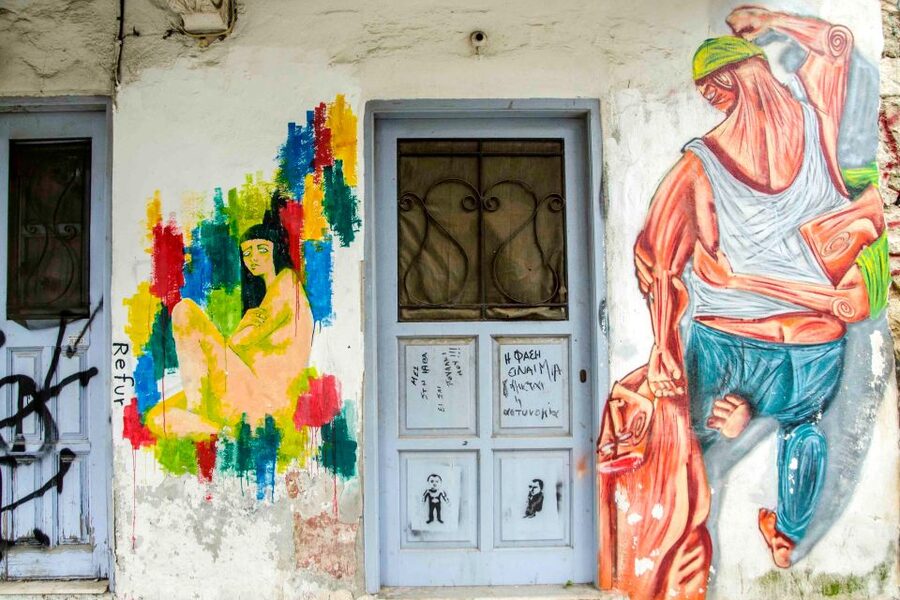
This one is short and practical. Wear comfortable shoes because you’ll be on foot for 3 hours. Bring a light layer if you run hot or cold easily, since Athens weather can shift across the day.
If you’re planning to take photos, you’ll enjoy it more if you treat this as slow looking. The guide’s best explanations are tied to visual details, and it’s easier to notice them if you pause.
If you’re sensitive to political messaging, know that the tour includes themes linked to Greece’s social and economic crisis. That focus is part of the point, so you should go in expecting that street art can be blunt.
Who this tour suits best

This is a strong match if you:
- Love art and want context, not just locations
- Want to see Athens through neighborhoods like Psyri, Gazi, and Monastiraki
- Like political and social stories told through everyday culture
- Travel with teens and want something that holds attention
Past groups also described it as a highlight of the trip, and kids of varied ages handled it well when the guide set a good pace. If your family enjoys asking questions and watching how a city works, this tour is a good fit.
If you’re coming only for the ancient sites and museum checklist, you may feel like street art is a left turn. But if you want the Athens that lives after the monuments, this is one of the most time-efficient ways to get it.
Should you book this Athens street art walking tour?
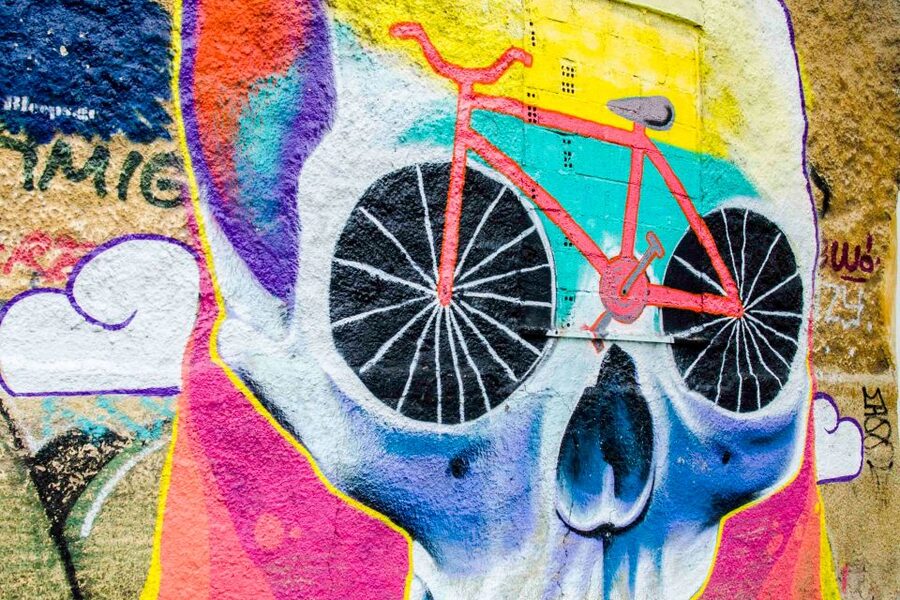
Book it if you want Athens beyond the obvious and you like art with meaning. The combination of a street artist guide, a tight 3-hour route through Psyri–Gazi–Monastiraki, and the chance to connect works by artists like WD, iNO, and Moralez to Greece’s modern crisis gives you a richer city read than walking alone.
Skip it if you can’t do a walking tour comfortably, or if you only want quiet, monument-focused sightseeing. This is street level. It’s contemporary Athens.
If you’re on the fence, ask yourself one question: do you want to understand what you see, even when it’s coded or political? If yes, this is a very solid $57 spent.
FAQ
How long is the Athens guided street art walking tour?
It runs for 3 hours.
How much does it cost?
It’s listed at $57 per person.
Where do I meet the guide?
You meet in front of the Association of Greek Archaeologists.
What’s the easiest way to get to the meeting point by metro?
You can take the green line to Thissio, or the blue line to Monastiraki Metro Station and walk along Adrianou Street.
What languages is the tour offered in?
The live tour guide offers French and English.
Is transportation included?
No. Transportation is not included.
Is this tour suitable for wheelchair users or reduced mobility?
No. It’s not suitable for people with mobility impairments or wheelchair users.
What should I bring?
Wear comfortable shoes, since it’s a walking tour.
Are there private groups available?
Yes, private group options are available.