REVIEW · ATHENS
Awesome Street Art Tour in Athens with a Local Expert Small-Group
Book on Viator →Bookable on Viator
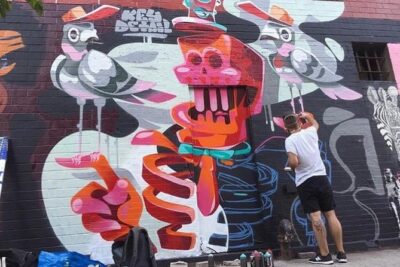
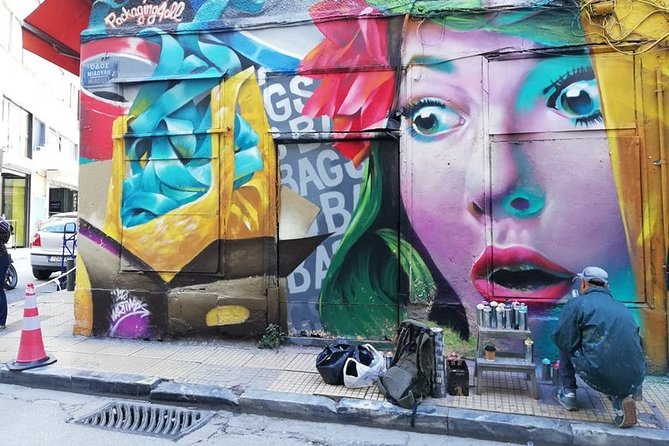
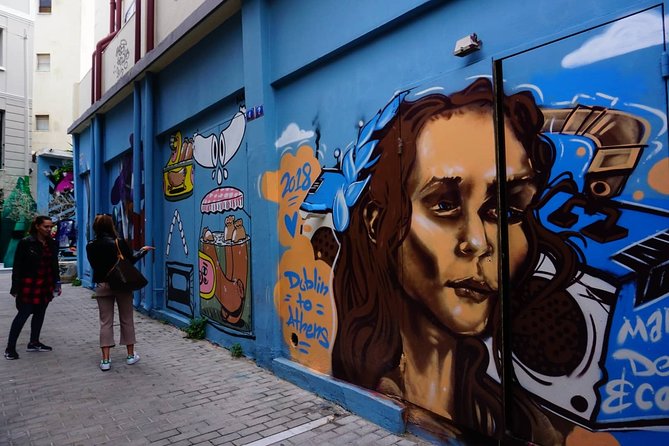
Street art turns Athens into your outdoor gallery. What makes this walk great is that you see murals across Gazi and Kerameikos while a local expert explains the stories, symbols, and why each work exists. I also like the small group size (up to eight), which keeps the pace friendly and makes it easy to ask real questions.
The one thing to watch is timing: it’s about three hours, and if you pick an evening slot it can get harder to see fine details toward the end. Plan for a steady walk and comfy shoes.
In This Review
- Key takeaways before you go
- Entering Athens Through Walls: What This Street Art Walk Feels Like
- Small Group Magic with Local Artist Guides (Kalliopi, Thomas, Katerina, Athena, Janis)
- From Gazi to Kerameikos: The 5 Stops and Why the Timing Works
- Stop 1: Gazi (about 30 minutes)
- Stop 2: Psirri (about 1 hour)
- Stop 3: Monastiraki (about 30 minutes)
- Stop 4: Omonia Square (about 30 minutes)
- Stop 5: Kerameikos (about 30 minutes)
- How to Read Murals Like a Local: Meaning, Style, and Context
- Timing and Comfort: Pacing, Light, and the Mid-Walk Break
- Price and Value (59.28 USD): What You’re Really Paying For
- Turn the Walk Into a Real Athens Day: Start, End, and What to Do Next
- Should You Book This Athens Street Art Tour?
- FAQ
- How long is the street art tour?
- What’s the maximum group size?
- Which neighborhoods are included in the walk?
- What’s included in the $59.28 price, and what should I bring?
- Is the tour offered in English?
- Are service animals allowed?
- What if plans change or weather is poor?
Key takeaways before you go
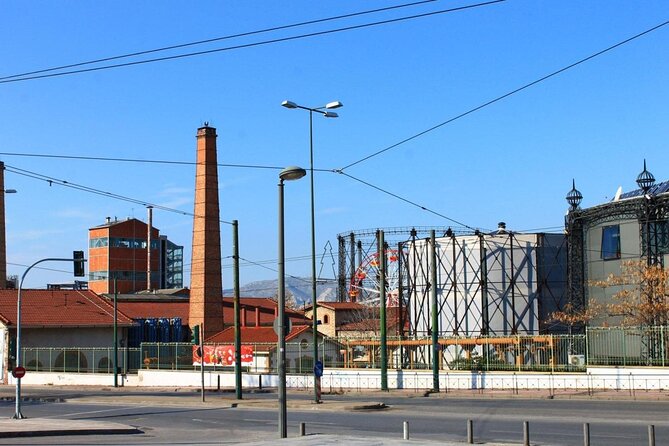
- Up to 8 people means you get personal answers instead of herd-tour vibes
- Five neighborhood stops: Gazi, Psirri, Monastiraki, Omonia Square, and Kerameikos
- Local artist guidance you might meet includes Kalliopi, Thomas, Katerina, Athena, and Janis
- Photo perks: bottled water, photos of murals, and optional help getting group shots
- Art education with context: styles, motivation, and the cultural or political meaning
- Morning or evening tours: choose morning if you hate the idea of dim light at the end
Entering Athens Through Walls: What This Street Art Walk Feels Like
This tour works because it treats street art like a language, not just decoration. You walk through central Athens and stop often enough to actually look—then your guide connects what you’re seeing to the artist, the technique, and the message behind the wall.
I like the mix of street-art focus and practical Athens help. Along the way you get background stories on the pieces you’re seeing, plus local recommendations for food, culture, and alternative spots—so the tour doesn’t end when the walk ends.
And since the stops are admission-free, you’re not juggling ticket lines or entrance fees for the actual art-viewing parts. Even better, you start with a simple plan: a guided walk through 4–5 neighborhoods (the walk includes five stop areas), with bottled water so you can stay comfortable.
You can also read our reviews of more tours and experiences in Athens.


Small Group Magic with Local Artist Guides (Kalliopi, Thomas, Katerina, Athena, Janis)
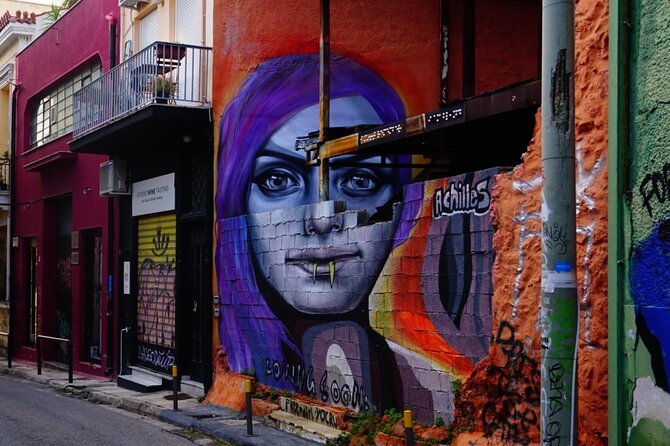
The biggest quality-of-life win here is the cap of eight travelers. That number matters in a walking tour, because street art is detailed work. When the group is small, you can ask questions like what the symbols mean, why an artist chose a specific spot, or how graffiti differs from the more polished mural style you might be seeing.
Guides are often artists themselves, and names you may run into include Kalliopi, Thomas, Katerina, Athena, and Janis. In multiple outings, the guides lean into clear explanations and patient Q&A, not just a fast walk-past of wall after wall.
One smart bonus: the tour includes artist highlights and background stories, and the discussion goes beyond naming an artist. You get the motivation behind pieces, and you also get context for the political and cultural sides of street art, with an approach that tries to stay thoughtful rather than one-sided.
If you like art, you’ll probably come away with a new way of seeing Athens. If you don’t think you’re an art person, this still has a good chance of working, because the guide helps you understand the why behind the work before you judge the style.
From Gazi to Kerameikos: The 5 Stops and Why the Timing Works

This is a walking route built around short, focused stops, so you get both variety and context. You’ll spend time in five neighborhood areas: Gazi, Psirri, Monastiraki, Omonia Square, and Kerameikos. Each stop is ticket-free, so you’re only dealing with walking and looking.
Here’s how the stops shape the experience:
Stop 1: Gazi (about 30 minutes)
This opening stop is short, which is useful. It helps you get your eyes calibrated fast—once you know what to look for (symbols, style choices, and message), the rest of the walk gets easier and more rewarding. Expect quick art viewing plus guide-led context rather than long lingering.
Stop 2: Psirri (about 1 hour)
This is the longest stop. That extra time is where you get a deeper feel for how Athens street art can shift in style and theme. It’s also a nice moment in the tour when questions can flow—if something on the wall clicks for you, you’ll likely have time to ask.



Stop 3: Monastiraki (about 30 minutes)
Monastiraki’s stop length keeps it energetic. You’ll move through, look closely, and then reset your attention when you get new context. This kind of stop is great for people who don’t want to get stuck in one spot for too long but still want real explanations.
Stop 4: Omonia Square (about 30 minutes)
Omonia Square is another mid-length stop that keeps variety in the route. Think of this as part of the tour’s goal: showing you the street art side of Athens in places you might not naturally target on your own.
Stop 5: Kerameikos (about 30 minutes)
This is the finish zone, and it matters. The tour ends in Kerameikos, with the endpoint at Giatrakou 9. Since Kerameikos is also one of the neighborhoods highlighted in the experience, you’re ending on a strong note—plus it gives you a plan for the rest of your evening or afternoon nearby.
One practical note: the experience is listed as about three hours, but walking pace can vary. On hot days, the pace may include a rest stop halfway so you can cool down. Also, if you’re walking faster and skip breaks, you may finish closer to the shorter end of the time range.
How to Read Murals Like a Local: Meaning, Style, and Context
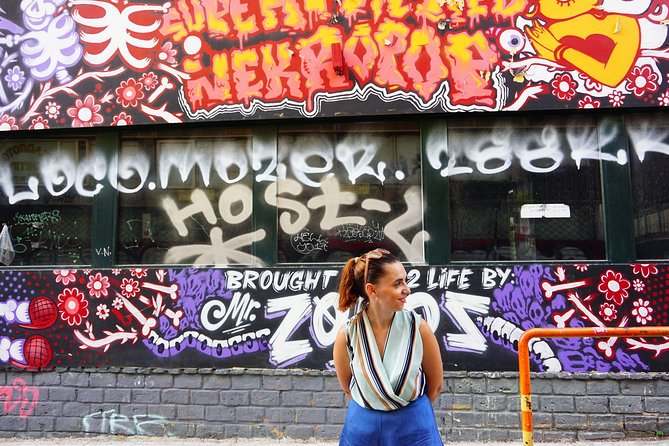
Street art is easy to “enjoy with your eyes” and hard to “understand with your brain” unless someone explains it. That’s where this tour really earns its spot.
You’ll learn the basics and then go further:
- how to tell apart graffiti-style work versus more formal street art approaches
- how artists build meaning through symbols and visual choices
- how political and cultural relevance can show up on walls
- why the location of a piece matters as much as what it shows
The guides also tend to talk about techniques and the motivation behind pieces, not just the artist name. That’s a big deal because it changes how you look at every mural afterward. Instead of seeing a wall as a picture, you start seeing it as a conversation.
And since the tour is in English, you can follow the context without relying on translation apps. The explanations are paced for a walking group, so you’re not stuck listening for long stretches with nowhere to move your feet.
Another small but useful touch: the tour includes photos of murals from the walk. When you’re done, you can compare what you saw in person with the photos and keep track of what meant something to you.
Timing and Comfort: Pacing, Light, and the Mid-Walk Break

This is a real walking tour. Even with short stops, you’ll be on your feet for long enough that shoes matter. The route is designed to work for most people, and it’s near public transportation, but it’s still not a sit-down museum visit.
You also need to think about light. One common planning catch: by the end, especially on evening tours or in months where daylight fades quickly, it can be harder to see the art clearly. If you care about details, choose a morning tour when possible, or at least avoid the latest time slot you can manage.
Heat is the other timing factor. The tour may slow down for a mid-route rest stop halfway around the route, especially in hot weather. Combined with bottled water, that break helps the tour feel less like a sprint.
My practical advice: if you’re the type who likes photos, bring your camera strap or phone grip and plan to stop for your shots during the guided pauses—not after everyone has moved on.
Price and Value (59.28 USD): What You’re Really Paying For
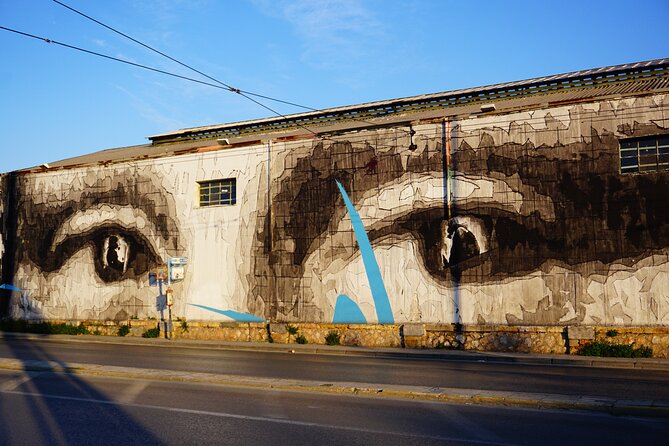
At about $59.28 per person for roughly three hours, the value comes from the mix of guidance plus extras.
Here’s what you get included:
- bottled water
- photos of murals from the tour
- a guided walking street art route through 4–5 neighborhoods
- artist highlights and background stories
- personalized local recommendations for food, culture, and alternative Athens spots
- optional photo-taking assistance, so everyone can get into the picture
What’s not included:
- public transport tickets (if you need them before or after)
- snacks during the walk
- gratuities (optional, but appreciated)
When street art tours are expensive, it’s usually because they’re either private (high cost) or they’re generic (low effort). This one is priced as a small-group format with a real local expert behind it, plus tangible freebies like water and mural photos. Those perks may sound small, but they add up when you’re walking and trying to remember what you saw.
Also, since the street art viewing stops are admission-free, you’re not paying extra on top of the tour price just to see the walls.
If you want the simplest “value check,” ask yourself this: do you want someone to explain what you’re looking at, and do you want local Athens recommendations right after? If yes, $59.28 starts to look very reasonable.
Turn the Walk Into a Real Athens Day: Start, End, and What to Do Next
The meeting point is Persefonis 41, and the walk ends in Kerameikos at Giatrakou 9. That end location is helpful: it gives you a clear next step for your day, instead of dumping you in the middle of nowhere.
Because the tour provides personalized recommendations for food and culture, your best move is to use them while the guidance is fresh. You’ll likely be able to pivot quickly: grab a meal in the style you want, fit in a cultural stop you might otherwise miss, or hunt down an alternative Athens spot your guide suggests.
And since the endpoint is in Kerameikos, you can plan your next activity in a neighborhood that’s part of what you just learned to see differently.
One last practical point: the tour uses a mobile ticket. I’d keep it handy on your phone so check-in is fast.
Should You Book This Athens Street Art Tour?
Book it if:
- you like street art and want to understand the why, not just the visuals
- you want a small group with real Q&A (up to eight people)
- you value practical local help after the walk, like food and culture suggestions
- you’re okay with a steady three-hour walking plan and want to cover multiple neighborhoods
Consider skipping or choosing a different time if:
- you get tired easily from walking and don’t want to be on your feet that long
- you dislike dim lighting and might feel frustrated if you can’t see wall details clearly toward the end (especially on evening tours)
- you prefer a super high-energy guide style; this tour can be thoughtful and explanatory, but you still want engagement
If you’re curious, it’s a strong first “street art lens” for Athens. You’ll finish with a new way to spot meaning in the city—plus a shortlist of where to go next.
FAQ
How long is the street art tour?
It runs for about 3 hours (approx.).
What’s the maximum group size?
The tour caps at a maximum of 8 travelers.
Which neighborhoods are included in the walk?
You’ll visit Gazi, Psirri, Monastiraki, Omonia Square, and Kerameikos.
What’s included in the $59.28 price, and what should I bring?
Included are bottled water, photos of murals from the tour, a guided street art walk through 4–5 neighborhoods, artist highlights and background stories, personalized local recommendations, and optional photo-taking assistance. Not included are public transportation tickets (if needed), snacks/food, and gratuities (optional).
Is the tour offered in English?
Yes. The tour is offered in English.
Are service animals allowed?
Yes, service animals are allowed.
What if plans change or weather is poor?
You can cancel for a full refund up to 24 hours before the experience starts. The tour requires good weather; if it’s canceled due to poor weather, you’ll be offered a different date or a full refund.