REVIEW · BERLIN
Alternative Berlin & Street Art Tour
Book on Viator →Run by Alternative Berlin Tours · Bookable on Viator
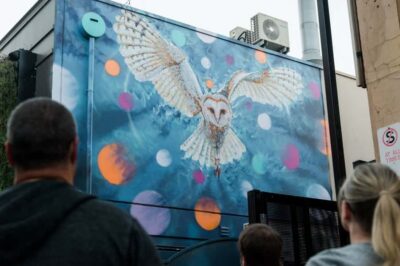
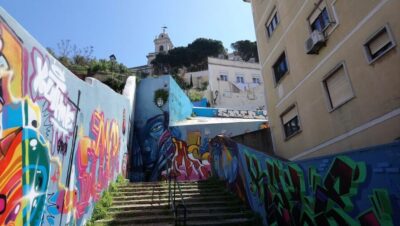
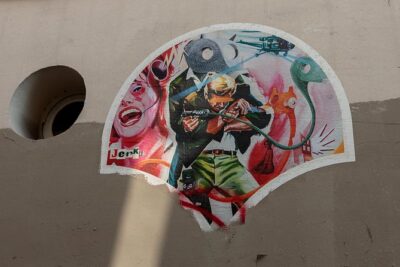
Berlin street art has a way of changing your view. This 3-hour walk ties together alternative Berlin street scenes with a smart route through Alexanderplatz, Hackescher Markt, and Kreuzberg. I like that it starts in a super easy-to-find spot and then steers you toward the corners you’d miss on your own.
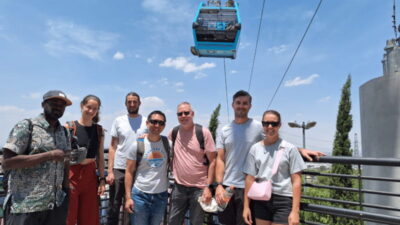
Two things I really like: you get a guide-led story (in feedback I saw, the American guide Cole called out the art, music, and young culture angle), and admission at the stops is free. One consideration: you’re not getting a transportation ticket, so plan on using public transit before and after (and the tour finishes near Ostbahnhof).
In This Review
- Key points to know before you go
- Alternative Berlin & Street Art Tour: what this experience is really about
- Berlin TV Tower start point: a convenient launchpad for street scenes
- Alexanderplatz to Hackescher Markt: learning how the city frames street art
- Hackescher Markt hidden yards: the street art you can actually step into
- Künstlerhaus Bethanien: where the alternative Berlin story gets time to breathe
- Price, duration, and why $24.06 can feel like a win
- Logistics that actually matter: meeting, finishing, and getting around
- Who this tour fits best (and who might prefer something else)
- Should you book the Alternative Berlin & Street Art Tour?
- FAQ
- How long is the Alternative Berlin & Street Art Tour?
- Where does the tour start and when?
- Where does the tour end?
- How much does the tour cost?
- Is the tour in English?
- What’s included in the ticket?
- Are admission tickets included?
- How big are the groups?
- What is the cancellation policy?
Key points to know before you go
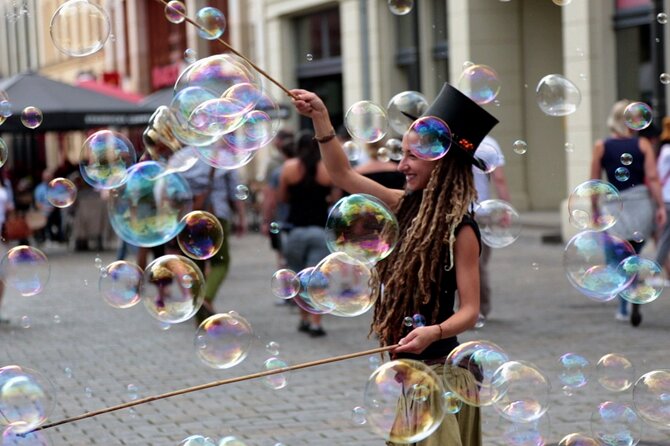
- Small group size (max 20): easier questions and more back-and-forth than the big bus-style tours
- Hidden courtyards at Hackescher Markt: this is where the street art feels most personal
- Künstlerhaus Bethanien time (about 1h45): the longest stop, built for context and stories
- Free admission at each stop: you’re paying for the guide and walking time, not entrance fees
- English mobile ticket: simple day-of setup, good for planning ahead
Alternative Berlin & Street Art Tour: what this experience is really about
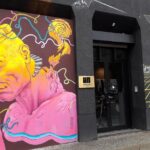
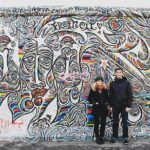
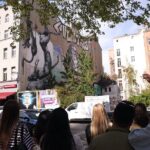
This isn’t the kind of tour that just points at murals and moves on. It’s a street art and culture route with explanations that connect what you see to how Berlin’s alternative scenes work. The pacing is built for walking and looking, not racing. With about 3 hours on the clock and a maximum of 20 people, you can actually ask questions without feeling like you’re in a human conga line.
The price, $24.06 per person, makes sense because admission at the stops is free and what you’re buying is the guide time plus a route that saves you effort. You’re not also paying for a museum ticket or a bundle of attractions. The tour also runs in English and uses a mobile ticket, so it’s a straightforward match for short stays.
One practical note: it’s a walking-oriented experience, and you should expect some time on your feet between sights. The good news is that the meeting point and the ending area are both near public transportation, so you can slot it into a day without needing to solve a big transit puzzle.
You can also read our reviews of more tours and experiences in Berlin.

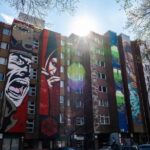

Berlin TV Tower start point: a convenient launchpad for street scenes
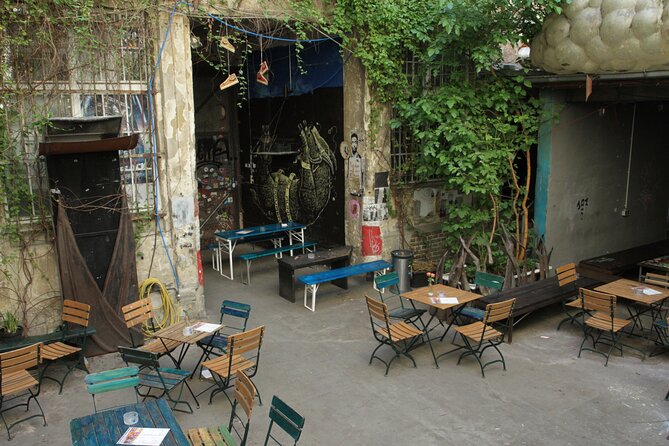
You start at the Berlin TV Tower area, Panoramastraße 1A, 10178 Berlin, with the start time listed as 11:00 am. That’s a helpful choice because it’s a major landmark. If you’re arriving by train or metro, you’ll usually find it easier to orient yourself around one clear anchor point.
This starting location matters for a street art tour. Berlin can feel like a patchwork of neighborhoods, and you want your bearings early. Beginning near such a well-known spot gives you a mental map: you’ll walk out of the big public zone and then into areas where Berlin’s creative counterculture shows up more directly.
Also, because the tour is offered in English and limited to 20 people, you’re more likely to get a guided “street-level” explanation rather than a generic commentary. If you like understanding why graffiti is placed where it is, and how courtyards and community spaces shape what you see, this start sets you up well.
Alexanderplatz to Hackescher Markt: learning how the city frames street art
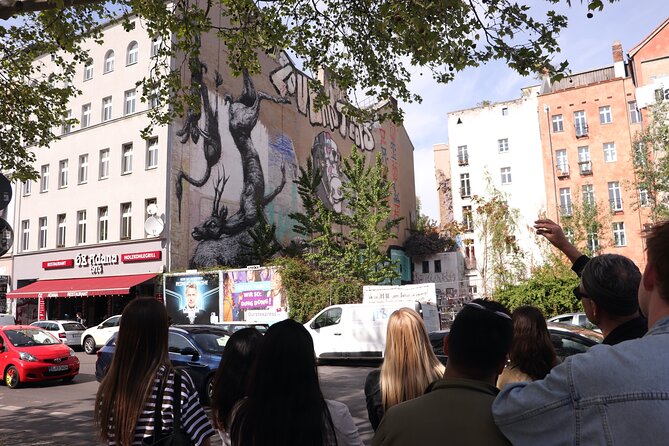
Stop 1 is Alexanderplatz. You spend about 30 minutes there, and the route moves from Alexanderplatz toward Hackescher Markt before heading down toward Kreuzberg. Alexanderplatz is not exactly where you’d expect the most underground-feeling art. That’s why it’s a smart first stop: it shows you how street art can exist even in high-visibility, high-traffic Berlin.
In practical terms, your guide is likely doing two useful things in the first stretch. First, they help you read the urban “signals” around you—what stands out, what feels staged, and what feels lived-in. Second, they set expectations for what comes next: the tour shifts from open squares into smaller spaces where art becomes more layered and more personal.
If you only have one half-day for street art, this routing approach is a plus. You’re covering ground that many people skip because it’s too central. You come away with a more complete picture of what alternative art looks like across different parts of the city.
Potential drawback here: 30 minutes is short. If you’re hoping for a long, slow art crawl in Alexanderplatz itself, you’ll want to focus your attention and take in the bigger themes quickly, then save the deeper looking for Hackescher Markt and Bethanien.
Hackescher Markt hidden yards: the street art you can actually step into
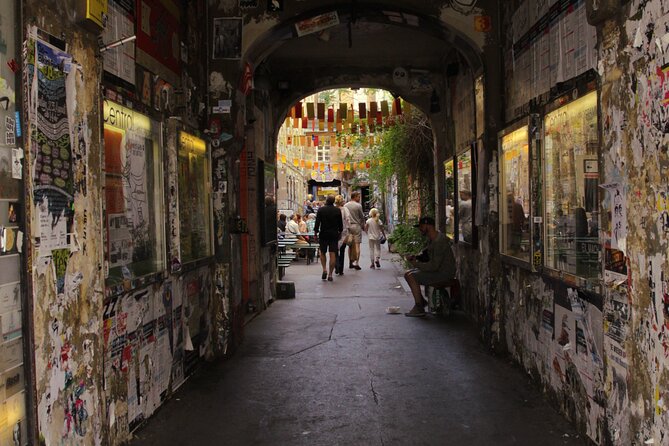
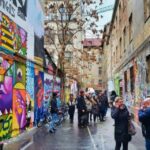
Stop 2 is Hackescher Markt, with about 45 minutes here. The highlight is seeing hidden yards with great art. That phrase is doing a lot of work: courtyards and side yards change the way street art hits you. It feels less like something taped to a wall and more like part of a lived environment.
Hackescher Markt is also a good teaching zone. When you’re in an open square, it’s easy to treat murals like decoration. In a yard or passageway, the art is framed by building entrances, walkways, and the daily routes people take. That helps you notice texture and placement—how an artist uses the space, not just the surface.
In the feedback, the guide Cole was singled out for explaining the Berlin scene with a focus on art and culture. On a stop like Hackescher Markt, that kind of context matters. Courtyard art often has strong ties to community visibility—who passes by, how people use the space, and why the art ends up where it does.
Tip for your time here: slow down. Look up at walls, then look at sightlines—where you’re standing relative to doors, windows, and walkways. The yard concept rewards that kind of attention.
Künstlerhaus Bethanien: where the alternative Berlin story gets time to breathe
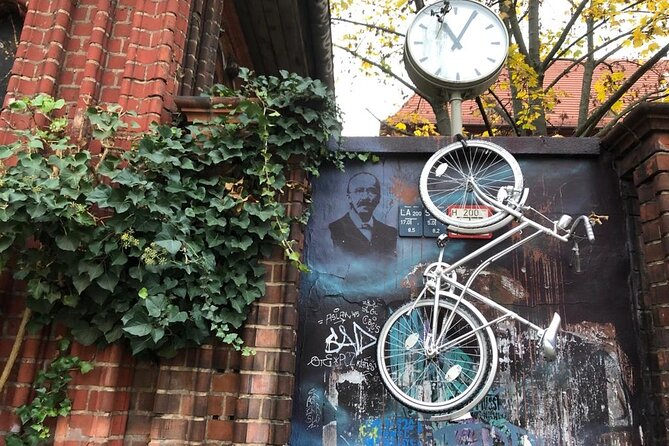
Stop 3 is Künstlerhaus Bethanien, where you’ll spend about 1 hour 45 minutes. This is the big stop of the tour. The time allocation hints at what matters most: the tour doesn’t just aim to show you street art; it aims to give you context about alternative Berlin history.
Bethanien-style spaces tend to function like hubs—places where creative communities can gather, test ideas, and make work visible. With the longest block of time here, expect the guide to slow the pace. You’ll likely get more explanation, more connections between art and local culture, and more room for questions.
This is also where the tour’s overall tone becomes clearer. Earlier stops help you find and see. Bethanien helps you understand. If you’re the type who likes to know what “underground” really means in a city—how scenes form, how artists find each other, and how music and art cross-pollinate—this portion is where you’ll feel it click.
One consideration: since this stop is long, wear shoes you’re happy to stand in. Give yourself permission to take the longer view. The reward is a better grasp of why Berlin’s alternative scenes look the way they do.


Price, duration, and why $24.06 can feel like a win
At $24.06 per person for about 3 hours, this sits in the budget-friendly zone. What makes it feel like value is the structure: you’re paying for the guide and the route logic, while admission at the stops is listed as free.
Time matters, too. Three hours is long enough to actually see multiple areas and have meaningful explanations, but short enough that you won’t feel trapped if your feet get tired. Also, the tour is typically booked around 55 days in advance, which often signals it’s a popular planning choice for people building a short Berlin schedule.
If you’re cost-conscious, here’s the practical way to think about it:
- You’re not stacking paid museum entrances on top of the ticket price
- You’re getting a curated walk that takes you from a major landmark into the alternative creative corridor
That combination is usually where good walking tours earn their keep.
Logistics that actually matter: meeting, finishing, and getting around
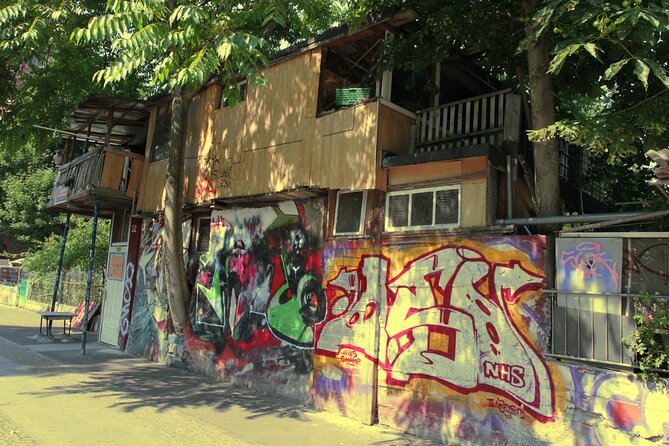
You meet at the Berlin TV Tower area (Panoramastraße 1A) at 11:00 am. You finish in Kreuzberg, near the station Ostbahnhof. The tour description notes it’s near public transportation and that it is a mobile ticket experience.
Transportation tickets are not included, so your planning should assume you’ll handle getting there and leaving on your own. On the upside, the start and end are both near transit, which keeps the day flexible.
Group size is capped at 20, and that affects comfort. You’ll be able to hear the guide and spot art details without constantly getting crowded out.
Service animals are allowed, and most travelers can participate. If you can handle a few hours of walking and some time standing while looking at street art, you’re in the right category.
Who this tour fits best (and who might prefer something else)
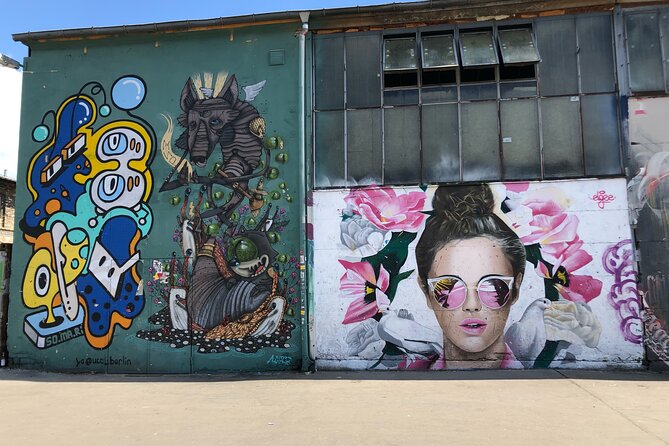
I think this tour is ideal if you want street art with a cultural spine. If you enjoy hearing how art connects to neighborhood life, music, and youth scenes—and you don’t just want a photo checklist—this format works.
It’s also a good pick for first-timers who don’t want to get overwhelmed. The route focuses on a few key stops, and the guide time is spread in a way that balances looking and learning.
Consider skipping it (or pairing it with additional unstructured exploring) if:
- you want a strict museum-style itinerary with indoor exhibits and lots of seating
- you dislike walking for about 3 hours
- you specifically want public transit included in the price
Should you book the Alternative Berlin & Street Art Tour?
If your goal is to understand alternative Berlin—not just see images on walls—this is a strong booking. The pricing is fair for a guided walk, admissions are free at the stops, and the group size stays small enough for real conversation. The Bethanien stop is long for a reason, and that extra time usually helps you leave with a clearer sense of how Berlin’s creative scenes work.
I’d book it if you’re planning your first half-day or you want street art explanations while you still have energy to walk and look. If you’re short on time, arrive at the meeting point early enough to settle in, then pace yourself through the yards and courtyards. That’s where the tour’s magic shows up most.
FAQ
How long is the Alternative Berlin & Street Art Tour?
It runs for about 3 hours.
Where does the tour start and when?
It starts at 11:00 am at the Berlin TV Tower, Panoramastraße 1A, 10178 Berlin, Germany.
Where does the tour end?
The tour ends in the Kreuzberg district, close to the station Ostbahnhof.
How much does the tour cost?
The price is $24.06 per person.
Is the tour in English?
Yes, it’s offered in English.
What’s included in the ticket?
The tour includes a tour guide.
Are admission tickets included?
Admission is listed as free for the stops on the itinerary.
How big are the groups?
The tour has a maximum of 20 travelers.
What is the cancellation policy?
You can cancel for a full refund if you cancel at least 24 hours before the experience’s start time. If you cancel less than 24 hours before, the amount paid is not refunded.