REVIEW · LONDON
London East End – Guided Walking Tour 12 guests 2,5h
Book on GetYourGuide →Run by Babylon Tours London · Bookable on GetYourGuide
Street art in the East End has teeth. In 2.5 hours you get a guided walk that connects the walls (Banksy, Shepard Fairey) to the real streets where the art is part of daily life. I especially liked how Spitalfields Market and the surrounding lanes make the neighborhood feel human, not museum-clean.
One practical catch: this is mostly an outside walk, and you don’t enter the places you stop at. If you’re hoping for inside viewing rooms or long market browsing, you’ll need to plan extra time on your own.
In This Review
- Key highlights in quick, useful bites
- The East End street-art walk: what makes it click in 2.5 hours
- Starting at Liverpool Street by the Kindertransport statue
- Petticoat Lane Market and Artillery Passage: the quick hits that set the scene
- Old Spitalfields Market: where street art meets daily London shopping
- Truman Brewery and the art-meets-people vibe
- Whitechapel, Brick Lane, and High Street: neighborhood story in three moves
- Banksy, Shepard Fairey, and why Lewis Chessmen and Oxus Treasure belong on this route
- What the guides do well: the Jake and Becky difference
- Practical walking tips so the 2.5 hours feel easy
- Price and value: is $61 worth it for street art and markets?
- Should you book the London East End street art tour?
- FAQ
- How long is the London East End walking tour?
- Where do I meet the guide?
- Is food or drink included?
- What should I bring?
- Can I bring luggage or large bags?
- Is the tour wheelchair accessible?
- Is there free cancellation?
Key highlights in quick, useful bites
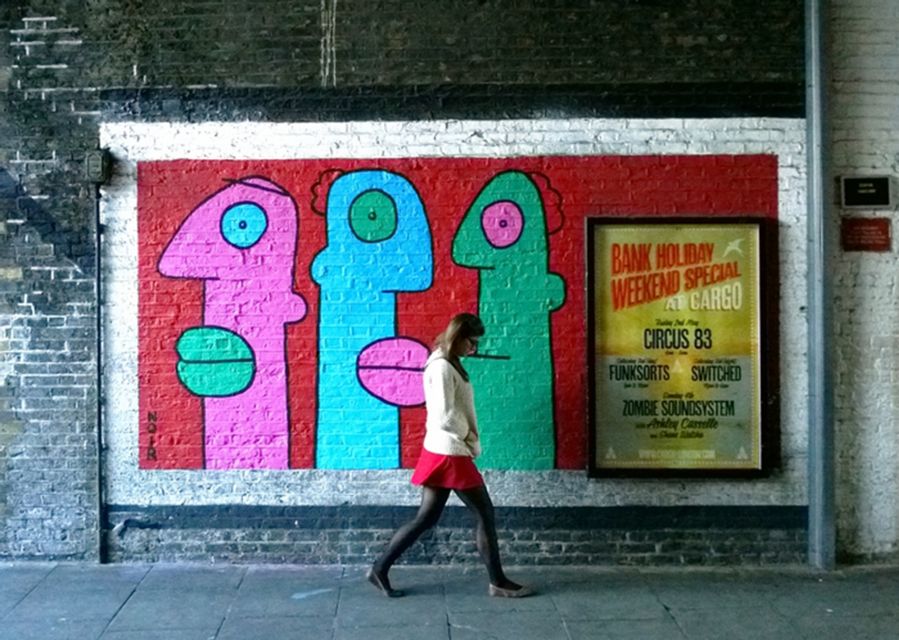
- Street-art storytelling that links modern graffiti to older cultural references, including the Lewis Chessmen and Oxus Treasure
- Spitalfields Market and market-adjacent streets that show how shopping, design, and street culture mix
- Photo-stop pacing that keeps the walk moving while still giving you time to look closely
- A route built around Whitechapel, Brick Lane, and Shoreditch-area energy (with stops like Truman Brewery along the way)
- A small-group feel (standard tours are up to 12 people, and private options are smaller)
The East End street-art walk: what makes it click in 2.5 hours
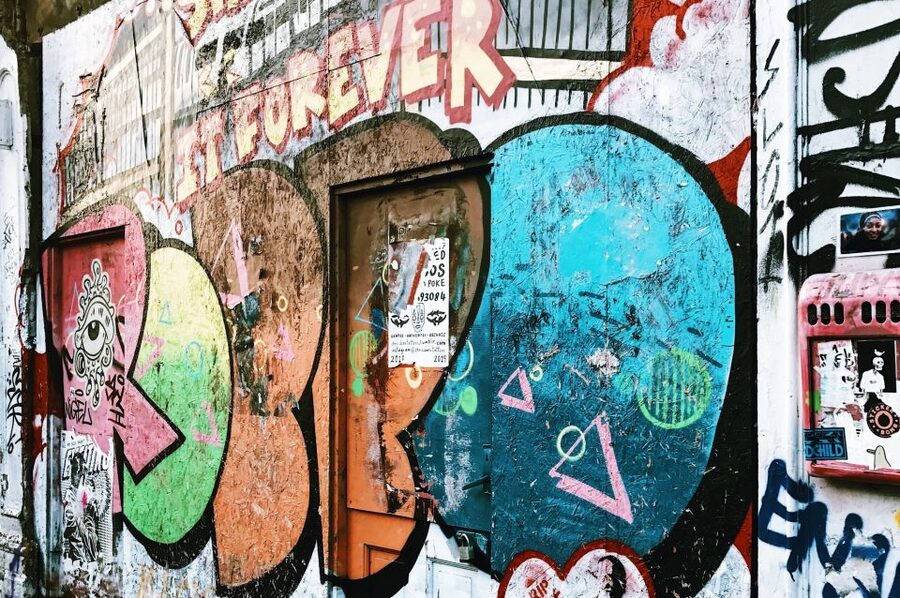
The London East End can feel like a collage: old trade routes and immigrant neighborhoods beside art that’s political, playful, and sometimes confrontational. This walking tour works because it treats street art like a living language, not a random photo backdrop. You don’t just see walls—you learn how to read them.
The pace is short enough to stay fun. You’re out for 2.5 hours, moving between classic East End zones and stopping long enough to focus. That matters, because street art is easiest to appreciate when you’re not rushing past it.
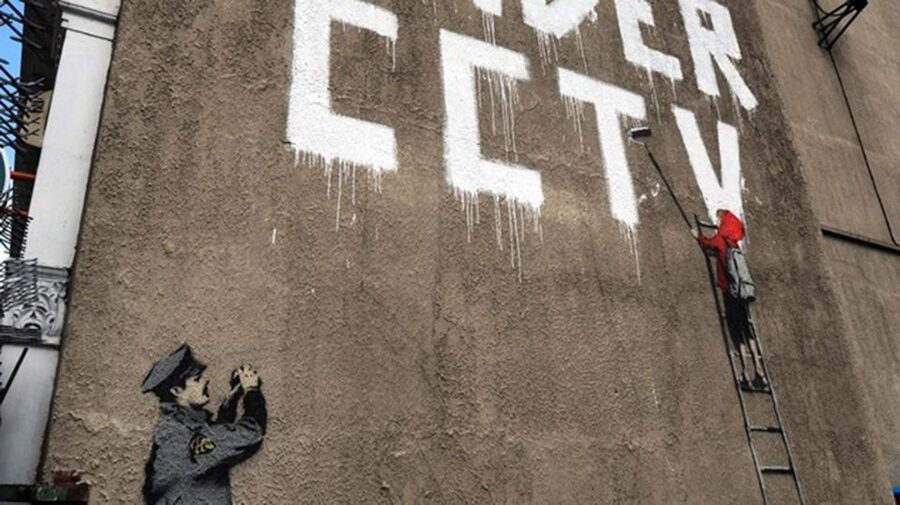
And yes, you’ll hit famous names. The tour is designed around Banksy and Shepard Fairey, but the better trick is that the guide shows you why those styles land here. This area has long been a place where people argue, bargain, and reinvent identity. The art fits the neighborhood, instead of hanging on it.
You can also read our reviews of more tours and experiences in London.



Starting at Liverpool Street by the Kindertransport statue
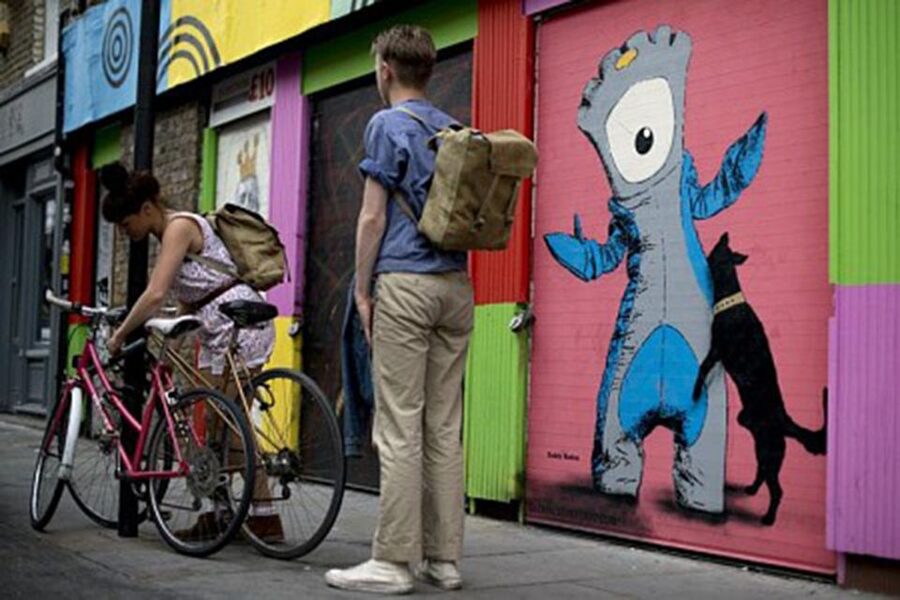
Meeting outside Liverpool Station can’t be more convenient. You meet by the Kindertransport statue at the entrance of Liverpool Station (outside). It’s an easy landmark to find, and it sets the tone fast: this part of London isn’t just about cool graffiti photos; it’s tied to real human stories.
Right away, you’ll get the basic framing for the walk. Expect a guide to connect themes like fear, survival, identity, and public messaging. The tour description leans into Jack the Ripper history as a backdrop for the area’s notoriety, but the focus stays on what the streets have become now—especially the art scene.
Petticoat Lane Market and Artillery Passage: the quick hits that set the scene
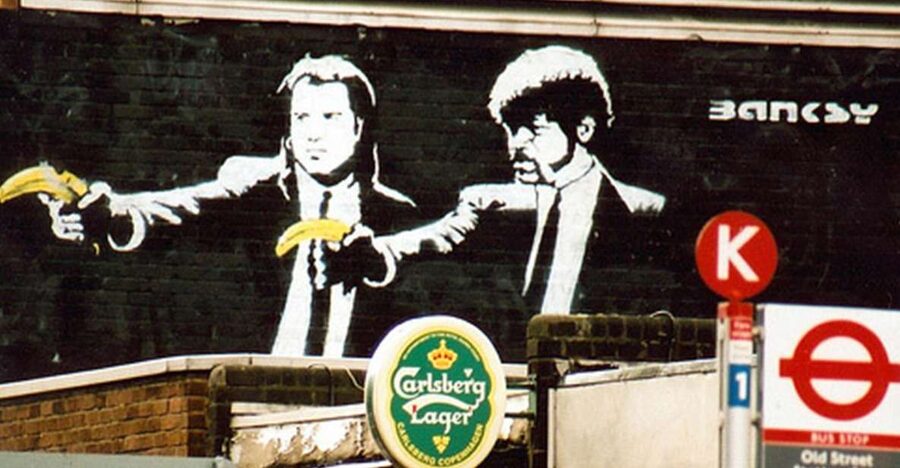
The first stretch is about getting your bearings and teaching you how to look. You start with Petticoat Lane Market, where there’s a short photo stop and a guided walk-through. Even if you’ve only seen Petticoat Lane from social media, the guide helps you spot what’s going on beyond the obvious.
Then you move to Artillery Passage, another short stop that’s more about perspective than duration. These “blink and you’ll miss it” passages are where the East End shows its personality. A good moment here is simply slowing your gaze—looking up at walls and noticing how art interacts with storefronts, doorways, and street textures.
Because the stops are short, don’t treat them like sightseeing chores. Treat them like previews. You’re being trained to notice what comes next, especially once you reach the market areas.
Old Spitalfields Market: where street art meets daily London shopping
Old Spitalfields Market is one of the most valuable parts of the route, because it blends the tourist layer with the everyday layer. The tour gives you a photo stop and guided touring time here, which is enough to get context without turning your morning (or afternoon) into a marathon.
What I like about this stop is the contrast. Spitalfields Market isn’t just a place to buy souvenirs. It’s tied to craft, fashion, food, and the kind of neighborhood energy that makes street art feel like part of the same ecosystem. You’ll also hear about shops and flavors that fit the area, and the guide often points out angles you can return to later on your own.
One thing to keep in mind: this tour does not include food or drink, so if you want a snack, you’ll need to plan that separately. Still, the guide’s tips can help you choose what to try once you’re free to roam.
Truman Brewery and the art-meets-people vibe
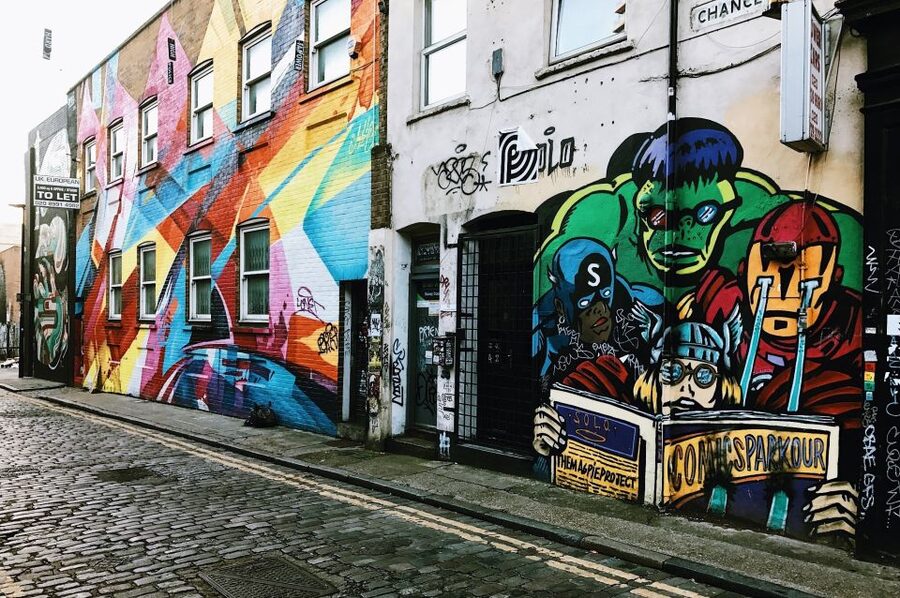
The walk also includes The Truman Brewery. This is the kind of stop that shows you how street culture spills into formal spaces—events, design, and creative communities that don’t stay locked in one scene.
The stop is listed as a photo stop plus guided touring time. That means you’ll get the story behind the walls and the broader artistic context, but you’re not hanging around for hours. It’s ideal if you like your tours focused and your free time flexible.
If you’re the type who likes to understand a place before you shop or photograph, this is a great fit. A guide can help you connect what you see with what the East End has been doing for decades: using creative expression as a way to brand a neighborhood and tell its version of events.





Whitechapel, Brick Lane, and High Street: neighborhood story in three moves
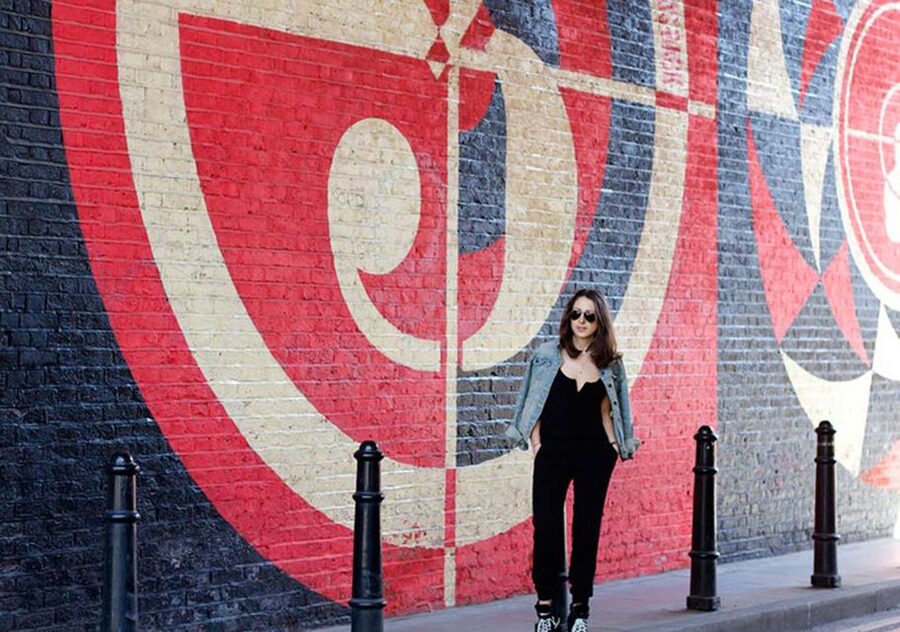
After the market core, the tour leans into the East End’s famous neighborhoods. You’ll spend time in Whitechapel, then continue toward Brick Lane, and later hit High Street (with photo stops and guided guided tour time at each). Each stop is short, but the guide’s commentary is what makes the difference.
Whitechapel is often associated with dramatic 19th-century history, but on this walk the goal is to connect that background to modern street messaging. You’ll see how art becomes a public bulletin board—sometimes memorial, sometimes argument, sometimes just style.
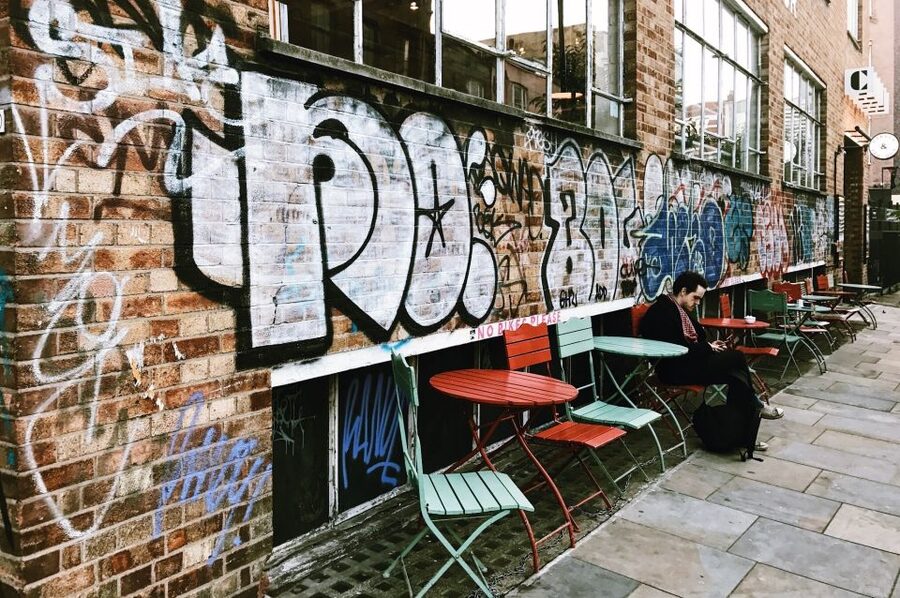
Brick Lane is where you’ll likely feel the creative pulse more strongly. The guide helps you interpret street art as a kind of urban writing system: you learn to look for recurring symbols, political angles, and the way different artists use the same space differently.
High Street is a good reminder that the East End isn’t just walls. It’s people moving, shops changing hands, and the constant churn that creates room for new art to appear. Even if you’re not an art expert, the tour helps you practice reading the street like you’d read a headline.
Banksy, Shepard Fairey, and why Lewis Chessmen and Oxus Treasure belong on this route
The tour’s highlights don’t only point to famous street names. You’ll also encounter references to the Lewis Chessmen and the Oxus Treasure. Even if those titles sound like museum stuff, they make sense here.
Street art often borrows from older imagery and big cultural stories. When the guide brings up the Lewis Chessmen (famous historical chess pieces) and the Oxus Treasure (an important ancient hoard), it’s a way of showing how art travels across time. The East End can feel like a place that keeps reusing symbols—turning old authority into new commentary.
This is one of the reasons the tour is worth doing with a guide. Without context, you might only see cool images. With context, you start to see intent: who’s speaking, to whom, and why now.
What the guides do well: the Jake and Becky difference
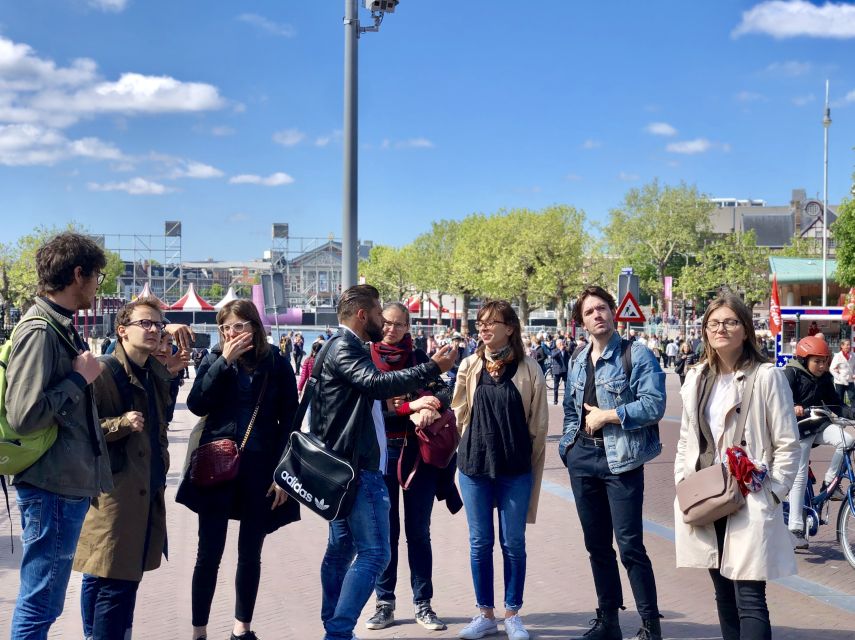
A big theme in the experience is how the guide delivers the art story. Multiple guides come through, including Jake and Becky, and the common thread is their focus on connection—history, politics, and how the street art lines up with the neighborhood’s character.
Jake, in particular, is noted for explaining history and timeliness tied to the places you walk to. Becky is known for passion, linking graffiti to political messaging, and making time for questions. That kind of responsiveness matters because street art can mean different things to different people, and the guide’s job is to help you build your own interpretation.
If you want a tour where you leave with better street-reading skills, not just photos, this is the right style.
Practical walking tips so the 2.5 hours feel easy
This tour is a guided walking experience, so I’d plan like it’s a focused stroll, not a hop-on/hop-off ride. Wear comfortable shoes. You’ll be out for a little over 2 hours, and you’ll want your energy for looking closely.
A few practical points that matter:
- Bring passport or ID card (photo ID).
- No luggage or large bags. Keep it light.
- The tour is English.
- You’re told the tour does not enter the sites visited. So don’t expect indoor exhibits or long stops inside shops.
- It’s not suitable for wheelchair users. The info also says wheelchair tours are only available on request, so if that applies, you’ll want to confirm before booking.
Also, have your meeting point game plan ready. Meet outside Liverpool Station by the Kindertransport statue entrance. If you’re running late, the provider says you should contact your guide urgently via the details sent to you by email.
Price and value: is $61 worth it for street art and markets?
At $61 per person, you’re paying for three things: guided interpretation, a curated route, and time saved. You could wander the East End on your own, but you’d likely miss the “why” behind the art and the way the tour connects modern murals to bigger cultural references.
The value gets better when you consider what you’re actually getting: a focused loop through key East End spots like Spitalfields Market, Whitechapel, Brick Lane, and areas around Truman Brewery, plus guided context for major street-art names.
Small-group format also helps. The tour is described as up to 12 people, and private/semi-private options exist (semi-private tours cap at 8 people and won’t run without a minimum of 2 participants). In practice, smaller groups tend to mean more questions and less “hustle past the interesting wall.”
If your goal is to understand street art quickly and see the East End in a way you can expand later, this price can feel fair.
Should you book the London East End street art tour?
I’d book this if:
- You want street art with context, not just photos.
- You like market neighborhoods and want Spitalfields to be part of the day, not a random detour.
- You enjoy hearing how modern graffiti connects to older cultural references (including Lewis Chessmen and Oxus Treasure).
- You prefer a short, well-guided walk where you can return on your own after.
I’d skip or think twice if:
- You’re hoping for long indoor museum time, because the tour doesn’t enter the sites visited.
- You need wheelchair accessibility during the tour.
- You want food included; this one doesn’t include meals or drinks.
If you’re deciding last-minute, here’s a simple test: if you’d enjoy learning how to “read” the walls of Banksy– and Shepard Fairey-style street art, you’ll probably love this. If you just want wandering time, you might do better building your own route.
FAQ
How long is the London East End walking tour?
It runs for about 2.5 hours (listed as 2–2.5 hours depending on the schedule).
Where do I meet the guide?
Meet by the Kindertransport statue at the entrance of Liverpool Station (outside).
Is food or drink included?
No. Food and drink are not included.
What should I bring?
Bring passport or a valid ID card.
Can I bring luggage or large bags?
No. Luggage or large bags are not allowed.
Is the tour wheelchair accessible?
The information says it is not suitable for wheelchair users. Wheelchair tours are only mentioned as available on request, so you’d need to ask ahead.
Is there free cancellation?
Yes. There is free cancellation up to 24 hours in advance for a full refund.