REVIEW · NEW YORK CITY
Graffiti & Street Art Walking Tour in Brooklyn
Book on Viator →Run by Brooklyn Unplugged Tours · Bookable on Viator
Bushwick street art hits you fast. This Graffiti & Street Art Walking Tour in Brooklyn turns random-looking walls into a readable map of artists, styles, and street culture. I like that you get an up-close look at murals in real neighborhood spots, not just curated photos, and you learn what to notice while you’re walking.
I especially like the way the guide connects art to people and place. Expect stories about graffiti artist personas, plus street art techniques like wheatpaste, tags, and stencils—explained in a way that feels practical, not lecture-y. The group stays small (up to 22), and the pace is easy for most folks, including families.
One possible consideration: if your group is slow for photo stops, you may feel like there’s not much time to linger and shoot. It’s still a strong tour if you’re more into learning and seeing the details than stacking a lot of pictures.
In This Review
- Key highlights worth your time
- Why Bushwick graffiti feels different from the rest of NYC
- Getting to 30 Wyckoff Ave and starting with a coffee
- Stop 1: Bushwick Collective street art and what to look for up close
- Learning graffiti artist personas without feeling lost
- How the walk stays lively (and why it’s not just photo stops)
- Stop 2: a quick Brooklyn framing after the main mural time
- Price and value: does $32 make sense for a 2-hour street art tour?
- Weather, comfort, and pacing: plan like a Brooklyn walker
- Who should book this graffiti and street art tour
- Should you book this Bushwick tour or pass?
- FAQ
- How long is the graffiti and street art walking tour in Brooklyn?
- Where does the tour start?
- Where does the tour end?
- What price is the tour?
- Is the tour offered in English?
- Is admission required to view the street art stops?
- How big are the groups?
- What weather should I plan for?
- Can I cancel and get a full refund?
Key highlights worth your time
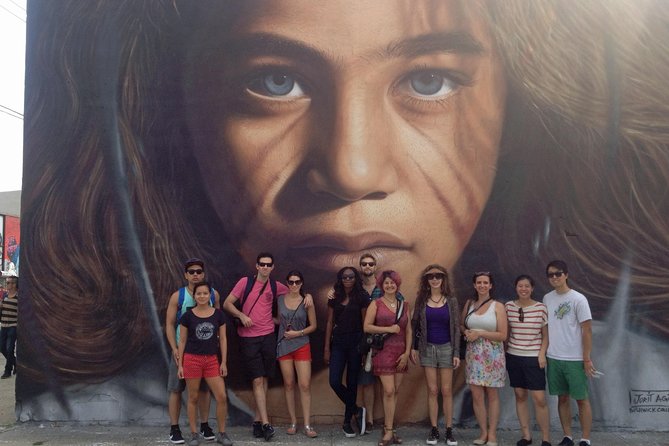
- Bushwick Collective murals: see why this area matters to public art culture
- How to spot graffiti styles: tags, stencils, and wheatpaste explained as you go
- Street art on everyday objects: walls, lampposts, street signs, and even trucks
- Guides with real street cred: some guides are artists or muralists themselves
- A neighborhood coffee-shop start: warm-up moment built into the morning plan
Why Bushwick graffiti feels different from the rest of NYC
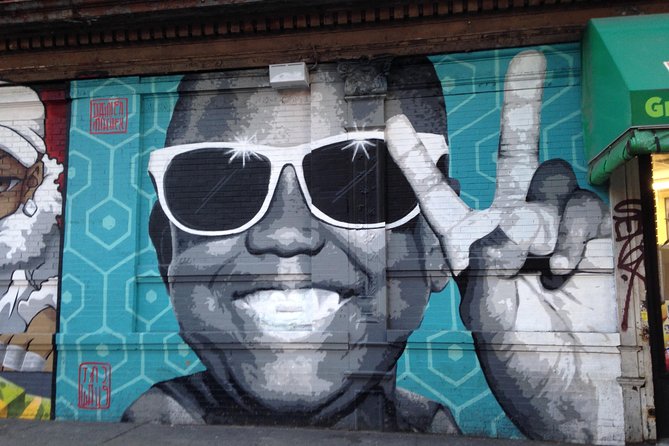
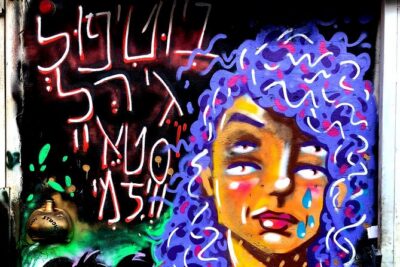
Bushwick takes street art seriously. Not in a museum way, but in a lived-in, ever-changing way where walls, trucks, and street fixtures become part of the message. When you walk through it with a guide, you stop seeing graffiti as just noise and start seeing it as a language.
This tour is built around that shift. You’ll watch how pieces get placed, how styles show up in different formats, and how the same street can hold layers of work over time. If you’re used to thinking of Manhattan as the default art destination, Bushwick is a nice reality check—and a lot more fun to interpret on foot.
You can also read our reviews of more tours and experiences in New York City.

Getting to 30 Wyckoff Ave and starting with a coffee
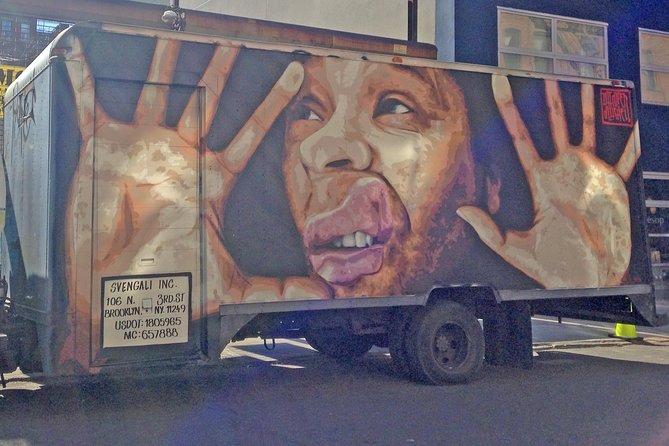
You meet at 30 Wyckoff Ave, Brooklyn, NY 11237. The start time is 10:30am, and the area is near public transportation, so getting there is usually straightforward.
One smart touch: the tour plan includes a quick moment at a local Bushwick coffee shop before you head out. It’s not just about caffeine. It helps you get oriented, keep warm if it’s chilly, and settle before you start reading street art at close range.
You’ll also use a mobile ticket, which is handy in a city where paper tickets are easy to misplace. And with a maximum of 22 people, you’re not stuck in a huge blob shuffle.
Stop 1: Bushwick Collective street art and what to look for up close
This is where the tour does its heavy lifting—about 1 hour 50 minutes focused on Bushwick’s standout outdoor art. The Bushwick Collective is a key part of the story. You’ll see major mural areas and learn why this “community-of-makers” concept matters: it’s not just random walls, it’s a local ecosystem.
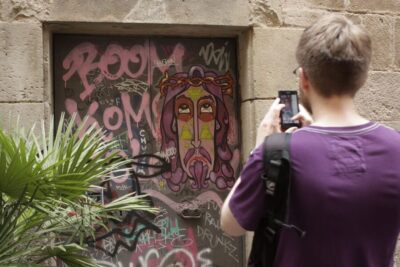
As you walk, the guide points out art across the neighborhood’s surfaces, including brick walls and street objects like lampposts and street signs. One of the most memorable things about Bushwick is that street art doesn’t stay in one box. You might see a piece that looks like a poster pasted to the world, then turn a corner and spot writing styles that belong to graffiti culture.
Here’s the practical stuff you’ll learn while you’re looking:
- Wheatpaste posters: often tied to specific themes and quick-to-produce street messaging
- Tags: the fast, signature-style writing that helps define an artist’s identity
- Stencils: repeatable shapes and crisp edges that can travel ideas efficiently
- Style cues: the guide helps you pick up patterns so you can start naming what you’re seeing, even if you’re a first-timer
This kind of guidance matters because street art is visual shorthand. Without a framework, it can look like everything is random. With it, you start noticing structure—composition, repetition, and the way artists build recognition.
Learning graffiti artist personas without feeling lost
A lot of street art tours either go full jargon or stay too vague. This one aims for in-between: you’ll learn the personas of graffiti artists and how to identify signature styles. That sounds abstract until you’re standing in front of a wall, then it clicks.
From what’s shared in the tour experience, the guide experience can make a big difference. Names that pop up include Nick, Jeff, Caty, and Slava—and they’re described as engaging, funny, and tuned in to the group. In at least some cases, guides bring personal connections to the art. If the guide is a practicing artist, you’ll often get extra texture, like why a technique was chosen or what the placement means.
You’ll also get a clearer sense of the difference between street art and graffiti, which is useful if you’ve ever wondered why some pieces feel like artwork and others feel like a public writing practice. The tour helps you understand that these are related, but not identical.
And because the group can include people from many places, the best guides handle translation and pacing smoothly. One guide is even noted for speaking multiple languages, which helps keep explanations from turning into a one-way talk.
How the walk stays lively (and why it’s not just photo stops)
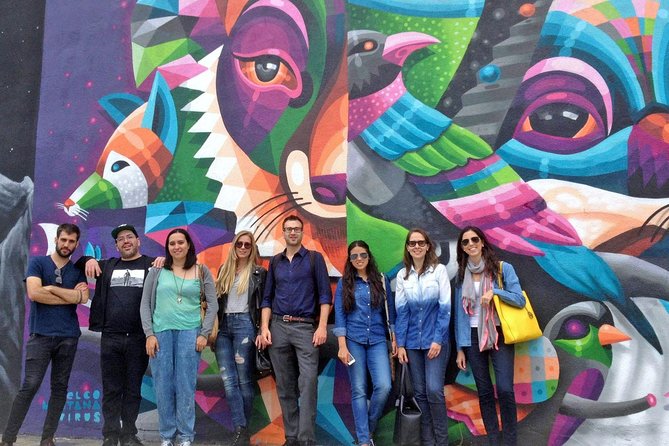
The route is designed as an outdoor class with movement. You’re not stuck in one spot for long stretches, which helps keep your energy up. But it also means you’re going to see a lot, so listening is part of the experience.
This is where group size and pace become real-world factors. The tour generally keeps a manageable walking rhythm and is described as comfortable and easy-paced. There’s also mention of guides finding shade during hotter weather, which tells you they’re thinking about comfort, not just speed.
Still, one practical truth: if you love photography and like to pause for long shots, you may feel rushed. Some groups are quicker than others. If yours moves slowly, you can get left behind a bit, and the explanation for the next piece may happen faster than you’d like. If you’re planning to bring a camera, keep your expectations realistic: this is a seeing-and-learning walk first.



Stop 2: a quick Brooklyn framing after the main mural time
After the big Bushwick wall-and-mural focus, there’s a shorter second stop that keeps the context tied to Brooklyn as a whole. It’s only about 10 minutes, so think of it as a final layer: the guide’s way of grounding what you saw in the larger Brooklyn story.
In practical terms, this brief segment helps you carry the meaning forward. You’ll leave with a clearer sense of how Bushwick fits into New York street art culture, not just as a random neighborhood wall gallery, but as part of a bigger urban conversation.
Price and value: does $32 make sense for a 2-hour street art tour?
At $32 per person, this tour is priced like an accessible neighborhood activity, not a premium art-world event. And the structure supports that value.
Why it feels worth it:
- You get a local guide with on-the-street storytelling
- The main time is spent directly in the art zones, where the explanations matter
- You learn practical viewing skills—how to read techniques and styles, like wheatpaste, tags, and stencils
- It’s a small-group format (up to 22), so you’re more likely to actually hear and ask questions
There’s also a big positive detail: admission for the main street art viewing is listed as free for the key stop. That means your money is paying for the guide and the experience of interpreting the art as you walk.
Two hours in a neighborhood like Bushwick can easily burn half a day if you try to self-tour and figure things out alone. Here, you’re buying shortcuts to understanding—exactly what you want when street art is constantly changing and hard to research on the spot.
Weather, comfort, and pacing: plan like a Brooklyn walker
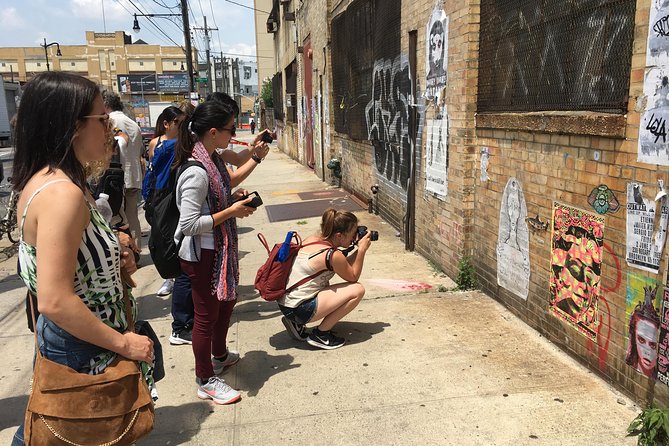
This is an outdoor experience and operates in all weather conditions, so dressing smart is part of the deal. Wear layers if it’s windy or cold, and bring a rain layer if there’s any chance of wet weather.
The tour is described as offered with a “good weather” requirement, meaning if weather conditions are poor, you’ll be offered a different date or a full refund. That matters because outdoor street art viewing changes fast when it rains hard or visibility is low.
On comfort: the tour notes a moderate physical fitness level, but the actual walking distance is described as not too far for a 2-hour window, with an easy pace. If you can handle a couple of blocks at a time, you’ll likely be fine.
Who should book this graffiti and street art tour
You’ll probably love it if:
- You want a first-time-friendly introduction to Bushwick street art culture
- You care about technique and style—tags, stencils, wheatpaste—not just big murals
- You like neighborhood walks that teach you how to notice details
- You want a guide who can explain the human side of public art
It may not be your best match if:
- You want lots of long, unhurried photo time at each stop
- You’re expecting a sit-down museum-style presentation
- You strongly prefer “guaranteed” famous landmarks over local, changing wall work
The sweet spot here is curiosity plus mobility: you enjoy walking, you’re willing to listen, and you want to leave with a new way to read the streets.
Should you book this Bushwick tour or pass?
Book it if you want street art literacy without the chaos of DIY searching. For $32, you’re paying for a guide who helps you see more than just pretty walls—especially the parts about identifying styles and understanding why the Bushwick Collective matters.
Also, book soon if you can. The tour is often reserved about 27 days in advance on average, so popular dates can move faster than you’d expect for a neighborhood walking tour. And if you want flexibility, the experience is set up for full cancellation within a window (so you’re not trapped if plans shift).
If your main goal is learning how to read graffiti and street art while standing in the real neighborhood, this is an easy yes.
FAQ
How long is the graffiti and street art walking tour in Brooklyn?
It lasts about 2 hours (approximately 2 hours).
Where does the tour start?
The meeting point is 30 Wyckoff Ave, Brooklyn, NY 11237, USA.
Where does the tour end?
The tour ends back at the meeting point. The route finishes after stopping around Bogart Street.
What price is the tour?
The price is $32.00 per person.
Is the tour offered in English?
Yes, it is offered in English.
Is admission required to view the street art stops?
The stops listed are shown as free admission (ticket free for the main street art area).
How big are the groups?
The tour has a maximum of 22 travelers.
What weather should I plan for?
It operates in all weather conditions, so dress appropriately. If it is canceled due to poor weather, you’ll be offered another date or a full refund.
Can I cancel and get a full refund?
Yes. You can cancel up to 24 hours in advance for a full refund.