REVIEW · MELBOURNE
Melbourne Street Art Tour with a Local: Private & Personalized
Book on Viator →Run by City Unscripted · Bookable on Viator
Laneways with stories beat guessing. On this private Melbourne street art walk, a Local Host helps you read street art fast, so you’re not just taking pictures—you’re understanding what you’re seeing.
I especially like the way the host explains the differences between tags, paste-ups, murals, and stencils, then points you to spots you’d likely miss on your own. The other big win is the insider guidance for where to eat, drink, and shop in the same stretch you’re already exploring. One consideration: it’s still a mostly walking, street-level tour, so if you want lots of indoor attractions or long seated stops, this may feel a bit too on-the-move.
In This Review
- Key moments that make this tour worth it
- Why a private street art tour works better in Melbourne’s CBD
- The Local Host lesson: tags, paste-ups, murals, stencils
- Getting your bearings fast: meeting at Starbucks 117 Swanston Street
- Stop 1: the street where art was blacked out altogether
- Stop 2: an Instagrammable Melbourne street and what to notice
- Stop 3: the street surrounded by Chin Chin, Eau Di Vie, and Gazi
- Stop 4: lesser-known CBD laneways (where you actually feel like you found something)
- Stop 5: Hosier Lane and how to read its ever-changing walls
- Price and logistics: is $98.36 per person a good deal?
- What it feels like on the ground (and who should do it)
- Should you book the Melbourne Street Art Tour with a Local?
- FAQ
- How long is the Melbourne Street Art Tour with a Local?
- How much does the tour cost?
- Where does the tour start?
- Is this a private tour?
- Is a hotel meet-up available?
- What will the guide teach you about street art?
- Are food and drinks included?
- Is transportation included in the price?
- Is free cancellation available?
Key moments that make this tour worth it
- A 100% private, personalized experience based on your interests after you book
- Street-art basics on the go (tags vs paste-ups vs murals vs stencils)
- Laneway access you can’t easily DIY thanks to the Local Host guiding you
- Hosier Lane included, with its ever-changing walls as the closing act
- Food, drink, and shopping advice built into the art route, not tacked on later
Why a private street art tour works better in Melbourne’s CBD

Melbourne’s street art scene is easy to stumble upon, but hard to fully understand without context. This tour avoids the common problem of wandering around with a map while street art turns into random graffiti. Instead, you get a person who can point, explain, and connect the dots between styles and locations.
The private format matters. You’re not negotiating for attention in a crowd or waiting your turn to ask a question. And because the experience is personalized, the guide can shape the pace and the stops to fit your tastes—whether you care more about art technique, street culture, or simply finding the best places to eat nearby while you’re in the CBD.
You should also know the tour is built for time efficiency. It’s about 3 hours walking through multiple laneways and streets, with the guide keeping you moving in a logical route rather than letting you drift.
You can also read our reviews of more tours and experiences in Melbourne.
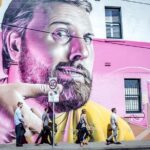
The Local Host lesson: tags, paste-ups, murals, stencils
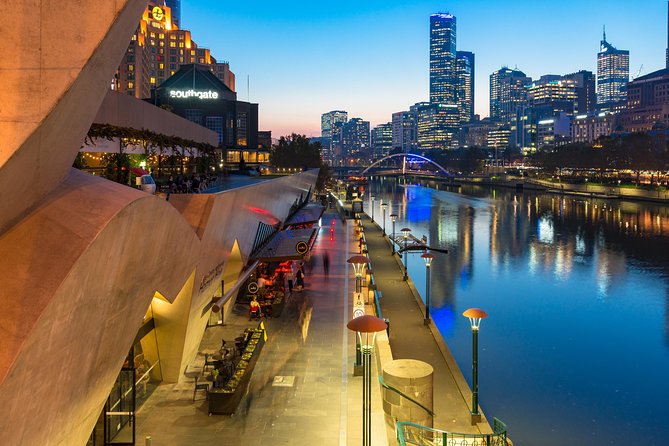
One of the clearest reasons to book is the teaching component. You’ll learn the difference between several street art forms: tags, paste-ups, murals, and stencils. Even if you’ve seen street art before, this kind of quick, practical breakdown helps you stop calling everything graffiti and start noticing the craft.
Here’s how this tends to land on the street, in plain terms:
- Tags are usually short signatures—often quick, repeated, and tied to the artist’s identity.
- Paste-ups are artworks placed using pasted material—often with more detail than a quick tag.
- Murals are larger works meant to change the look of a wall or streetscape.
- Stencils are designs made using cut-out patterns, usually allowing crisp shapes and repeatable imagery.
What I like is that the explanation isn’t happening in a classroom. You’re learning while you’re standing in front of the real walls, which makes the labels stick.
If you’re the type who notices details in photographs but wonders what they mean in real life, this is exactly that gap-filler.
Getting your bearings fast: meeting at Starbucks 117 Swanston Street
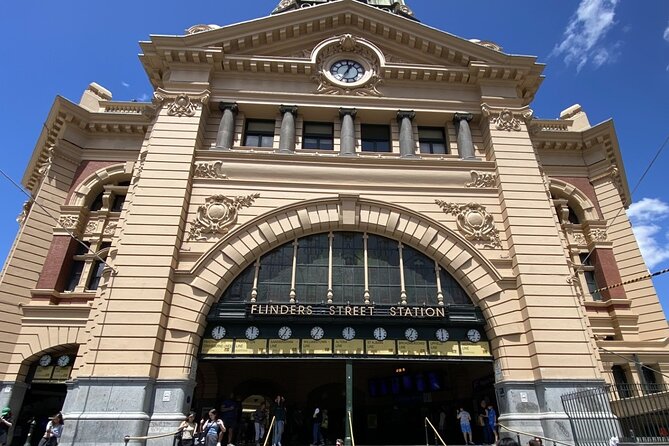
The tour starts at Starbucks, 117 Swanston Street, and it ends back at the meeting point. That simplicity is underrated. In a city center built for walking, having a clear start and end reduces stress and keeps you from losing time.
You’ll also get a practical plan for movement. The experience includes a walking experience (if required, your host can suggest public transport or private taxi options). So if you need to adjust your pace—or you’re coming from somewhere not directly on the route—the guide can steer you toward the easiest option.
The tour is close to public transportation, which helps if you’re mixing this with other CBD plans.
Stop 1: the street where art was blacked out altogether
One of the first stops focuses on a street where the artwork was once blacked out altogether. That detail changes how you view the scene. Street art isn’t permanent in the way a museum painting is. It’s influenced by walls, permissions, politics, weather, and the city’s shifting priorities.
At this point in the tour, you’re not just learning style—you’re learning why walls change. You’ll look at what’s there now and understand what might have been covered, removed, or replaced. It’s also a reminder that street art history is living history: what you see today may not be what was on the wall yesterday.
A small drawback here: if you prefer purely aesthetic art discussion and hate anything involving controversy or removal, you might find this portion more thought-provoking than relaxing. But it’s also the kind of context that makes the whole tour feel more real.
Stop 2: an Instagrammable Melbourne street and what to notice
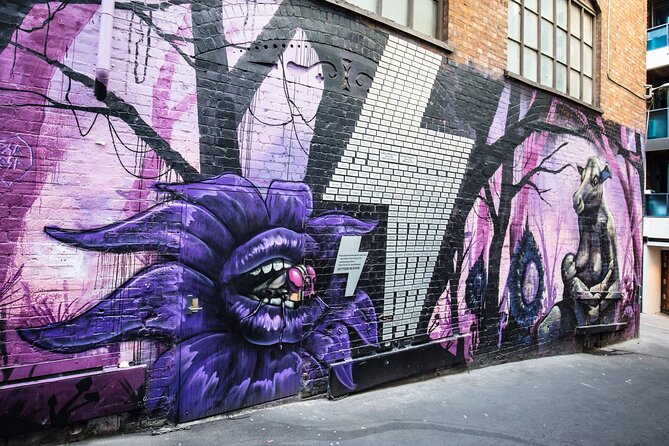
Next up is a visit to one of Melbourne’s most Instagrammable streets. This isn’t only about photos. A good street art guide uses the most visually recognizable spots as teaching tools—places where it’s easier to explain composition, visibility, and how street art interacts with foot traffic.
When you reach this stop, you’ll be looking for more than color. Expect the host to draw your attention to how different styles behave in public space: how tags sit differently than pasted pieces, how murals read from a distance, and how stencils can create bold, graphic impact quickly.
Drawback to consider: these famous spots can attract attention. Because the tour is private, you won’t be stuck in a big group scrum, but you might still encounter normal CBD pedestrian activity. The guide’s job is to help you see what matters anyway.
Stop 3: the street surrounded by Chin Chin, Eau Di Vie, and Gazi
This is where the tour starts to blend art with your day’s eating and drinking plans. You’ll visit a street surrounded by Chin Chin, Eau Di Vie, and Gazi. That matters because it puts your street art viewing directly beside places you can actually turn into a meal plan.
Even if you don’t grab a drink during the tour, this stop helps you make decisions immediately. You’ll learn how to read the area in practical terms: which streets feel like a good sit-down break, which areas are more about quick bites, and where the vibe suits what you’re in the mood for.
One thing to keep straight: the tour description mentions foodie haunts and insider secrets, but it does not say food and drinks are automatically included. In other words, treat this as guidance to help you eat well around the route, not a full meal service.
Stop 4: lesser-known CBD laneways (where you actually feel like you found something)
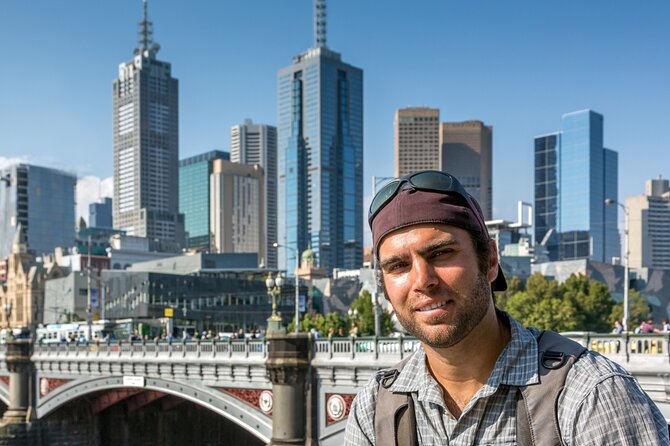
Then you get into the lesser-known laneways of the CBD. This is the part that makes the private format feel worth paying for. Anyone can walk the main streets. Not everyone knows which lanes to trust, which corners offer better sightlines, and where street art clusters in ways that feel intentional rather than random.
This is also where the guide’s role becomes less about pointing at art and more about storytelling through place. Street art tends to follow walls that get the right exposure. Laneways have their own rhythms—short cuts, hidden entrances, arcade connections, and quick turns that change what you see.
If you love the feeling of discovering a new corridor in a big city, this stop is likely to be a highlight.
Stop 5: Hosier Lane and how to read its ever-changing walls
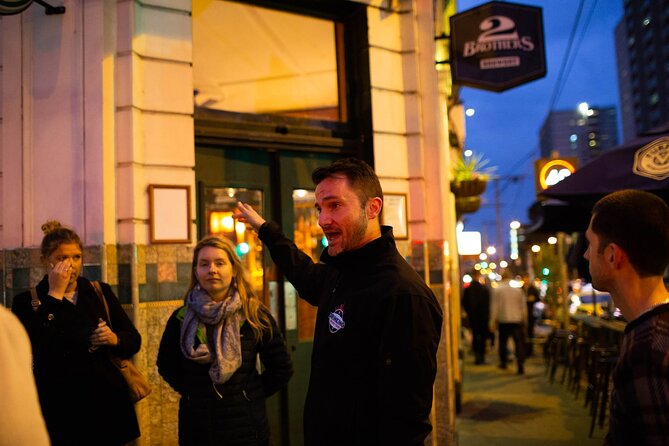
The tour finishes with Hosier Lane, known for its ever-changing exhibition of Melbourne’s finest street art. Hosier Lane is famous for a reason, but the key value here is the guide helping you interpret what’s on the wall right now.
Because the art changes, you can’t rely on one-time assumptions. You’ll learn to look for style cues and understand how different forms communicate different messages. For example, a stencil might feel graphic and immediate, while a paste-up might show more detail, and a mural might alter how the entire wall reads from different angles.
Hosier Lane also works as a strong closer because it resets your expectations. If the earlier stops taught you how to recognize styles and context, the final stop gives you a concentrated place to test your new street art “vocabulary.”
Price and logistics: is $98.36 per person a good deal?
The tour costs $98.36 per person for about 3 hours. That price is anchored in two things you typically pay for in a good city-center experience: a private host and time saved from guessing.
Here’s the value math that makes sense for most travelers:
- You get 100% private time, not just a seat on a group walk.
- You get a guide who teaches street art types while you’re actively walking.
- You also get insider knowledge about nearby shops, bars, and places to eat and drink—useful during the rest of your trip, not only during the tour.
You’re also not paying extra for attraction tickets, since those are listed as not included. And transportation costs are not included either, so the host’s role is guidance, not chauffeuring.
If you’re a solo traveler, this can be a fair spend when you compare it to the cost of multiple paid walking tours, plus the time you’d waste trying to find the best lanes yourself. If you’re traveling in a pair, you’re buying more attention and less hassle per person.
What it feels like on the ground (and who should do it)
This tour is designed for people who want street art to come with context and direction. It’s also ideal if you’re the type who likes to move through a neighborhood with purpose, then use what you learned to plan the rest of your day.
It suits:
- couples who want a guided CBD walk without a crowd
- art-minded travelers who like recognizing styles and patterns
- visitors who want local recommendations for food and drink in the same areas they’re exploring
It may not suit:
- travelers who want guaranteed indoor cultural stops or long rest breaks
- anyone who hates walking through laneways, even if the host can help with transport suggestions
A nice detail: confirmation is received at booking, and then the provider follows up within 24 hours after booking to learn your personality, tastes, and interests so they can assign a like-minded Local. That matching step is a big reason private tours can feel genuinely tailored rather than scripted.
Also, if you ever wondered how often a guide’s personality changes the experience: one past guide named Rhonda was praised for passion about Melbourne’s lane ways, street art, arcades, and the history behind what you’re seeing. If you’re lucky enough to get a host with that kind of city love, the tour can feel more like walking with a friend who pays attention.
Should you book the Melbourne Street Art Tour with a Local?
Book this tour if you want street art that makes sense—not just street art pictures. The private format, the style lesson (tags, paste-ups, murals, stencils), and the focus on laneways you’d miss on your own combine into a solid 3-hour plan.
I’d skip it only if you already know the scene well and you don’t care about context, or if you strongly prefer non-walking sightseeing. Otherwise, this is one of those experiences where the guide’s direction turns a famous city into something you can actually read.
FAQ
How long is the Melbourne Street Art Tour with a Local?
It runs for about 3 hours.
How much does the tour cost?
The price is $98.36 per person.
Where does the tour start?
The meeting point is Starbucks, 117 Swanston Street, Melbourne VIC 3000.
Is this a private tour?
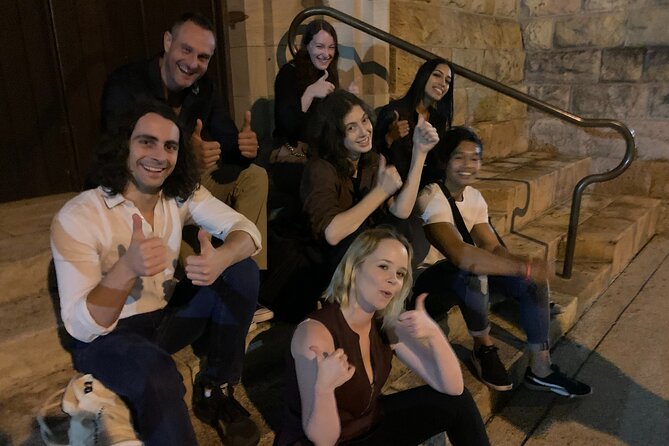
Yes. It’s 100% private and personalized, and only your group participates.
Is a hotel meet-up available?
A hotel meet-up is available on request for a central location.
What will the guide teach you about street art?
You’ll learn the difference between tags, paste-ups, murals, and stencils.
Are food and drinks included?
Food and drinks other than those included in the experience are not included, and the tour focuses on insider recommendations for places to eat and drink.
Is transportation included in the price?
No. Transportation costs are not included. The host can suggest public transport or private taxi options if needed.
Is free cancellation available?
Yes. You can cancel up to 24 hours in advance for a full refund.