REVIEW · FREMANTLE
Fremantle: Convicts, Culture, and Street Art
Book on GetYourGuide →Run by Two Feet & a Heartbeat · Bookable on GetYourGuide
Fremantle’s past walks right beside you. I love how this tour turns convict and maritime history into story-driven wandering, and I love the way it uses big local landmarks like the Whaler’s tunnel and the Roundhouse so the past feels real, not distant. One thing to plan for: it’s still a walking tour, so comfortable shoes help on uneven streets and inside-outside harbour breezes.
It starts at the Fremantle Visitors Centre in Kings Square, then flows through Freo’s cafe strip, the boat harbour area, and the tight lanes around West End. The pace stays relaxed, and the guides bring it down to your level by answering questions as you go, not by reading at you for two hours.
You’ll also cover the harder chapters of Fremantle’s story, including transportation and forced removal of Indigenous people, plus the connections to places like Rottnest Island. That mix makes the tour feel human, even when the topics get heavy.
In This Review
- Key things I’d focus on
- Starting at Kings Square: where Freo’s story gets its footing
- The 2-hour loop: cappuccino strip, boat harbour, and narrow West End streets
- Whaler’s Tunnel and the Roundhouse: landmarks that carry consequences
- Whaler’s tunnel
- High Street and the Roundhouse
- Street art in Freo: modern colour, older themes
- Rottnest Island connections and the stories the guide actually narrates
- Why the $46 price feels fair for a first-time Fremantle walk
- Weather and comfort: the small planning points that make it smooth
- Who this tour is best for (and who might want a different style)
- Should you book this Fremantle Convicts, Culture and Street Art tour?
- FAQ
- Where does the tour start?
- How long is the tour?
- How much does it cost?
- What’s included in the price?
- Is hotel pick-up or drop-off included?
- What language is the tour in?
- Is the tour wheelchair accessible?
- What should I wear or bring?
- When should I expect colder or rainy weather?
- Do I need to contact anyone before the tour?
Key things I’d focus on
A non-traditional route that’s built around walking, stories, and landmarks
Whaler’s Tunnel plus High Street and the Roundhouse as the main “anchor” stops
Street art moments that connect modern Freo to older waves of migration
Real guide personality, with names like Winona, Vaughan, Daniel, and Joanie known for keeping it easygoing
Maritime past and convict-era details you can picture, not just memorize
Starting at Kings Square: where Freo’s story gets its footing
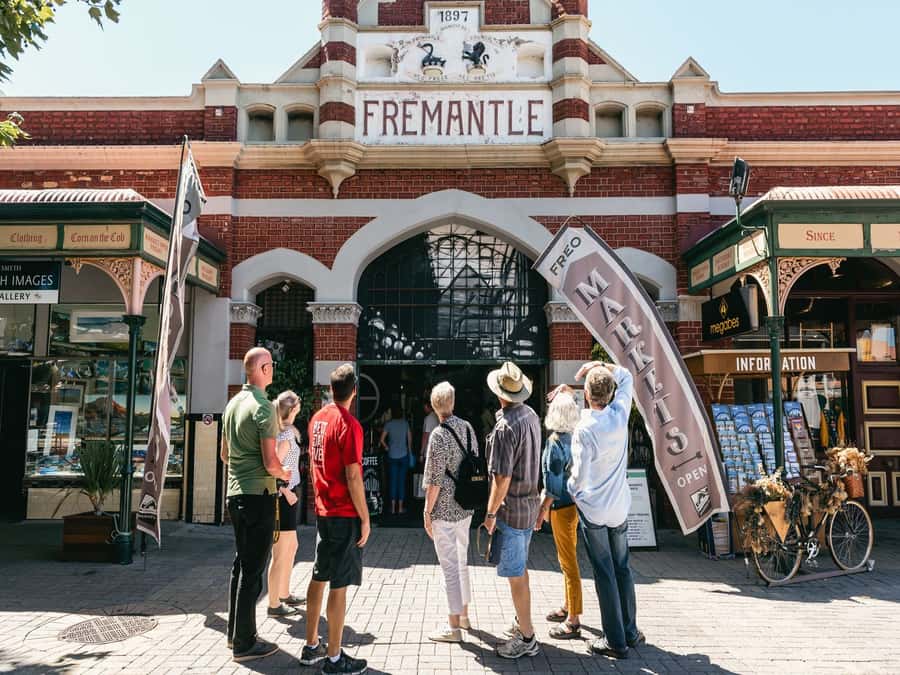
The tour meets at the Fremantle Visitors Centre, right at Kings Square (so you’re not hunting for a back-alley “secret” start). I like this because it’s easy to reach, easy to orient yourself, and it puts you in the right mindset: you’re about to walk the town, not sit in one place.
From here, the guide sets the tone fast. You’re not getting a lecture that starts with dates and ends with a worksheet. Instead, you’re hearing the maritime angle first—Fremantle as a gateway. That matters because it explains why so many people passed through this port and why the town grew the way it did.
And since this is a guided walk with a local host, you get context for the everyday stuff you’ll see right away: street layouts, harbour buildings, and the kind of places locals still use as meeting points.
You can also read our reviews of more tours and experiences in Fremantle.
The 2-hour loop: cappuccino strip, boat harbour, and narrow West End streets
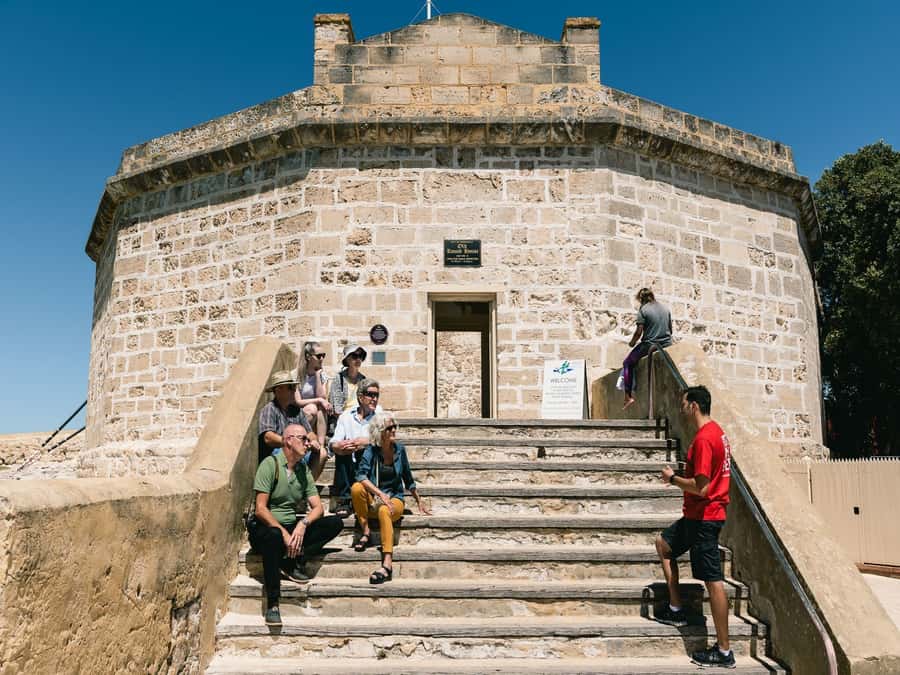
This is a walking tour built for momentum. You’ll move through Freo’s cafe strip area (the part where you can grab a snack before or after), then shift toward the boat harbour zone where the scenery naturally supports the maritime stories. After that, you’ll head into narrower West End streets where the town’s older bones show more clearly.
The practical win here is rhythm. In about two hours, you’ll get enough distance and enough stops to feel like you learned the town, but not so much that you’re exhausted by the halfway point. It’s also the kind of route that helps you understand where things are, so your next walk around Freo makes more sense.
If you like to ask questions, keep that energy going. The guides are set up to answer on the fly, and when the group is small, you may notice the guide adjusting the flow to what you’re most curious about—whether that’s street art, convict-era details, or migration stories.
Whaler’s Tunnel and the Roundhouse: landmarks that carry consequences
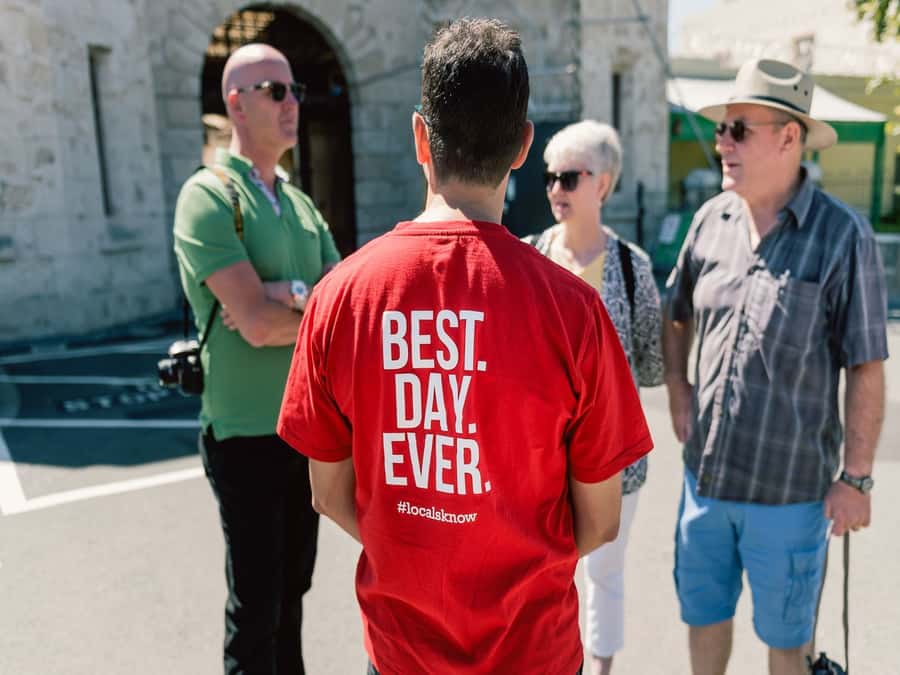
Two of the most “you’re-here-now” stops are the Whaler’s tunnel and the Roundhouse. These aren’t just photo backdrops. They work as physical reminders that Fremantle’s waterfront industries and the convict system weren’t abstract ideas—they were infrastructure.
Whaler’s tunnel
When you hear stories connected to the whaling stations, the Whaler’s tunnel becomes more than a curiosity. You start to understand how the port supported seasonal industry and how people moved through the area as ships arrived and crews worked. The guide’s job is to connect what you’re seeing in front of you with what it meant at the time.
A good sign you’re getting real value: you leave knowing why this spot exists in the town layout, not just that it’s there.
High Street and the Roundhouse
High Street gives you a “town scale” view—Fremantle as a place where commerce and daily life coexisted with the heavy stuff tied to the port. The Roundhouse, meanwhile, pulls the tour into the convict-era reality.
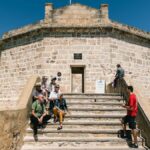
This is where the story becomes specific: you’ll hear about how thousands of men were transported from Great Britain and Ireland, and how the prison system in Western Australia was shaped by those arrivals. The guide also shares the angle that the transported men built their own prison—an unsettling detail that makes you rethink what survival, labour, and punishment meant in practice.
Street art in Freo: modern colour, older themes
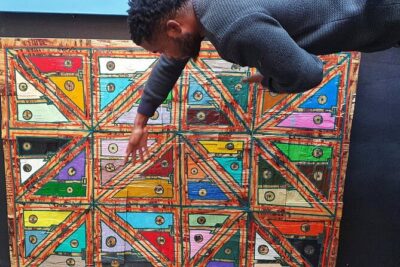
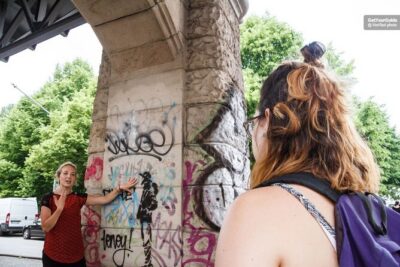
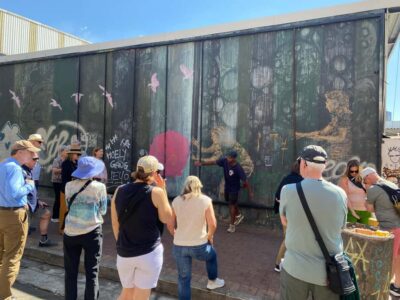
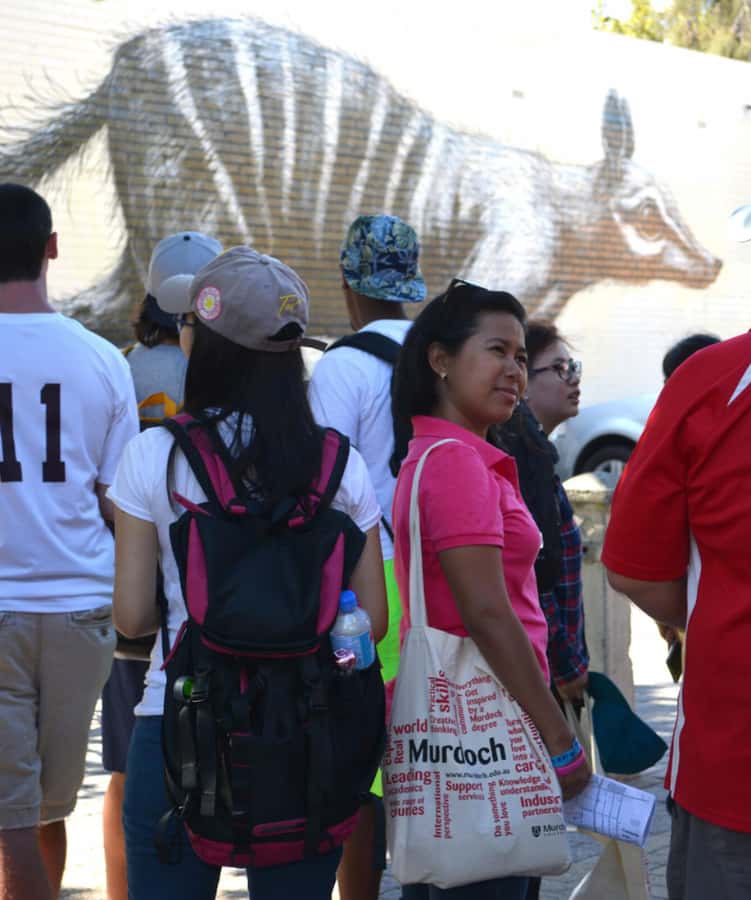
The title includes street art for a reason. On this walk, you don’t treat street art like random decoration. You get it in the context of Fremantle’s culture and identity—how a town that absorbed new arrivals keeps reinventing itself while still carrying the older stories in public view.
That approach helps you spot more than colour. You start paying attention to what locals value enough to paint big and make visible: community memory, migration, and a kind of stubborn humour that fits a port town.
It also makes the tour feel more balanced. You’re not stuck between grim convict details all the time, and you’re not doing a “cute art” walk that skips the hard context. The street art becomes a bridge between past and present.
Rottnest Island connections and the stories the guide actually narrates
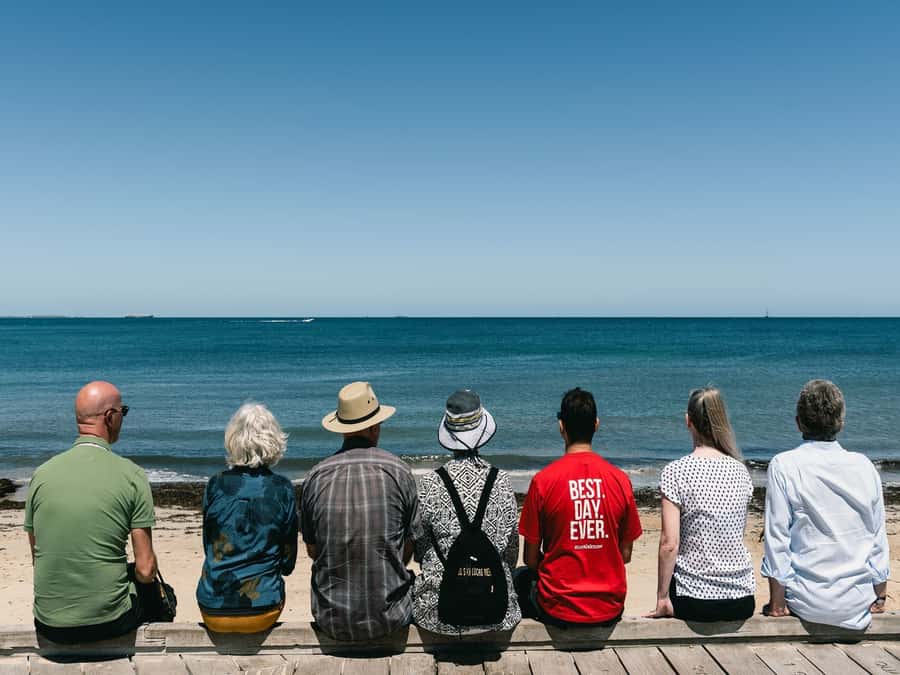
Fremantle is tied to Rottnest Island in the way port and punishment systems connected movement and control. During the walk, you’ll hear how these systems worked at the larger level, rather than just getting isolated “this happened here” facts.
This is one of the tour’s strengths: it threads the needle between maritime past, transportation, and the broader shape of Western Australia. You’ll come away understanding why the port was so central, and why the town’s character formed the way it did—hard-edged, shaped by the sea, and then layered with newly arrived immigrants.
And yes, you’ll hear the hair-raising convict-era stories too: prisoner escape attempts and convict antics show up as part of how the town functioned. The guide keeps it entertaining without turning it into cartoon history.
Why the $46 price feels fair for a first-time Fremantle walk
At $46 per person for a two-hour guided walking tour, the cost isn’t about convenience—it’s about interpretation.
If you walk Freo on your own, you’ll still see plenty: harbour views, old buildings, and street art. But the difference is the guide gives you a map for meaning. You know why the Roundhouse matters. You know how the whaler’s tunnel fits the waterfront economy. You understand the migration angle so the town’s multicultural mix doesn’t feel random.
That’s especially valuable if it’s your first time in Western Australia’s west coast towns and you want to get oriented quickly. This tour acts like a high-quality primer that makes the rest of your day easier.
It also helps that the tour is structured around walking landmarks, not museum queues or long transfers. So your money mostly goes into a local host talking you through what you can already see.
Weather and comfort: the small planning points that make it smooth
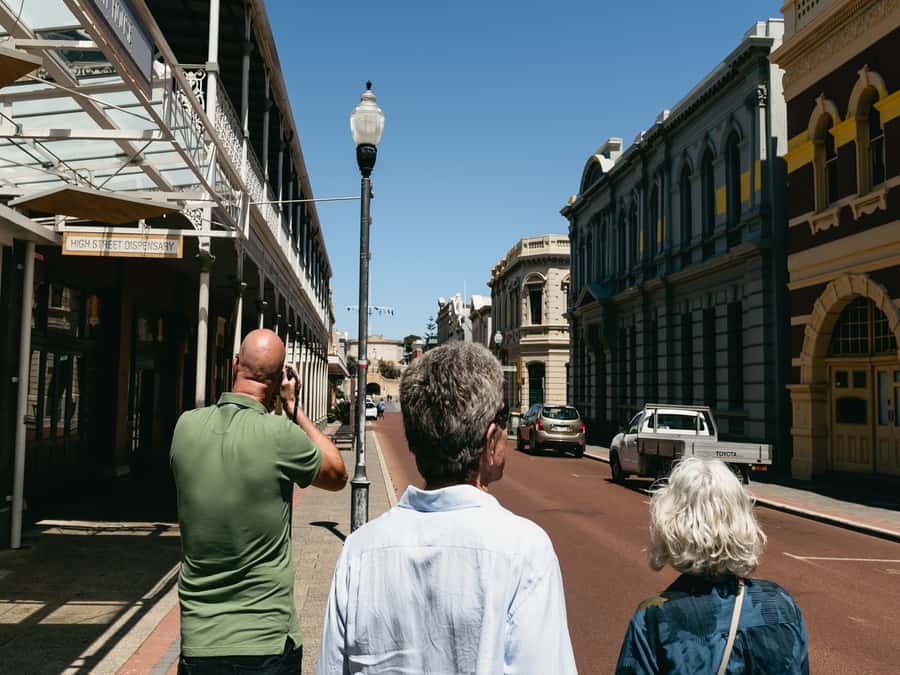
This is a walking tour, so your comfort directly affects your experience.
- Wear comfortable shoes. The route takes you through narrow streets and harbour areas where the ground can vary.
- Dress for the weather. From April to August, you should expect cold conditions and rain, so plan for a jacket and a way to stay dry.
- Bottled water isn’t included, so bring your own if you need it.
One more practical tip: keep your camera ready but don’t freeze. The best stories in this kind of walk land while you’re moving between places, not when you’re standing still for long stretches.
Who this tour is best for (and who might want a different style)
This Fremantle Convicts, Culture and Art tour is a strong fit if you want:
- A walking-first way to understand Freo’s port and convict-era background
- A guide-led experience that mixes maritime history, cultural change, and street art context
- A tour that stays easygoing while still covering serious topics
You might consider a different option if you dislike walking, or if you prefer history told only in quiet museum settings. This is an outdoor walk through real streets and real corners of town.
Should you book this Fremantle Convicts, Culture and Street Art tour?
Yes—if you want your first Fremantle day to come with a story thread.
This tour is built for people who like connection: you see the Roundhouse and you understand what transportation and prison-building meant here. You notice the Whaler’s tunnel and it turns into a clue about the waterfront economy. You catch street art and it becomes a window into how a multicultural port town keeps rewriting itself.
At $46 for two hours, it’s a practical value, especially because you’re paying for local context as you walk. If you show up with good shoes, a weather-ready layer, and a willingness to hear the darker parts without rushing past them, you’ll likely come away feeling like you finally understand Freo.
FAQ
Where does the tour start?
Meet your guide at the Fremantle Visitor Information Centre, located at Kings Square Fremantle WA 6160.
How long is the tour?
The duration is 2 hours.
How much does it cost?
The price is $46 per person.
What’s included in the price?
You get a 2-hour guided walking tour, a professional local host, local history and fun stories, plus local tips.
Is hotel pick-up or drop-off included?
No. Hotel pick-up & drop-off is only available for group bookings by request.
What language is the tour in?
The live tour guide speaks English.
Is the tour wheelchair accessible?
Yes, it is wheelchair accessible.
What should I wear or bring?
Wear comfortable shoes and dress appropriately for the weather. Bottled water is not included, so consider bringing your own.
When should I expect colder or rainy weather?
From April to August, you may expect cold weather and rain, so check the weather report the day before.
Do I need to contact anyone before the tour?
Yes. Please contact the local partner to confirm your trip 24 hours prior to departure.