REVIEW · NAPLES
Rione Sanità tour among baroque, revival, street art & food
Book on GetYourGuide →Run by Napoli Official Tour · Bookable on GetYourGuide
Sanità shows you Naples after the postcards. This 2-hour walking tour moves through Rione Sanità from Porta San Gennaro, mixing Neapolitan Baroque, revival stories, and street art with two very practical food stops.
I especially love how the tour doesn’t treat the neighborhood like a museum. You’re shown the symbols of community change—murals, the Alley of Culture with books, and the famous church artworks—so the sights feel tied to real lives, not just stone.
One thing to consider: this is a compact walking tour, but it’s still a neighborhood of alleys and old streets. If you’re sensitive to crowds, steep corners, or just want lots of long pauses, plan for that.
In This Review
- Key highlights you’ll actually feel
- Walking in Rione Sanità: where the neighborhood tells the story
- Murals, laundry, and the street art Naples uses like a newspaper
- The “twin architectures” palazzi: Palazzo San Felice and Palazzo dello Spagnolo
- Churches, squares, and symbols of neighborhood rebirth
- San Severo outside the walls: the Veiled Son
- Santa Maria alla Sanità: hope in the Nativity scene
- Two tastings that make the tour feel genuinely Naples
- Guides and the feel of the tour: why it lands at 2 hours
- Price and value: why $47 makes sense for this kind of tour
- Who should book this Rione Sanità tour
- Should you book? My honest take
- FAQ
- FAQ
- How long is the Rione Sanità tour?
- Where does the tour start?
- What does the tour cost?
- What food is included?
- What are the main sights during the walk?
- Is transportation included?
- What languages are the tours offered in?
- Can I cancel for a refund?
- Is there an option to pay later?
Key highlights you’ll actually feel
- Porta San Gennaro as the symbolic starting line, then straight into the alleys
- Totò and Maradona murals that make the street art instantly understandable
- Two “twin” Baroque palazzi: Palazzo San Felice and Palazzo dello Spagnolo
- Church art with big emotional weight, including the Veiled Son at San Severo outside the walls
- Hope + integration through the Nativity scene at Santa Maria alla Sanità
- Food that’s local, not just tourist-snack local: fried pizza and fiocco di neve with coffee
Walking in Rione Sanità: where the neighborhood tells the story
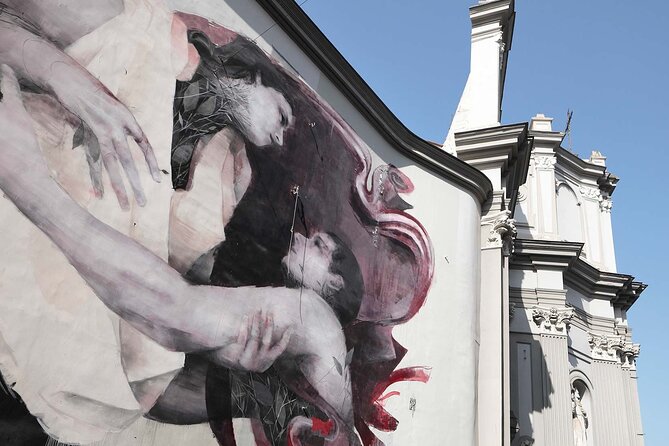
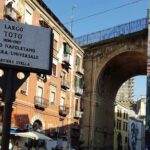
Start at Porta San Gennaro, right by via Porta S. Gennaro 35. The meeting point is next to the gate, and your guide waits holding a sign with your name. It’s a nice touch, because in this area you’ll quickly see why orientation matters: streets fold, views change fast, and the charm can also feel a little maze-like at first.
From the beginning, the tour frames Sanità as a place with strong identity—pride, tradition, and also visible struggle. That sets the tone for everything you’ll see: the colors on walls, the baroque stonework in front of you, the laundry you might spot hanging out to dry, and the street art that references Naples pop culture. The result is a tour that feels like a guided conversation with the neighborhood, not a checklist.
The group size is small—at least around 6 participants and up—which matters in a working-class area. You get time to look closely without feeling rushed, and you’re more likely to keep up with the guide’s connections between art, architecture, and community life.
You can also read our reviews of more tours and experiences in Naples.
Murals, laundry, and the street art Naples uses like a newspaper
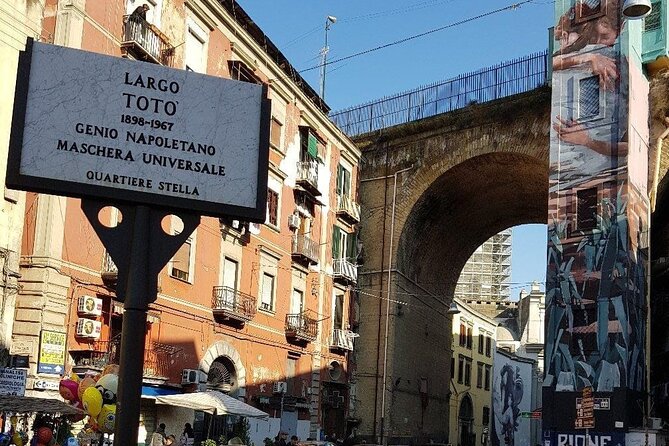
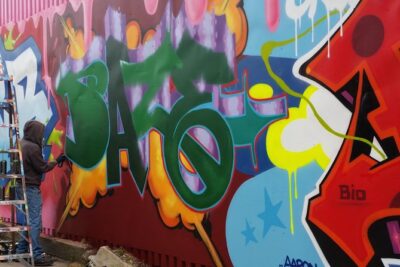
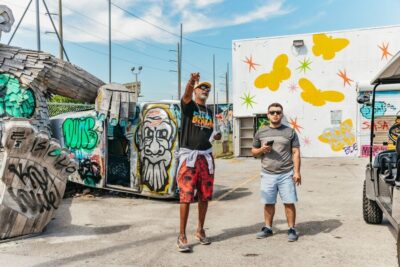
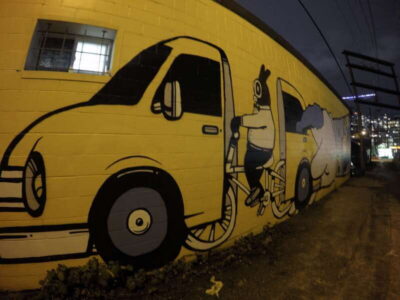
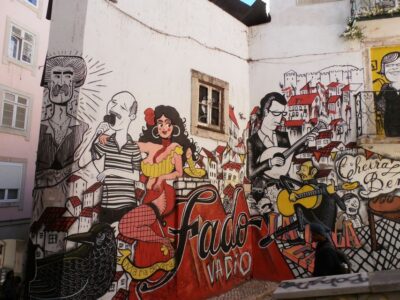
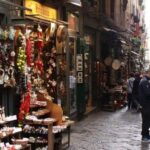
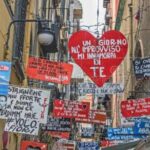
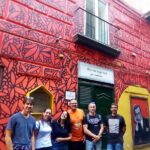
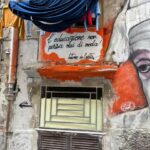
After you pass Porta San Gennaro, the alleys get to work. You’ll see murals dedicated to Totò and Maradona, and they’re not just decorative. They’re part of how locals keep shared stories visible in public space. Even if you don’t know every reference, the guide explains why these names show up here, and how street art has become a form of neighborhood memory.
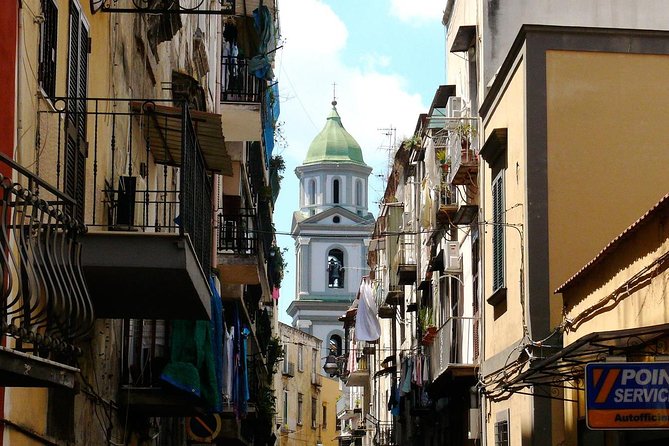
A big reason this section works: the visuals are layered. You can glance at a wall, then realize you’re also watching a social statement. One corner may be playful street art, while the next reveals more formal beauty from squares and churches nearby. That contrast—street and sacred side by side—is part of Sanità’s charm and contradiction.
Also, don’t rush your eyes. In this area, the guide’s best moments happen when you slow down just enough to notice small details: the colors of buildings, the way facades look worn and restored, and everyday scenes like laundry thrown across a line. It’s those bits that make the architecture feel lived-in, not staged.
The “twin architectures” palazzi: Palazzo San Felice and Palazzo dello Spagnolo
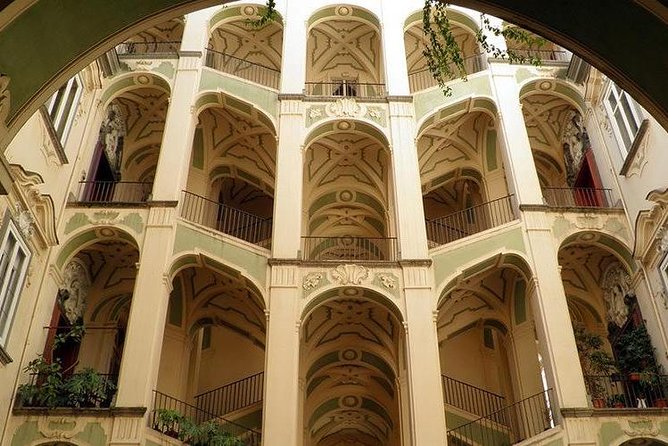
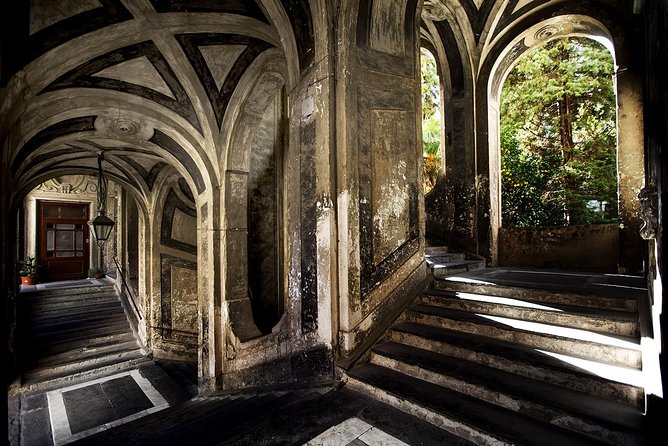
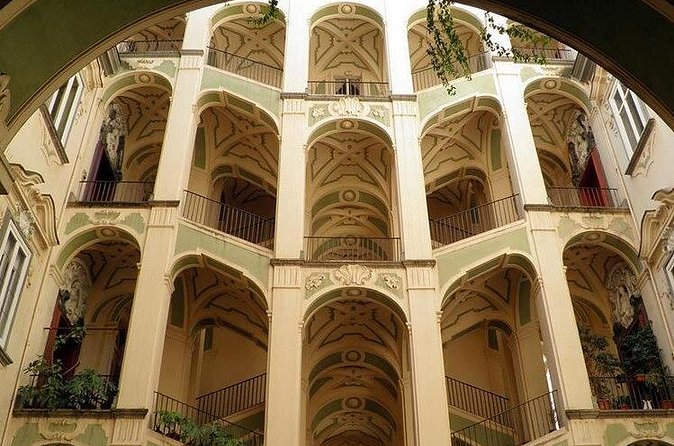
One of the tour’s most memorable stops is when you see two major masterpieces of Neapolitan Baroque: Palazzo San Felice and Palazzo dello Spagnolo. The tour calls them twin architectures, and you’ll understand why. Their paired presence helps you grasp the district’s story of decay and rebirth in a physical, visual way.
Here’s what I’d suggest you pay attention to: how the architecture communicates status and ambition, even when the surrounding area has had rough periods. Baroque in Naples isn’t shy. It’s dramatic, theatrical, and meant to impress. When you see these palazzi in Sanità’s streetscape, you realize the neighborhood always had big dreams; the question was whether those dreams could be carried forward.
There’s also a practical benefit. These palazzo stops give you a pause in the tour’s momentum. It’s a clear “look up and take it in” moment after the alley walls and murals. If you like architecture, this section alone is worth showing up for.
Churches, squares, and symbols of neighborhood rebirth
As you move through the district, the tour weaves in how the community has tried to regenerate itself. A local guide highlights the role of social cooperatives and explains how a desire for rebirth shows up everywhere: not only in renovations, but also in small cultural initiatives.
You may pass through or near squares and churches that look beautiful and a little complicated at the same time. That matters because Naples often does. Things aren’t always “clean” in the tourist sense. Instead, you see the honest mix of old and new, sacred and everyday. In Sanità, that mix is part of the point.
One detail I really liked learning about is the Alley of Culture, where there are books for everybody. It’s small, but it’s the kind of community effort that changes how people feel about a neighborhood. And it gives your tour a human layer: you’re not only looking at art you can photograph; you’re seeing an attitude toward learning and inclusion.
San Severo outside the walls: the Veiled Son
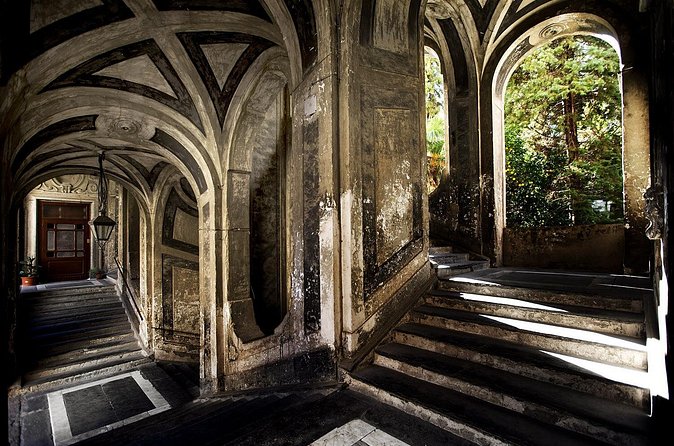
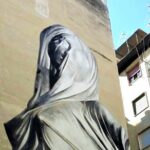
One of the standout church experiences is the basilica of San Severo outside the walls and its sculpture known as the Veiled Son. This is the kind of artwork that makes you step back and then step closer again. The effect is all about presence—how the figure feels almost staged between reality and illusion.
The guide’s interpretation is what helps it land. Without that context, it can feel like one more famous statue in a church. With the explanation, you start seeing it as part of a broader emotional logic: beauty used to provoke thought, awe, and hope, right inside a neighborhood that’s working hard to reinvent itself.
If you like religious art, you’ll enjoy the way the tour ties the feeling of the sculpture to the district’s broader theme. It’s not preachy. It’s just connecting the dots between what people can build and what they keep believing in.
Santa Maria alla Sanità: hope in the Nativity scene
Another key church stop is Santa Maria alla Sanità, famous for its Nativity scene. For this tour, it’s more than a seasonal attraction. The Nativity is presented as a symbol of hope and universal integration, and that framing changes how you look at it.
Here’s the best way to approach this part: don’t treat it like a quick glance. Give it time. Nativity scenes reward slow looking—the arrangement, the mood, the way details are placed so the scene feels like a small world. Even if you’re not big on religious art, you’ll probably notice how much care goes into it, and how that care fits the neighborhood message of rebirth.
This stop also balances the tour nicely. After the Baroque architecture and dramatic sculpture, the Nativity scene brings a calmer emotional note. It’s hope you can actually look at, not just hear about.
Two tastings that make the tour feel genuinely Naples
Food here isn’t an afterthought. You get two tastings that are practical and easy to enjoy while you’re walking.
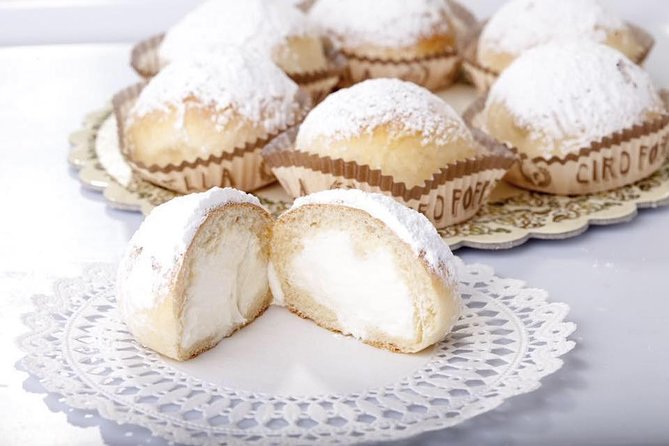
First up: fried pizza. You’ll taste it as locals do, with a take-away style service that makes sense for a street-level walking tour. The point isn’t just eating. It’s feeling how Naples treats food like a regular part of daily life—fast, friendly, and built for moving. If you’re trying this area for the first time, this stop is also your “OK, I’m in Naples now” moment.
Second: dessert at Poppella, where you’ll try the fiocco di neve along with a real Neapolitan coffee. That matters, because Naples coffee culture is its own thing, and the guide makes sure it lands the right way. The fiocco di neve is the kind of treat you remember because it’s specific—tied to a known pastry shop, not some generic “Italian dessert” idea.
If you’re thinking about value, these two stops do real work for the price. A short tour plus two tastings is usually where you decide if a walking experience is worth it. Here, the food is included, not optional.
Guides and the feel of the tour: why it lands at 2 hours
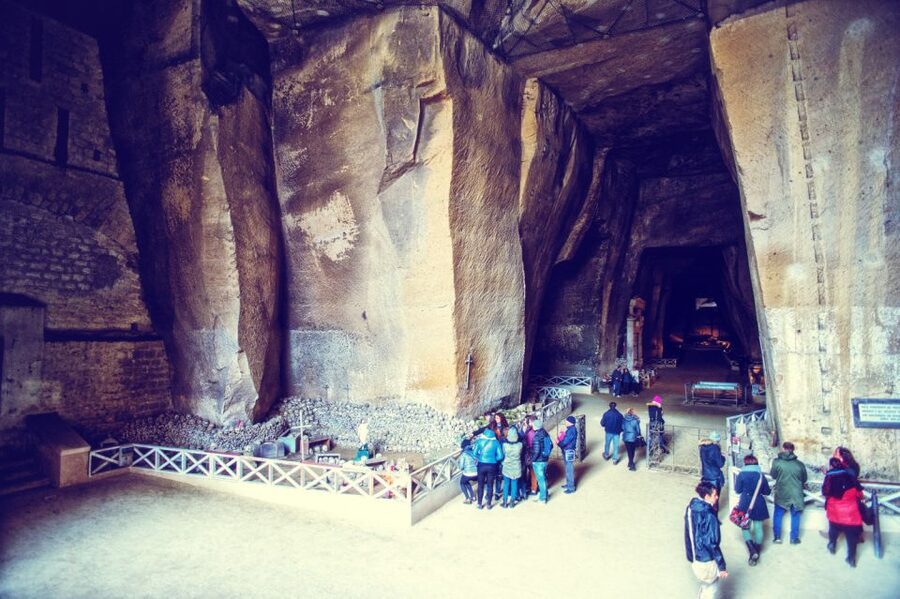
The tour’s timing is right for the subject. At 2 hours, you get enough time to see the main visual anchors—murals, palazzi, churches, and the two food stops—without burning out in the middle of the neighborhood.
I also noticed something important in how people talk about the guides: they’re not just translating signs. Names you may hear mentioned include Rosa, Giovanni, Gianluca, and Giorgia. The common thread is clear: the guide connects facts to the neighborhood story, and the tone stays human.
One practical tip: wear shoes you trust. The route is designed for walking and looking. Even if you’re moving at a comfortable pace, you’ll want solid grip and cushioning. And bring a small sense of flexibility—Sanità changes visually as you turn corners, and sometimes that means stopping to look a bit longer than you planned.
Price and value: why $47 makes sense for this kind of tour
At about $47 per person for a 2-hour guided walking tour, the price is easiest to judge by what you get that you can’t replicate alone.
You’re paying for:
- A guide who can explain why street art and Baroque architecture sit together here
- Access to the key church artworks, including Veiled Son and the Santa Maria alla Sanità Nativity
- Two tastings: fried pizza and fiocco di neve plus Neapolitan coffee
You’ll also save time. In a neighborhood like this, wandering without context can make everything feel random. This tour gives you a framework: rebirth, pride, and what people build when they want a future.
Only consideration: transportation isn’t included, so you’ll want to plan how you’ll get to Porta San Gennaro on your own. The tour itself is built for walking, so factor that into your day schedule.
Who should book this Rione Sanità tour
This is a great fit if you want:
- Naples that’s less postcard and more lived-in
- A mix of street art, Baroque architecture, and church art
- Food that actually tastes like a local routine
- A guide-led story with a social thread—rebirth, inclusion, community work
It’s also a strong choice if you’ve already done the big classics (or you’re mixing them in) and you want a different lens. The neighborhood’s theme helps the stops make sense as a whole.
If you prefer only famous monuments with long museum-style interiors, you might find parts of this tour more “street-level.” But that’s also the point.
Should you book? My honest take
Book it if you like guided walking tours that explain what you’re looking at—especially when the story is tied to real neighborhoods and real change. The 2-hour format is ideal, and the food inclusions are meaningful, not a token.
I’d hold off only if you’re expecting effortless, flat walking with lots of open-air space. This is alleys and churches and corners. If you’re okay with that, you’ll leave with a Naples you can’t quite get from the main routes.
FAQ
FAQ
How long is the Rione Sanità tour?
The tour lasts 2 hours.
Where does the tour start?
It starts next to Porta San Gennaro, at via Porta S. Gennaro 35. The guide will hold a sign with your name.
What does the tour cost?
The price is $47 per person.
What food is included?
You’ll get a fried pizza tasting (take-away service) and a sweet tasting of the fiocco di neve from Poppella, plus Neapolitan coffee.
What are the main sights during the walk?
Expect murals (including Totò and Maradona), Neapolitan Baroque palazzi (Palazzo San Felice and Palazzo dello Spagnolo), and church artworks including the Veiled Son at San Severo outside the walls and the Nativity scene at Santa Maria alla Sanità.
Is transportation included?
No. Transportation is not included.
What languages are the tours offered in?
The guide can run the tour in English, Italian, and Spanish.
Can I cancel for a refund?
Yes. Free cancellation is available up to 24 hours in advance for a full refund.
Is there an option to pay later?
Yes. You can reserve now and pay later.