REVIEW · NAPLES
Rione Sanità Tour among Baroque, Revival, Street Art & Food
Book on Viator →Run by Napoli Official Tour · Bookable on Viator
Naples, but in the alleys. This 2-hour Rione Sanità tour is a smart mix of baroque architecture, street art, and local stories that feel way more lived-in than the usual highlights route. I especially like the local expert style of guiding, with clear English and conversation that gets into everyday life, not just dates and walls.
I also love the way the route connects art to the neighborhood. You’ll see famous faces painted large (hello Totò and Maradona), then shift to the district’s baroque treasures, plus quick food breaks that actually make sense here.
One thing to consider: the underground portion depends on what’s open that day. You may visit catacombs or the Fontanelle Cemetery when open, so plan for a small change in the exact underground stop.
In This Review
- Key things I’d circle before you book
- Why Rione Sanità feels like real Naples, not a postcard
- Porta San Gennaro: the symbolic entrance that sets the tone
- Totò and Maradona murals meet Baroque squares and churches
- Palazzo San Felice and Palazzo dello Spagnolo: twin architectures of change
- Laundry lines, color, and the neighborhood symbol of community
- Piazza Sanità, 11: fried pizza with cicoli and ricotta
- Santa Maria della Sanità: regeneration efforts, street culture, and the Nativity
- Underground option: catacombs (or Fontanelle Cemetery when open)
- Annarè for fiocco di neve gelato and real Neapolitan espresso
- Price and logistics: what $48.06 buys you in real terms
- Who should book this Rione Sanità tour (and who might not)
- Should you book it?
- FAQ
- How long is the Rione Sanità tour?
- How much does it cost?
- What language is the tour offered in?
- What food tastings are included?
- Does the tour include catacombs or a cemetery?
- Where is the meeting point?
- How big is the group?
- Is free cancellation available?
Key things I’d circle before you book
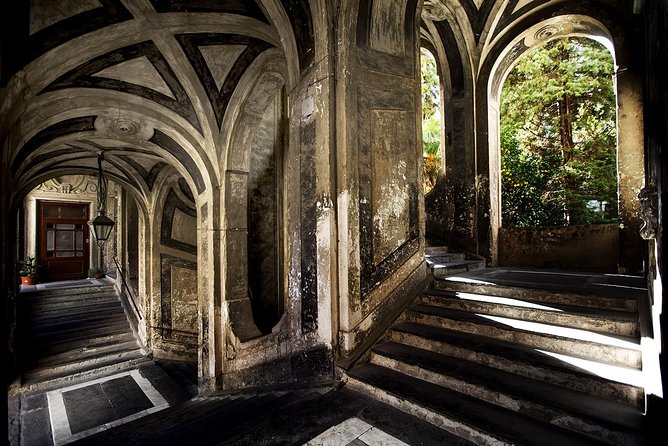
- Baroque palazzi plus street art in one walk: Palazzo San Felice and Palazzo dello Spagnolo alongside murals to Totò and Maradona.
- A guide you can talk to: clear, personable guidance in English, with plenty of chat about how people live in Naples.
- Catacombs if available (Fontanelle Cemetery as the alternative): you get that underground feeling without needing extra legwork.
- Two real tastings, not just a snack stop: fried pizza with cicoli and ricotta, then fiocco di neve gelato with espresso.
- A compact, walk-and-absorb pace: about 2 hours and a max group size of 20, so it stays manageable.
Why Rione Sanità feels like real Naples, not a postcard
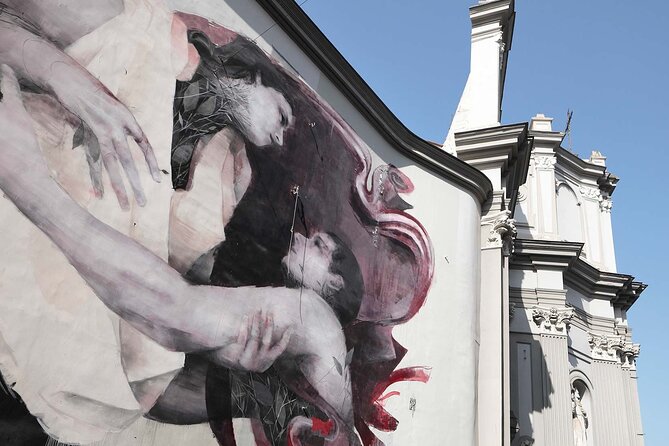
Rione Sanità is the kind of neighborhood that works best when someone points things out for you. Left on your own, you can admire buildings and street art, sure, but you’ll miss why certain spots matter and how the whole area fits together. On this tour, you’re guided through the symbolic start at Porta San Gennaro, then into the alleys where the walls do more storytelling than the guidebooks.
You get two Naples at once: the decorative, dramatic look of baroque architecture, and the more modern, very personal expression of street art. That contrast is a big part of what makes the walk enjoyable. It’s also practical: you’re not spending hours in museums. Most stops are brief, but each one gives you a clear piece of the puzzle.
And the small group matters. With a maximum of 20 people, you’re not stuck listening to instructions from the back of a huge herd. It’s also one reason this tour tends to sell well; it’s been booked an average of 35 days in advance.
You can also read our reviews of more tours and experiences in Naples.

Porta San Gennaro: the symbolic entrance that sets the tone
Your walk begins at Via Porta S. Gennaro, 35, near Porta San Gennaro. This is more than a starting marker. The gate functions like a story threshold: the neighborhood has a sense of identity, and the tour starts where that identity is meant to be felt.
Expect a quick reset and orientation. The stop is short, but it helps you understand what you’re about to see, especially if you’ve never visited Naples beyond the main tourist corridors. If you like your tours to start with context instead of immediately jumping into photos, this opening works well.
Also, good news for logistics: the early timing is designed to keep you moving. No long waits, and the admission for this first stop is free.
Totò and Maradona murals meet Baroque squares and churches
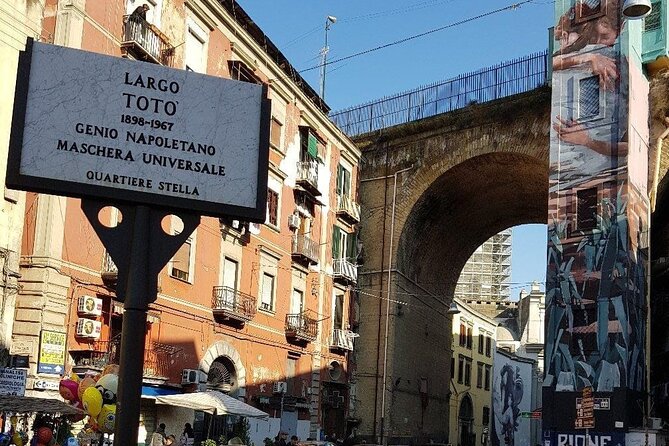
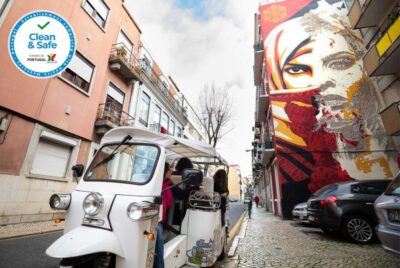
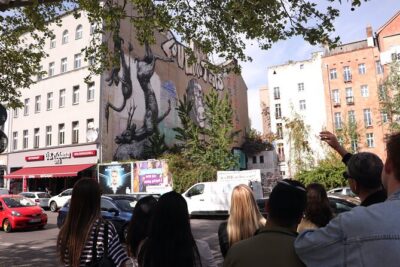
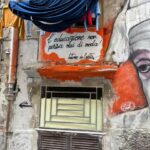
Once you step into the alleys, the tour leans hard into visual storytelling. This is where Rione Sanità changes gear: murals and local references pop up around you, including large works tied to Totò and Maradona. The point isn’t just seeing street art. It’s learning how public art works in a neighborhood—who it remembers, what it claims, and how it keeps community memory visible.
From there, you shift attention to the more traditional Neapolitan look: baroque art and the squares and churches that create the district’s dramatic angles and contrasts. The tour stays balanced—street art isn’t treated like a random detour, and the baroque sites aren’t treated like a separate, distant world.
A practical note: these lanes can feel narrow and lively. Plan to keep your pace steady and your camera ready, but don’t expect wide sidewalks or slow strolls. The upside is that the neighborhood atmosphere shows up fast.
Palazzo San Felice and Palazzo dello Spagnolo: twin architectures of change
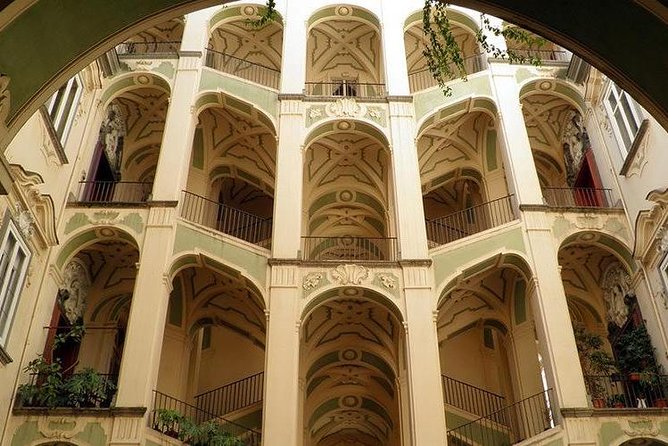
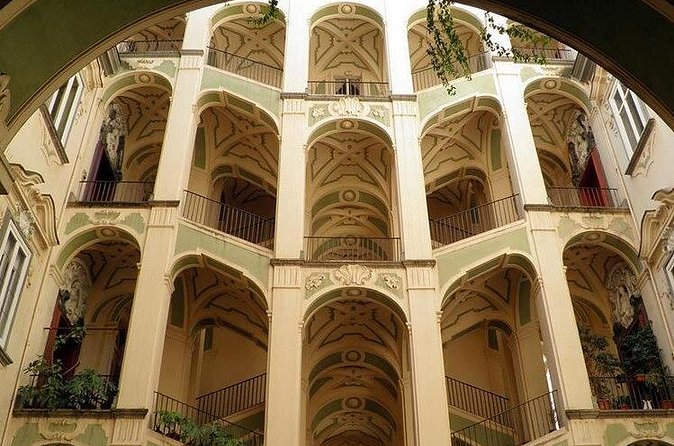
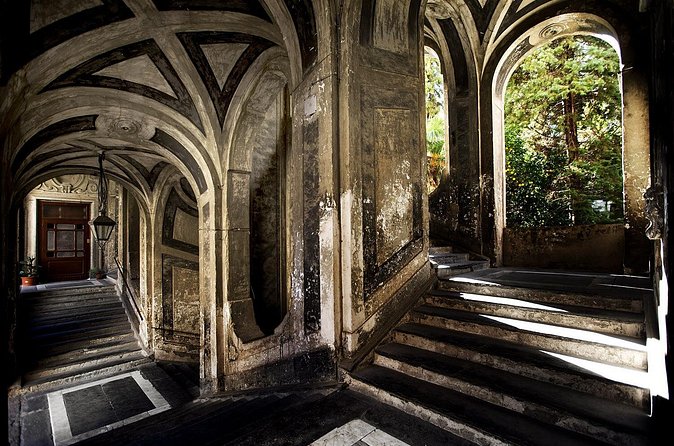
One of the best uses of your time comes at the Palazzo Dello Spagnolo stop. Here, you focus on two major Neapolitan baroque masterpieces: Palazzo San Felice and Palazzo dello Spagnolo—often described as twin architectures. That idea matters. You’re not just looking at pretty façades. You’re seeing how architecture in this district communicates decay, survival, and rebirth, sometimes in the same view.
In plain terms, the buildings help you understand a Naples theme you’ll keep hearing: the neighborhood isn’t frozen in one moment. It’s changed over time, and the architecture reflects that movement. The guide’s job here is to connect what you’re seeing (ornamentation, proportions, the feel of the restoration story) to the reality behind the walls.
This stop is also fairly quick, which is good. You’re given the key visual cues so you leave with an eye for the details, not just a generic sense that the buildings look old.
Laundry lines, color, and the neighborhood symbol of community
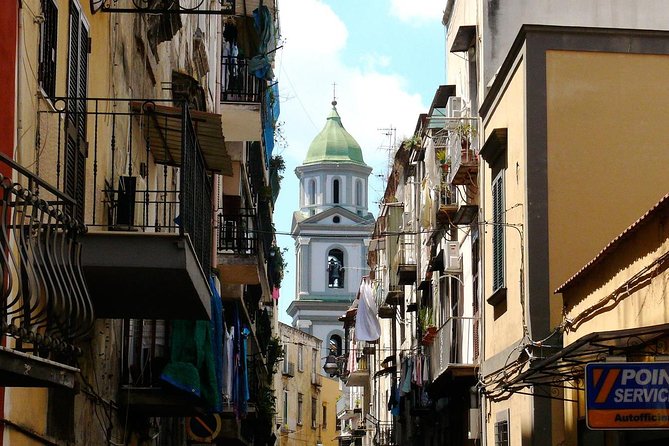
Later in the tour, you re-enter the Rione Sanità lanes for a different kind of observation. This section is about meaning. Your guide points out a symbol of the community, then directs your attention to everyday details that visitors often walk past: laundry hung to dry, color on buildings, and murals that sit right in the flow of daily life.
If you like tours where you learn how to see instead of just what to see, you’ll enjoy this portion. It’s easy to treat Naples like a photo set. This part nudges you to think of it as a place where people actually live, work, and keep the neighborhood moving.
The big theme is rebirth, and you’ll feel it in how the tour frames the street scenes. The goal isn’t sentiment. It’s understanding how art, restoration efforts, and community symbols can change how a district presents itself to the world.
Piazza Sanità, 11: fried pizza with cicoli and ricotta
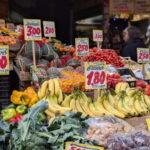
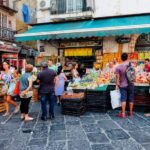
Then you hit the food stop, and it’s the kind that makes Naples feel like Naples. At Piazza Sanità, 11, you’ll taste fried pizza, one of the most classic Neapolitan street foods.
This isn’t vague tasting. You’ll get the flavors that define the filling: a mix of cicoli and ricotta cheese, black pepper, and fior di latte cheese. The stop is short, which helps because you’re already in the neighborhood rhythm and don’t feel stuck waiting around.
From a value perspective, this is a smart inclusion. You’re paying a tour price that’s relatively low for a guided route of this length, and one of the ways it pays you back is through real, local food that fits the district you’re walking through. No awkward “tour snack” that could be eaten anywhere.
Tip for you: eat at the pace of the group. This is a tasting, not a full meal, and the tour keeps moving.
Santa Maria della Sanità: regeneration efforts, street culture, and the Nativity
Santa Maria della Sanità is one of the more meaningful stops because it shifts from artwork and architecture to human effort. Your guide talks about the struggle of a social cooperative to regenerate the neighborhood, and you’ll see how the desire for rebirth shows up beyond buildings.
Here’s what makes this stop memorable in real-world terms:
- You’ll notice street art and what’s described as books for everybody in an alley of culture.
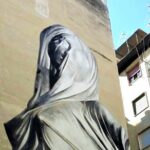
- You’ll hear about the sculpture of the Veiled Son, connected with the basilica of San Severo outside the walls.
- You’ll end with the fabulous Nativity scene in the basilica of Santa Maria alla Sanità, presented as a symbol of hope and universal integration.
Even if you’re not a church art fanatic, the way the tour ties these artworks to community rebuilding gives you a fuller understanding. You start to see why people care about these spaces. It’s not just religious décor. It’s also public identity and shared optimism.
Time is limited, so go in ready to look closely. If you prefer unstructured time inside buildings, this might feel brief. But if you like direction and context, you’ll get a lot out of the stop.
Underground option: catacombs (or Fontanelle Cemetery when open)
Part of the point of this tour is the ancient underworld side of Naples. You’ll access ancient catacombs, with a backup plan if the cemetery is closed: the Fontanelle Cemetery may be used when it’s open.
This flexibility matters. It means you’re not paying for a single fragile plan. You’re aiming to experience the underground setting, and the guide handles the change in a way that still gives you that unique atmosphere.
One review detail that lines up with the tour design: when the cemetery wasn’t open, the tour went to the San Gennaro catacombs instead. That’s exactly what you want from a tour in a living city—plans can shift, but the experience stays intact.
For you: wear shoes you trust. The tour is short, but catacombs and cemetery-type locations can mean uneven ground or steps.
Annarè for fiocco di neve gelato and real Neapolitan espresso
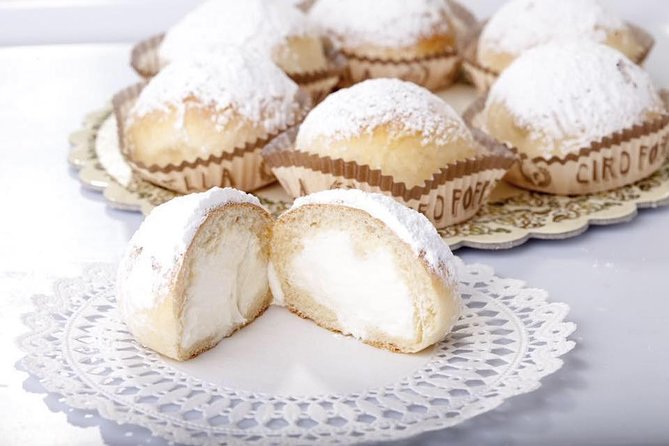
The tour ends on a sweet note at Annarè – il Gelato di Poppella. Your final tasting is fiocco di neve, paired with real Neapolitan espresso. This is a nice closing choice because it matches the neighborhood vibe: plain, local, and immediately enjoyable.
This stop is only about 5 minutes, so don’t expect a slow sit-down. But it’s enough time to taste the specialty and get that espresso buzz that Naples does so well. If you like gelato more than museum desserts, this ending will land.
Price and logistics: what $48.06 buys you in real terms
At $48.06 per person for about 2 hours, this tour isn’t expensive, and it feels appropriately priced for what you receive. You’re paying for:
- a local expert guide in English
- multiple stops packed into a short route
- tastings of fried pizza and fiocco di neve, plus espresso at the end
- mobile ticket convenience
Transportation isn’t included, so you’ll want to plan how you get to the meeting point. The meeting spot is Via Porta S. Gennaro, 35 (start at 1:00 pm), and the activity finishes back at the meeting point.
The small group cap of 20 people is also a big value point. You can actually hear explanations and ask questions, instead of yelling into the crowd.
Two practical tips to make your money feel like it’s doing more work:
- Bring comfortable shoes for narrow streets and possible steps during the underground/cemetery stop.
- Come with an appetite for quick bites. You’re not guaranteed a full meal, and the tour structure is built around short tastings.
Who should book this Rione Sanità tour (and who might not)
This is a great match if you want:
- Naples beyond the classic surface attractions
- street art and baroque architecture in the same walk
- a guide who talks in clear English and makes the neighborhood feel understandable
- two tastings that actually reflect local food culture
It may not be ideal if you prefer long, unstructured time at a single site or if you want a slow museum-style pace. The route is tight by design—about seven stops over roughly two hours—so you’ll move, look, taste, and go.
If you have a strong interest in religious art or underground sites, you’ll likely enjoy Santa Maria della Sanità and the catacombs/cemetery option most.
Should you book it?
Yes, I think you should book this tour if you want a guided way into Rione Sanità that combines street art, baroque architecture, and food without turning it into a checklist. The high rating (4.9) and the fact that 98% recommend it lines up with what matters most in a neighborhood tour: the guide quality and the ability to make the area feel coherent.
One smart reason to choose it over a DIY walk is the context. Porta San Gennaro, the twin palazzi, and the Santa Maria della Sanità stop connect to a rebirth story you’ll miss on your own. Add the fried pizza tasting and fiocco di neve with espresso, and you’ve got a well-rounded two hours that feels both local and efficient.
If the underground stop is a must for you, just know it can shift between catacombs and the Fontanelle Cemetery depending on what’s open that day—but the tour is set up to handle that.
FAQ
How long is the Rione Sanità tour?
The tour lasts about 2 hours.
How much does it cost?
It costs $48.06 per person.
What language is the tour offered in?
The tour is offered in English.
What food tastings are included?
You’ll have a fried pizza tasting and a sweet tasting of fiocco di neve. The gelato tasting is accompanied by real Neapolitan espresso.
Does the tour include catacombs or a cemetery?
Yes. It includes ancient catacombs, or it uses the Fontanelle Cemetery when it is open.
Where is the meeting point?
The meeting point is Via Porta S. Gennaro, 35, 80138 Napoli NA, Italy.
How big is the group?
The tour has a maximum of 20 travelers.
Is free cancellation available?
Yes. You can cancel for a full refund up to 24 hours in advance of the start time. Free cancellation is also stated as available.