REVIEW · LISBON
Lisbon: Street Art TukTuk Tour
Book on GetYourGuide →Run by Live Portugal - Tours & Tales · Bookable on GetYourGuide
Street art in Lisbon is one of those things you can’t appreciate properly from one street. This 2-hour electric tuk tuk tour mixes guided mural stops with scenic drives through classic neighborhoods, so you get art plus context plus viewpoints. I especially like the way the guide connects what you’re seeing to the broader story of street art, not just the image on the wall.
The second reason I’d book is the combination of private pickup and door-to-door convenience with a format that keeps moving but doesn’t feel rushed. Guides such as Claudio, Tiago, Tomas, and Felipe are repeatedly praised for making the art understandable and for keeping the energy friendly. One drawback to plan around: the ride involves cobblestones and some bumpiness, and getting into the tuk tuk requires enough mobility to climb in.
If you want street art without hours of uphill walking, this is a smart way to do it. You’ll be trading steady steps for shorter photo stops and short guided segments, plus you’ll still catch plenty of Lisbon’s historic texture from the road.
In This Review
- 5 key reasons this tour works so well
- Electric Tuk Tuks Roll You Into Lisbon’s Street-Art Neighborhoods
- A Local Guide Turns Murals Into Stories You Can Actually Use
- Baixa de Lisboa: Your Orientation Plus the First Mural Moments
- Alfama: Photo Stops, Viewpoints, and the Art-At-Street-Level Feeling
- Graça Historic District: Scenic Views That Put the Murals in Context
- Xabregas: The Neighborhood Feel, Not the Tourist Shortcut
- The Value of 2 Hours: Enough Art to Learn, Not Enough to Burn Out
- Is the $94 Price Worth It?
- Tips So the Tuk Tuk, Cobblestones, and Cameras Work With You
- Should You Book This Lisbon Street Art Tuk Tuk Tour?
- FAQ
- How long is the Lisbon Street Art TukTuk Tour?
- Is this tour private?
- What’s included in the price?
- What is not included?
- Where does the tour go during the ride?
- What language is the guide available in?
- How many people can be in the group?
- Do I need to bring luggage?
- Is the tour suitable for everyone?
- What happens if I cancel close to my date?
5 key reasons this tour works so well
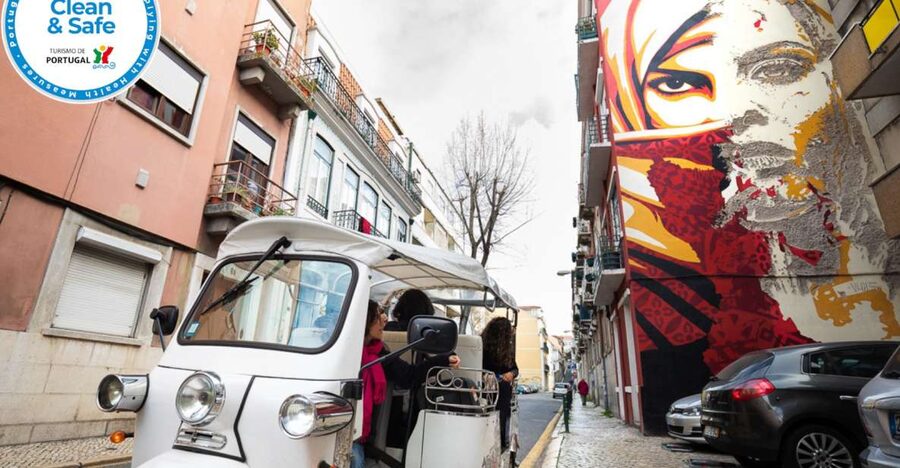
- Electric tuk tuks + private comfort: you’re not squeezed into a crowded bus while you hunt murals
- Live storytelling about street art history: you learn what influenced the movement in Portugal and around the world
- Stops in classic-but-less-cookie-cutter areas: neighborhoods like Alfama, Graça, and Xabregas add variety
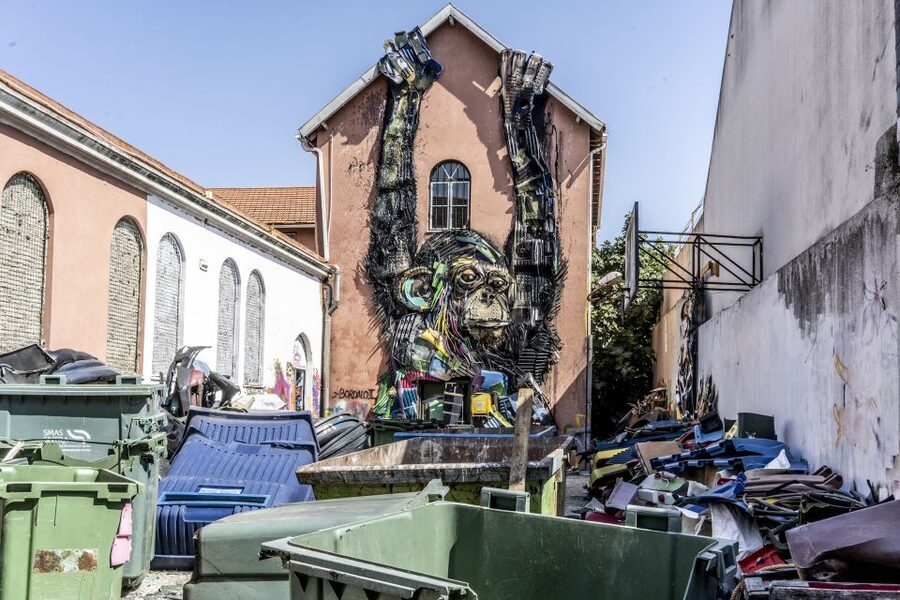
- Art from major names: you’ll see work linked to artists such as Vhils, Obey Giant, Pichiavo, and Bordalo II
- A pace built for viewing: short photo stops plus scenic drives make 2 hours feel well-used
Electric Tuk Tuks Roll You Into Lisbon’s Street-Art Neighborhoods

This is a private, 2-hour street-art experience built around small-group touring and a smooth ride style for a city full of hills. You start with hotel pickup and drop-off in Lisbon, then hop into an electric tuk tuk. It’s a practical choice: you cover ground quickly, but you’re still out in the neighborhoods where the street art lives.
The tour is designed for a maximum of 6 people total, and it’s most comfortable for groups up to 4 adults and 2 children. That matters, because street art viewing is personal. You’ll want a moment to look, photograph, and read the guide’s explanation without feeling like you’re in a moving crowd.
A key “know this first” note: luggage or large bags aren’t allowed, and the ride isn’t suitable if you have mobility limitations. There’s also “some bumpiness” expected, especially because some historical areas can involve cobblestone streets that aren’t well-maintained. If you’re sensitive to rough pavement, wear shoes you trust and keep your expectations realistic.
You can also read our reviews of more tours and experiences in Lisbon.



A Local Guide Turns Murals Into Stories You Can Actually Use
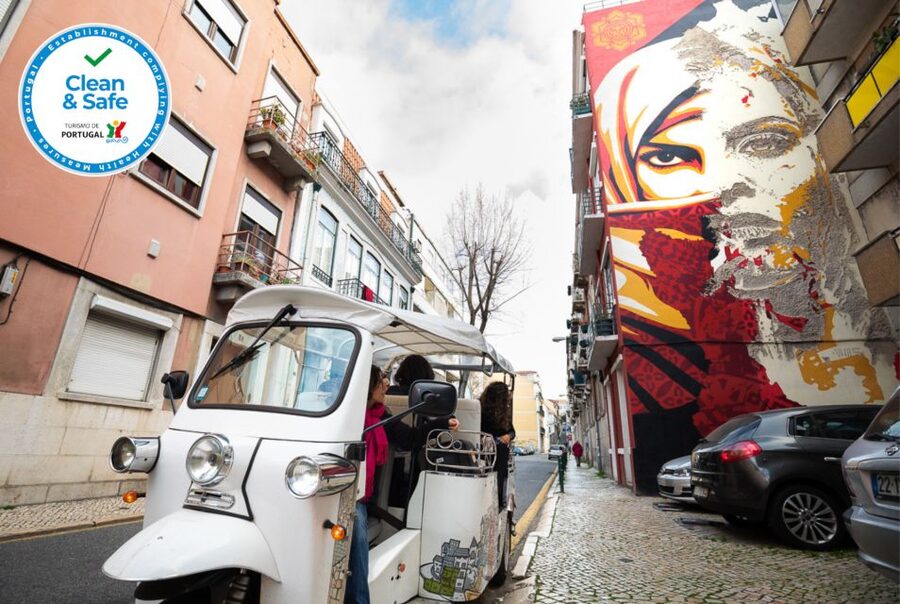
Street art can look random if you only chase aesthetics. The big value here is that your guide gives you live explanations that connect the art to the movement’s history worldwide and in Portugal, and then ties that context back to specific pieces and artists.
In plain terms, the guide helps you see patterns:
- why certain styles show up in particular places
- how street art went from “marking territory” to a recognized cultural voice
- how Portuguese artists fit into the bigger global street-art conversation
It also helps that the guides highlighted in bookings (like Claudio, Tiago, Tomas, and Felipe) get praised for being warm and engaging, not lecture-y. That kind of delivery makes it easier to remember what you saw a few minutes later when you’re looking at a new wall.
You’ll also get guided pauses where the city itself becomes part of the lesson. Many mural spots sit in historic neighborhoods, so the explanation comes with built-in scenery and monuments in view. You’re not only learning about street art; you’re learning how it “belongs” inside Lisbon’s older fabric.
Baixa de Lisboa: Your Orientation Plus the First Mural Moments
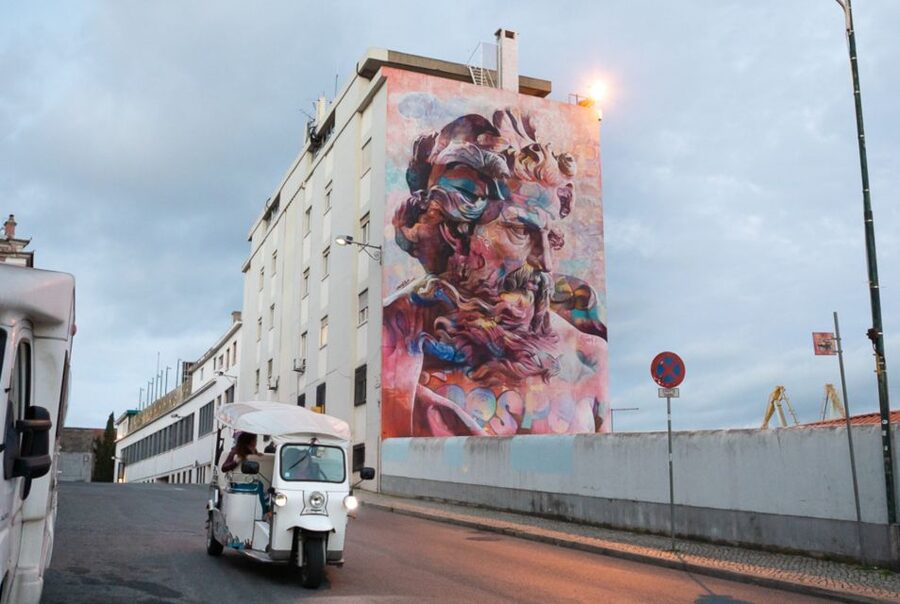
You kick off with pickup in Lisbon, then head toward Baixa de Lisboa for about 15 minutes of guided touring and scenic driving. This early segment is useful because it sets your bearings fast. Even before the heavier neighborhood viewing, you’re already being oriented to what to look for: technique, materials, and how artists claim surfaces in a way that feels very Lisbon.
Baixa is also a good place to start because it’s more approachable for first-time orientation. You’ll get a quick feel for the city’s rhythm, then transition into areas where the streets and views get more dramatic. The tour doesn’t treat Baixa like a museum stop. It’s more like a warm-up, with enough guidance to make later murals easier to “read.”
A practical consideration: this tour is short. So if you love slow looking, you’ll want to make good use of the photo stops later. The Baixa portion is meant to get you ready, not to answer every question you might have.
Alfama: Photo Stops, Viewpoints, and the Art-At-Street-Level Feeling
Next comes Alfama for about 30 minutes, including photo stops, guided touring, and scenic drive time. Alfama is the part of Lisbon many people picture: tight streets, historic character, and that feeling that every corner is a postcard. Here, street art works especially well because the contrast is the point. You’re seeing contemporary expression layered onto older stone and older stories.
This is also where the tour’s format shines. You’re not just driving past walls. You pause long enough to take photos and absorb what the guide is saying. That makes a difference with street art, because you often need a step back to see the whole piece and then a step closer to notice technique.
Even if you’re not familiar with artists, you’ll likely recognize their styles once you’re pointed in the right direction. The tour references major international street-art names such as Vhils, Obey Giant, Pichiavo, and Bordalo II, and the guide uses that to help you connect what’s on the wall with a broader artistic lineage.
One caution: Alfama’s streets can mean cobblestones and some rough sections. The tour notes some bumpiness, so plan for it as part of the experience rather than a surprise.
Graça Historic District: Scenic Views That Put the Murals in Context
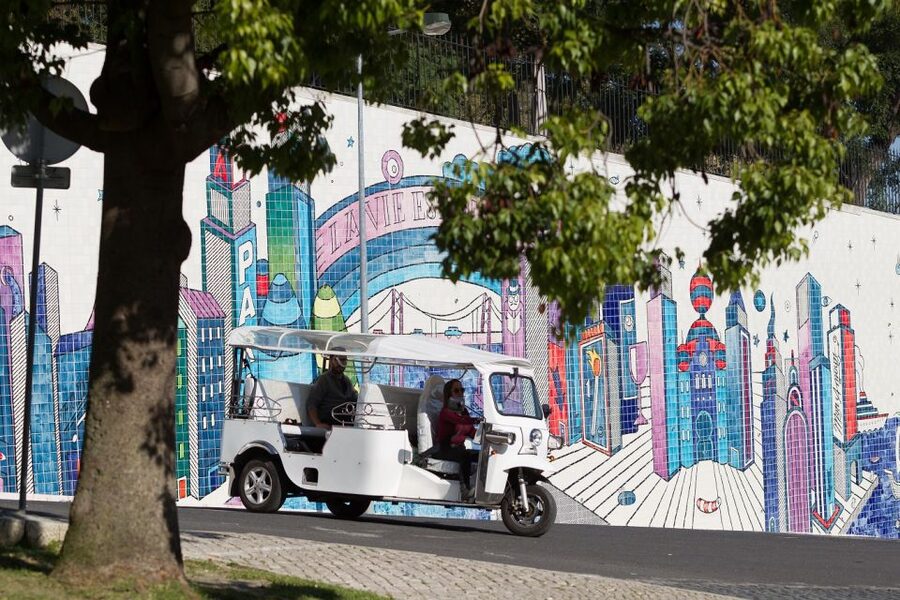
After Alfama, you shift into the Graça Historic District area for another 30 minutes, again built around photo stops, guided touring, and scenic drive time. Graça is a strong match for street art viewing because it adds elevation and viewpoint energy. You get those “hold on, look at that” moments where you see the city’s layout and then look back down at the walls that hold the art.
This stop feels like a bridge between art and place. The guide’s historical context matters more here than you might expect, because you’re seeing street art as part of a living city, not just as a collection of images. The explanations help you understand why certain motifs might appear where they do, and why the movement took the shape it did.
A small but real benefit: the tour doesn’t require you to navigate everything alone. You’re guided through the best moments and scenic angles, so you can focus on looking at walls and views instead of figuring out logistics.






Xabregas: The Neighborhood Feel, Not the Tourist Shortcut
Then it’s on to Xabregas for about 30 minutes with photo stops, guided tour moments, and scenic driving. Xabregas often gives street art tours the extra “this feels local” ingredient. Lisbon can be full of official-looking attractions, but street art shines when you’re in areas where daily life is right there with the murals.
This is where you’ll likely appreciate the variety the tour promises. The overall experience is designed around the idea that Lisbon’s street art collection keeps growing in both quantity and quality over time. During this stop, you’re typically looking for more than just one style: techniques, materials, and scale can vary a lot, and the guide helps you notice that.
If you’re a photo person, this is a strong segment. The route is built to give you time to shoot without feeling like you’re sprinting from one wall to the next.
The Value of 2 Hours: Enough Art to Learn, Not Enough to Burn Out
A common problem with short tours is that they either rush too much or feel too thin. This one tends to hit a better balance because the timing is split across multiple neighborhoods: 15 minutes in Baixa, then 30 in Alfama, 30 in Graça, 30 in Xabregas, and a final return segment to Baixa de Lisboa for about 15 minutes.
That structure means you get a “mini tour” of Lisbon’s street-art geography. You’re not stuck only in one area, and you’re not asked to do the kind of walking that makes street-art viewing unpleasant. You’ll still have gaps where you can take your time, ask a question, and listen to the guide’s connection between the mural and the bigger art story.
I also like that the tour avoids monument entrances as part of the main ticket. If you’re visiting Lisbon for art and street culture, it keeps your time focused where you opted to spend it.
Is the $94 Price Worth It?
At $94 per person for a 2-hour private ride, the value comes from what’s bundled. You’re paying for:
- the tuk tuk ride (electric)
- a local guide with live explanations
- hotel pickup and drop-off
- insurance
That’s a lot to get in one package in a city where transport costs and taxi timing can add up quickly. It also matters that this is set up as a private group with small capacity. In other words, you’re not competing with a full coach of people for attention at each stop.
What’s not included: entrance fees for monuments. The good news is the tour’s emphasis is street art and neighborhood viewing, not paid attractions. If you want museum time, you can add it separately without feeling like the tour ticket is trying to do everything.
If you’re traveling with a group of 2 to 6, or you simply want the convenience of being picked up and transported between neighborhoods, I think the pricing makes sense for what you receive.
Tips So the Tuk Tuk, Cobblestones, and Cameras Work With You
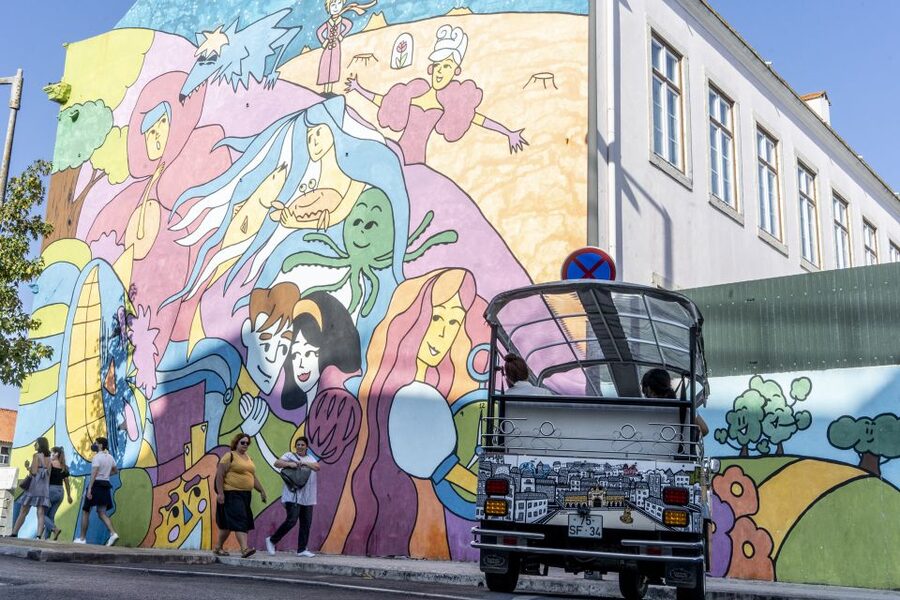
A few practical moves will help you enjoy this tour more:
- Wear comfortable walking shoes. You’ll be moving for photo stops, and some areas involve cobblestones.
- Plan for some bumpiness. The tuk tuk ride is part of the experience in older neighborhoods, not a smooth highway feeling.
- Go light: no large bags are allowed, so bring only what you need.
- Be ready to climb into the vehicle. The tour requires some mobility for entry.
- If you have health concerns, take the tour’s suitability notes seriously. It’s not recommended for children under 4, pregnant women, people with back problems, or anyone with mobility impairments.
On the fun side, bring a camera mindset. Street art often rewards angles and distance. When the guide stops you, use that moment to step back for the full piece and then zoom in for details.
Should You Book This Lisbon Street Art Tuk Tuk Tour?
Book it if you want street art plus Lisbon’s neighborhoods without turning the day into a long walking test. You’ll get a guided story that explains the movement and the Portuguese context, and you’ll see murals linked to big names like Vhils, Obey Giant, Pichiavo, and Bordalo II. The private electric tuk tuk format also makes it feel like a tailored neighborhood tour rather than a quick sightseeing add-on.
Skip it if you can’t handle the vehicle entry step, rougher streets, or the short-but-real physical movement at photo stops. Also skip if you expect museum-style indoor time, because this tour is designed for outdoor murals and views rather than paid monument visits.
If you’re trying to choose between street-art-only walking tours and a broader neighborhood approach, this one sits in the sweet spot: you move efficiently, learn in a way that sticks, and still get that hands-on feel of Lisbon’s walls.
FAQ
How long is the Lisbon Street Art TukTuk Tour?
The tour lasts 2 hours.
Is this tour private?
Yes. It’s a private group tour.
What’s included in the price?
The price includes the tuk tuk ride, local guide, hotel pickup and drop-off, and insurance.
What is not included?
It does not include entrance fees for monuments.
Where does the tour go during the ride?
You’ll spend time around Baixa de Lisboa, Alfama, Graça Historic District, and Xabregas.
What language is the guide available in?
The live guide is available in English, French, Portuguese, Spanish, and German.
How many people can be in the group?
The maximum occupancy is 6 people total. It’s noted as most comfortable for groups with up to 4 adults and 2 children.
Do I need to bring luggage?
You should not bring luggage or large bags.
Is the tour suitable for everyone?
No. It’s not suitable for children under 4 years, pregnant women, people with back problems, or people with mobility impairments. Some mobility is required to climb into the vehicle.
What happens if I cancel close to my date?
You can cancel up to 24 hours in advance for a full refund.