
REVIEW · LISBON
LISBON Street Art Tour
Book on Viator →Run by Lisbon Street Art Tours · Bookable on Viator
Lisbon’s walls have opinions. This 3-hour street-art walk is a practical way to see real neighborhoods up close, with photo stops and stories behind the art across Mouraria and Graça. I especially love how it connects street art to Lisbon’s everyday life, starting with the fado roots in Escadinhas de São Cristóvão. The other thing I like: the group stays small (up to 10), so your guide can slow down when you need it. One drawback to consider is the walking—expect hills and stairs, so plan for a workout.
You start at Largo da Graça 13 and return in roughly the same area, though the exact finish can shift within Graça/Alfama based on time and energy. If you want street art without a “museum vibe,” this is one of the easier ways to get that perspective, with mobile tickets and English guidance. Also, if you booked late, note that it often fills—on average, it’s reserved about 20 days ahead.
In This Review
- Key highlights worth planning around
- Entering the walk: Largo da Graça is the easy start
- Escadinhas de São Cristóvão: fado roots on street-level walls
- Miradouro da Graça: best view perks for street-art photography
- Graça & São Vicente: big murals, local-to-international artists, Walls of Fame
- Jardim Botto Machado: the azulejo wall you’ll want to photograph
- What the 3 hours feels like (and how to prepare)
- Guides make the difference: art stories, technique, and context
- Price and value: why $24.20 can work on a busy Lisbon trip
- Who should book this street-art tour (and who should skip it)
- Quick planning tips before you go
- Should you book Lisbon Street Art Tours for street art and azulejos?
- FAQ
- Is this tour offered in English?
- How long is the Lisbon Street Art Tour?
- What does it cost?
- Where do I meet the tour?
- How big is the group?
- Do I need to buy tickets for the stops?
- Do I get a mobile ticket?
- Is the tour near public transportation?
- Is there walking involved?
- Are service animals allowed?
- Can I cancel for a refund?
Key highlights worth planning around
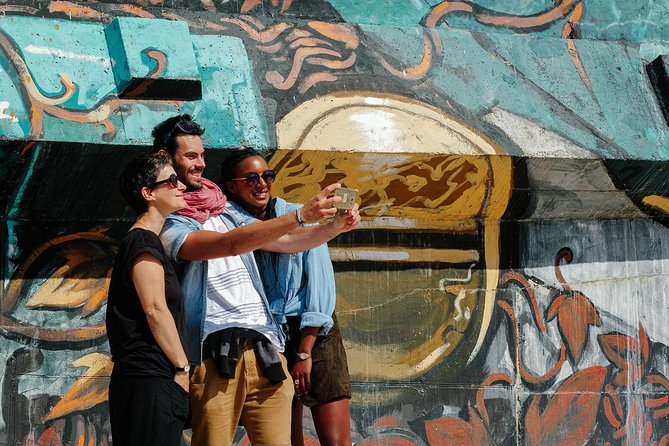
- Small group size (max 10) for more guide attention and better photo stops
- Fado-meets-street-art focus in Mouraria, including wall art and fado imagery
- Miradouro da Graça viewpoint stop that’s ideal for seeing the city and murals together
- Graça big mural wall time plus the tour’s Walls of Fame moments
- Jardim Botto Machado azulejo wall with a “longest in the world” claim worth seeing
- Steep walking reality: comfortable shoes help a lot, even outside peak summer
Entering the walk: Largo da Graça is the easy start
The tour meets at Largo da Graça 13 and ends nearby in Graça/Alfama. That’s helpful, because you don’t have to drag yourself across town just to begin. The start point is also close to public transportation, so it’s simple to fit this into a mixed day of sightseeing.
This is built for a small group, not a crowd. Reviews back that up with people praising guides like Diego and Diogo for turning street art into something you can actually understand—technique, context, and why the walls get used at all. If you like asking questions, this setup makes it easier.
You’ll be guided in English, and you get a mobile ticket, which keeps check-in fast. With a tour like this, that matters more than you’d think, because you’re spending your time climbing and looking—not waiting.
You can also read our reviews of more tours and experiences in Lisbon.



Escadinhas de São Cristóvão: fado roots on street-level walls
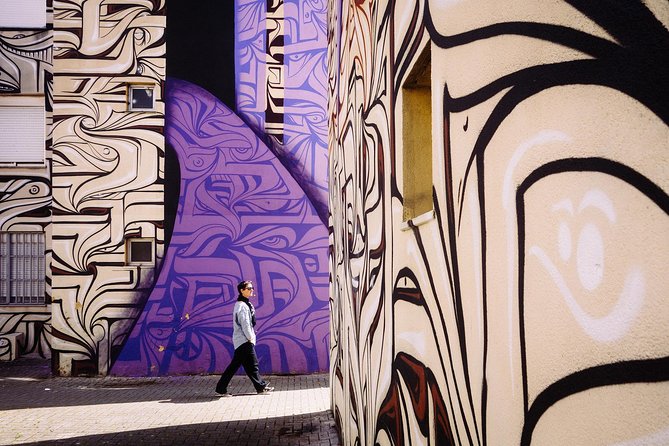
The first stop is Escadinhas de São Cristóvão, in the Mouraria neighborhood. Mouraria is tied to the roots of fado, and the tour leans into that connection using art and photography around the streets. The point isn’t to treat fado as trivia. It’s to show how music culture and visual culture share the same streets and the same neighborhoods.
What you’ll do here is slow down and look at small details you’d normally walk past. You’ll also notice how the area’s identity gets represented on walls—some of it local and recognizable, some with a broader street-art world behind it. This is a good early stop because it sets the tone: street art in Lisbon isn’t just decoration. It’s part of how the city tells stories.
If you’re a photo person, this is where you’ll start building a sense of “style.” Mouraria’s stairways and tight streets naturally create frames for both murals and the surrounding architecture. You’ll leave with an eye for composition, not just a list of artworks.
Miradouro da Graça: best view perks for street-art photography

Next up is Miradouro da Graça, specifically the Sophia de Mello Breyner Andresen viewpoint. This is one of those stops where the tour earns its keep fast: it’s a short climb to a spot that makes the whole experience make sense.
The big value here is the combination of city views and art context. From a viewpoint, street art stops being isolated. You start seeing it as part of a neighborhood texture—where walls sit, how streets climb, how the city’s shape influences what gets painted where. And yes, you’ll get strong photo angles for murals below and around you.
A quick heads-up: Miradouros in Lisbon are not flat. Even if the stop itself is brief, you’ll feel the effort. If you’re planning your day around this tour, think of it as an active “see the city form” moment—not just a quick scenic detour.
Graça & São Vicente: big murals, local-to-international artists, Walls of Fame

This is the heart of the mural portion. The tour spends about 1 hour 30 minutes in Graça and São Vicente, where you’ll see a mix of styles and scale—some pieces are clearly community-facing, while others reflect the wider street-art scene.
Graça is also described as an area with lots of big murals, and that matches what you’ll be hunting for: walls that read from a distance, plus details you only catch if you stop and look closely. The tour also references passing by its Walls of Fame, which is a fun “pay attention here” moment—an invitation to treat the street like a gallery, but one with changing exhibits.
This part of the walk tends to land with people who love the “why” behind art. Several guides mentioned in reviews are practicing artists themselves, which shows in how they talk about process. You’ll hear more about technique and about how street art can carry social and political meaning, not just aesthetic value.
One practical note: if you get tired easily, plan to pace yourself. Reviews repeatedly flag the stairs and hills, and this is where you’ll feel it most. The good news is the tour structure includes stops long enough to catch your breath and regroup.
Jardim Botto Machado: the azulejo wall you’ll want to photograph

The final themed stop is Jardim Botto Machado with a standout feature: the longest azulejo-wall claim (often cited as the world’s longest) and a colorful display representing Lisbon in a traditional azulejo style. It’s a different texture from graffiti and street murals, and that contrast is part of the payoff.
Here’s why I like ending with azulejos: it broadens your definition of street art in Lisbon. Instead of thinking “street art = murals only,” you see how tiles, paint, and public space all mix into the city’s visual identity. If you love architecture and decorative history, this stop gives you a satisfying change of pace.
Expect a short stop (about 15 minutes), so keep your camera ready but don’t rush the details. The best photos usually come from stepping back and then edging closer to catch the patterns and colors.






What the 3 hours feels like (and how to prepare)

This tour runs for about 3 hours. That sounds short until you remember it’s Lisbon and you’re working with hills. Reviews strongly emphasize walking uphill and dealing with stairs. Some people even describe climbing hundreds of steps across the experience.
So here’s my practical advice: wear shoes you’d happily wear on a day hike. Bring water if it’s warm. And if you’re visiting in cooler months, be ready for rain—one review recommends an umbrella for January.
The good part: you get repeated “rewards” for the effort. Viewpoints, mural clusters, and that long azulejo wall break up the walking rhythm. Plus, small groups mean you’re less likely to feel left behind.
Guides make the difference: art stories, technique, and context
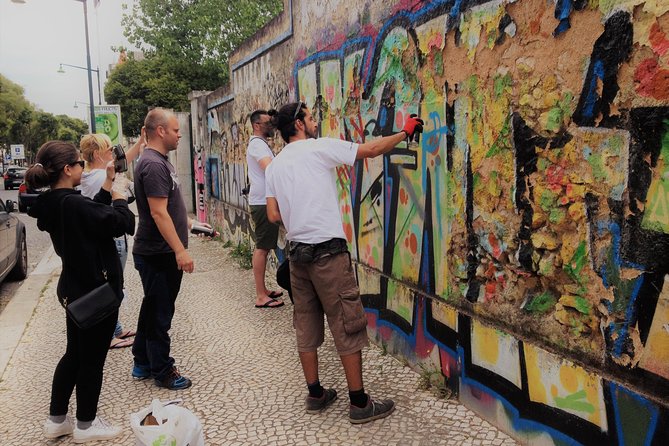
One of the most praised parts of the experience is the guide. Reviews mention guides like Diego, Diogo, Ben, Luisa, and Vero, and the common thread is that they don’t just point at art. They explain what you’re seeing and why it landed in that place.
Some guides are described as practicing artists and as working with local collectives. That matters because it changes the tone from commentary to participation—like you’re hearing how street art functions on the ground, including how legal walls and city approval work compared with more underground approaches. One review even highlights a guide’s ability to notice when work changes over time, including newer designs that appear after approval.
There’s also a social side to the discussion in at least one review: the idea that tour costs can support artists, including women, and help them get a voice. Even if you care more about visuals than activism, it’s useful context. Street art doesn’t happen in a vacuum, and you’ll feel that on this walk.
Price and value: why $24.20 can work on a busy Lisbon trip
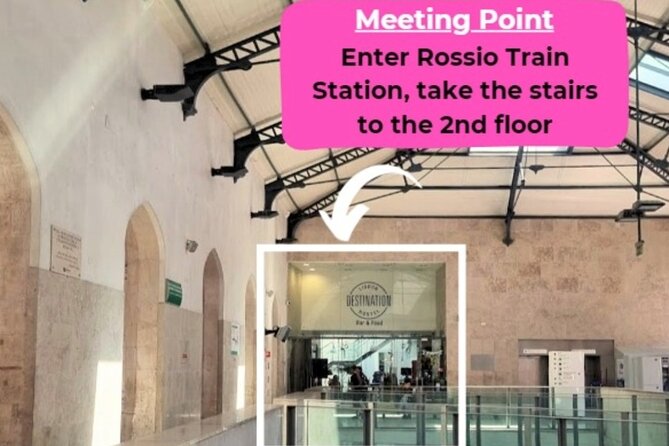
The price is $24.20 per person, for about 3 hours and a route that covers multiple neighborhoods. That’s not just “a walk plus photos.” You’re paying for interpretation—someone helping you read walls instead of guessing.
For me, the value comes from three things:
- You cover several areas without having to map your own route.
- You get context that makes photos more meaningful later.
- You do it with a small group rather than fighting for attention.
If you’re only in Lisbon a few days, this is also a good use of time. You’re not spending hours on buses just to find one mural. The tour focuses on dense neighborhoods where street art is part of the streetscape.
Who should book this street-art tour (and who should skip it)
I’d steer you toward this tour if you:
- love street art and want the stories behind it
- enjoy walking neighborhoods more than hopping from one landmark to the next
- want a small-group experience with a guide who explains technique and context
I’d think twice if you:
- have trouble with steep hills and stairs. The tour is built for moderate fitness, and reviews mention challenging climbs.
- prefer a low-effort sightseeing day. This walk is active.
It’s also a good match for solo travelers. Reviews describe solo guests enjoying the conversation and pacing. And if you travel with a service animal, it’s allowed.
One more “fit” factor: if you’re the type who loves azulejos, ending at Jardim Botto Machado gives you a nice cultural balance.
Quick planning tips before you go
- Wear comfortable shoes and expect stairs.
- Bring something for weather. If you’re visiting in a rainy month, an umbrella can help.
- Bring a charged camera or phone. There are several strong photo opportunities at viewpoints and mural stops.
- If you hate being rushed, tell your guide you want more time at a photo spot. With a small group, it’s easier to adjust.
Also consider booking early. This one’s often reserved around 20 days in advance, so you’ll have an easier time picking a time slot if you plan ahead.
Should you book Lisbon Street Art Tours for street art and azulejos?
If you want street art in Lisbon with real neighborhood context, I think this tour is a strong yes. The combination of Mouraria’s fado-linked streets, Graça’s mural concentration, and an azulejo finale makes it more than a “see murals” stroll. Plus, the small group size and guide storytelling are repeatedly called out as the main reason people call it a highlight.
Just be honest about your comfort with hills. If stairs are a deal-breaker, you’ll struggle. If you can handle a few climbs, you’ll come away seeing Lisbon’s walls differently.
FAQ
Is this tour offered in English?
Yes. The tour is offered in English.
How long is the Lisbon Street Art Tour?
It lasts about 3 hours (approximately).
What does it cost?
The price is $24.20 per person.
Where do I meet the tour?
Meet at Largo da Graça 13, 1170-364 Lisboa, Portugal. The tour ends in the Graça/Alfama area.
How big is the group?
The tour has a maximum of 10 travelers.
Do I need to buy tickets for the stops?
All stops listed include free admission tickets.
Do I get a mobile ticket?
Yes, it includes a mobile ticket.
Is the tour near public transportation?
Yes, it is near public transportation.
Is there walking involved?
Yes. You should have moderate physical fitness, and expect walking uphill and some steep downhill areas.
Are service animals allowed?
Yes, service animals are allowed.
Can I cancel for a refund?
Yes. You can cancel for a full refund if you cancel at least 24 hours in advance. If you cancel within 24 hours, you won’t receive a refund.