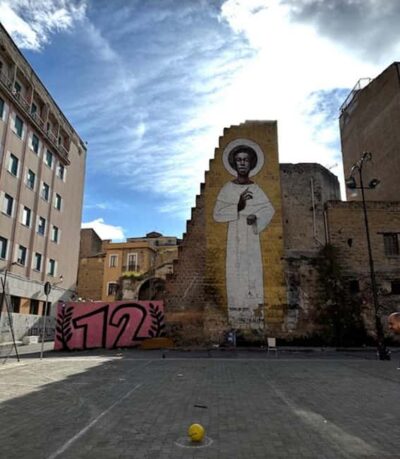
REVIEW · LISBON
Lisbon: Street Art Walk
Book on GetYourGuide →Run by Street Buddha Tours · Bookable on GetYourGuide
Street art makes Lisbon click. On this 3-hour walk starting in Graça, you’ll hunt down murals and small surprises you’d miss on your own. What makes it work is the private local guide (often an artist himself, like Igor, and the tour also refers to Mr.Red) who explains what you’re seeing and why it matters.
My favorite part is the way you get the street-art context, not just photos. You’ll spot pieces by Obey Giant, Vhils, Add Fuel, Mário Belem, Aka Corleone, Ozearv, and more, then tie them back to the neighborhoods around you. The other thing I really like: you’ll look for the fresh stuff too, including places noted for newly-painted work like Rua Josefa de Obidos and Caracol da Graça.
One consideration: Lisbon’s hills are real. This is a walking tour with uphill climbs, and it’s not recommended for people with mobility impairments. Also, at 3 hours, it can feel long if your legs get tired fast.
In This Review
- Key things you’ll notice on this Lisbon Street Art Walk
- Meeting at Coreto da Graça: where the hunt starts
- The private guide: Mr.Red, Igor, Iwan, and why that changes everything
- Graça: the first neighborhood sweep and the big-name works
- Mouraria and the art-hunting rhythm in the old lanes
- International Women’s Day street-art gallery: a living art moment
- Fresh paint and named corners: Rua Josefa de Obidos and Caracol da Graça
- Artists you’ll likely see: Obey, Vhils, Add Fuel, Mário Belem, and more
- Price and value: is $40 worth it?
- What to wear and bring so the hills don’t ruin your photos
- Pace, group size, and how long 3 hours can feel
- The souvenir and the lasting effect of walking like a local
- Should you book this Lisbon Street Art Walk?
- FAQ
- Where do I meet the guide?
- How long is the Lisbon Street Art Walk?
- How much does it cost?
- What language is the tour?
- What’s included in the price?
- What should I bring, and what can’t I bring?
- Is it suitable for people with mobility impairments?
Key things you’ll notice on this Lisbon Street Art Walk
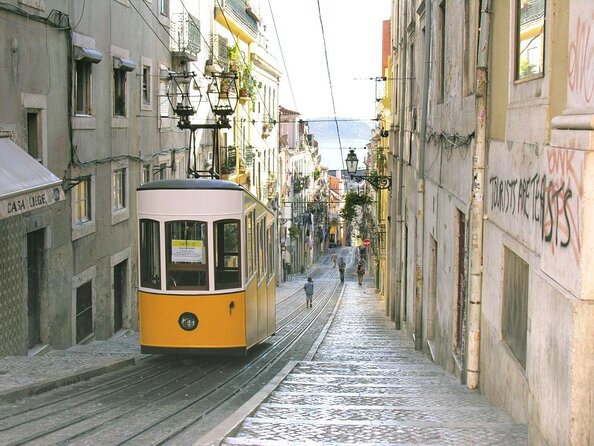
- Artist-guide explanations that focus on meaning, technique, and the rules of the scene
- Graça first, then Mouraria, so you see street art across different old Lisbon vibes
- Concrete stops and artists like Obey Giant, Vhils, Bordalo II, and Add Fuel
- Freshly painted corners such as Rua Josefa de Obidos and Caracol da Graça
- Secret places you wouldn’t find without someone local pointing up at walls
- A take-home street-art souvenir plus hand sanitizer for the walk
Meeting at Coreto da Graça: where the hunt starts
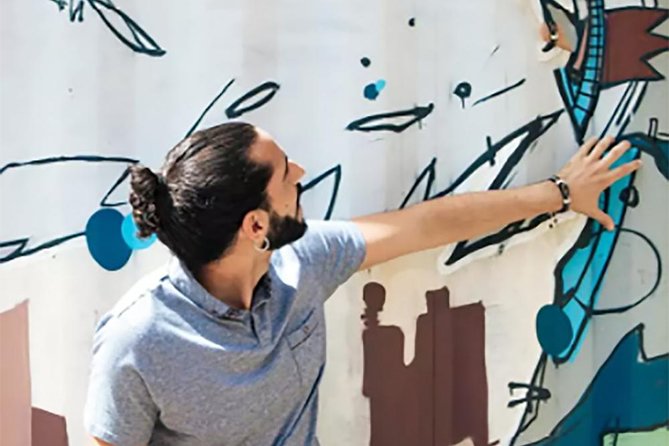
You meet at the Coreto da Graça in Largo da Graça, in the Graça neighborhood. It’s right in front of Desgraça Restaurant, so it’s easy to orient yourself once you’re there. Plan to arrive about 10 minutes early so you’re not rushing in the hills.
From the start, the tour sets the tone: Lisbon is a city of angles. Your guide will push you to look up and down, because the best work often isn’t at eye level. Even if you think you’re only seeing murals, you’ll learn quickly how many pieces are tucked into doorways, stairwell walls, and small passageways.
This matters for value. A street art walk is only as good as what you miss—and the meeting point is chosen to get you into the neighborhood fabric fast.
You can also read our reviews of more tours and experiences in Lisbon.



The private guide: Mr.Red, Igor, Iwan, and why that changes everything
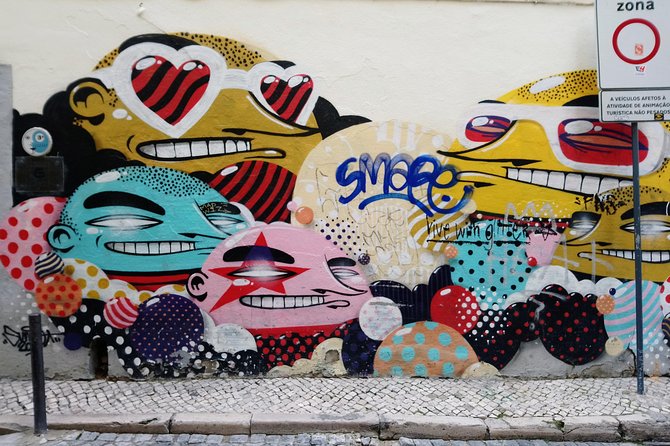
This tour includes a private guide, and the vibe is more like a conversation with a local street-art insider than a lecture. The tour itself calls the guide Mr.Red, and the feedback also names guides like Igor (and sometimes Iwan)—both show up as artist-type guides who know the scene deeply.
What you benefit from is interpretation. You’re not just being told the artist names. You’ll also get the bigger picture: how styles work, what motives might be behind certain choices, and how the local street-art culture has its own unwritten rules. One review even highlights how the guide helped the group understand street art as more than tagging or graffiti.
If you’re the kind of person who likes to watch how people make things—planning, execution, details—this is where the time goes. You also may get follow-up recommendations from your guide (some feedback mentions extra tips via WhatsApp, plus film and Instagram profiles to keep exploring after the walk).
Graça: the first neighborhood sweep and the big-name works
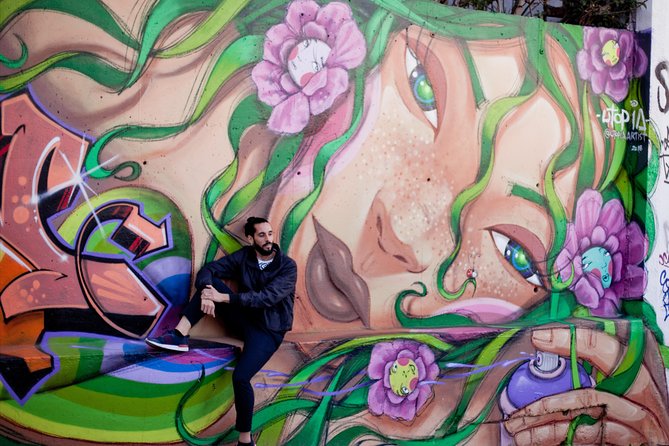
Graça is a smart starting point because it’s full of texture. It’s old Lisbon energy, but with enough foot traffic and wall space that street art can move in and out across time.
You’ll spend a good chunk of the walk here, and you’re set up to see major artists you’ll likely recognize. Expect stops featuring Obey Giant and Vhils, plus other names that show up in Lisbon’s street-art map—like Bordalo II, Ozearv, and Daniel Eime. The point isn’t to memorize every signature. It’s to understand what each piece is doing visually and culturally.
Your guide also connects the dots to the wider area, including an overview of the historical Alfama district. Even though you’re walking in places like Graça and Mouraria, that context helps you make sense of the geography. You start seeing why certain neighborhoods attract certain kinds of art—how walls face the street, how alleys create privacy, and how the hills shape visibility.
Mouraria and the art-hunting rhythm in the old lanes
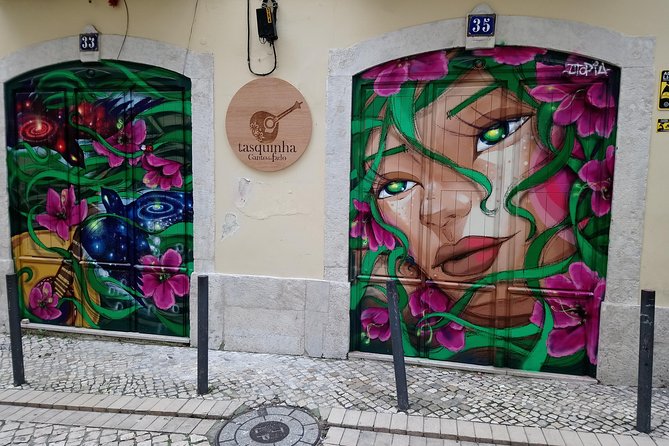
After the Graça portion, you’ll shift into Mouraria and other nearby neighborhood corners. This is where the tour becomes a proper scavenger hunt.
Mouraria’s streets are made for wandering, and your guide keeps the pace so you’re always scanning. The art you’ll find isn’t just large murals. Some pieces are small but sharp, and the tour encourages you to notice composition tricks—how artists use brick texture, how they frame doorways, how scale changes on staircases.
This is also where you may get lucky with something rare: seeing artists at work. The tour description hints at the possibility of watching artists painting if you’re fortunate. Even if you don’t catch that moment, the way your guide points out fresh work makes it feel like you’re walking through an active studio city.
International Women’s Day street-art gallery: a living art moment
One of the most interesting things about this walk is that it includes a street art gallery tied to International Women’s Day 2025. That’s not a standard stop on every street-art tour, and it gives you a useful reminder: street art in Lisbon isn’t just decoration. It also responds to the calendar and public conversation.
When you see themed street art like this, it’s easier to understand why some pieces feel urgent or symbolic. Your guide’s job is to help you read those layers, not just point and name.






Fresh paint and named corners: Rua Josefa de Obidos and Caracol da Graça

The tour specifically calls out spots that are known for freshly-painted work, including Rua Josefa de Obidos and Caracol da Graça. Those names matter because fresh paint changes the way you experience a wall.
Older pieces tend to blend into the neighborhood memory. Fresh pieces still look intentional and crisp. They can also show you what the artist chose to keep clean versus what they let weather. That’s one of the simplest ways to learn street art over time: not by reading a book, but by comparing surfaces across your walk.
If you like having a clear sense of place, these named corners make the tour feel real. You won’t just remember styles; you’ll remember the turns and the specific walls where the city’s art is actively changing.
Artists you’ll likely see: Obey, Vhils, Add Fuel, Mário Belem, and more
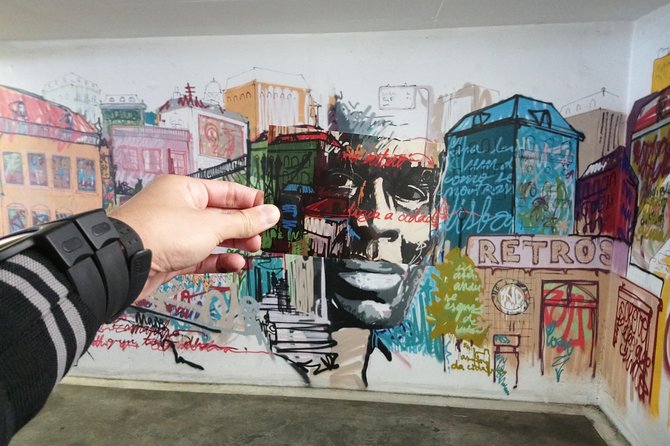
You’re promised a set of recognizable names, and that helps anchor the experience. You may see pieces connected to:
- Obey Giant
- Vhils
- Add Fuel
- Mário Belem
- Aka Corleone
- Ozearv
- plus other Lisbon staples listed for the walk, like Bordalo II and Daniel Eime
Here’s what’s valuable about that list: it’s not random. It’s a mix of artists with distinct visual languages, which means your guide has an easier job showing differences. You can compare approaches as you walk, instead of treating street art as a single category.
It also helps if you don’t know Lisbon street-art culture yet. You can start with big names, then learn the context behind them. And if you already know artists, you’ll still benefit from how the guide places each piece into the neighborhood story.
Price and value: is $40 worth it?
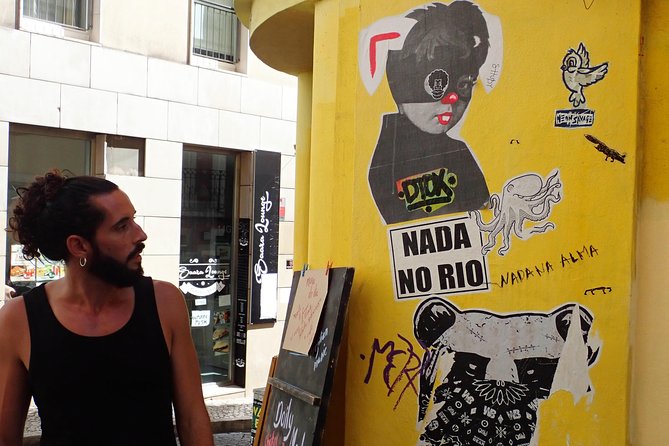
At $40 per person for 3 hours, you’re paying for more than walking. You’re paying for a private guide, local street-art perspective, and an included exclusive street art souvenir.
If you tried to do this on your own, the big cost wouldn’t be money—it would be time and guesswork. Street art is everywhere, but the best pieces and the freshest spots are often in the places you’d only find by chance (or by already knowing the routes). Here, the guide handles the searching.
The souvenir is also more meaningful than it sounds. Street-art souvenirs are often generic. This one is described as exclusive, and that alone pushes the tour toward a real memento instead of a quick photo stop.
One more value note: the walk includes hand sanitizer and a guided overview of the historical Alfama district. That combination makes the time feel efficient, especially if you’re short on days in Lisbon.
What to wear and bring so the hills don’t ruin your photos
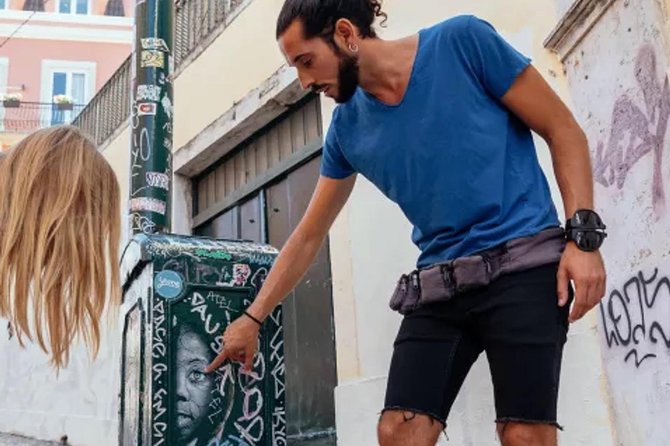
This is a walking tour through hilly streets. The basics are simple, but they matter:
- Wear comfortable shoes
- Bring sunglasses and sunscreen
- Use comfortable clothes for climbing and sun
Also, this tour isn’t meant for lugging things. Luggage or large bags aren’t allowed, so travel light.
The practical takeaway: if you plan to do this right, you’ll wear shoes you’d use for a long day in the city. You’ll also bring water if your own travel style needs it, even though the tour info only calls out hand sanitizer.
Pace, group size, and how long 3 hours can feel
The tour runs for 3 hours and can be for groups up to 10 people, with private or small groups available. That’s a sweet spot for street art: small enough for your guide to notice when you miss a detail, but not so small that it turns into a sprint.
That said, there’s one clear consideration from the feedback: 3 hours can feel a bit long for some people, with a suggestion that 2 hours might be perfect. If you’re fit but not used to Lisbon hills, plan for slower walking breaks. Your guide should keep you moving, but you’ll still feel the climb.
The best strategy: treat this as an active wandering day, not a sit-and-stare museum visit. You’ll get more out of it if you’re ready to keep eyes moving.
The souvenir and the lasting effect of walking like a local
By the end, you take home an exclusive street art souvenir, included in the price. That’s a real bonus when you’re choosing tours in a city where souvenirs can get repetitive.
The lasting value is how the tour changes what you notice afterward. Once you’ve had someone explain street-art techniques, artists’ choices, and the local scene’s norms, you start seeing Lisbon differently. You’ll naturally look at walls the way you look at landmarks—only smaller, closer, and more personal.
You also leave with follow-up leads you can use to keep exploring—some guides share extra recommendations like Instagram profiles or other materials after the walk, which is useful when you want to keep the momentum going.
Should you book this Lisbon Street Art Walk?
Book it if you want street art with context. This tour is strongest when you care about meaning, technique, and the local scene—not just collecting photos. The artist-style guidance (including named guides like Igor, and the tour’s Mr.Red identity) is the main draw, and the mix of major names plus fresh spots like Rua Josefa de Obidos and Caracol da Graça gives you variety in a short time.
Skip it (or choose another option) if you hate hills or need a more accessible route. It’s not recommended for people with mobility impairments, and the walking is part of the experience.
If you’re in Lisbon for only a few days, this one is a smart way to get oriented quickly. You’ll walk through old neighborhoods, pick out key artists, and get an overview of the Alfama area—then still have energy left to keep exploring on your own.
FAQ
Where do I meet the guide?
Meet at the Coreto da Graça at Largo da Graça in the Graça neighborhood, in front of Desgraça Restaurant.
How long is the Lisbon Street Art Walk?
The tour lasts 3 hours.
How much does it cost?
It’s $40 per person.
What language is the tour?
The live tour guide speaks English.
What’s included in the price?
You get secret places in Lisbon, a private guide, an overview of the historical Alfama area and old neighborhoods, an exclusive street art souvenir, and hand sanitizer.
What should I bring, and what can’t I bring?
Bring comfortable shoes, sunglasses, sunscreen, and comfortable clothes. Luggage or large bags aren’t allowed.
Is it suitable for people with mobility impairments?
No. It’s not recommended for people with mobility impairments.