
REVIEW · LISBON
Lisbon: Street Art Tuk Tuk Tour
Book on GetYourGuide →Run by Mon Ami Tours · Bookable on GetYourGuide
Street art in Lisbon feels better with wheels. This tuk-tuk tour takes you off the usual route and layers in context as you cruise between murals, old convents, and former industrial areas.
I like two things most: first, the tour leans into real neighborhoods (Marvila and the surrounding hills) instead of stopping only for pretty walls. Second, the guides—often named Tiago, Mario, Frederico, and Raquel in guest feedback—explain how street art changes communities, not just what’s painted.
One drawback to keep in mind: the ride is open-air and the streets can be bumpy, so it’s not a great fit if you have back issues or similar mobility concerns (the tour also isn’t for wheelchair users).
In This Review
- Key things you’ll notice fast
- Why a tuk-tuk is the right tool for Lisbon street art
- Marvila: Lisbon’s open-air gallery and that Ibero-American story
- Hilltop murals, Tejo views, and the “big piece” factor
- Convents and palaces: old Lisbon shows up between the murals
- Art deco warehouses, factory-worker vilas, and the industrial side
- Urban vegetable gardens: why the small details matter
- Guides who make the stories stick (Tiago, Mario, Frederico, Raquel)
- Time on the road: planning for 2 vs 4 hours
- Comfort, access, and who should skip the tuk-tuk
- Price and value: what $165 per group really covers
- Photo strategy: get sharp shots without rushing
- Should you book this Lisbon street art tuk-tuk tour?
- FAQ
- How long is the Lisbon Street Art Tuk Tuk Tour?
- What is the meeting and pickup like?
- Is this a private tour?
- What’s the price and group size?
- What does the tour include?
- What’s not included?
- What areas will we see during the tour?
- What languages are available for the live guide?
- Is the tour suitable for kids?
- What are the accessibility limits?
Key things you’ll notice fast
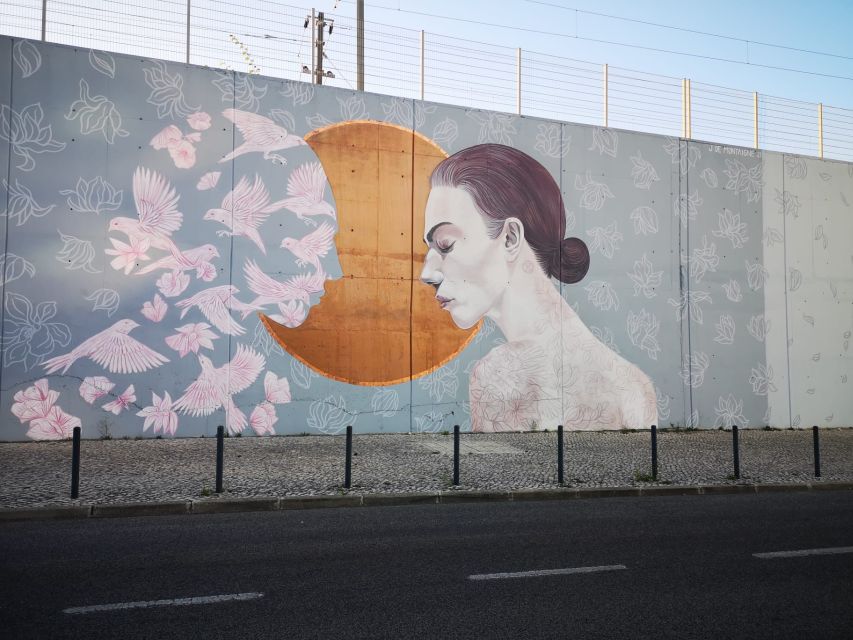
- Marvila as an open-air gallery, with Ibero-American culture showing up in the art
- A hilltop set of large murals—plus views toward the Tejo in the distance
- History that’s built into the route, from 17th and 18th-century convents and palaces to older urban fabric
- Industrial Lisbon gets attention, including art deco warehouses and factory-worker housing areas
- Photo time is part of the flow, with chances to hop out and shoot at the best angles
- Guides drive the experience, with stories tied to the art and the neighborhoods
Why a tuk-tuk is the right tool for Lisbon street art
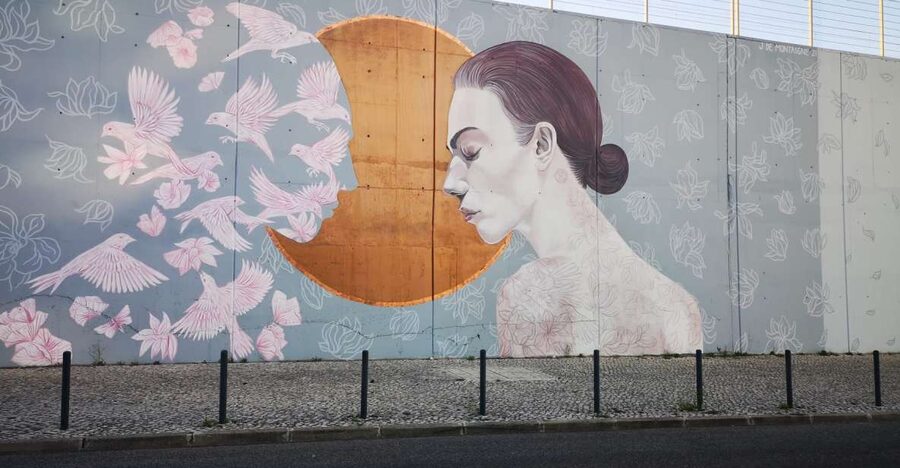
Lisbon is all slopes, tight turns, and sudden viewpoints. A tuk-tuk helps you cover ground without spending your whole day walking uphill in search of the next mural.
You also get a better sense of how street art actually sits in daily life. The art isn’t staged like a museum piece. It’s on buildings you’d pass while buying groceries, heading to work, or cutting through a side street. And because you’re moving, you notice the “map” of art across the city instead of treating murals like random finds.
The best part is that the tuk-tuk doesn’t replace the city. It sets you up to understand it. The tour mixes short stretches of seeing with short stretches of history-spotting—so you leave with more than photos.
You can also read our reviews of more tours and experiences in Lisbon.



Marvila: Lisbon’s open-air gallery and that Ibero-American story
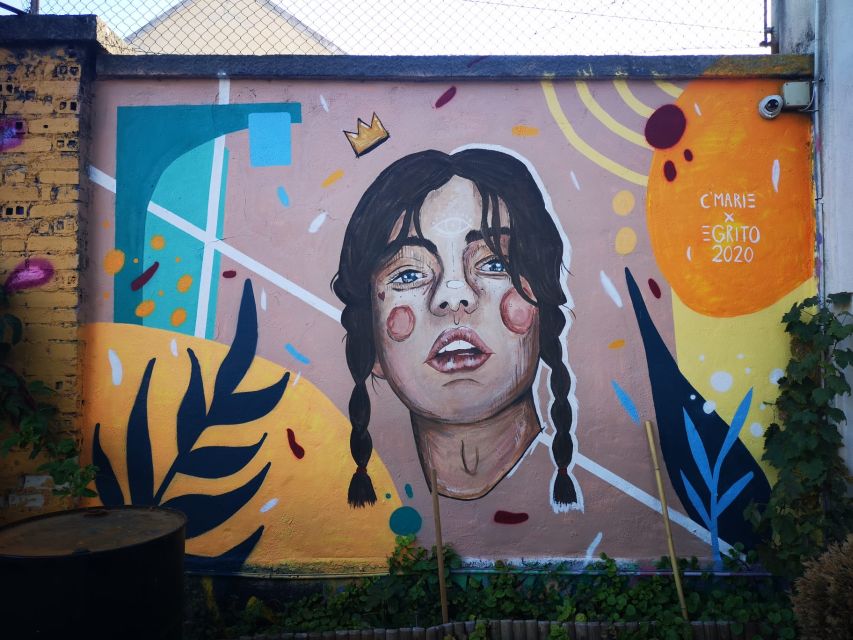
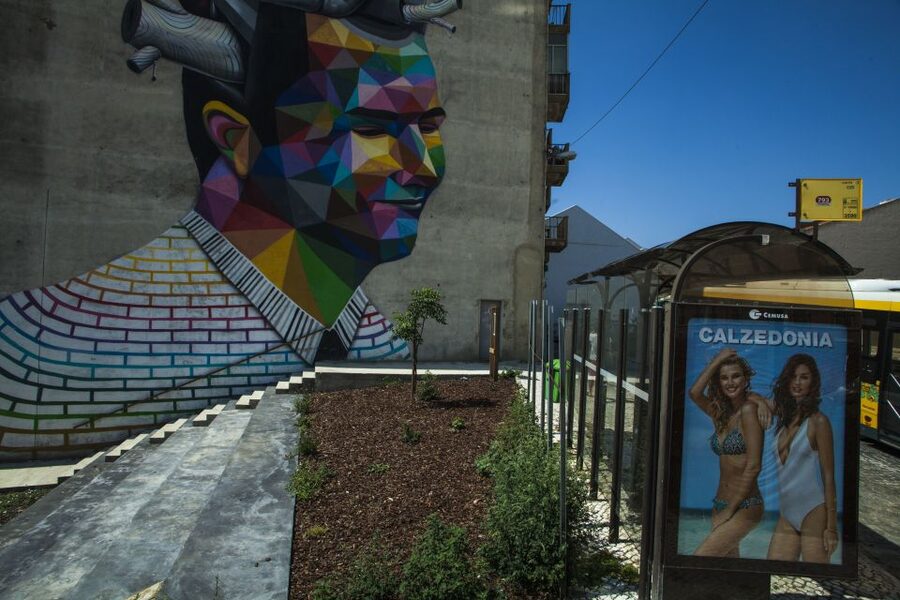
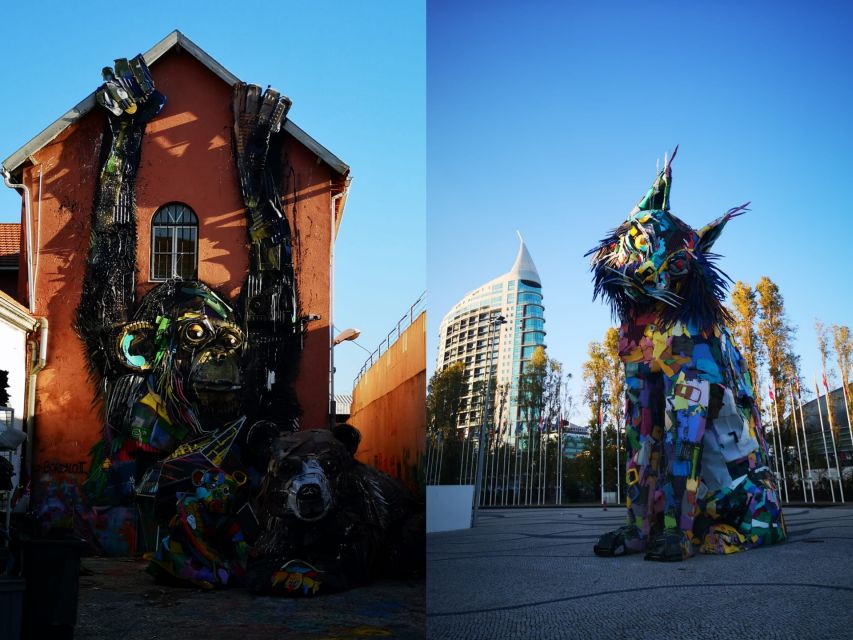
Marvila is the star when you want contemporary graffiti with deep cultural roots. The tour is built around this open-air gallery, where international artists paint on buildings and the area’s identity shows up in the murals.
What I like about focusing on Marvila is that it shifts your idea of where Lisbon “should” look dramatic. You’re not waiting for a postcard moment. Instead, you’re watching art mark a neighborhood that many visitors would skip because it isn’t on the standard list.
In practice, you’ll be scanning walls for different styles: bold lettering, character-based work, and large-scale compositions. You’ll also get the broader meaning behind why that wall art matters—especially how it connects to community life and the Ibero-American tone the tour highlights.
Tip: when you’re staring at murals, also look at the building around them. Doorways, stairways, and window placement tell you whether the mural feels like a conversation with the street or something dropped in from the outside.
Hilltop murals, Tejo views, and the “big piece” factor
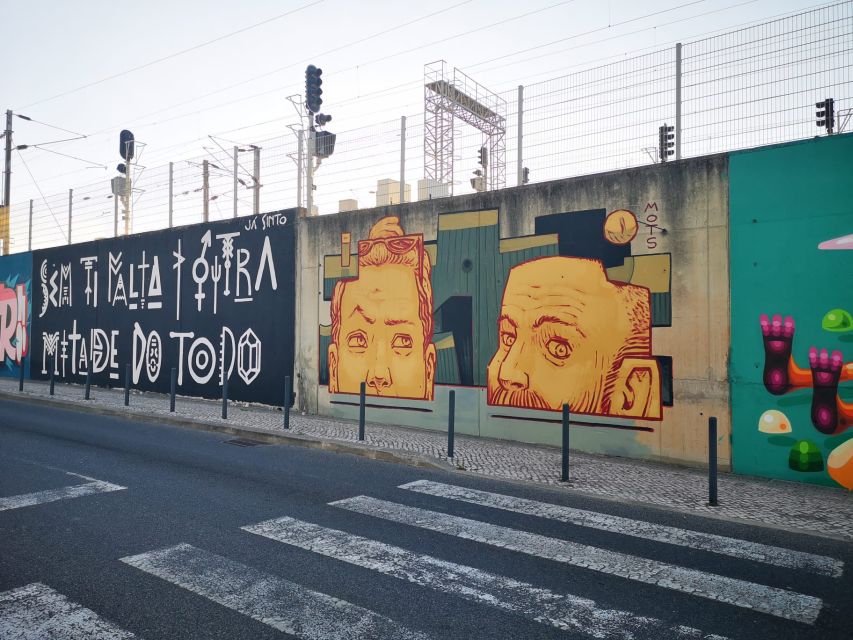
The tour includes 15 huge pieces of art on buildings positioned on a top-of-hill stretch. This is where Lisbon street art stops being just “cool graffiti” and starts acting like public architecture.
High ground changes your reading of the work. From a distance, murals feel more designed as a skyline element. Close up, you see brushwork details, layer effects, and the scale that makes the artists’ choices feel intentional rather than accidental.
And yes, you’ll catch views toward the Tejo in the distance. Even if you’ve already seen Lisbon from miradouros (viewpoints), the combination here works because you’re tying the city’s geography to the art’s placement.
Practical note: wear shoes you can run in if you want a quick angle for a photo. These hill sections can move you from wide, scenic framing to tight, detailed shots fast.
Convents and palaces: old Lisbon shows up between the murals
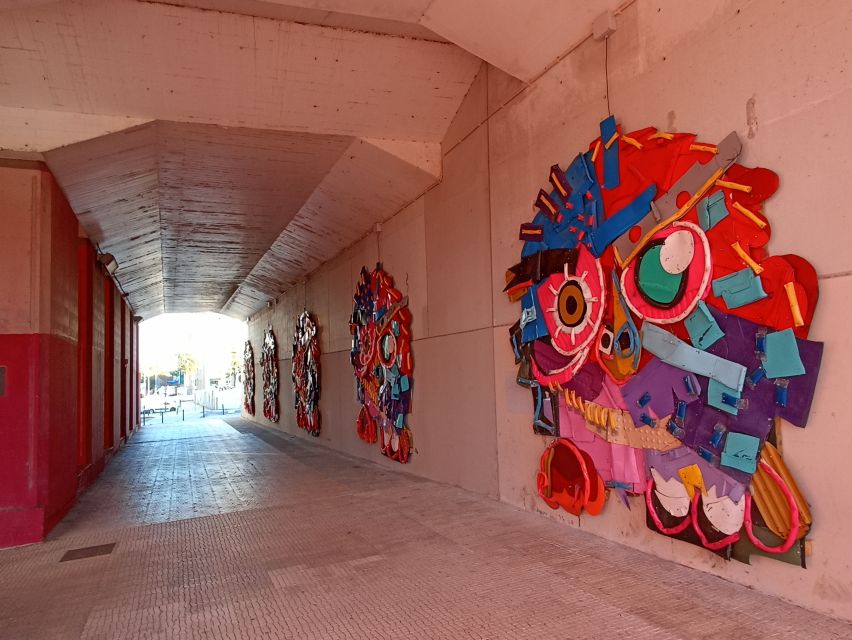
One reason this tour feels different from a “scan-and-go” street art walk is that it includes older landmarks—specifically 17th and 18th-century convents and palaces.
That matters because Lisbon’s street art isn’t floating in a vacuum. It’s layered over centuries of real life: religious influence, monastic history, aristocratic architecture, and later waves of industry and housing. When you see modern work beside older façades, you understand why the city feels like it’s constantly renewing itself.
You’ll likely pause long enough to register the contrast: old stone forms versus contemporary color explosions. It can make you look twice at the corners. Lisbon loves corners. And this tour is basically a guided course in how corners can hold time.
If you’re the kind of person who likes your photos to have context—this is for you.
Art deco warehouses, factory-worker vilas, and the industrial side
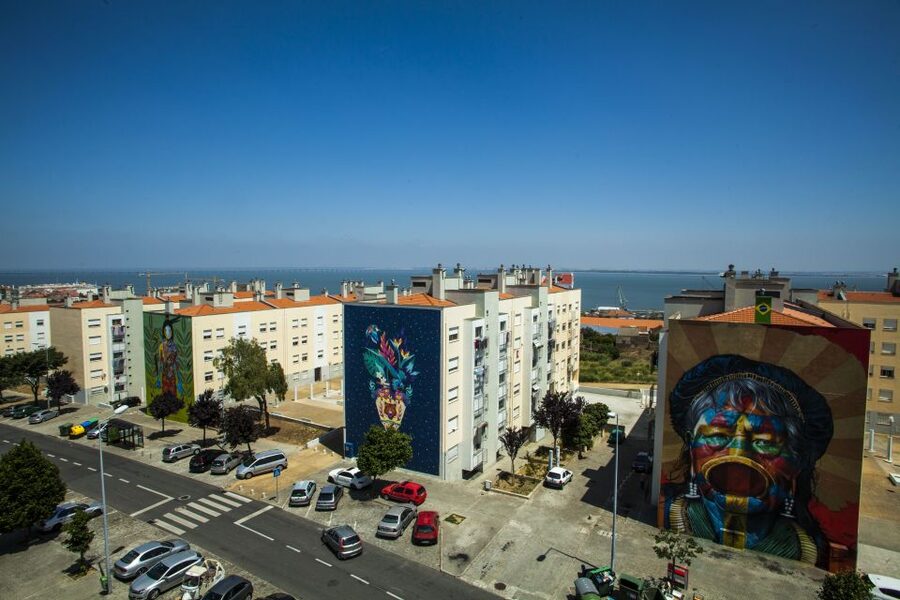
Lisbon has plenty of postcard glamour, but it also has a hard-working industrial spine. The tour calls out art deco industrial warehouses and buildings, plus areas tied to factory workers—sometimes referred to as vilas.
This is where your understanding changes. Street art often tracks where jobs, residents, and neighborhoods evolve. When you see murals in industrial zones, the art stops being just decoration and starts reading like a social signal: who lives here now, what industries once meant for this area, and how the community claims space today.
One of the best uses of a guided approach is that you don’t have to guess the “why.” You’ll get stories tying the art to neighborhood change—stories that connect the buildings’ past with what you’re seeing on the walls right now.
Bonus for photo lovers: industrial façades tend to give you good texture and strong geometry. Even when the mural is simple, the surroundings make the shot.






Urban vegetable gardens: why the small details matter
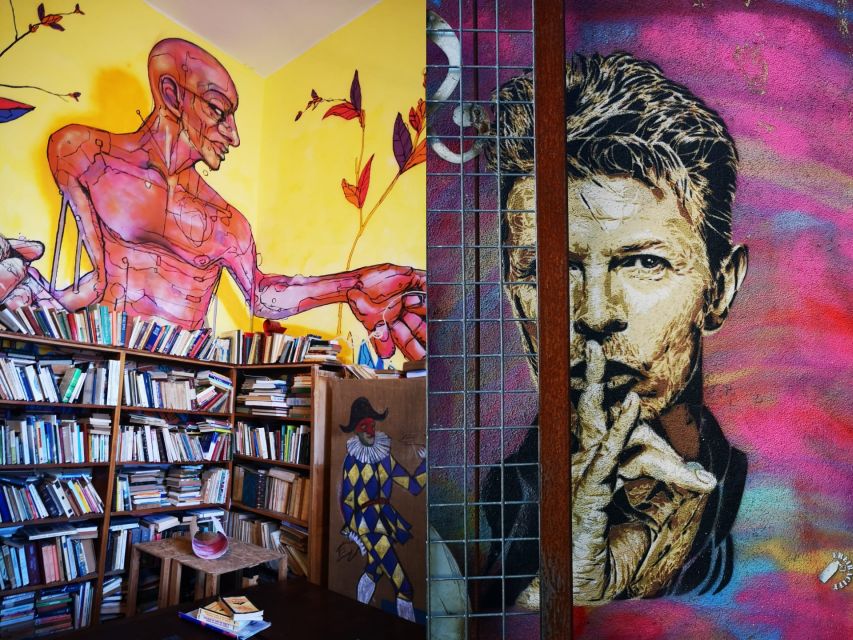
Lisbon isn’t only walls and rooftops. The tour also includes a look at urban vegetable gardens in the neighborhoods you pass through.
This might sound like a random add-on, but it’s actually part of the theme: how people shape their environment. Street art is one kind of transformation. Gardens are another. Together, they show you that the city’s creativity isn’t limited to paint.
If you’re thinking about Lisbon as a place people actively build and reuse, these little stops click. You start seeing how the city’s “layers” aren’t only historical—they’re everyday.
Guides who make the stories stick (Tiago, Mario, Frederico, Raquel)
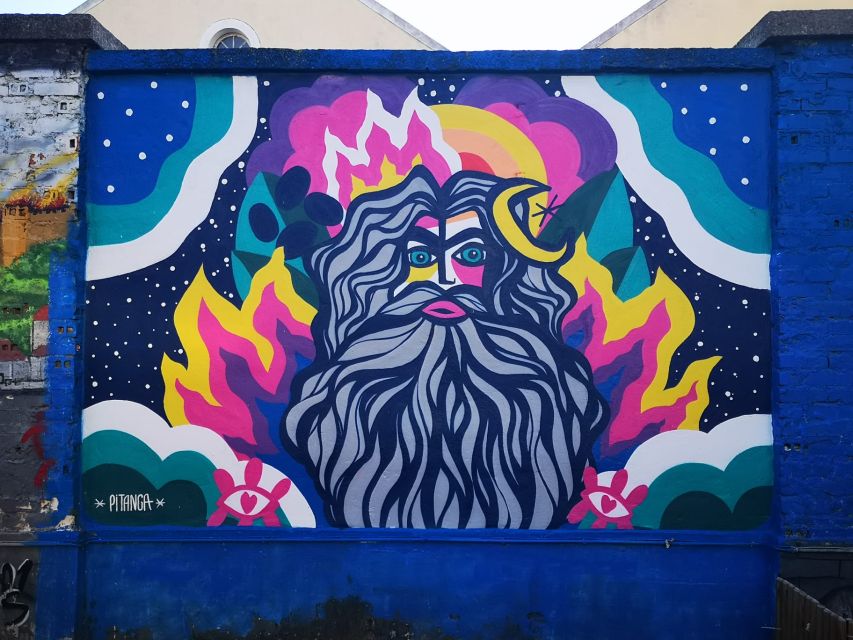
A street art tour lives or dies by storytelling. The strongest feedback you’ll see tied to this experience points to guides who are passionate and funny in a way that feels like they genuinely care.
In the guide lineup, names like Tiago and Mario come up repeatedly, along with Frederico and Raquel. People describe them as energetic, adaptable, and focused on connecting the art to the neighborhood’s lived experience.
This matters because street art is full of references. Without context, it can feel like visual noise. With the right guide, it turns into a set of clues: artist background, style choices, and the local meaning of what’s painted.
I’d also expect some personalization. One guest mentioned their guide asked questions to tailor the experience, and another mentioned quick problem-solving when meeting logistics got tricky (including finding a new meeting point).
So if you want the tour to feel like a conversation rather than a lecture, you’re in the right lane.
Time on the road: planning for 2 vs 4 hours
The tour runs 2 to 4 hours, and that range really changes how much you can absorb.
- If you choose the shorter option, you’ll get the core mural stops—Marvila and the hilltop pieces—with less time for slower sightseeing and extra photo angles.
- If you choose the longer option, you’ll have more breathing room to take in the history between stops and to linger where a mural style really grabs you.
Either way, it’s a great use of half a day because it replaces the hard work of figuring out where street art concentrates in Lisbon. You don’t need to build a custom route.
Simple planning tip: if you’re also visiting major sights, put this early enough that you can use it to orient yourself. Street art tours can teach you how the city flows—after that, the rest of Lisbon makes more sense.
Comfort, access, and who should skip the tuk-tuk
This isn’t an accessibility-friendly activity. It’s listed as not suitable for wheelchair users, and it’s also not for people who are pregnant or who have back problems. Also note the minimum age: children under 5 aren’t suitable.
Even for those who are fine with the basics, consider the vehicle and the street surfaces. Guests mention the ride can be a bit bumpy. That’s normal for tuk-tuks on city streets, but it’s worth taking seriously if you’re sensitive to jolts.
What you can do: dress for movement, bring water if you run hot, and don’t assume you’ll stay seated the entire time. You’ll have chances to get out for photos, which also helps you reset.
Price and value: what $165 per group really covers
The price is $165 per group up to 2. That framing matters because you’re paying for a private guide and private tuk-tuk time, not for a per-person museum admission.
Here’s the value breakdown:
- You get transportation in a tuk-tuk for the full 2–4 hour window.
- You get a live driver guide who handles the route and connects murals to neighborhood history.
- You avoid the time sink of hunting streets, climbing hills, and interpreting what you’re seeing.
Entrance fees to museums or monuments are not included, and food or drink is also not included. In other words, you’re not paying for a pre-planned “ticket route.” You’re paying for access to the right parts of town and for the explanations that make street art worth your attention.
If you’re traveling as a couple (or two friends), this can be a smart spend because you get private attention without paying four separate prices.
Photo strategy: get sharp shots without rushing
Street art begs for photos, but it also punishes rushing. The best results usually come from a mix: one wide shot to show scale and one close-up to show technique.
You’ll likely get opportunities to stop and take photos, including guidance on where to frame murals. Still, keep expectations realistic. You’re in a working neighborhood, not a studio.
My practical advice:
- Bring your phone camera gloves-free (no fiddly attachments).
- Take one quick panorama when you reach the hill section, then move in for details.
- If a mural has multiple layers, shoot from two distances. One will show the composition. The other will show the story in the paint.
Should you book this Lisbon street art tuk-tuk tour?
Book it if you want street art with context and you’d rather see neighborhoods as a whole than only stop at the famous murals. The Marvila focus, the hilltop pieces with Tejo views, and the blend of convents/palaces plus industrial areas make this tour feel like a guided tour of Lisbon’s layers, not just its walls.
Skip it if you need wheelchair access, have back problems, or you’re not comfortable with an open-air ride on uneven streets. Also consider your timing: if you only have a very tight schedule, the 2-hour option will feel faster, but you might miss the slower history moments.
If your goal is to leave Lisbon understanding how art is part of neighborhood life, this one earns its place.
FAQ
How long is the Lisbon Street Art Tuk Tuk Tour?
The duration is listed as 2 to 4 hours, depending on the option you select and the starting time available.
What is the meeting and pickup like?
Pickup is included, but only for locations within the city center. If you’re outside the pickup reach or too far away and it affects tour time, you’ll be contacted to arrange a suitable meeting point.
Is this a private tour?
Yes, it’s a private group tour.
What’s the price and group size?
The price is $165 per group, up to 2 people.
What does the tour include?
It includes a driver guide and transportation in a tuk-tuk.
What’s not included?
Entrance fees to museums or monuments aren’t included, and there’s no food or drink included.
What areas will we see during the tour?
You’ll explore Marvila’s open-air gallery of street art, see large murals on buildings on a hill with views toward the Tejo, and pass through neighborhoods that include 17th and 18th-century convents and palaces, art deco industrial warehouses, factory-worker housing areas, and urban vegetable gardens.
What languages are available for the live guide?
The live tour guide is available in English, Portuguese, and Spanish.
Is the tour suitable for kids?
It’s not suitable for children under 5.
What are the accessibility limits?
It’s listed as not suitable for wheelchair users, people with back problems, and pregnant women.