REVIEW · LISBON
Lisbon Street Art Walking Tour
Book on Viator →Run by Discover Lisbon · Bookable on Viator
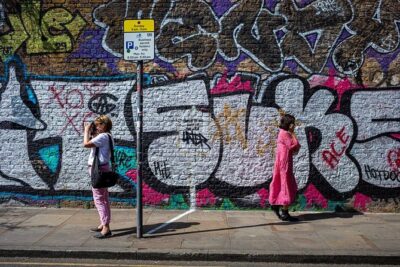
Lisbon hides art in plain sight. This walking tour takes you into the streets where murals, tags, and big public pieces meet neighborhood history—especially around Mouraria and Graça. It’s a simple idea with a fun payoff: you get the visuals and the backstory.
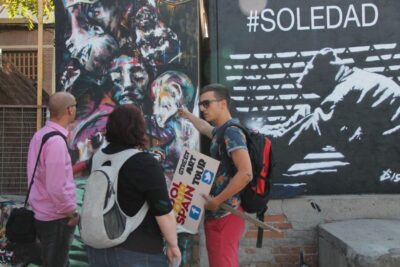
Two things I like a lot: first, the local guide helps you spot works you’d likely miss on your own, even if you’re walking with a map. Second, you don’t just get to look—you get context, including what artists are doing, who commissioned or supported the work, and even the laws around street art in Portugal.
One real consideration: you’re walking, and Lisbon has hills. The tour is fine for people with moderate fitness, but bring good walking shoes and sunscreen if the sun shows up (or a light layer if weather turns).
In This Review
- Key things to know before you go
- What this Lisbon street art walk is really about
- The route: Mouraria, Graça, and the art you’ll actually find
- Starting at Praça Martim Moniz: your orientation moment
- Mouraria: where street art feels close to daily life
- Graça: viewpoints, slopes, and big visual moments
- What you learn beyond the photos
- How long it takes (and why timing matters)
- Group size and how it affects your experience
- The best parts (based on what people praise most)
- 1) You see more street art than you’d find alone
- 2) Explanations make the murals make sense
- 3) The guide brings energy and friendly pacing
- 4) The tour works even when conditions aren’t perfect
- A fair heads-up: where this tour can feel tough
- Expect hills, even if the route is managed
- One risk: if you’re late, communication can matter
- Price and value: what $33.88 buys you
- What to bring (so you don’t waste the effort)
- Should you book the Lisbon Street Art Walking Tour?
- FAQ
- How long is the Lisbon Street Art Walking Tour?
- Where does the tour start, and does it end nearby?
- Is the tour in English?
- What kind of fitness level do I need?
- Is lunch included?
- Do I get a refund if I cancel?
Key things to know before you go
- Small-group feel: the tour caps at 50 travelers, so it usually stays manageable on narrow streets.
- Mobile ticket: you handle entry with a mobile ticket and get confirmation when you book.
- Neighborhood mix: you’ll cover Mouraria and Graça, and the broader route can include other historic areas like Bairro Alto.
- Stories with street-law context: expect background on artists and the rules governing street art in Portugal.
- Plan for walking uphill: even when the route is kept reasonable, you’ll still move through Lisbon’s slopes.
What this Lisbon street art walk is really about
This isn’t a museum tour where everything is labeled and behind glass. It’s about how street art lives in everyday Lisbon—on building corners, in alleyways, and along routes that connect neighborhoods with their own personalities.
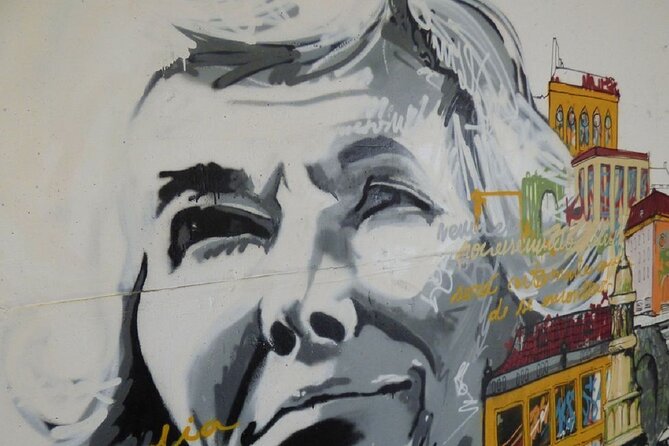
What makes the experience worth your time is the pairing: you get the art, then you get why it’s there. The guide doesn’t treat murals like random decoration. You’ll hear about the artists, the city projects that support public work, and the wider cultural rules around street expression in Portugal.
It also helps that the tour is guided in English. That means the explanations you get won’t feel like watered-down summaries—you should be able to ask questions and follow along without strain.
You can also read our reviews of more tours and experiences in Lisbon.



The route: Mouraria, Graça, and the art you’ll actually find
The tour starts at Praça Martim Moniz and loops back to the same meeting point at the end. That round-trip format is practical. You don’t need to figure out a second meeting spot after you’re done climbing around.
Starting at Praça Martim Moniz: your orientation moment
You begin in a central square area—useful because it’s easy to locate. This is where the guide typically sets the tone: how to read what you’re about to see, and what kinds of street art cues matter in Lisbon. It’s the difference between looking at murals like a postcard and noticing details like style, message, and placement.
If you tend to get turned around in new cities, this start helps. One of the standout comments from past participants was that the guide gave clear, on-time meeting instructions.
Mouraria: where street art feels close to daily life
Mouraria is one of those neighborhoods where you can feel history in the street layout. On this walk, it’s also where a lot of the street art energy shows up. You’ll see works from local and international artists, and the guide should help you understand why specific pieces belong on specific walls.
A key value here: you’re not just hunting for famous murals. You’ll get help identifying the broader pattern—how different artists use walls to make points, document identity, or respond to the city.
Graça: viewpoints, slopes, and big visual moments
Graça brings a different rhythm. Expect more elevation and more walking. Some participants described it as a hike up Lisbon hills, so your legs matter here.
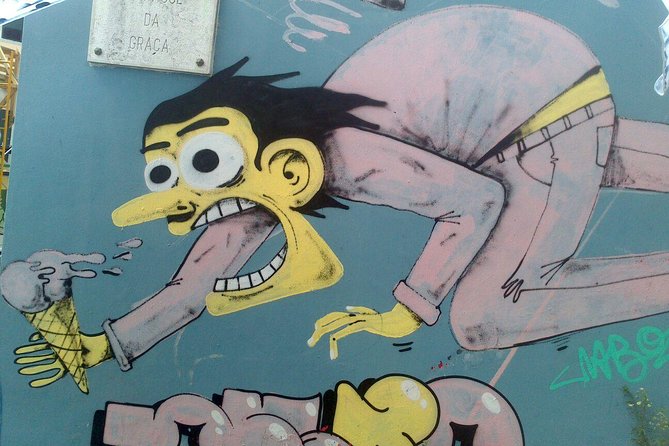
But Graça also gives you the payoff. The combination of steep streets and street-scale art often makes the pieces feel more dramatic. In at least a few cases, people came specifically hoping to see well-known murals in person, and the tour helped them find those exact works without guesswork.






What you learn beyond the photos
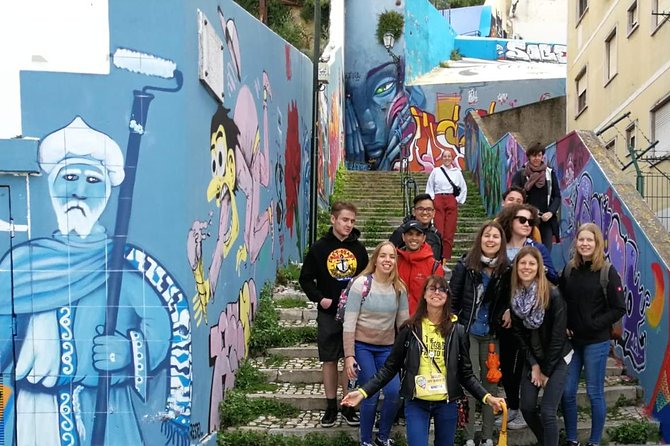
A good street art walk tells you what you’re looking at. This one tries to do more than that.
You’ll hear stories behind pieces—who made them, what they’re responding to, and how the city’s projects support street art. That matters because street art isn’t only about artists. It’s also about permission, public space, and how municipalities and communities react.
One of the most praised parts is the guide’s discussion of street art laws in Portugal. Even if you don’t walk away memorizing legal details, you’ll come away with a clearer idea of what’s allowed, what isn’t, and why some artwork survives where other things get removed.
And if you’re the type who likes conversation, you may catch side discussions about life in Portugal. In one account, the guide chatted beyond the art itself, which made the tour feel more like a local walk with an expert than a script-reading session.
How long it takes (and why timing matters)
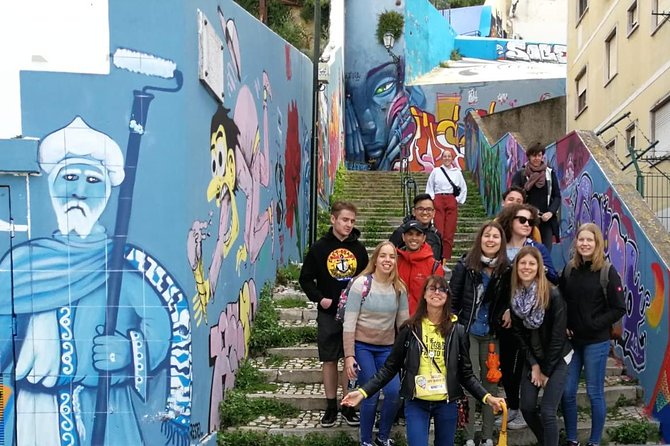
The tour runs about 2 hours 30 minutes to 3 hours. That’s long enough to make it feel like a real neighborhood walk, but not so long that you’ll be stuck forever if the weather changes.
Why timing matters: Lisbon’s light and weather can swing quickly. If it’s sunny, you’ll want sunscreen because you’re exposed while climbing. If it’s rainy or windy, the pace may feel slower on cobblestones and slopes.
Also, you’re booking something that’s commonly chosen by other people—on average it’s booked around 10 days in advance. If your visit is tight, don’t wait until the last minute.
Group size and how it affects your experience
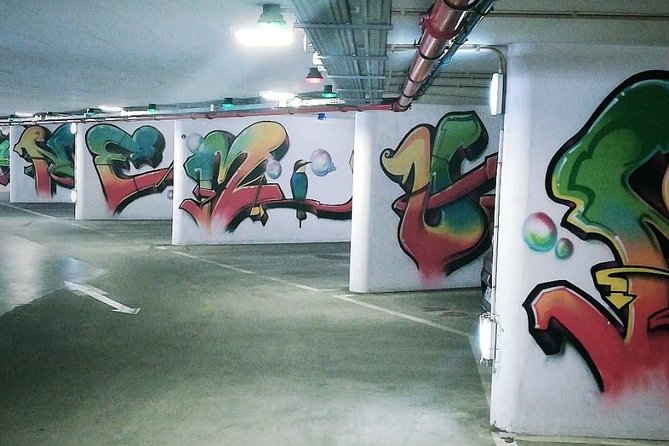
The tour maxes at 50 travelers. That sets expectations: you won’t be in an endless cattle line.
And there’s another detail from real experiences that you can use to plan: if weather or timing reduces the number of people, you may end up with a smaller group and get more attention from the guide. That can be great if you like asking questions or want help understanding what you’re seeing.
The best parts (based on what people praise most)
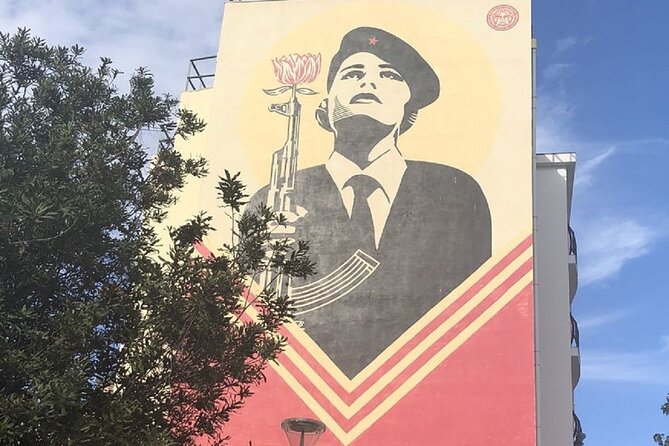
This tour earns its high rating for a few repeat reasons:
1) You see more street art than you’d find alone
The biggest “why bother with a guide?” theme is simple: the guide helps you find works. Lisbon street art can be scattered, and not all of it is obvious from the main streets.
2) Explanations make the murals make sense
People consistently mention that the guide explains context clearly and uses helpful background on artists and the rules around street art. You’re not just touring walls—you’re learning how murals fit into the city.
3) The guide brings energy and friendly pacing
Multiple comments point to guides who are friendly and keep the group comfortable while walking. One person even mentioned the guide helped them get back to their hotel and walked with them until they were confident they were heading the right way. That’s not something you should assume every time, but it shows the guide approach tends to be supportive.
4) The tour works even when conditions aren’t perfect
Even when weather wasn’t ideal, people still described the experience as worthwhile. If the weather limits larger crowds, you could end up with a smaller group and a more relaxed pace.
A fair heads-up: where this tour can feel tough
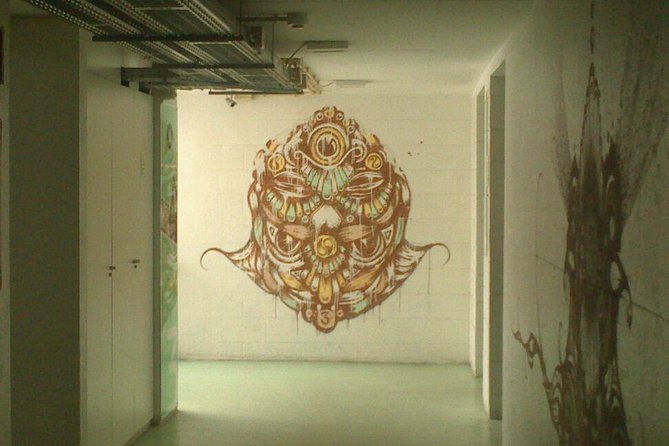
The downside is mostly physical and situational.
Expect hills, even if the route is managed
Some participants say the route wasn’t overly hilly and felt pleasant. Others describe plenty of uphill walking—so treat it as “moderate fitness required” and plan accordingly. Wear shoes you’d trust on uneven pavement.
One risk: if you’re late, communication can matter
There are also negative notes about someone arriving late and not getting quick responses. That’s not guaranteed to happen, but it’s a good reminder: be on time, double-check the meeting spot at Praça Martim Moniz, and have a way to contact the provider if something goes off-script.
If you need backup support, their own help notes indicate they’re available Monday to Friday from 9am to 6pm, and outside those hours (like weekends) phone contact may be the better route.
Price and value: what $33.88 buys you
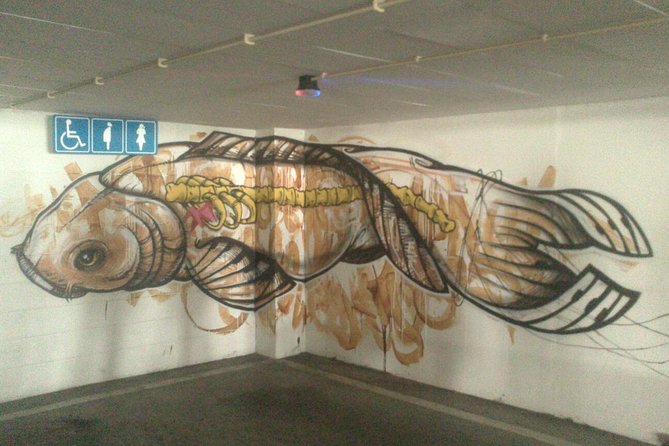
At $33.88 per person, you’re paying for a guided walking experience that lasts around 2.5 to 3 hours, includes a local guide, and uses a mobile ticket. Lunch isn’t included, so plan to eat either before or after.
Is it worth it? For me, street art walks earn their value when the guide saves you from two problems: missing pieces and misunderstanding what you’re seeing. This tour is repeatedly praised for both—finding the art and explaining the context, including street art laws and artist stories. If street art is even half of what you came to see, that kind of guidance tends to be a great use of a morning or early afternoon.
What to bring (so you don’t waste the effort)
Based on the walk-and-hills reality, pack like you’re doing a neighborhood hike, not a quick stroll.
- Walking shoes you already trust on uneven streets
- Sunscreen (if it’s bright)
- A light layer if Lisbon weather shifts
- Water, especially if you’re the type who runs warm on hills
If the weather is rough, don’t assume the pace will match your usual comfort level—cobblestones and slopes change everything.
Should you book the Lisbon Street Art Walking Tour?
I’d book it if you want street art with real context. This is best for you if you like learning how art works in public spaces—artists, local projects, and the rules around it—not just taking pictures.
Skip it (or choose a different day/time) if you know you struggle with uphill walking or if you prefer tours with minimal physical effort. Also, be disciplined about timing. Your experience will be far better if you start the tour on time at Praça Martim Moniz and don’t plan to solve logistics mid-walk.
If your goal is to walk Lisbon neighborhoods—Mouraria and Graça—and leave with stories you can actually repeat, this one fits nicely.
FAQ
How long is the Lisbon Street Art Walking Tour?
It runs about 2 hours 30 minutes to 3 hours.
Where does the tour start, and does it end nearby?
It starts at Praça Martim Moniz, Lisboa, Portugal and ends back at the same meeting point.
Is the tour in English?
Yes, it’s offered in English.
What kind of fitness level do I need?
It’s described as requiring moderate physical fitness, since it involves walking through Lisbon neighborhoods and hills.
Is lunch included?
No, lunch isn’t included.
Do I get a refund if I cancel?
Yes. You can cancel for a full refund up to 24 hours in advance of the start time.