REVIEW · MADRID
Madrid: Street Art Tour with Local Graffiti Hunter
Book on GetYourGuide →Run by Cooltourspain · Bookable on GetYourGuide
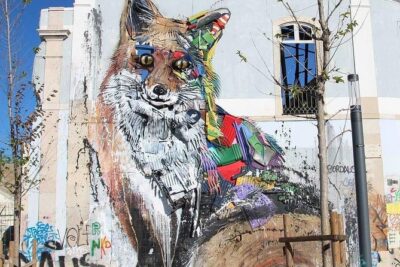
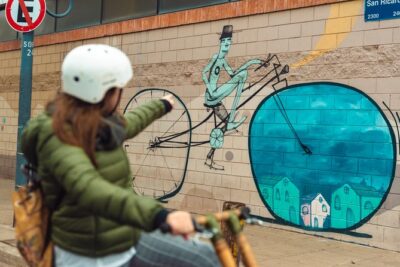
Street art here feels like a city language. This Madrid tour turns street corners in Lavapiés, Embajadores, and La Latina into a guided gallery with a local graffiti hunter leading the way. You’ll spot graffiti walls, plus stencil and sticker art tied to Spain’s underground culture.
Two things I really like: you’re not just looking at pretty murals, you’re getting the street-level context behind them, and the route includes major visual stops like La Tabacalera and the Esta es una Plaza / Plaza del Sombrerete area. One possible drawback: it’s a walking tour. If you’re not into city streets and long blocks, the format might feel more like exploring than sightseeing.
In This Review
- Key things to know before you go
- Why Lavapiés, Embajadores, and La Latina make sense for street art
- Meeting at Teatro Valle Inclán and how the 2-hour walk flows
- Lavapiés streets: graffiti you can read, not just admire
- Calle Argumosa and Calle de Embajadores: the corridor between scenes
- La Tabacalera: street art inside the former tobacco factory
- Esta es una Plaza and Plaza del Sombrerete: reading veteran styles
- Calle del Sombrerete: spotting up-and-coming talent
- The biggest mural in Madrid Center District: what to look for
- Workshop culture: the street art scene beyond the walls
- Pricing and value: why $29 often feels fair for this route
- Who should book this Madrid street art tour
- Should you book this Madrid street art tour?
- FAQ
- Where is the meeting point?
- How long is the street art tour?
- What neighborhoods are covered?
- What kind of street art will I see?
- Which specific places are included?
- Is the tour in English?
- Is the tour wheelchair accessible?
- What should I bring?
- Are beverages included?
- Can I cancel and get a refund?
Key things to know before you go
- Local graffiti hunter energy: you get the view from someone who’s part of the scene
- La Tabacalera factory walls: street art inside a landmark space
- Stencil and sticker street culture: you’ll learn what to look for, not just where to look
- Esta es una Plaza and Plaza del Sombrerete: standout stops for veteran and emerging artists
- A route that mixes neighborhoods: Lavapiés, Embajadores, and La Latina all show different sides
- Hands-on street art questions: the pacing leaves room to talk, ask, and swap photo spots
Why Lavapiés, Embajadores, and La Latina make sense for street art
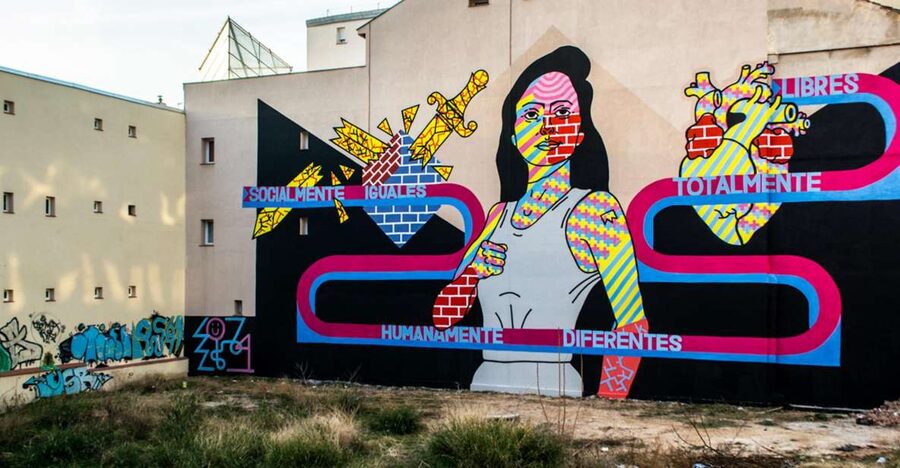
If you want street art to feel real, you need neighborhoods where it lives, not just neighborhoods where it’s displayed. That’s the logic behind this route. Lavapiés and Embajadores have long attracted artists and creative community groups, and La Latina adds a different rhythm as you keep moving through smaller streets.
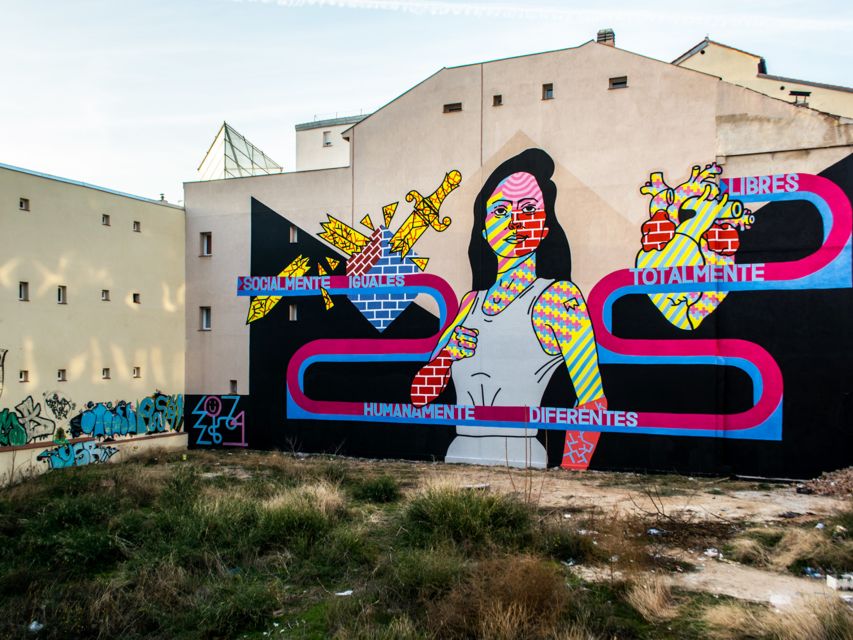
What you’ll notice fast is that Madrid’s street art isn’t one style. You’ll see broad graffiti pieces, but also the quieter language of stencils and stickers—work that often reads like messages, not just decoration. That mix matters because it changes how you look: you start asking who made it, why it’s there, and how the neighborhood shape affects the art.
You also get a chance to connect street art with the local social world. The tour’s guide collaborates with street-art festivals and community initiatives, and that comes through in how the stops are explained. People who get guides like Ester or Julian tend to mention the same thing: the tour stays fun while still giving solid context. It’s a good combo if you want history without the museum lecture vibe.
You can also read our reviews of more tours and experiences in Madrid.

Meeting at Teatro Valle Inclán and how the 2-hour walk flows
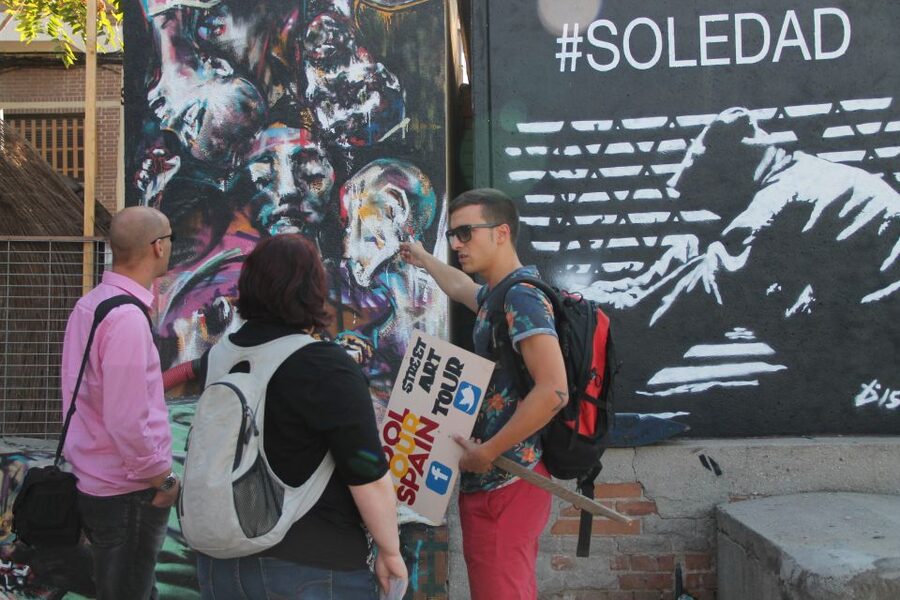
You meet at the entrance of Teatro Valle Inclán, on Calle de Valencia 1 (28012). The nearest metro station is Lavapiés. Plan to arrive a few minutes early so you’re not hunting your group while everyone is already moving.
This is a 2-hour street walk. That timing is one of the biggest values: you get a concentrated route without turning your day into a long slog. The pacing is generally set for conversation, not a fast photo sprint. In practice, that means you can stop, look closely, and ask questions without the guide yanking you forward every ten seconds.
Also, bring comfortable shoes. The route includes multiple streets and you’ll be looking up a lot, which slows you down in a good way. Be ready for uneven sidewalks and normal city foot traffic. And since beverages aren’t included, I recommend you handle water on your own before you start, especially if you’re walking on a warm day.
Lavapiés streets: graffiti you can read, not just admire
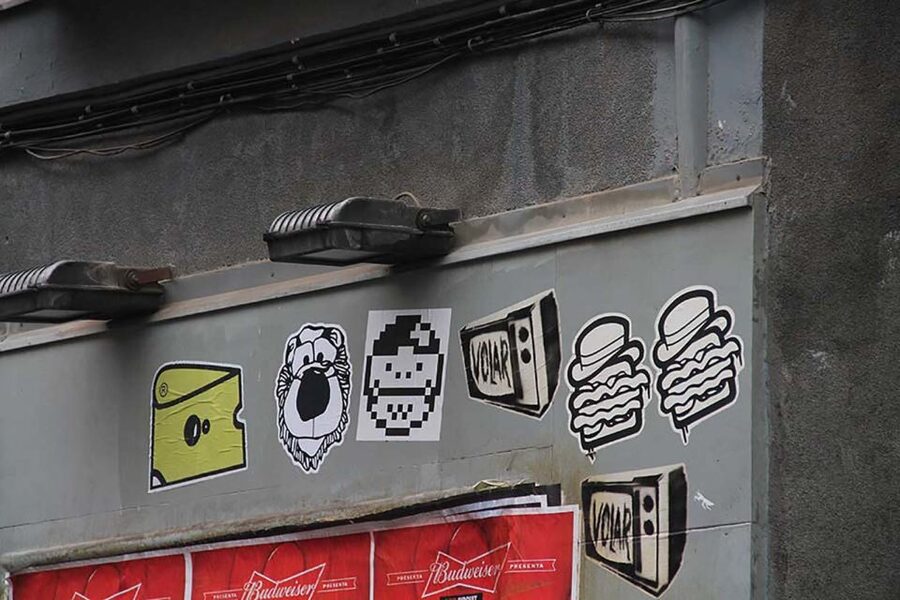
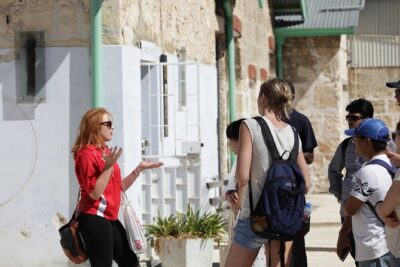
The tour starts by threading through Lavapiés, where the walls are basically a conversation between artists and the street. You’ll stroll and spot works by local urban artists, with the guide helping you notice details that most people miss on a casual walk.
This is where the tour becomes more than a photo stop. Instead of treating street art like graffiti as a single category, the guide frames it as a set of techniques and intentions. You’ll learn what stencil and sticker work tends to communicate differently than large spray pieces, and why certain locations help particular styles gain visibility.
As you walk, you’ll be encouraged to look at layers: tags sitting next to bigger murals, stickers layered on older marks, and pieces placed where they’ll be seen by the exact foot traffic the neighborhood brings. That’s a big reason this tour feels like an insider experience. You’re not just collecting images—you’re collecting a way to interpret the images.
Calle Argumosa and Calle de Embajadores: the corridor between scenes
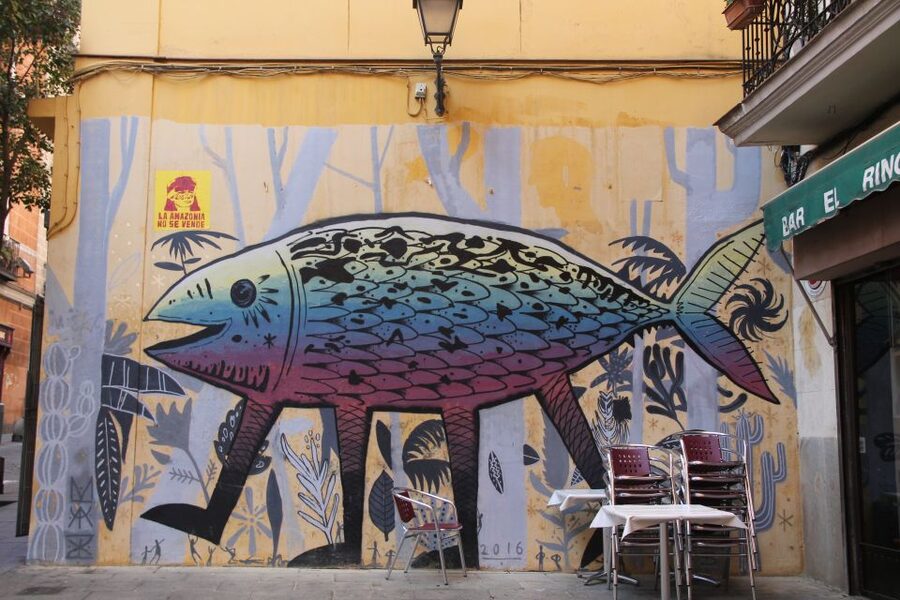
After the initial Lavapiés stretch, the walk continues along Calle Argumosa and into Calle de Embajadores. These streets work well for a reason: they act like a moving gallery spine. Instead of random stops, you move through a chain of walls where the art changes as the surroundings change.
This part of the tour is also practical for photographers. Since you’re walking a corridor, you get repeated sightlines and multiple angles. If you’re taking photos, keep an eye on composition: a wall might look chaotic until the guide points out a pattern or a theme. Then suddenly it clicks.
One small reality check: street art is often close to bike lanes, driveways, and pedestrian flow. The guide’s job isn’t just pointing. It’s also keeping the group from blocking traffic while you all stop to look. That matters because this is a living neighborhood, not a closed-off attraction.
La Tabacalera: street art inside the former tobacco factory
The standout structure on this tour is La Tabacalera, the former tobacco factory. When street art is housed in a known, reused building like this, you get a helpful contrast: some walls feel more like public galleries, while other areas still feel like raw street expression.
You’ll look at urban art on the factory walls and learn how the space supports different kinds of work—artists who want visibility often love spaces like this, but the area still has the street’s real energy. The result is a stop that feels both iconic and lived-in.
What I like about this stop is that it changes the tone of the walk. Outside, street art can feel like it’s reacting to the moment. Inside (or tied to) a major site like Tabacalera, you start seeing longer-term projects and the kinds of themes artists stick with. It’s also a relief to have a landmark you can keep orienting to as you move through the area.


Esta es una Plaza and Plaza del Sombrerete: reading veteran styles
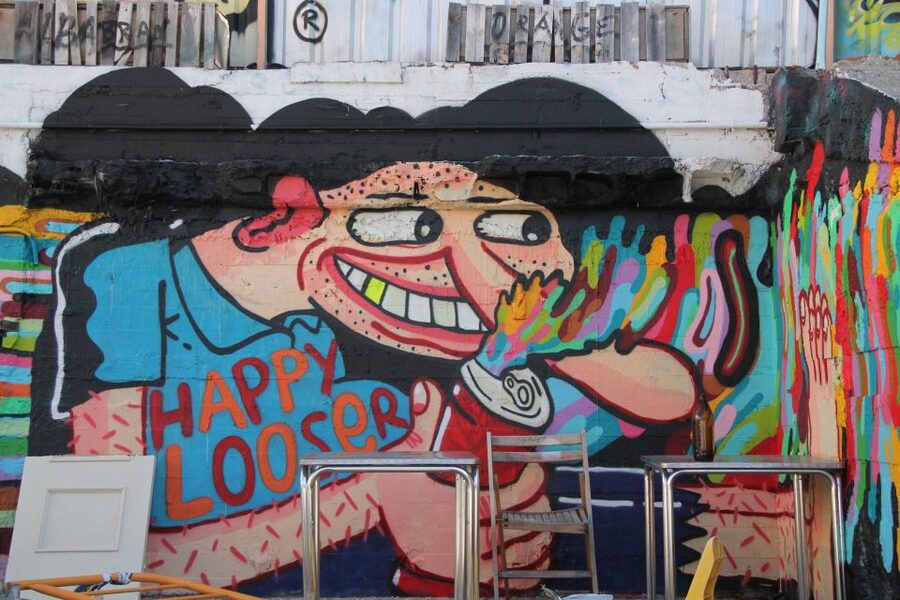
Next comes a key insight stop: Esta es una Plaza / Plaza del Sombrerete. This is where the tour leans into street-art literacy. The guide focuses on veteran artists’ work, so you’re not only chasing the biggest mural—you’re learning how established artists build recognizable signatures over time.
This matters if you’re new to street art. Without context, it can all blur together. With this kind of stop, you start noticing how an artist’s choices repeat: the way figures or letters form, color decisions, stencil layering, and how the piece interacts with nearby walls.
And the location itself helps the learning. A plaza-style stop gives you a moment to pause, look around, and compare pieces with a wider view than the typical narrow street corner. It’s a smart change of pace inside the 2-hour format.
Calle del Sombrerete: spotting up-and-coming talent
The tour doesn’t stay fixed on established names. You also get an insider guide to newer talent, focused on Calle Sombrete. That contrast is useful because street art shifts fast. New styles appear, old themes fade, and the neighborhood’s cultural mood changes.
In your head, try to keep a simple question as you walk: is the work trying to prove something, or is it trying to belong? Emerging artists often take more risks with form or messages. Veteran pieces might lean more toward refinement or legible consistency.
This is also the point where your guide’s festival connections make a difference. When a guide works with events and community projects, they can explain how street art can move between public conversation and organized mural culture. You don’t need to be an expert to understand it—you just need someone to point out the differences clearly.
The biggest mural in Madrid Center District: what to look for
One of the highlights is the chance to see the biggest mural in Madrid’s Center District on the route. A mural like that can be a bit intimidating at first glance. It’s hard to know where to look and what detail matters.
So approach it like this: don’t only look for the overall image. Look for the technique, the letterforms, and how the artist handles contrast. If there’s a figure or a scene, pay attention to edges and layering—those choices tell you how the artist planned the wall, not just how they reacted in the moment.
Also, big murals usually come with more meaning pressure. Sometimes the message is louder. Sometimes the style is more polished. Sometimes it’s about legitimacy in public space. Your guide’s job here is to connect what you see to why it’s there, and that’s what turns the mural into an experience instead of a landmark.
Workshop culture: the street art scene beyond the walls
The tour also includes insight into the free workshops connected to the scene, covering things like photography, dance, yoga, cycling, longboarding, and more. This is one of those details that seems small in the middle of a street walk, but it’s huge for understanding the neighborhood.
Street art doesn’t only happen at walls. It grows through practice, community, and shared creative energy. When you hear about workshops linked to the same culture that produces stencils and murals, you start to see the city as a system, not a scatter of cool pictures.
If you care about value, this is where the tour justifies the price. You’re not paying only for images. You’re paying for context that helps you recognize how street art becomes a local lifestyle and skill pathway.
Pricing and value: why $29 often feels fair for this route
At $29 per person for a 2-hour English-guided walk, you’re paying for two things: time with a guide who can interpret what you see, and access to specific stops in a neighborhood that’s easy to miss if you’re only doing the usual Madrid highlights.
The value isn’t the price tag. It’s the structure. Street art tours can sometimes turn into a random walk with a few comments. This one is built around distinct locations—La Tabacalera, Esta es una Plaza / Plaza del Sombrerete, and the route through Lavapiés and Embajadores—so you leave with more than photos. You leave with a clearer way to notice patterns.
It also helps that the experience often feels interactive. People describe guides keeping the group engaged, with time for questions and discussion. When you can ask about technique, meaning, and neighborhood history, the time feels longer in the right way.
Finally, you get neighborhood plus art. Lavapiés and Embajadores aren’t just backdrops; the guide connects the art to the streets’ character. That’s why the experience works even if you’re not obsessed with graffiti.
Who should book this Madrid street art tour
I’d book this if you fit any of these:
- You want Madrid beyond museums and big monuments
- You like street-level art and want help reading it
- You enjoy walking neighborhoods with an insider voice
- You’re curious about how underground culture connects to community projects
It’s also a good fit for mixed groups. If someone in your group knows street art already, they get technique and references. If someone is new, the guide’s explanations help you start seeing differences between graffiti, stencils, and stickers.
If you hate walking, struggle with lots of street noise, or only want indoor, ticketed sights, then this might feel like the wrong format. It’s built for being outside and paying attention.
Should you book this Madrid street art tour?
Yes—if you want a smart, street-level view of Madrid’s culture. This tour hits a sweet spot: enough structure to feel guided, enough street freedom to feel real. The combination of La Tabacalera, the Esta es una Plaza / Plaza del Sombrerete area, and the corridor through Lavapiés and Embajadores gives you multiple textures of the scene instead of one big stop.
Also, the guides’ approach seems to be part of the appeal. People share that guides like Ester and Julian keep the vibe friendly and fun while still explaining how and why the art works. That balance is hard to find.
One final check: wear good shoes and plan your pacing. This is a 2-hour walk where your eyes do most of the work. If you’re ready for that, $29 feels like a fair trade for an experience that makes you see Madrid differently after you leave the last wall.
FAQ
Where is the meeting point?
You meet at the entrance of Teatro Valle Inclán, Calle de Valencia, 1, 28012 Madrid. The nearest metro station is Lavapiés.
How long is the street art tour?
The tour lasts about 2 hours.
What neighborhoods are covered?
The route focuses on Lavapiés, Embajadores, and La Latina.
What kind of street art will I see?
You’ll see graffiti walls plus stencil and sticker art connected to Spain’s underground street art culture.
Which specific places are included?
Key highlights include the urban art on the walls of the former tobacco factory, La Tabacalera, and an insider guide stop at Esta es una Plaza / Plaza del Sombrerete, plus a stop at Calle Sombrete.
Is the tour in English?
Yes, the guide speaks English.
Is the tour wheelchair accessible?
The activity is wheelchair accessible.
What should I bring?
Bring a passport or ID card and wear comfortable shoes.
Are beverages included?
No. Beverages are not included.
Can I cancel and get a refund?
Yes. You can cancel up to 24 hours in advance for a full refund.