REVIEW · LONDON
The Original London Street Art Tour
Book on Viator →Run by Alternative London · Bookable on Viator
Street art turns corners into stories. On this East London walk, you get an art guide who knows where to look and why it matters, from Spitalfields to Brick Lane. It’s an easy way to see more than just posters and tags—you learn the medium, the motives, and the people behind it.
I love the artist-led perspective—guides like Eva, Gabby, Josh, Natalie, and Laura bring their own street-art lens, so explanations feel grounded in real practice. I also like the rhythm of the walk, with frequent stops on foot for photos and a chance to notice details you’d miss moving fast.
One thing to consider: the route can shift to chase the best current art, so show up on time at the start point and be ready to walk a bit at neighborhood pace. Also, if you prefer only the biggest, most famous murals, this tour leans more toward graffiti and street-level work than large commissioned art.
In This Review
- Key highlights at a glance
- Walking East London’s Street Art: Why This Works So Well
- Price and What You Get for About $27.73
- Start Point to Finish Point: How the Walk Is Designed
- Stop 1: Old Spitalfields Market and Brushfield Street Setup
- Stop 2: Brick Lane Streets for Well-Known Pieces and the Ones You Don’t See
- Stop 3: Shoreditch High Street Station (Stop F) for Angle, Anecdotes, and Culture
- Why the Guide Makes or Breaks This Tour
- Photos, Walking Pace, and What to Bring
- Who This Tour Suits Best (and Who Might Want a Different Style)
- Should You Book This London Street Art Tour?
- FAQ
- How long is the Original London Street Art Tour?
- What is the price per person?
- Where does the tour start and end?
- Is the tour offered in English?
- Is the ticket mobile or do I need to print it?
- What is the group size limit?
- Do I need a certain fitness level?
- Does the tour run in bad weather?
- Are children allowed?
- Can I cancel for free?
Key highlights at a glance
- Local artist guides who explain style, meaning, and context as you walk
- Frequent photo stops without the hassle of parking or finding art on your own
- Old Spitalfields Market and Brushfield Street as the intro to how street art spreads
- Brick Lane streets and side lanes for both well-known and more discreet pieces
- Shoreditch High Street Station stop for history, culture, and new angles on the same walls
Walking East London’s Street Art: Why This Works So Well
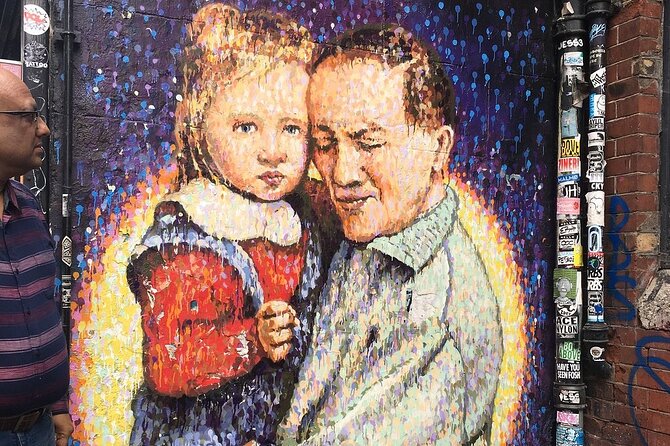
East London is where street art feels less like decoration and more like a living conversation. This tour is built for that reality: you’re not staring at one wall for an hour. You’re moving through a neighborhood where pieces show up because someone cared enough to make them, and because the city keeps changing.
What makes it work is the pace. You get time to pause, read surfaces, and frame shots without constantly checking maps. Even if street art isn’t your main hobby, the guide helps you build a “spotting” habit fast—how tags differ from bigger pieces, how artists reuse symbols, and how messages shift depending on the moment.
You’re also walking in the parts of London where people actually live with the art. That’s the big difference between street art you happen to notice from the sidewalk and street art that feels explained, placed, and human.
You can also read our reviews of more tours and experiences in London.



Price and What You Get for About $27.73
At about $27.73 per person for roughly 2 hours, you’re paying for three things: a local guide, tight routing, and interpretation. Street art is everywhere—finding the right spots and understanding them in a short time is the hard part.
You get a professional guide and a route that hits multiple areas instead of sending you off to hunt randomly. The tour also keeps things practical: it runs about 2 hours, with stops that don’t feel like long lectures. One of the most repeated strengths is that guides don’t just point—they tell you what to notice next.
Is it a bargain? For East London street art, yes, because you’re not just “seeing walls.” You’re learning the culture around them—what techniques mean, what styles communicate, and how the neighborhood’s history connects to what you’re looking at.
Start Point to Finish Point: How the Walk Is Designed
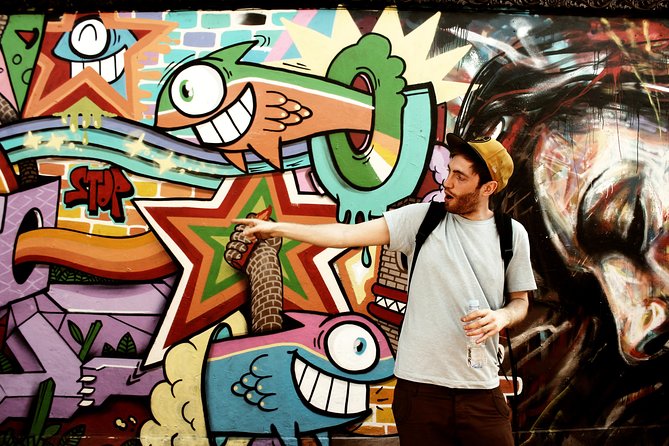
The tour starts at I Goat, Brushfield St, London E1 6AA, and ends at 19 Hessel St, London E1 2LR. There’s no need to figure out every turn on your own because the guide leads the way.
You’ll want to arrive with a little buffer. The tour includes route movement between areas and timed stops, and guides may adjust the path to capture the best art available during that walk. If you like your travel plans strict and clock-perfect, treat this as a neighborhood experience with some natural flexibility.
Another practical perk: you get a mobile ticket. That saves time when you’re bouncing between stops and trying to stay light.
Group size is capped at 18 travelers, which is small enough to keep the tour moving and allow questions. One review noted the group size felt a tad large for personal taste—so if you want a super-private experience, you might prefer a smaller custom walk. For most people, a cap of 18 is the sweet spot.
Finally, it operates in all weather. Bring layers and sensible shoes. Street art on slick pavement can be slippery, and you’ll be pausing often to look up close.
Stop 1: Old Spitalfields Market and Brushfield Street Setup
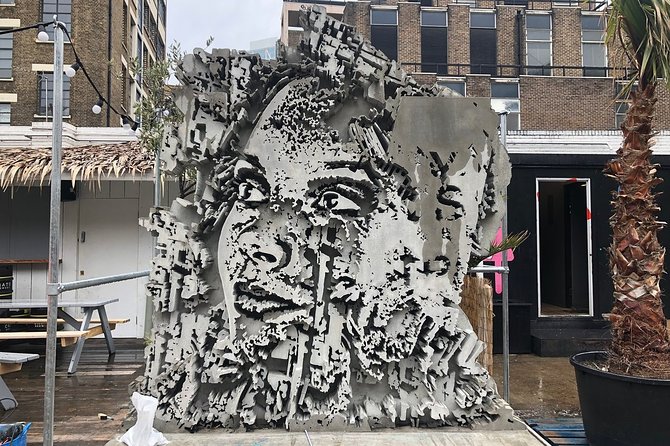
The first stop is Old Spitalfields Market, with the tour beginning along Brushfield Street. This opening is smart because it gives you a foundation before you hit the bigger street art name-district energy.
On Brushfield Street, you’re introduced to street art examples down the road, and the guide frames what you’re seeing—how street art can hide in plain sight and why “small details” matter. Spitalfields is also a helpful staging area: it’s easy to orient yourself, and the vibe shifts quickly as the walk moves east.
Why I think this stop is valuable: it teaches you how to look. Instead of treating the first walls as random images, you get a mini lens on the medium right away. That means the rest of the walk feels clearer.
Potential drawback: since it’s a shorter intro (about 20 minutes), you’ll need to pay attention early. If you spend that time chatting with friends or letting your phone replace your eyes, you might miss the “how to read the walls” start that makes the later stops hit harder.
Stop 2: Brick Lane Streets for Well-Known Pieces and the Ones You Don’t See
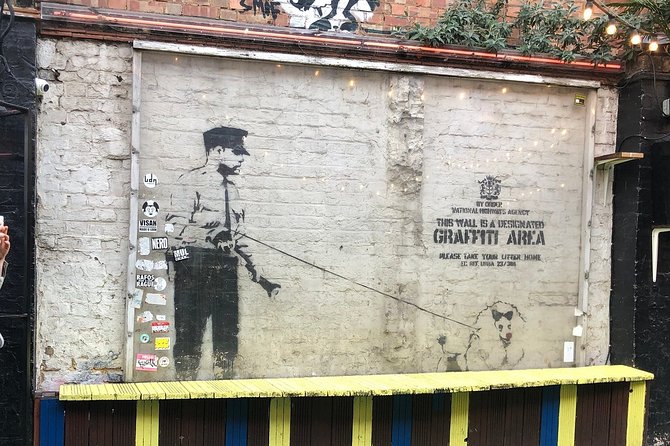
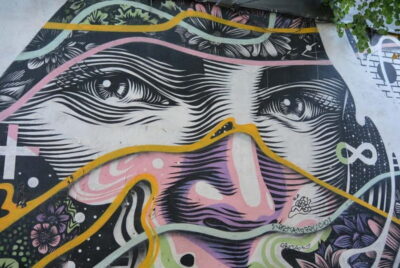
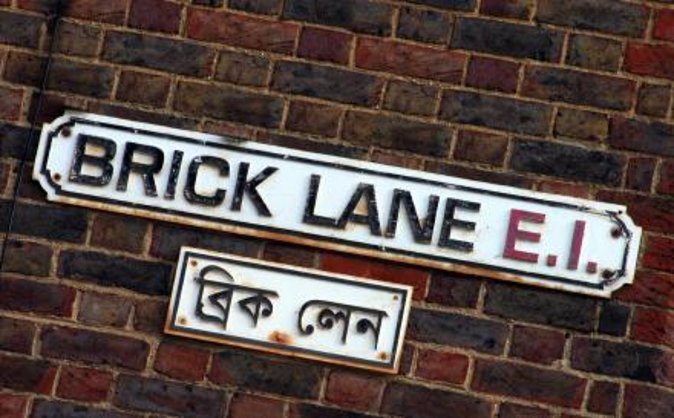
Next comes Brick Lane, with a guide leading you along Brick Lane and the surrounding streets. This is where East London street art becomes less of a concept and more of a catalog of styles—work that’s recognizable, plus pieces that only pop if you slow down and turn your head at the right moment.
Brick Lane is also where you’ll hear meaning beyond aesthetics. Guides often explain the differences between artists and why certain themes show up repeatedly—politics, identity, and resistance, sometimes wrapped in humor or visual symbolism.
A strong pattern from the best-rated experiences: you’re not just collecting photos. You’re getting a story for how the medium works in the real world—how artists create, how their messages land, and how the neighborhood responds.
One more useful note: the tour’s emphasis can skew more toward graffiti and street-level work than toward polished, commissioned mural art. If you only want large commissioned pieces, you might feel like you wanted a different mix. If you’re open-minded and like the raw, imperfect, human side of street art, you’ll likely enjoy it more than you expected.
Time here is about 30 minutes, which feels just right. Long enough for multiple stops and comparisons, short enough that you don’t burn out before the final area.





Stop 3: Shoreditch High Street Station (Stop F) for Angle, Anecdotes, and Culture
The last major stop is near Shoreditch High Street Station (Stop F). Here, the guide points out more examples of street art, with unique perspectives and anecdotes about the history and culture of the medium.
This stop is great for two reasons. First, the station area tends to give you varied sightlines—so the same wall can feel different from different angles. Second, by the time you reach here, you’ve already been taught how to look. So you can actually apply the guide’s earlier clues in real time.
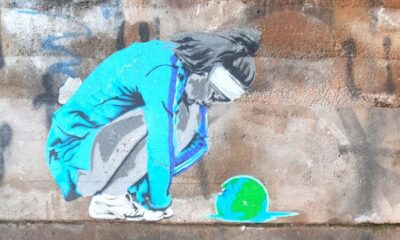
Expect the conversation to broaden too: why street art developed the way it did, how it sits in local identity, and why it sometimes shows up as commentary more than decoration. Some guides also talk about techniques and terms—like slap and paste, tagging, and how messages can be loud without being easy to read at a glance.
The last 20 minutes are also a good “wrap it up” period. You can reflect on what you liked, ask follow-up questions, and compare styles you saw earlier.
Why the Guide Makes or Breaks This Tour
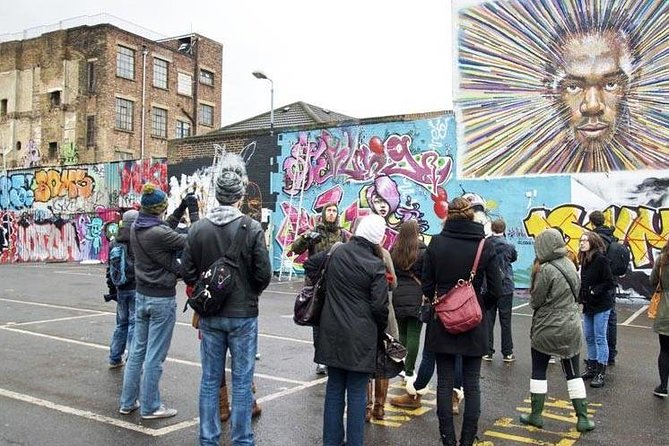
This is the point that pops up again and again in the highest ratings: the guide isn’t just reading a script. Many guides on this walk are street artists themselves, which changes how explanations land.
When your guide has actual art practice, you get practical insight. You hear not only what something means, but how it was made, what choices the artist made, and why certain visuals show up repeatedly in that scene.
Names you may encounter include Eva, Gabby, Josh, Natalie, Laura, and other guides mentioned in guide-led experiences. Each brings personality—some guides are funny and quick; others emphasize history and technique; some keep the pace light for families.
For you, the payoff is simple: you leave with a new habit. Instead of ignoring graffiti, you start asking the right questions—What style is this? Who might the artist be? What mood is the piece trying to create? That kind of shift is hard to get from a basic sightseeing walk.
Photos, Walking Pace, and What to Bring
You’ll stop frequently enough to take photos without sprinting or asking other people to hold your spot. The best advice is to treat your camera/phone like a tool, not a boss. Look first, shoot second. That keeps the walk feeling like discovery instead of checklists.
Bring:
- Comfortable shoes for uneven sidewalks and short pauses
- Weather layers (the tour runs in all weather)
- A charged phone/camera so you can capture details after the guide explains what they mean
Physical fitness needs are described as moderate. You should be fine if you can walk for about 2 hours and handle occasional standing and turning to look closely at walls.
Who This Tour Suits Best (and Who Might Want a Different Style)
This tour is a strong match if you:
- Want a street art orientation without spending your day hunting
- Like stories about how art connects to neighborhood culture
- Enjoy walking routes that mix well-known spots with overlooked ones
- Travel with teens or older kids who can handle street-level cultural discussion (the vibe has been family-friendly in multiple guides’ experiences)
It may feel less perfect if you:
- Want only the most famous mural-size works
- Prefer a strictly quiet, observational experience with minimal walking questions
- Hate moving with a group even if it’s capped at 18
A good way to decide: if you want to learn how to read street art, book this. If you want a photo sprint for big-name murals only, you might need a different kind of tour.
Should You Book This London Street Art Tour?
If your goal is to get real value in a short London slot, I think it’s an easy yes. The price-to-time ratio works because you’re not just looking—you’re learning, and the guide-led pacing keeps it fun rather than heavy.
Book it if you’re curious about the East End and want a guide who can point out what most people miss, including discreet pieces and the stories behind them. I’d also book it for first-timers because the guide explanation builds understanding fast.
I’d hesitate only if you want a highly curated “top mural hits” experience or you’re likely to arrive late and disrupt timing. Show up ready, wear good shoes, and bring an open mind. This walk rewards attention, and that’s exactly what makes it worth your time.
FAQ
How long is the Original London Street Art Tour?
It lasts about 2 hours.
What is the price per person?
The price is $27.73 per person.
Where does the tour start and end?
It starts at I Goat, Brushfield St, London E1 6AA, UK, and ends at 19 Hessel St, London E1 2LR, UK.
Is the tour offered in English?
Yes, it’s offered in English.
Is the ticket mobile or do I need to print it?
It uses a mobile ticket.
What is the group size limit?
The tour has a maximum of 18 travelers.
Do I need a certain fitness level?
A moderate physical fitness level is recommended.
Does the tour run in bad weather?
Yes, it operates in all weather conditions. Dress appropriately.
Are children allowed?
Children must be accompanied by an adult.
Can I cancel for free?
Yes. You can cancel for free up to 24 hours in advance for a full refund.