REVIEW · LONDON
London: East End Instagrammable Street Art & Graffiti Tour
Book on GetYourGuide →Run by Tours by Foot · Bookable on GetYourGuide
Street art can be a tourist trap. This one is a focused London East End graffiti route with real stories, plus time to shoot photos. I like that it mixes famous names with lesser-known spots, so you get more than the usual wall-tour photos. I also like the hands-on touch: you’ll get a chance to make your own street art.
One thing to consider: the area changes fast, so the exact finish point shifts depending on what’s been painted over recently. If you’re the type who needs a fixed end location for transit, plan a little slack.
In This Review
- Key things you’ll love on this East End graffiti walk
- Street art in London that feels like the city, not a museum
- Beginning at Whitechapel Gallery: start with meaning, not just color
- Spitalfields then Shoreditch: where the photos get easier
- Brick Lane: the best place to practice looking from multiple angles
- Stop details you’ll notice along the way
- More than murals: community, symbolism, and characters in side streets
- Dray Walk and the rainbow broccoli idea
- Allen Gardens: when street art changes weekly
- Rivington Street and the Banksy factor: famous work, not just fan service
- Thierry Noir and the 1980s connection
- art’otel London Hoxton: the way street art gets folded into modern London
- New Inn Broadway and Shoreditch High Street: Shakespeare and the Graffiti Wars
- New Inn Broadway: Shakespeare shows up nearby
- Shoreditch High Street and the Graffiti Wars story
- The route flow: how the stops keep your energy up
- Price and value: is $49 for a street art walk worth it?
- Who should book this East End graffiti tour?
- Should you book it?
- FAQ
- Where does the tour start?
- How long is the London East End Instagrammable Street Art & Graffiti Tour?
- What language is the tour guide?
- Does the tour run in bad weather?
- Where does the tour end?
- Is the tour wheelchair accessible?
- What is included in the experience?
Key things you’ll love on this East End graffiti walk
- Whitechapel start gives you context before the camera comes out
- Photo stops built into the route so you can get angles, not just walk past walls
- Brick Lane angle tips so you can actually read murals from different viewpoints
- Stops that cover both art and community, including a work dedicated to the Muslim community on Princelet Street
- Banksy and other big names, shown through specific stops like Rivington Street and art’otel London Hoxton
- A practical pace that leaves room to ask questions and take your time on photos
Street art in London that feels like the city, not a museum
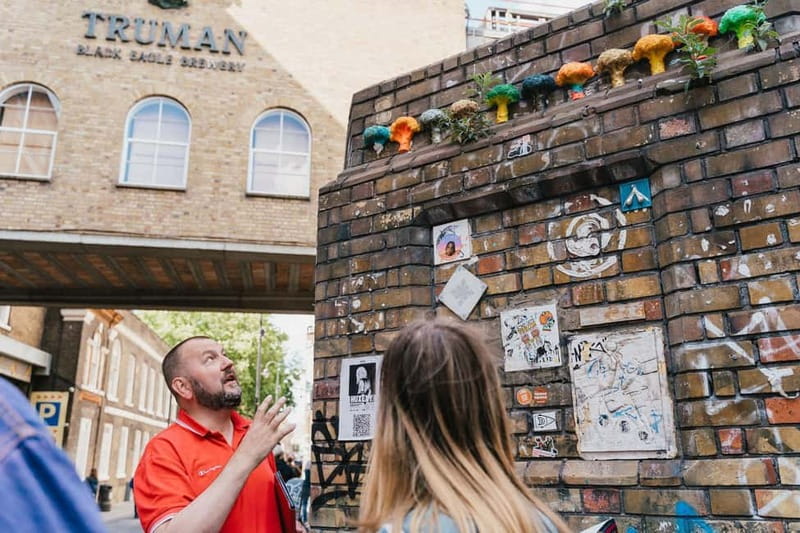
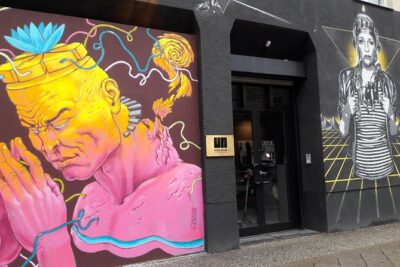
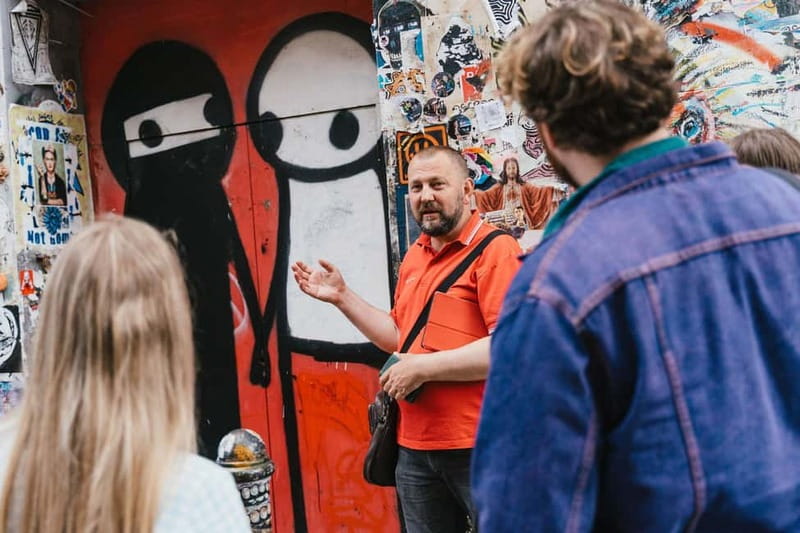
This is the kind of tour that helps you see London the way it looks to locals: layered, imperfect, and constantly rewritten. You’re not just chasing recognizable tags. You’re walking through Shoreditch and Brick Lane with a guide who points out why the work matters, where it came from, and how to look at it properly.
I like that the focus stays on the street. Murals here aren’t treated like fragile museum pieces. They’re weathered, repainted, defaced, and returned to. That makes it more honest—and it makes your photos more interesting too.
You’ll also notice how the route is designed for quick “wow” moments without turning into a sprint. The stops are short enough to keep your energy up, but long enough to step back, switch sides, and get a better shot.
You can also read our reviews of more tours and experiences in London.



Beginning at Whitechapel Gallery: start with meaning, not just color
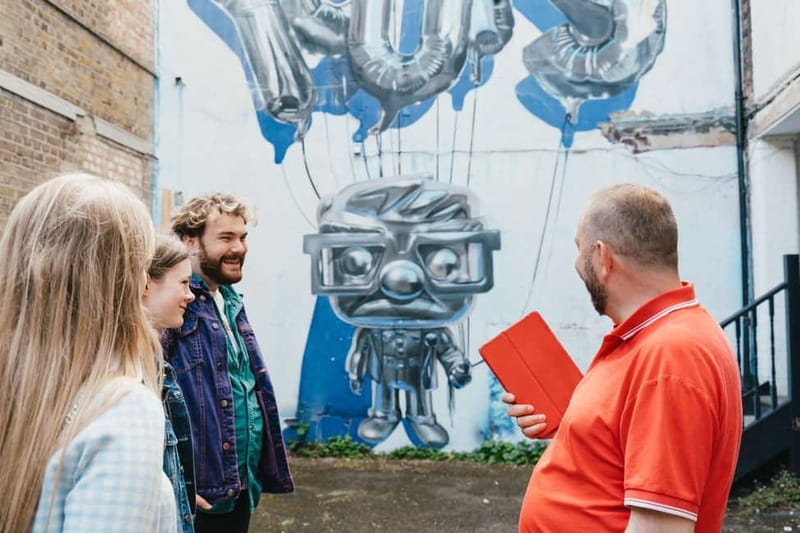
Your guide meets outside Whitechapel Gallery at 80 Whitechapel High Street. Starting here matters because it sets a tone: the East End isn’t only graffiti. It’s art, immigration, and hard history, including the area around Whitechapel that became known through the Whitechapel Murders.
Right away, you’re primed to look at street art as something with context. That makes every later stop land harder, because you’re not just seeing a pretty wall—you’re reading a neighborhood.
If you arrive early, take a moment to look around the street level. East London art often hides in plain view, and you’ll be training your eyes for that from minute one.
Spitalfields then Shoreditch: where the photos get easier
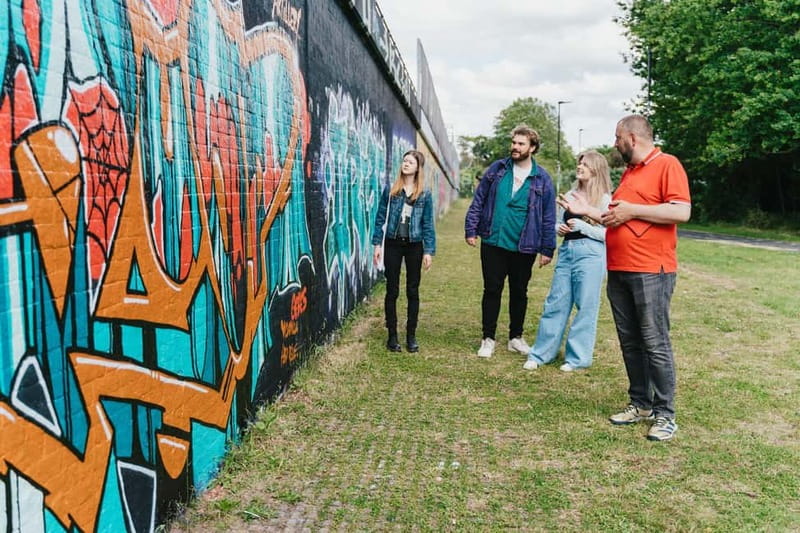
The early part of the walk includes a Spitalfields stop and then moves into Shoreditch for another guided photo-and-walk section. These areas set the tempo: smaller street scenes, wall-to-wall visuals, and the kind of lanes where one turn can change the whole vibe.
This is a good stage for beginners. You’re learning how to “scan” quickly—where to look for lettering, where to look for oversized characters, and how to spot details you’d miss if you only looked straight ahead.
One of the best practical tips from guides in this style: take your photos from a couple angles. On this tour, you’ll keep getting reminded that street art is part of the architecture. Move a few steps. Tilt your phone. That’s how a flat mural turns into a full-frame story.
Brick Lane: the best place to practice looking from multiple angles
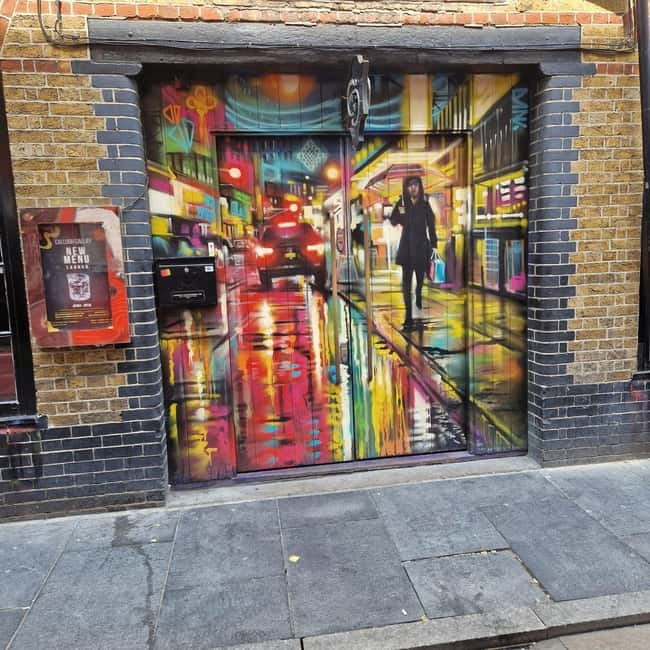
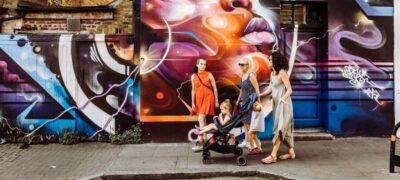
Brick Lane is the star of the East End for a reason, and this tour uses it well. You get time on the street where murals sit close to foot traffic and reflections, corners, and building shapes change how the art reads.
The tour specifically nudges you toward a key idea: sometimes you need two different viewpoints to fully appreciate the work. That means you’ll want to pause, step to the side, and look back. You’ll spot more than you would by treating everything like a single photo target.
Stop details you’ll notice along the way
- 7 Stars Yard: a narrow yard with a “don’t worry, we’ve got you” feel. The point here is not just the art—it’s learning how street art can turn tight urban spaces into scenes with personality. You might even leave your own creation behind, since the tour includes that make-your-own moment.
- Princelet Street: you’ll find a work by Stik dedicated to the Muslim community and tied to the area’s long connection. Importantly, it’s been defaced and repainted over time. That resilience is part of the story you’re learning to notice.
- Hanbury Street: while walking along Brick Lane, you’ll notice a huge bird on a side street. The guide’s job here is to get you close enough to understand it properly, and then help you see the rest of what’s around it.
A quick consideration: Brick Lane can be busy. If you’re aiming for clean shots, go slow and let people pass. The tour format gives you the time to do that without feeling like you’re holding up the group.





More than murals: community, symbolism, and characters in side streets
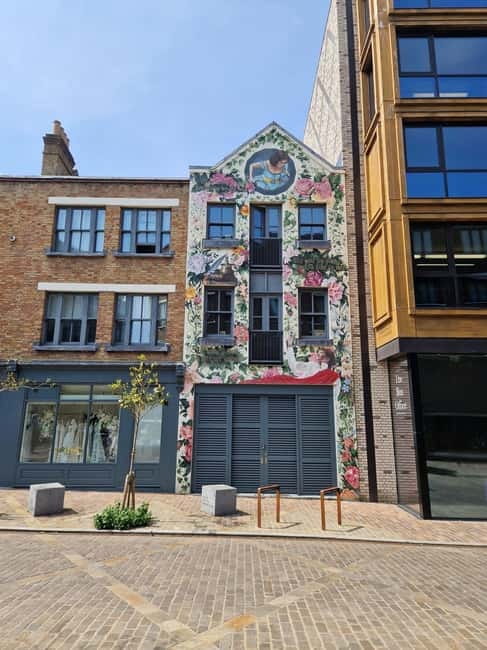
As you move through quieter lanes, the tour shifts from “look at this” to “why this.” That’s where it becomes more than a photo walk.
Dray Walk and the rainbow broccoli idea
On Dray Walk, you’ll spot broccoli. Some are realistic, and others show up in multiple colors. This isn’t random cuteness. It’s street art culture: trends spread, styles get repeated, and suddenly an object becomes a recognizable signature you can hunt for later.
There’s also mention that the artist who started the trend has a gallery. That’s your reminder that street artists aren’t only making street work. Many move between street art, exhibitions, and commissions, while still keeping their public voice.
Allen Gardens: when street art changes weekly
Allens Gardens is all about density—walls full of graffiti that can change often. The tour encourages you to take photos because what you see may be the last moment before something gets covered.
This is one of the most “real London” stops. You’re witnessing art as a living system. It’s painted, overwritten, edited, and reinterpreted. If you only love street art when it’s at its most Instagram-perfect, this might challenge that. If you love art as process, this is exactly your kind of stop.
Rivington Street and the Banksy factor: famous work, not just fan service
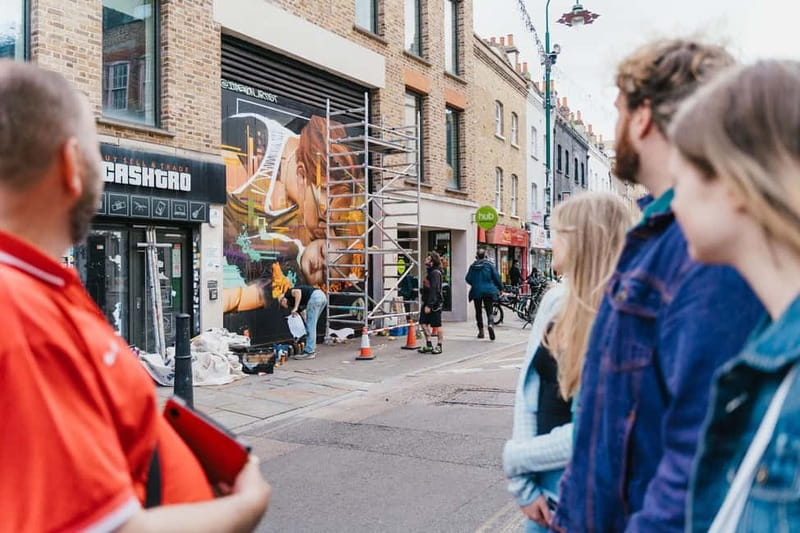
No East End street art tour conversation stays normal without Banksy. This one handles it with a specific approach: you’re taken to a secret place where the guide can show Banksy’s work.
It’s still worth your attention even if you’ve seen images online. The scale, the surroundings, and the way the wall fits into the street create a different impact in person. Plus, you’re hearing the story of the work in the same neighborhood where it lives.
Thierry Noir and the 1980s connection
On Rivington Street, you’ll also hear about Thierry Noir, a French artist best known for groundbreaking work on the Berlin Wall in the 1980s, but with his mark in London too. That connection helps you see that street art isn’t only about local scenes. It’s part of bigger political and artistic conversations.
art’otel London Hoxton: the way street art gets folded into modern London
Another memorable stop is art’otel London Hoxton, powered by Radisson Hotels. The tour notes that an old Banksy is now part of a fancy hotel. You don’t need a room to see it.
This is a useful reality check for your street art brain. The same work that thrives in alleyways can also end up inside polished developments. That tension is part of the East End story too—and it raises good questions about who street art is for and what happens when it becomes “official.”
New Inn Broadway and Shoreditch High Street: Shakespeare and the Graffiti Wars
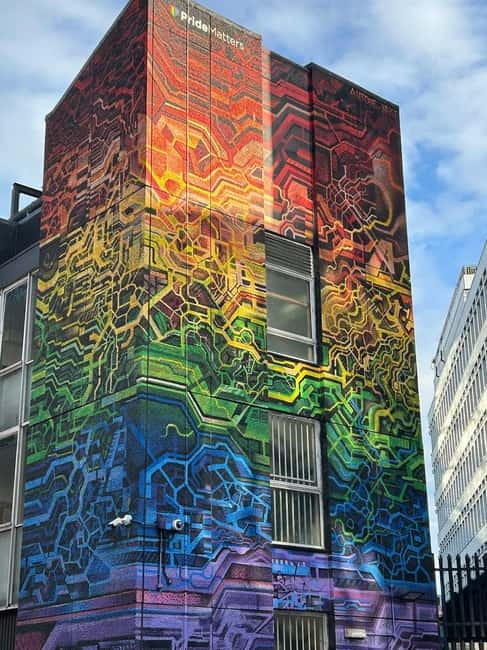
If your brain says street art only belongs to graffiti walls, this section quietly proves you wrong.
New Inn Broadway: Shakespeare shows up nearby
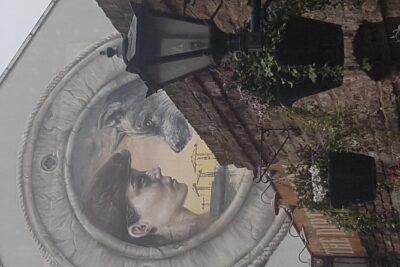
At New Inn Broadway, you might suddenly run into Shakespeare via the Curtain Theatre. Nearby, there’s a Romeo and Juliet art piece, and the tour points out a graffiti wallpaper effect with different color palettes, different styles, and even a small policeman that all looks like it belongs together.
This is a good stop for variety. It keeps the tour from turning into only one visual type: tags and big faces. You get more storytelling energy, more “the city is writing back” feeling.
Shoreditch High Street and the Graffiti Wars story
Finally, you’ll hear a story about the Graffiti Wars at Shoreditch High Street. The tour frames it as almost serious as it sounds, but it also emphasizes that wonderful art came out of it.
I like how this ending gives you a theme instead of just a final wall. Street art here is shown as a kind of urban conversation with conflict, outcomes, and future layers.
The route flow: how the stops keep your energy up
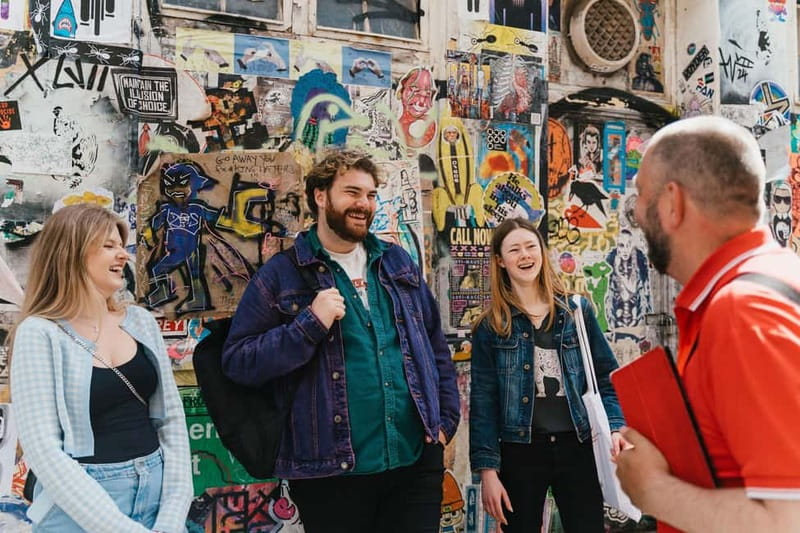
The tour runs about 2 hours total. It’s paced with short photo and guided segments, so you’re not spending all your time standing in one place. Typical stop lengths range from quick looks (like a brief plaque visit) to slightly longer wall time (like 10 minutes at several key spots).
That matters because street art photography takes effort. You’re moving, checking angles, waiting for foot traffic to clear, and sometimes getting your phone to focus correctly on something bright and crowded. A tour that’s too fast would make you miss the whole point.
Also, your guide is there to answer questions and keep the story straight. In guide feedback tied to this type of tour, people highlight how guides make sure you have the time you need for photos and explanations. Names that show up include Matt and Margaret—both described as enthusiastic and engaging.
Price and value: is $49 for a street art walk worth it?
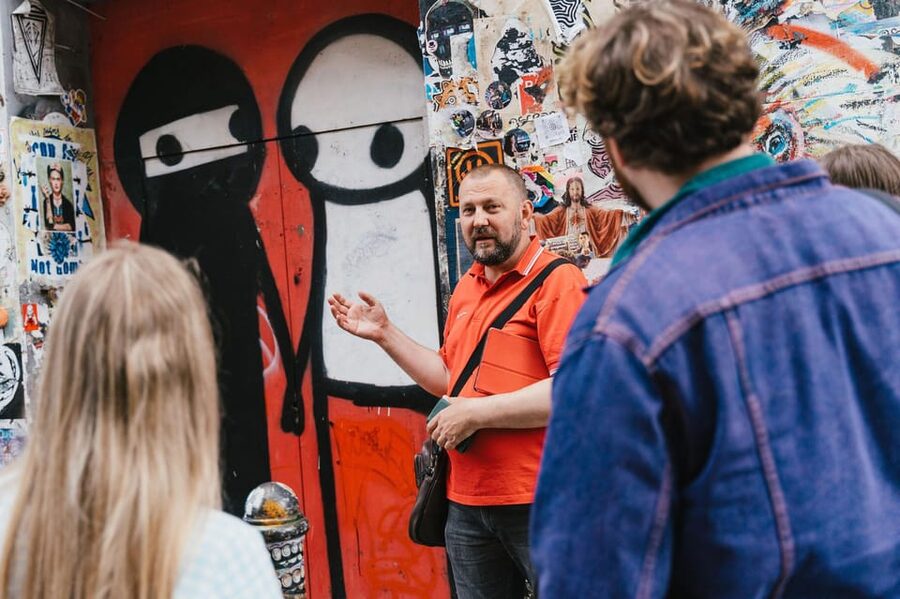
At $49 per person for around 2 hours, this is priced for a guided experience, not a self-guided scavenger hunt. That matters because street art is hard to interpret on your own. You might recognize big names, but you won’t automatically know which pieces are dedicated to community groups, which ones were repainted after defacement, or why certain work sits exactly where it does.
In other words, you’re paying for:
- a route that hits the strongest visual and story points
- a guide who can explain what you’re looking at
- time allocated for photos and viewpoints
- the added twist of making your own street art
If you want the East End as a quick hit and you value guidance, the price makes sense. If you mostly want to wander and hunt murals alone, you could do it cheaper on your own. But the tour’s structure is what makes it efficient.
One practical note: the tour runs rain or shine, so pack for British weather and expect wet pavement. Also, the finish point can shift because the art changes, so plan transit with a little patience.
Who should book this East End graffiti tour?
This is a strong match if:
- you want to see iconic street art without spending all day researching
- you like photos, but you also want meaning behind the image
- you enjoy walking neighborhoods like Spitalfields, Shoreditch, and Brick Lane
- you’re okay with the East End being busy, layered, and ever-changing
It’s less ideal if you hate walking, dislike street scenes with crowds, or need a perfectly fixed end time and exact end location for tight logistics.
Should you book it?
I’d book this if you want a guided walk that balances famous works, neighborhood context, and practical photo time. For $49, you’re not just buying a route—you’re buying interpretation and direction, plus the chance to make your own street art moment.
The best reason to go is simple: street art looks better when someone teaches you how to look. And East London gives you plenty to discover when you stop treating it like a checklist.
If you’d like, tell me your travel dates and whether you prefer quieter lanes or maximum-famous murals, and I’ll suggest what to pair this with nearby (food stops around Spitalfields and Shoreditch are easy to match).
FAQ
Where does the tour start?
The guide meets directly outside Whitechapel Gallery at 80 Whitechapel High Street.
How long is the London East End Instagrammable Street Art & Graffiti Tour?
The tour lasts about 2 hours.
What language is the tour guide?
The live tour guide speaks English.
Does the tour run in bad weather?
Yes. Tours run rain or shine.
Where does the tour end?
The tour ends back at Liverpool Street Station (Stop G). The exact finish point can change depending on the ever-changing art in the area.
Is the tour wheelchair accessible?
Yes, the tour is wheelchair accessible.
What is included in the experience?
Street art, Instagrammable photo opportunities, a guided history of London’s East End, and time for street art viewing across areas including Spitalfields and Shoreditch.