REVIEW · LONDON
The Original London Street Art Tour (French)
Book on GetYourGuide →Run by Alternative London · Bookable on GetYourGuide
Street art has a language here. This French-language walk through East London puts street art and East End history into the same story as you move from Old Spitalfields Market toward Shoreditch and Brick Lane.
I really like how the guides (often young working artists) explain what you’re looking at with passion and humour, not a stuffy lecture. And in just about 1.5 hours, you get street art references to 40+ acclaimed artists, including Banksy, ROA, Invader, Shepherd Fairy, and Eine. One watch-out: it’s short, so if you want to pause for a long time in front of each wall, the pace can feel a bit tight.
In This Review
- Key things I’d highlight before you go
- East London street art works best on foot
- Meeting at Old Spitalfields Market and finding the white-goat statue
- Spitalfields streets: tags, techniques, and East End clues
- Brick Lane: the route that compresses a huge street-art map
- Shoreditch and the big names: Banksy, ROA, Invader, Shepherd Fairy, Eine
- Guides make or break street art tours, and this one leans strong
- Getting the most out of 90 minutes: pace, photos, and what to notice
- Price and value: $26 for a guided street-art education
- Who this tour suits best (and who might want a different plan)
- Should you book the French Original London Street Art Tour?
- FAQ
- Where does the tour meet?
- What language is the tour?
- How long is the tour?
- How much does it cost?
- What areas of London does the tour cover?
- How much street art will I see?
- Which artists are discussed during the tour?
- Is the tour wheelchair accessible?
- Is there a live guide?
- What’s the cancellation policy?
Key things I’d highlight before you go
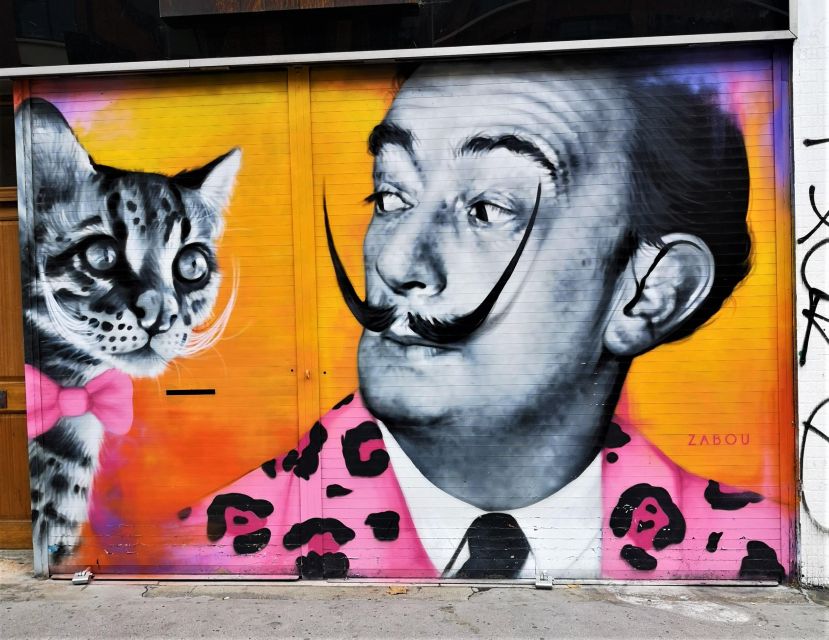
- Old Spitalfields Market start: an easy-to-find anchor outside the City of London
- East End context on the move: history tied directly to the walls you see
- 40+ artists in one loop: you’ll hear name-checks that range from Banksy to ROA
- Spitalfields → Brick Lane → Shoreditch: three areas, one connected street-art story
- Street art changes fast: the route evolves, so it stays fresh even if you return later
East London street art works best on foot
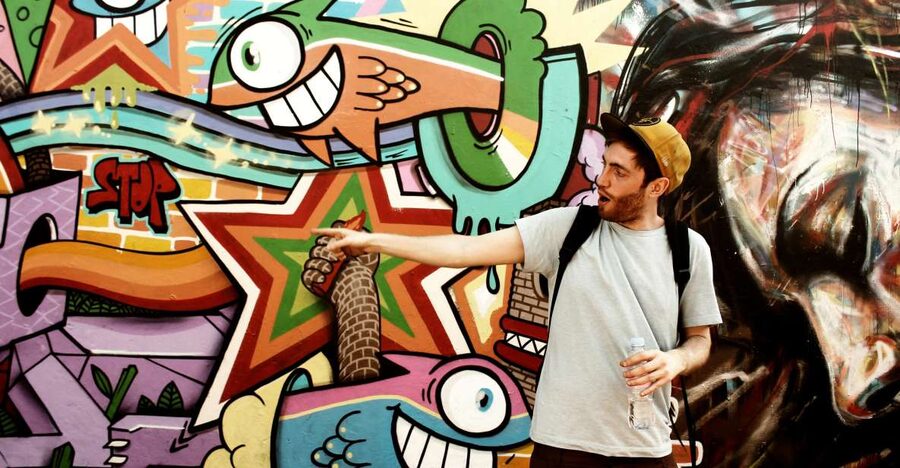
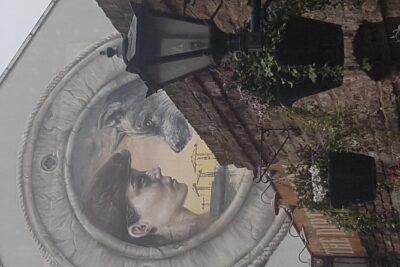
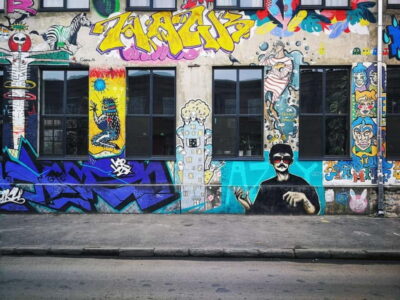
East London street art isn’t just decoration. It’s signage, commentary, identity, and sometimes a prank that got out of hand. The best way to understand it is at street level, walking the same lines where the work lives.
This tour is built around that idea. You’re not rushing through landmarks for a photo and leaving. You’re walking through streets covered in street art, learning what tags, stencils, and larger pieces are trying to do. The guide’s job is to help you read the details fast, then slow down just enough to let them sink in.
And because street art is constantly changing, your experience won’t feel like a museum script. You’ll see new layers over old ones, and you’ll hear how that affects what the tour covers over time.
You can also read our reviews of more tours and experiences in London.



Meeting at Old Spitalfields Market and finding the white-goat statue
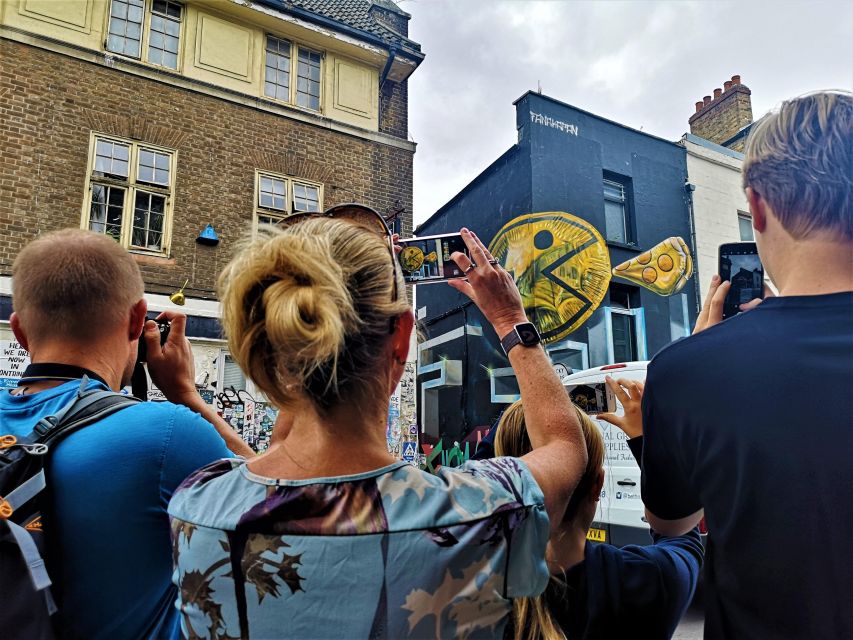
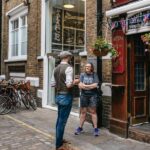
The tour starts near Old Spitalfields Market, just outside the City of London (the historic financial district). The meeting cue is specific: go to the statue with the white goat on top.
That matters more than you’d think. In London, “meet at the market” can mean a hundred corners. This kind of landmark start helps you get oriented quickly, without wandering around with your phone in hand like a confused tourist. Once you’re there, the walk begins immediately, so you get value without time wasted.
The tour is in French, with a live guide. If your French is solid enough to follow explanations at normal speaking speed, you’ll get the most out of it. If not, you’ll still see the art, but some of the story will be harder to catch.
Spitalfields streets: tags, techniques, and East End clues
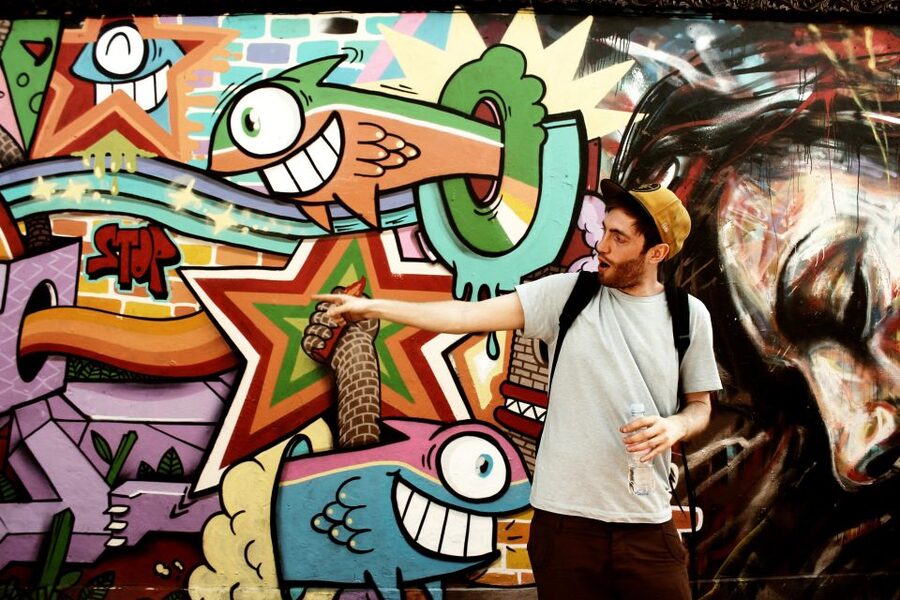
From the market area, the route heads into East End streets where street art is part of the visual grammar. The guide sets the stage with context: what made this part of London a magnet for alternative voices and creative expression.
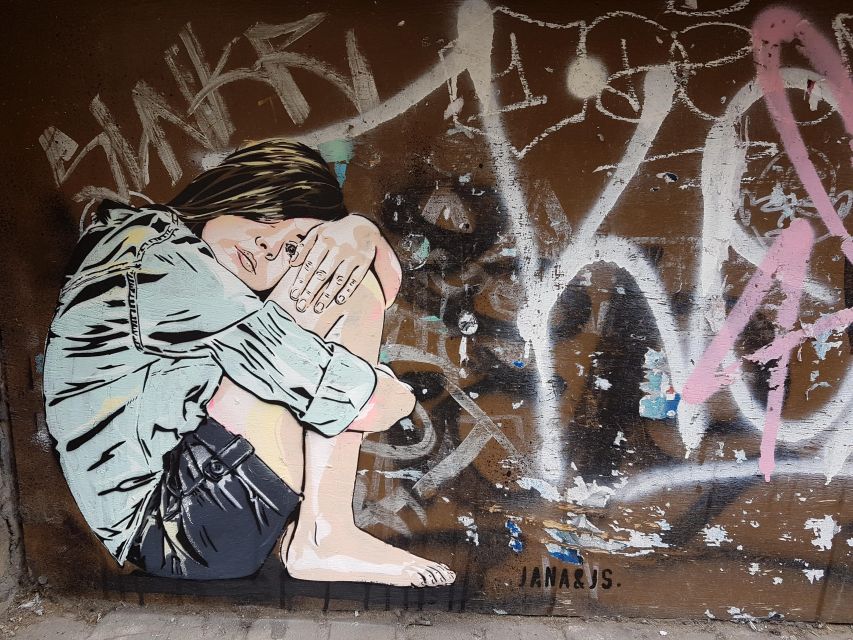
You’ll hear a lot of “how to read it” talk. For example, tags can be about presence—who’s claiming space and building a name. Bigger works can be about message and scale, or about technique and style. Even when you don’t know the artist yet, you can start recognizing patterns by how they use lettering, contrast, layering, and placement.
This is also where you get the most payoff from a good guide. The art is right there, but the meaning isn’t always obvious. Guides on this tour use clear explanations and often bring a sense of humour, which keeps the walk from feeling like a quiz. In French, that tone matters: it helps you stay with the thread, even when you’re focused on tiny details up on walls.
Brick Lane: the route that compresses a huge street-art map
Then you shift toward Brick Lane, one of the most famous names on the East London street-art circuit. The value here is the way the tour compresses a lot into a short walk. In about 1.5 hours, you move through enough streets to encounter references to dozens of artists.
It’s not just about seeing a lot of pieces. It’s about seeing the relationships between them: style influences, recurring themes, and how the neighborhood’s energy affects what gets painted and where. When your guide names artists like ROA or Invader, you’re not just collecting famous names—you’re learning what to look for so you can spot those signatures in the wild.
A practical note: street art constantly changes, and that includes tags. So you might catch a wall where parts are faded, layered, or partially covered. That can actually be a plus. It shows you that this scene isn’t frozen in time. It’s active, ongoing, and responsive.
Shoreditch and the big names: Banksy, ROA, Invader, Shepherd Fairy, Eine
Next up is Shoreditch, where the alternative arts scene feels woven into everyday life. This part of the walk is where the guide connects what you’re seeing to known figures, including:
- Banksy
- ROA
- Invader
- Shepherd Fairy
- Eine
Hearing these names is useful, but the real win is what comes with them: the guide helps you understand why these artists matter to the local culture and how their styles show up in the wider street-art world. In other words, you’re not sightseeing in name-only mode. You’re learning the visual cues behind the reputation.
This is also the stage where the neighbourhood feel starts to matter. Shoreditch is a zone where street art isn’t kept behind museum glass. People walk by, notice, ignore, comment, photograph, and move on. That friction between the planned and the spontaneous is part of the experience.





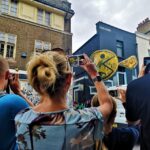
Guides make or break street art tours, and this one leans strong
What consistently stands out is the way the guides teach. The overall feedback points to two strengths: clear explanations and a guide who keeps things lively.
One guide called out by name is Laura. Her approach is described as passionate and funny, with details about street art delivered in a way that’s easy to follow. Another guide, Gabriel, is praised for being very interesting, with clear explanations and strong context tied to history.
There’s also a helpful detail about who’s leading. Some guides are young artists, which changes the tone. It can feel more like chatting with someone who understands the scene from inside, not reading off a slide deck. If you’re new to street art, that style can be exactly what you need. It keeps the learning curve from feeling steep.
And yes, the tour can work well with kids. One comment notes children enjoyed it, which usually means the guide’s delivery is engaging enough to hold attention without requiring deep prior knowledge.
Getting the most out of 90 minutes: pace, photos, and what to notice
Let’s talk strategy, because the tour is short. You’re moving through three areas and covering lots of visual material. Here’s how to make it land.
1) Look in layers.
Don’t only stare at the biggest wall piece. Glance at the edges, the stickers, the smaller tags, and the transitions between old and new. Street art often tells its story through accumulation.
2) Use the guide as your filter.
When the guide points something out, that’s your cue to stop and really study it for 30 seconds. If you try to understand everything on your own at once, you’ll miss the story thread the guide is building.
3) Photos are fine, but don’t speed-run it.
You’ll want pictures. Just give yourself a quick moment to absorb what’s special before you shoot. Some works are in places you might not notice if you only frame for a photo.
4) Expect changing walls.
Because street art changes, the tour evolves regularly. Even if you’ve seen East London street art online, the version you see on the day might differ.
If you’re the type who loves street art, you’ll likely want more time. If you’re the type who likes learning quickly without spending half a day wandering, the length is a sweet spot.
Price and value: $26 for a guided street-art education
At $26 per person, this is priced like a solid guided walking experience, not a premium private tour. The value comes from three things:
First, you’re paying for interpretation. Street art is visual, but meaning is uneven. A guide helps you turn what you see into something you understand.
Second, you get a lot of named material in a short window—references to 40+ acclaimed street artists plus the big identifiers like Banksy, ROA, Invader, Shepherd Fairy, and Eine. Even if you don’t know them all, the guide can give you enough to connect style to reputation.
Third, you’re walking an efficient route through Spitalfields, Brick Lane, and Shoreditch. That matters because London geography can eat your time. This tour keeps you moving through the right cluster of neighborhoods instead of zigzagging.
The only real drawback tied to value is the duration. If you want a slow, artsy crawl with long stops, you might feel you could use another hour. But that’s the trade for packing in so much in one go.
Who this tour suits best (and who might want a different plan)
This tour is a great fit if you want street art with context. You’ll enjoy it most if you like learning how the city’s art scene works, not just collecting photos.
It’s also a strong choice if you like walking routes that have direction and purpose. The combination of Old Spitalfields Market as a meeting anchor and a route toward Brick Lane and Shoreditch keeps the experience from feeling random.
You might want to rethink if:
- You only speak English and would struggle following a French-language explanation.
- You prefer long, slow museum-style viewing and want extended time at each wall.
- You already know street art deeply and want a more specialized approach (this one is broad and fast by design).
Should you book the French Original London Street Art Tour?
If you’re curious about East London street art and you want a guide to help you read it fast, I’d say book it. The best part isn’t just the art on the walls. It’s the way you’re taught to notice what matters—tags, styles, and the links to major names—while walking a smart route through Spitalfields, Brick Lane, and Shoreditch.
Choose it especially if you want something focused, energetic, and clear in French. And if you’re someone who hates wasting time, the tight timeline is a bonus, not a flaw.
FAQ
Where does the tour meet?
It meets at the statue with the white goat on top, at the Old Spitalfields Market area.
What language is the tour?
The live tour guide speaks French.
How long is the tour?
The duration is listed as 1.5 hours, and the walk is described as around a 2-hour walking tour.
How much does it cost?
The price is $26 per person.
What areas of London does the tour cover?
You’ll walk through East London sights connected to Spitalfields, Brick Lane, and Shoreditch.
How much street art will I see?
The tour highlights street art and tags in the area, with references to more than 40 acclaimed street artists.
Which artists are discussed during the tour?
The tour explains urban art connected to Banksy, ROA, Invader, Shepherd Fairy, and Eine.
Is the tour wheelchair accessible?
Yes, it is listed as wheelchair accessible.
Is there a live guide?
Yes. This is a live guided walking tour.
What’s the cancellation policy?
Free cancellation is offered up to 24 hours in advance for a full refund.