REVIEW · MEXICO CITY
Mexico City; ART NACO : Murals & Street Art Bike Tour
Book on Viator →Run by Poray · Bookable on Viator
Murals on bikes beat museum hopping. ART NACO: Murals & Street Art Bike Tour pairs Mexico City neighborhood cycling with real mural context, from the Antique Toy Museum to massive wall paintings tied to the Diego Rivera legacy. It’s built to show you where art lives in daily life, not just on postcard corners.
I like how the tour stays small (max 10) and keeps things moving with extra staff on the street. I also like the food setup: you get street food snacks during the ride, with options for different diets, so you’re not just watching murals while everyone else snacks.
One thing to consider: bike condition can vary. One recent rider flagged weak brakes and jumpy shifting on the bikes they were first given, so do a quick safety check before you roll, even if the guides are focused on keeping you safe in traffic.
In This Review
- Key Takeaways Before You Ride
- Why Ride Mexico City’s Murals Instead of Walking the Usual Stops
- Meeting on Av. Paseo de la Reforma and Getting Rolling Fast
- Stop 1: Guerrero, Lagunilla, and the Antique Toy Museum Roots
- Pushkin Garden Break and Rome Chic: A Short Reset Before the Big Walls
- Juárez and Cuauhtémoc: Large Murals, Alameda Techniques, and the Diego Rivera Thread
- Two Routes (North or South): How I’d Choose What You’ll See
- Street Food Snacks: Tacos, Tlacoyos, Chilaquiles, and Diet Options
- Price and Value: What $60.56 Actually Buys You
- Safety on Busy Streets: Staff, Crossings, and Keeping the Ride Calm
- Who This Bike Tour Fits Best (and Who Might Want Something Else)
- Quick Tips So You Get the Best Version of This Tour
- Should You Book ART NACO for Your Mexico City Trip?
- FAQ
- How long is the Mexico City Murals & Street Art Bike Tour?
- Where does the tour meet, and does it end there too?
- What’s included in the price?
- Is the admission ticket free?
- What language is the tour offered in?
- Do they offer hotel pickup and drop-off?
- How big is the group?
- Are there food options for different diets?
- Is it suitable for children?
- What if I need to cancel?
Key Takeaways Before You Ride
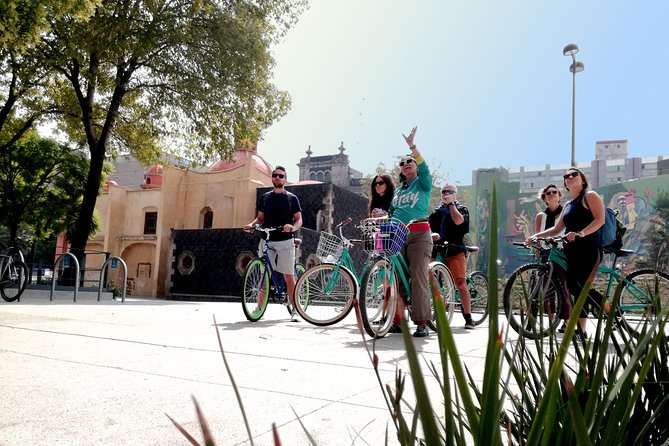
- Max 10 people keeps the ride personal and easier to manage on busy streets
- Bike rental and fitted bikes mean you don’t have to hunt down gear before starting
- Antique Toy Museum and the first 2011 street art festival give the art a clear origin story
- Pushkin Garden break and Rome Chic adds a breather before the biggest mural stretch
- Two route options (north or south) let you choose more history-focused lanes or more mural density
- Street food snacks (tacos, tlacoyos, chilaquiles, gorditas, and more) with diet accommodations
Why Ride Mexico City’s Murals Instead of Walking the Usual Stops
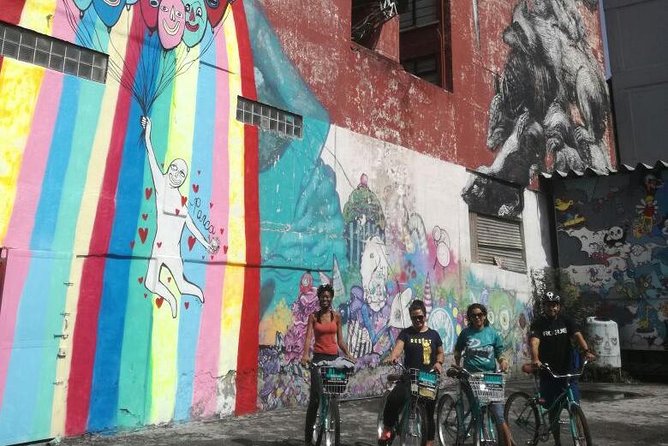
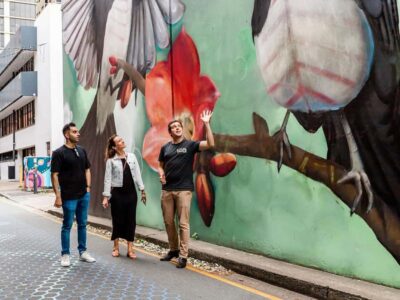
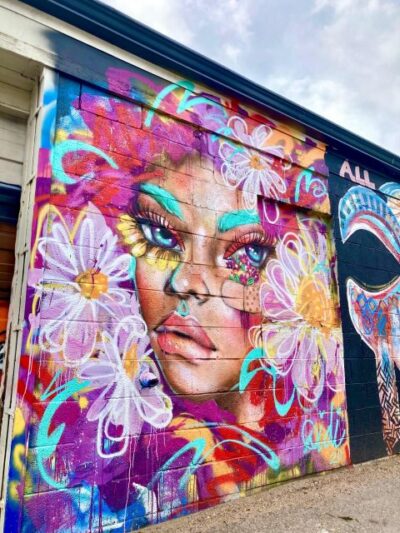
Mexico City street art isn’t confined to a tidy list of “must-see” walls. It’s woven into neighborhoods—on corners, over old buildings, and beside everyday businesses. This bike tour is a smart way to see that without spending half your day in slow walking lines and repeated sightseeing detours.
You also get a different rhythm. Cycling lets you connect murals across blocks, so each stop builds on the last. And because the tour includes food breaks and a planned route, you’re not trying to figure out where to eat while you’re hunting for the next painting.
What makes this especially appealing is the balance. You’re not just riding from one Instagram wall to the next—you’re getting the why behind the art, including how the street art festival started at the Antique Toy Museum in 2011 and how that energy carried forward into local cultural life.
You can also read our reviews of more tours and experiences in Mexico City.
Meeting on Av. Paseo de la Reforma and Getting Rolling Fast
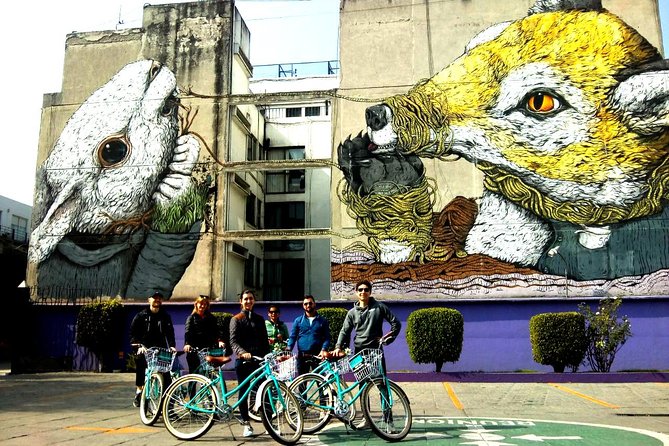
The tour starts at Av. P.º de la Reforma 24-1, Colonia Centro, Cuauhtémoc. It’s in an area where you’ll likely have decent access to public transportation, and the good part is that the ride ends right back at the meeting point.
What matters for your day: you’re starting at 10:00 am and the tour is about 3 hours. That’s a great length for Mexico City, where “one more stop” can turn into a time sink fast. If you want murals plus food without losing your whole morning, this fits well.
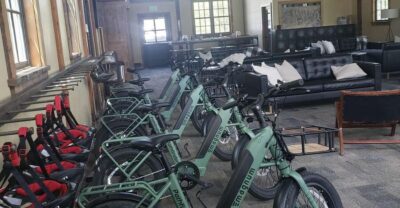
Before you set off, plan to get your bike sorted quickly. The tour provides a bicycle fitted to you, which helps for comfort and control. And since one rider mentioned bikes weren’t perfect on their first try, I’d treat it like this: once you’re handed your bike, do a fast check of brakes and gears, then listen for any unusual shifting before you enter traffic.
Stop 1: Guerrero, Lagunilla, and the Antique Toy Museum Roots
The tour opens by heading through Colonia Guerrero and Colonia Lagunilla, including the non-tourist center that most visitors don’t naturally walk into. This is where street art feels less curated and more “belonging to the street.”
One anchor stop is the Antique Toy Museum, tied to the story of the first street art festival in 2011. That date matters because it explains that murals here aren’t random decoration. They come from a continuing community effort—designed to preserve the art spirit and support new creative plays and projects over time.
Expect context more than trivia. The guides explain what you’re looking at and why those works matter in their neighborhood setting. In guides’ footsteps—people like Alberto, Iván, and Gaby have led groups—there’s a common thread: they connect mural art to everyday space, not just famous artists on the side of a building.
A small practical note: museum stops and mural talks can mean a bit of stopping and standing. If you’re sensitive to sun or wind, bring protection. This is street-level Mexico City.
Pushkin Garden Break and Rome Chic: A Short Reset Before the Big Walls
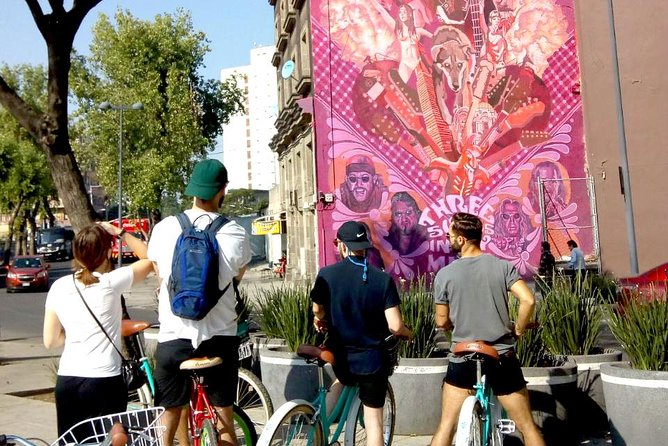
After the early neighborhood stretch, the tour takes a break in Pushkin Garden. This is not just downtime; it’s a way to reset your pacing before the route shifts toward larger mural zones.
You’ll also get to know Rome Chic during this break. The key point for you is that the tour spaces out the heavy mural content. You’re not bouncing from wall to wall the whole time, which keeps the experience from feeling like visual overload.
I like this mid-tour structure because it matches how you remember a city day best. You absorb a few murals, pause, then come back ready for the bigger impressions later. It also gives your legs a moment to recover if you’re not used to riding in city traffic.
Juárez and Cuauhtémoc: Large Murals, Alameda Techniques, and the Diego Rivera Thread
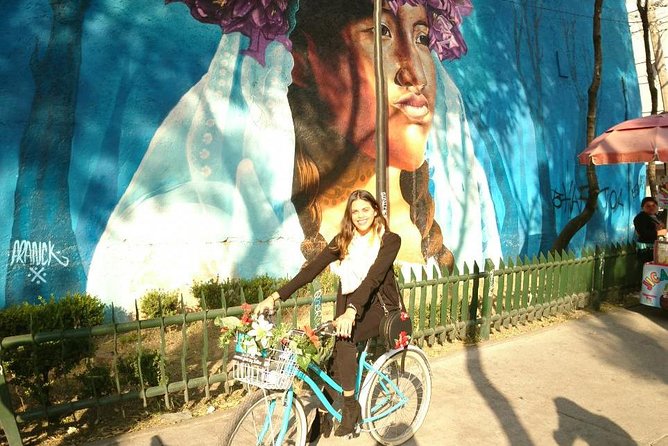
After the Pushkin Garden pause, the route crosses into Juárez and Cuauhtémoc neighborhoods. This is where you’ll see some of the largest murals, and where the tour leans harder into the idea that street art is part of Mexico City’s broader visual language.
The itinerary points you toward murals painted in various Alameda techniques, with the Diego Rivera mural referenced as a major touchstone. Even if you’re not a mural specialist, that connection helps. You start recognizing murals as a whole system—style, scale, political expression, and public storytelling—rather than isolated pieces of street decoration.
Also, the tour offers two route choices: north or south. If you’re choosing based on interests, the most useful way to think about it is this: pick the direction that best matches the kind of context you want most that day—more general city history versus more mural-driven blocks.

Two Routes (North or South): How I’d Choose What You’ll See
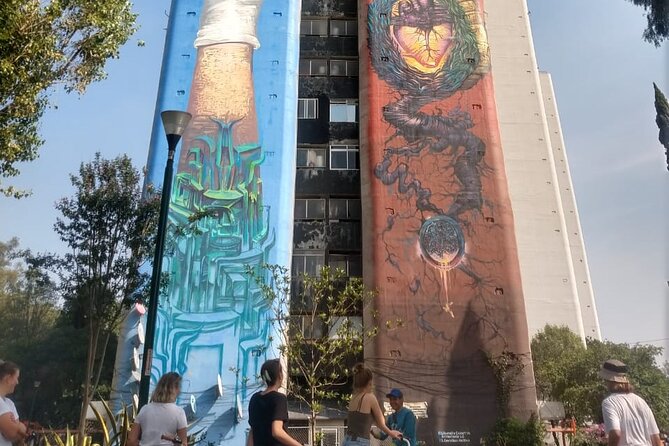
The tour gives you two routes to choose from (north or south). You’ll often see this kind of flexibility on neighborhood tours because it helps match weather, group energy, and mural density.
If you want a clearer historical thread across Mexico City neighborhoods, you might prefer the route that’s framed more toward city history. If your goal is maximum mural impact in a shorter ride, the other direction may feel more directly mural-heavy.
One practical tip: decide early. If you wait until the last minute, you can lose the ability to choose the route that best fits your priorities. And since this is a small-group tour, the route difference can genuinely affect what you experience in the time you have.
Street Food Snacks: Tacos, Tlacoyos, Chilaquiles, and Diet Options
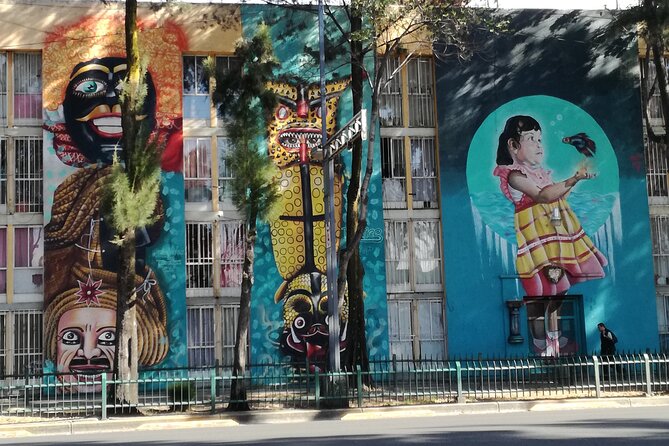
This tour includes street food snacks, with plenty of variety listed: tacos, quekas, tlacoyos, gorditas, chilaquiles, and more. What I like here is simple: you’re not just getting one bite at the end. The snack approach keeps the ride enjoyable and gives you fuel for the time on bikes.
Just as important, the tour notes options for diet restrictions. That doesn’t mean every option will be perfectly labeled, but it does mean you shouldn’t be stuck guessing your way through food chaos while your group rides.
Also, the snack choices tend to be the kind you’d otherwise have to hunt down on your own. One guide-food pairing that shows up in tour reports is maize azul tacos (that’s blue-corn tortillas). If you see that mentioned on the day, it’s worth trying—corn-based Mexican street food is one of those details that makes a trip feel real, not staged.
Price and Value: What $60.56 Actually Buys You
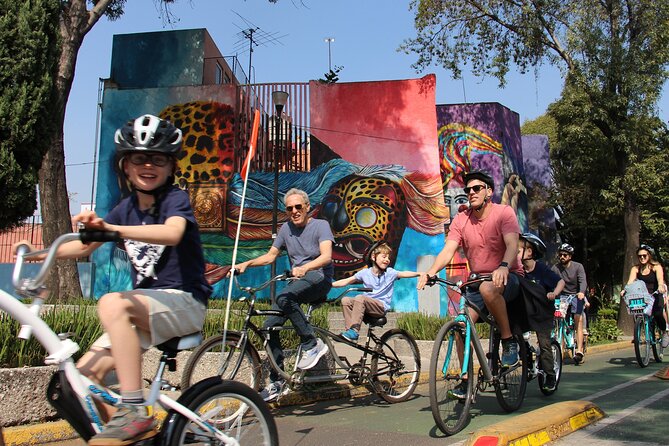
At $60.56 per person for about 3 hours, this isn’t a budget “just bikes” rental. You’re paying for a mix of guide time, bike fitting, safety support in traffic, and the street food included along the way.
Here’s the value equation I’d use:
- You get a local guide plus structured mural stops with context.
- You don’t need to rent bikes separately or line up a snack plan.
- Small group size (max 10) tends to make the ride feel smoother and easier to follow.
If you were to independently bike plus hire a guide plus pay for food, the total usually climbs fast. This tour keeps the costs bundled, so you can spend your mental energy on enjoying the art instead of managing logistics.
Safety on Busy Streets: Staff, Crossings, and Keeping the Ride Calm
Mexico City traffic can feel intense, even if you’re used to city driving. What makes this tour work is the way the ride is organized around safe crossings and controlled movement.
The tour description includes a guide and additional staff support. In practice, that often means things like helping you cross streets as a group and controlling movement while vehicles pass. Riders have specifically noted support staff and a sense of safety while biking.
What you should take seriously, though: you’ll still be on real city streets. If you’re brand-new to cycling, pick a calm mindset and let the guides set your pace. The ride is typically slow and safe in feel, since it’s designed for everyone to keep up.
Language can be a factor. The tour is offered in English, and guides may be multilingual. But based on guide reports, English skill can vary, so if you’re someone who needs tight explanations, it’s worth asking any questions you have as early as possible.
Who This Bike Tour Fits Best (and Who Might Want Something Else)
This tour is ideal if you:
- want to see street art in real neighborhoods, not only famous plazas
- like learning how art connects to local community life
- enjoy cycling at an easy pace more than speeding from spot to spot
- want food included so you don’t spend your sightseeing time scanning menus
It’s also a good family option since the tour notes children must be accompanied by an adult, and the group is kept small. If your kids are comfortable on bikes, the pacing and frequent stops can make it easier.
If you’re expecting a purely “art history lecture” or a quiet, no-traffic experience, you might be happier with a walking museum-style tour instead. This is street-level Mexico City on two wheels, with crossings and active city sounds.
Quick Tips So You Get the Best Version of This Tour
- Do a bike check before you roll: brakes and shifting. (One report flagged weaker brakes and random gear shifts on a first set of bikes.)
- Wear comfortable shoes and plan for sun and dust at street level.
- Bring a question or two. Guides like Alberto, Iván, and Gaby tend to add context when you ask.
- If you’re choosing north vs south, pick based on whether you want more history framing or more mural focus.
Should You Book ART NACO for Your Mexico City Trip?
Book it if you want Mexico City street art with structure—small group, real neighborhood blocks, and mural context you can actually connect to what you see. The combination of cycling + food + stories is the big reason this tour works as a top-day activity.
I’d skip it only if you’re very worried about city riding, or if you need perfectly fluent English explanations. Otherwise, this is a strong way to spend a morning getting your bearings fast and seeing murals you’ll miss when you stick only to the obvious sights.
If you can only do one “art day,” make it this one. The ride helps you see how murals fit the city, not just how they look in photos.
FAQ
How long is the Mexico City Murals & Street Art Bike Tour?
It runs for about 3 hours.
Where does the tour meet, and does it end there too?
The meeting point is Av. P.º de la Reforma 24-1, Colonia Centro, Cuauhtémoc, 06040 Ciudad de México. The tour ends back at the meeting point.
What’s included in the price?
The tour includes a local guide, a bike fitted to you, a small-group tour (max 10), bottled water, and street food snacks.
Is the admission ticket free?
Yes, admission ticket is listed as free.
What language is the tour offered in?
The tour is offered in English, and it may be operated by a multilingual guide.
Do they offer hotel pickup and drop-off?
No, hotel pickup and drop-off are not included.
How big is the group?
The group is capped at a maximum of 10 travelers.
Are there food options for different diets?
Yes. The snack portion notes options for everyone’s delight and diet restrictions.
Is it suitable for children?
Children must be accompanied by an adult. A child rate applies only when sharing with 2 paying adults.
What if I need to cancel?
You can cancel for a full refund up to 24 hours before the experience’s start time.