REVIEW · MEXICO CITY
Iztapalapa: Cable Car Tour and Urban Art From the Heights
Book on GetYourGuide →Run by KactusMX · Bookable on GetYourGuide
Iztapalapa looks different from the cable bus. This tour uses Mexico City’s metro and the Cablebús to lift you above one of the city’s most lived-in neighborhoods, where rooftop murals and everyday streets turn into a story you can actually see. I love how it mixes big views with real neighborhood context, and I also love that the guides (Eduardo, Benjamin, Oscar, Alexia, and others) focus on getting you oriented fast, including how to ride the metro without stress. The only real caution: if you get motion sick or have vertigo, the ride from above and the transit time can be a tough combo.
The heart of the experience is looking down. From the heights you see the architecture grid, the labyrinth of blocks, and the mountains circling the area, plus murals that explain cultural identity from a completely new angle. One possible drawback is that a chunk of the tour time is spent on the metro, so if you’re hoping for maximum cable-car time, plan for a fair bit of public-transport transit.
In This Review
- Key Points Worth Your Time
- How This Tour Feels: A Neighborhood View From Above
- Meeting at Bellas Artes: Start Where Everyone Wants to Be
- The Metro Segment: Why the Transit Part Is Actually the Point
- Cablebús Time: The Long Ride That Turns City Blocks Into a View
- From Above: Murals You Can Read, Not Just Photograph
- The Park Pause: Volcano Views and a Breather From Transit
- Understanding Iztapalapa: Growth, Challenges, and Local Sounds
- The Guided Walk-Feel Without the Walking
- Tortilla Making: Small Hands-On Cultural Payoff
- Price and Value: How $24 Adds Up in Real Terms
- Who Should Book This, and Who Might Skip It
- Practical Tips So Your Day Runs Smooth
- Should You Book This Iztapalapa Cablebús and Urban Art Tour?
- FAQ
- FAQ
- Where is the meeting point?
- How long does the tour last?
- What’s included in the price?
- Do I need to pay for meals or snacks?
- Is the tour mostly walking?
- What languages is the tour available in?
- Is it safe for people with vertigo or motion sickness?
- What should I bring?
- What’s the group size?
Key Points Worth Your Time
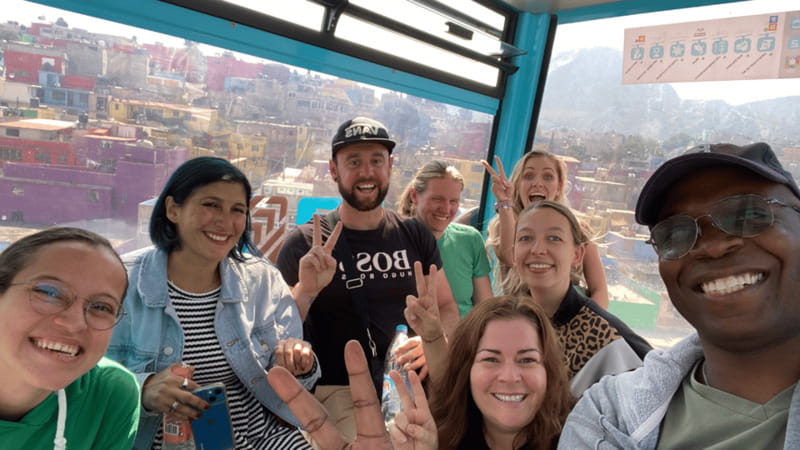
- Cablebús from the heights: The Iztapalapa line is known as the longest public transport cable bus, giving you long aerial views.
- Rooftop mural spotting: You don’t just pass art, you learn why it’s there and how it connects to community pride.
- Metro confidence built in: Guides like Eduardo and Benjamin are praised for making the subway feel doable on your next rides.
- Volcano-and-city park stop: You get a pause with distance views before heading back into the neighborhood.
- Food as culture, not an afterthought: Tortillas and local-market food are part of the point, not a bonus.
- Small group (up to 9): It’s built for questions and staying together, which matters on busy transit.
How This Tour Feels: A Neighborhood View From Above

This is not a museum day. It’s a practical, window-on-the-city day built around two of the most useful ways to move through Mexico City: the metro and the Cablebús.
What makes it special is the angle. From street level, Iztapalapa can feel like a maze. From the cable bus, you start seeing patterns—how neighborhoods stack, how routes connect, and how public art spreads across rooftops like a visual map of belonging.
If you like cities for what people do every day, this tour has that energy. It also avoids the usual copy-paste sightseeing loop by focusing on an area most visitors skip.
And yes, the views are a major draw: mountains in the distance, dense urban geometry, and the kind of murals you’ll want to photograph from multiple angles.
You can also read our reviews of more tours and experiences in Mexico City.

Meeting at Bellas Artes: Start Where Everyone Wants to Be
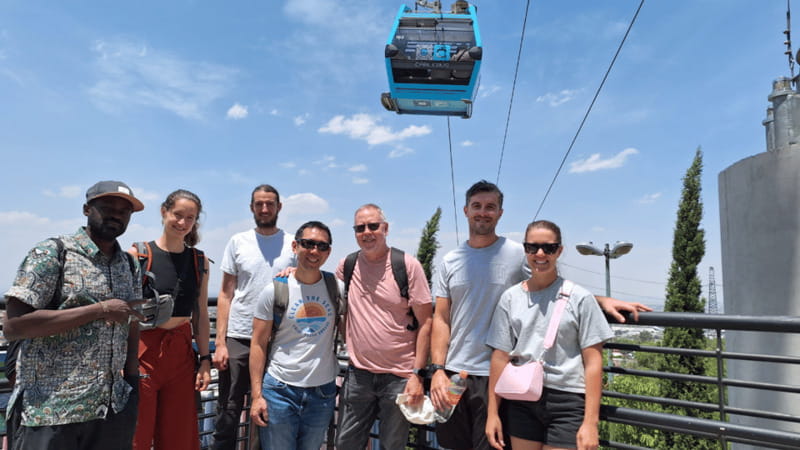
You meet at the Parisian entrance of the Bellas Artes metro station, on the left side of the palace. Your guide will be wearing a green shirt and carrying an umbrella.
This matters more than you’d think. Bellas Artes is central, busy, and easy to get flustered in. If you arrive a few minutes early, you’ll handle the crowd noise and find the guide without turning it into a minor quest.
Also, bring cash. Even though the tour includes transit and tortillas, you may want snacks along the way, and the experience encourages it.
The Metro Segment: Why the Transit Part Is Actually the Point
The tour includes metro time both ways, with about 45 minutes at the start and 40 minutes on the way back. One big reason this works is simple: it’s guided orientation in real conditions.
The guides are repeatedly praised for helping people understand how to use the metro system efficiently. If you’ve ever stood in a metro station wondering which line is which, you’ll appreciate the fact that the tour doesn’t just tell you stories—it helps you practice the system.
There is one fair consideration here. A previous participant felt the metro explanations could be shorter. So if you already feel confident with subways, you might find this portion a little longer than you expected. Still, learning the routes once beats figuring it out repeatedly during the rest of your trip.
Cablebús Time: The Long Ride That Turns City Blocks Into a View
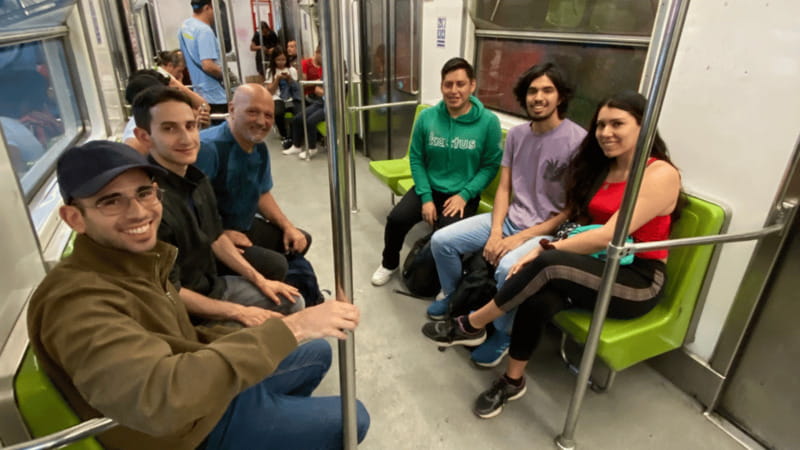
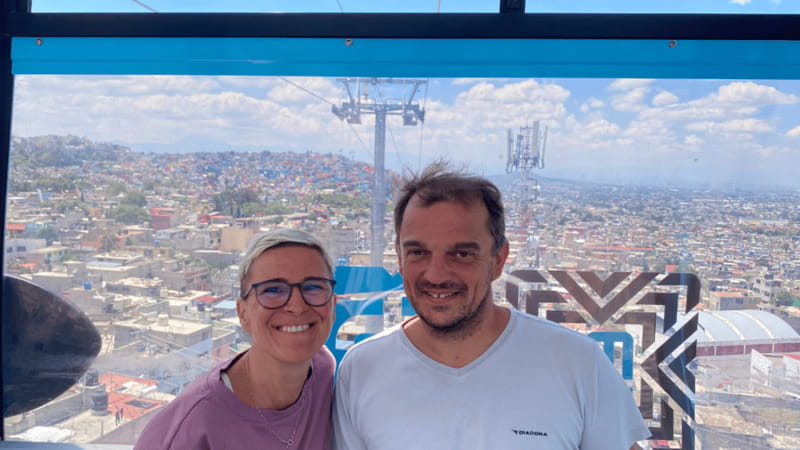
Then comes the main event: the Cablebús ride into Iztapalapa. Expect around 40 minutes during the outbound cable bus, plus about 25 minutes on the return.
The cable bus is described as modern, clean, and calm by people who’ve done this experience. The big draw is duration in the air—long enough to spot neighborhoods, not just a quick thrill. You’ll see architecture, tight street patterns, and the mountains surrounding the area.
This is also where motion sickness prevention becomes more than a checkbox. If you’re prone to nausea, the vehicle plus height effects can be an issue. The tour explicitly recommends motion sickness prevention, and it’s not ideal for people with vertigo or who are easily affected by motion.
But if you’re okay with transit movement and you like big panoramas, this is the “only in Mexico City” feeling you came for.
From Above: Murals You Can Read, Not Just Photograph
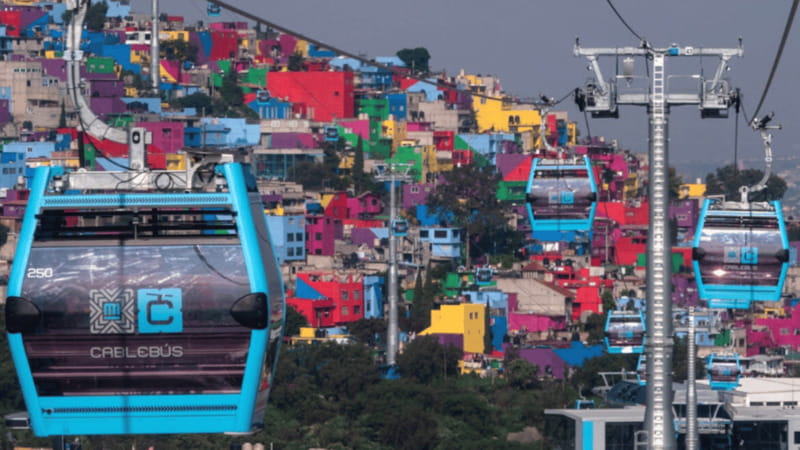
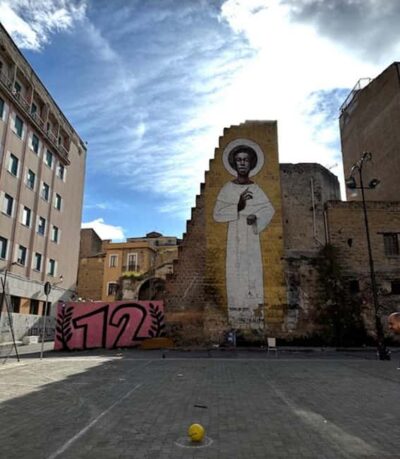
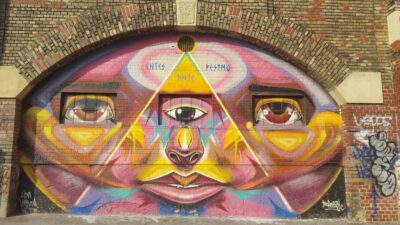
One of the most praised parts is the mural component—especially the murals you can spot from rooftops while you’re moving.
From the heights, murals become easier to understand in context: you notice placement, scale, and how they relate to the surrounding neighborhood blocks. The guide also ties the art to local cultural significance, so you’re not left guessing what you’re seeing.
I love this approach because it makes photography better. Instead of shooting first and researching later, you get guided visual interpretation while the art is right there.
If your interest includes community art, urban storytelling, or how public spaces reflect identity, this portion is likely to be one of your best memories from the city.

The Park Pause: Volcano Views and a Breather From Transit
After the cable bus, you visit a local park where you can see volcanoes and the city in the distance. The goal is simple: a moment of open-air perspective before you return to the transit flow.
It’s also a smart pacing move. You go from aerial viewing to a slower, scenic stop where you can regroup and take in scale. Even if the city feels dense everywhere, volcano views help you remember Mexico City sits in a bigger natural system.
This stop is guided as well, with time to connect the visuals to the area’s story.
Understanding Iztapalapa: Growth, Challenges, and Local Sounds
This tour doesn’t treat Iztapalapa like a backdrop. It includes a guided overview of the neighborhood’s history—how it grew and how it faced challenges over time.
Just as important, the guide connects that story to sound. You’ll learn about representative music rhythms tied to the area, including cumbia, sonidero, and urban rock.
That combination—visual art plus audio culture—is what makes the day feel coherent. You start seeing the neighborhood as something alive and organized, not just a place you passed through on your way to somewhere else.
If you’re the type of traveler who likes learning how communities shape culture, this part will land well.
The Guided Walk-Feel Without the Walking
Despite being called a cable car tour, it’s not a heavy walking plan. The experience is designed so you’re mostly in transport: metro plus cable bus, with only short guided segments on the ground.
You’ll have a guided tour segment (about 20 minutes), a photo stop (about 15 minutes), and scenic views on the way (about 30 minutes). That structure makes it easier if you don’t want your day to be a leg workout, or if you’d rather spend energy on seeing than on marching.
If you hate wasted time and long walking routes, you’ll probably like the format. Just keep an eye on the clothing rules, because that’s one area where you’ll need to prep.
Tortilla Making: Small Hands-On Cultural Payoff
At the end, you can join a tortilla-making activity, which is a standout because it ties food to everyday life, not just a dining stop.
Mexican tortillas are a core food, and the tour treats them as cultural knowledge. You’ll get a real hands-on moment, which tends to make the day feel more personal than watching or listening only.
This also helps explain why the included food matters. It’s part of the neighborhood story—like the murals and music—told through daily routine.
Price and Value: How $24 Adds Up in Real Terms
At $24 per person for about 4 hours, the value comes from the mix. You’re paying for guided orientation plus paid transit (metro and cable bus) plus the included tortilla experience and educational materials.
If you were to recreate it on your own, the cost would add up fast once you include transit confusion time, plus the expense and uncertainty of finding the right places to see murals with context.
One more value point: the group size is capped at 9 participants, so you’re not stuck in a giant herd. People consistently mention guides keeping the group together and answering questions, and that’s a big quality-of-day factor.
You’ll still want extra spending for snacks if you like to eat while you explore. Gorditas are listed as an extra item (about 15 pesos), and food is not fully included beyond the tortillas and what the guide sets up during the experience.
Who Should Book This, and Who Might Skip It
This is ideal if you want:
- a non-touristy neighborhood perspective on Mexico City
- an easier day if walking a lot isn’t your thing
- a way to learn transit basics and feel more confident afterward
- community art and urban culture through a real local lens
It may not be ideal if you:
- have vertigo, strong motion sickness, or breathing issues
- deal with altitude sickness risk
- need wheelchair access via scooters (mobility scooters aren’t allowed on the tour)
Also, pay attention to the clothing rules. The tour discourages shorts, skirts, sandals or flip-flops, and it specifically mentions you should avoid sunglasses and certain accessories. It’s not about style—it’s about comfort and fitting in for transit and local stops.
Practical Tips So Your Day Runs Smooth
- Wear comfortable shoes you can stand and move in. The tour isn’t long-walk heavy, but transit stations and photo stops add up.
- Use motion sickness prevention if you’re even slightly unsure. The cable bus ride is high enough to trigger nausea for some people.
- Bring cash for typical snacks at local stops.
- Leave a WhatsApp contact with area code for quick coordination if the operator requests it.
- Keep your bags light. Oversize luggage and large bags are not allowed.
And if you’re a perfectionist about meeting points: you’ll be glad you arrived early. People have suggested the meetup could be easier to spot, so trust the green-shirt umbrella cue and give yourself buffer time.
Should You Book This Iztapalapa Cablebús and Urban Art Tour?
Yes, I think you should book it if you want a real sense of how Mexico City functions outside the classic postcard routes. The Cablebús view does something rare: it turns a lived-in neighborhood into a readable picture, complete with murals, cultural context, and a clear sense of place.
I’d book it especially if you’re on a first visit and want transit confidence. Guides like Eduardo and Benjamin have a strong reputation for helping you navigate the metro without fear, and that benefit tends to last long after the tour ends.
Skip it if height or motion is a problem for you, or if you’re chasing a purely sightseeing day with minimal transit time. This tour is half views, half transportation education.
If that trade-off sounds fair, you’re in for one of the most distinctive perspectives you can get in Mexico City—looking down at Iztapalapa and understanding it at street level afterward.
FAQ
FAQ
Where is the meeting point?
Meet at the Parisian entrance of the Bellas Artes subway station, on the left side of the palace. The guide will have a green shirt and an umbrella.
How long does the tour last?
The tour lasts about 4 hours.
What’s included in the price?
The tour includes a public transport card, the cable car and metro rides, tortillas, an expert guide, and educational resources.
Do I need to pay for meals or snacks?
Meals and drinks are not included. The tour recommends bringing cash for typical snacks.
Is the tour mostly walking?
No. It’s designed to be a tour without walking in the traditional sense, with most time spent on metro and cable car plus short guided and photo segments.
What languages is the tour available in?
The live guide is available in English and Spanish.
Is it safe for people with vertigo or motion sickness?
It is not suitable for people with vertigo or altitude sickness, and it recommends motion sickness prevention. People prone to seasickness or motion sickness may want to avoid it.
What should I bring?
Bring comfortable shoes and cash. The tour also recommends motion sickness prevention. You should also prepare to follow the clothing guidance (discreet clothing).
What’s the group size?
It’s a small group limited to 9 participants.