Street art in Lavapiés hits different. This 2-hour walk takes you through Madrid’s most art-minded streets, guided by an art pro, with a small group pace that feels more like a friend showing you around than a scripted sightseeing loop. You’ll hunt for the famous walls and the off-menu details, then cap it with time at a local gallery in the neighborhood.
I really liked two things: first, the way the tour balances big murals with smaller, easy-to-miss touches, so you leave with new eyes. Second, the guide approach is hands-on and story-based—Roberto, for example, has a knack for explaining the artwork and the area like you’re getting context, not just captions.
One consideration: because it ends at a gallery, you might fall for a piece and that’s extra, since anything you buy isn’t included. And with only 2 hours, you’ll see highlights rather than every wall in Lavapiés.
In This Review
- Key things I’d watch for on this tour
- Walking Lavapiés with an artist guide
- From Portomarín to Calle de Argumosa: the tour’s street-level start
- Passing Reina Sofía without losing the street-art focus
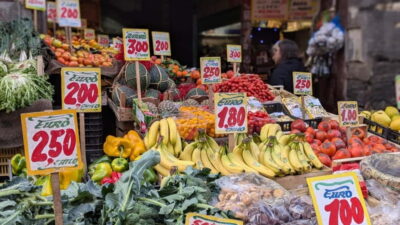
- Mercado Antón Martín: art, people, and real neighborhood rhythm
- Lola Gil’s ceramic trampantojo: practicing the art of looking twice
- Calle de Embajadores: style spotting and cultural clues
- The local gallery stop: meeting people behind the walls
- What you’ll learn in just 2 hours (and how to use it)
- Price and value: is $33 worth your time?
- Who should book this tour?
- Should you book the Madrid Hidden Street Art Tour?
- FAQ
- Where is the meeting point for the Madrid Street Art tour?
- How long is the tour?
- How much does the tour cost?
- What neighborhood does the tour focus on?
- What language is the tour guide?
- Is it a small group tour?
- Is the tour wheelchair accessible?
- What is included in the price?
- What is not included?
- Is there a cancellation option?
Key things I’d watch for on this tour
- Lavapiés on foot, low-key pace with groups capped at 10
- Big internationally known murals plus smaller details you’d miss alone
- Artist or art historian guides who connect style to meaning
- Practical “how to read graffiti” skills (tags, paste-ups, urban sculpture types)
- Local gallery stop where you can meet people behind the scene
Walking Lavapiés with an artist guide
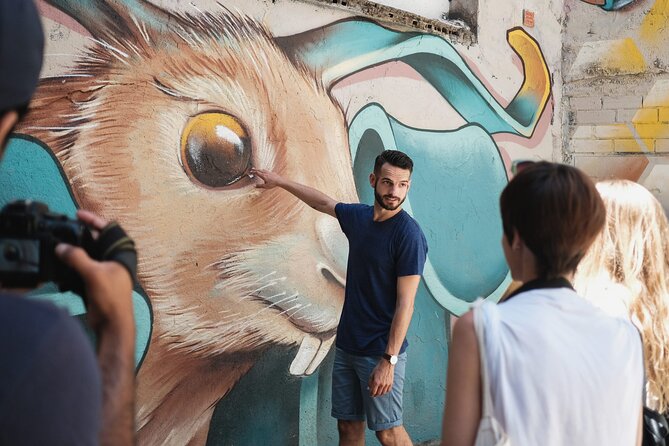
Lavapiés is the kind of Madrid neighborhood where street art doesn’t feel like an “activity.” It feels like part of the street itself—layers of styles, messages, and references that change as the city changes. This tour leans into that idea with a walk you can actually keep up with, even if you’re visiting in warmer months.
The biggest advantage here is the guide format. The guides are artists or art historians, so you’re not just hearing what something looks like—you’re learning what it’s doing and why that matters in Madrid’s culture. In reviews, Roberto gets singled out for making the walk feel friendly and personal, like you’re being shown the neighborhood by someone who genuinely cares.
And the group size helps. With a limit of 10 participants, you’re not constantly getting shoved around for photos. You also get more chances to ask questions while still keeping momentum on the route.
You can also read our reviews of more tours and experiences in Madrid.


From Portomarín to Calle de Argumosa: the tour’s street-level start
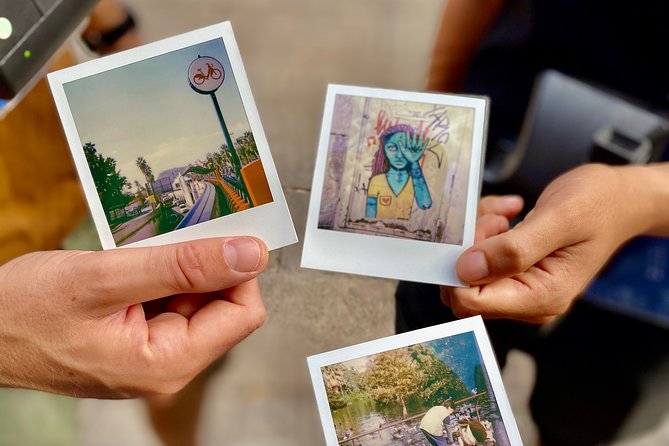
You meet in front of the Portomarin restaurant. If you’re early, it’s an easy spot to grab a coffee or a refreshment and get your bearings before you start moving. From there, the tour heads to Calle de Argumosa for an initial walk segment, which is a great way to ease in—less pressure, no rush, and you start spotting the art vocabulary right away.
This first stretch matters because street art changes how you look at a block. In a normal walk through a city, you zoom past walls. Here, you’re primed to slow down and notice details: how artists use placement, how different styles show up in different corners, and how the street itself becomes a canvas.
If you’re the type who likes “what am I actually seeing?” questions, this early part sets you up well. The guide’s explanations are meant to teach you how to read the walls as you go, not after you’ve already moved on.
Passing Reina Sofía without losing the street-art focus
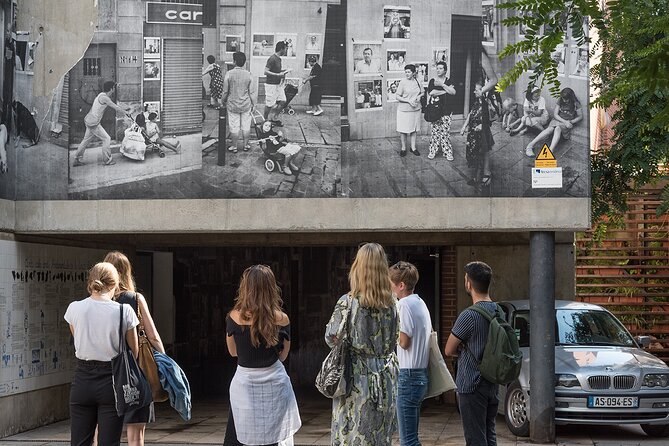
At some point you’ll pass by the Museo Nacional Centro de Arte Reina Sofía. The important detail is that this is a pass-by moment, not a museum visit. That’s actually good for most people: you get the context of where you are in the city’s art ecosystem without spending your limited time inside.
Think of it like a mental bridge. You’re in a neighborhood where street art lives alongside major art institutions. Even if you’re not going into the museum, it’s a reminder that Madrid treats art as something you can step into—then show up on your next street corner.
Drawback to keep in mind: if you were hoping for an inside look at Reina Sofía during your tour, the ticket value won’t cover that. But if your goal is street art and local texture, this keeps the day on-track.
Mercado Antón Martín: art, people, and real neighborhood rhythm
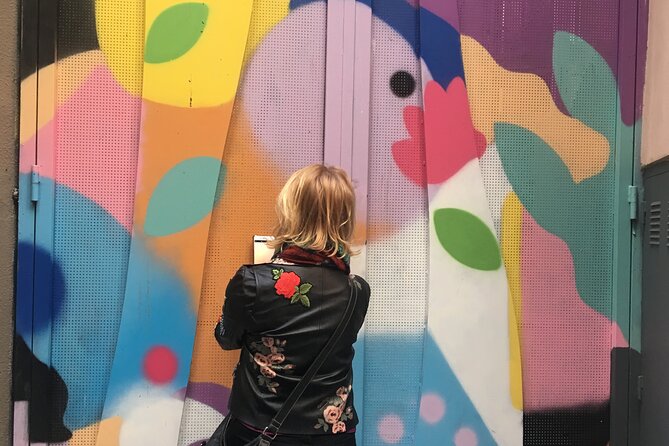
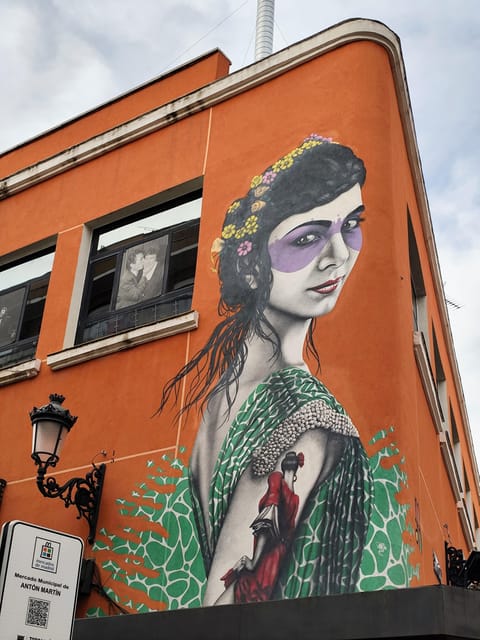
Next comes Mercado Antón Martín for a visit and sightseeing time. Even if you don’t plan a full meal stop, markets are useful on a street-art tour because they pull you away from pure wall-watching and back into everyday life.
This is where Lavapiés energy shows up in a human way. You’re moving through a more active zone, and that helps make the street art feel grounded. Art doesn’t exist in a vacuum. It’s responding to people, foot traffic, and local culture.
In reviews, the tour pacing gets praised—one traveler noted the walk timing felt right for a hot afternoon. That’s a real point here: markets and short visits help break up the walking so you’re not stuck overheating between murals.
Lola Gil’s ceramic trampantojo: practicing the art of looking twice
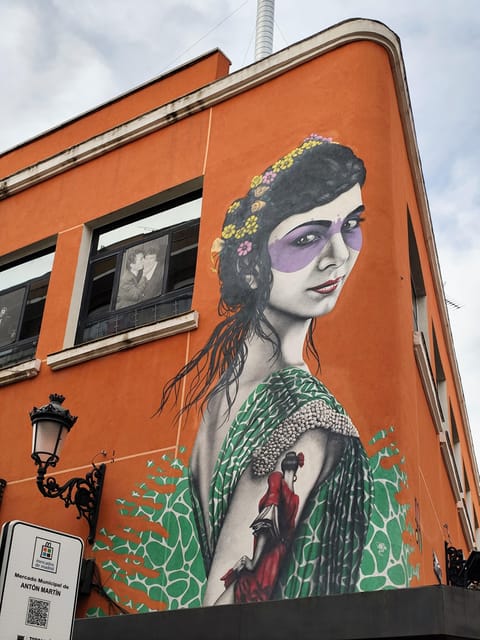
One of the stops is Trampantojo cerámico de Lola Gil. You’ll visit this specific piece, which is exactly the kind of moment that upgrades a street-art tour from sightseeing into actual observation.
Trampantojo works because it plays with what your eyes expect. Even if you don’t know the full background ahead of time, being able to stand close and understand how the work is constructed changes how you look at nearby walls afterward. You start seeing clues: materials, composition, and the difference between what’s meant to be noticed quickly and what rewards a slower glance.
This is also where the tour’s “hidden message” approach starts to click. The guide explanations are meant to help you decode details you’d otherwise treat as random decoration.
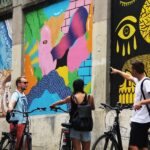
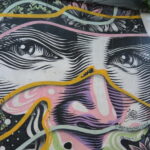
Calle de Embajadores: style spotting and cultural clues
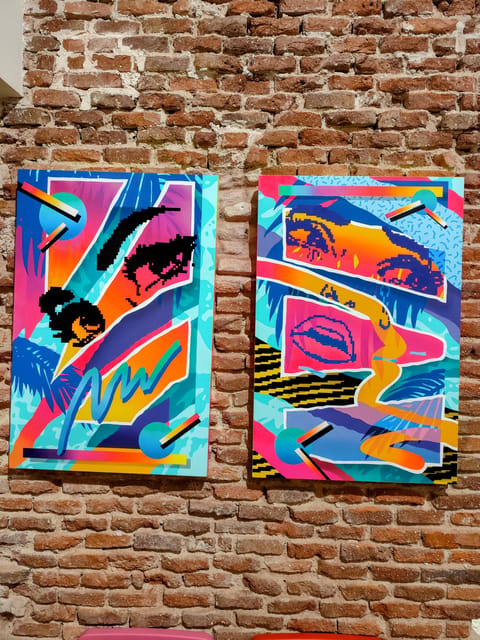
Calle de Embajadores is another major visit and sightseeing stretch, with time to walk and look. This part is where street art begins to feel like a language instead of images on walls.
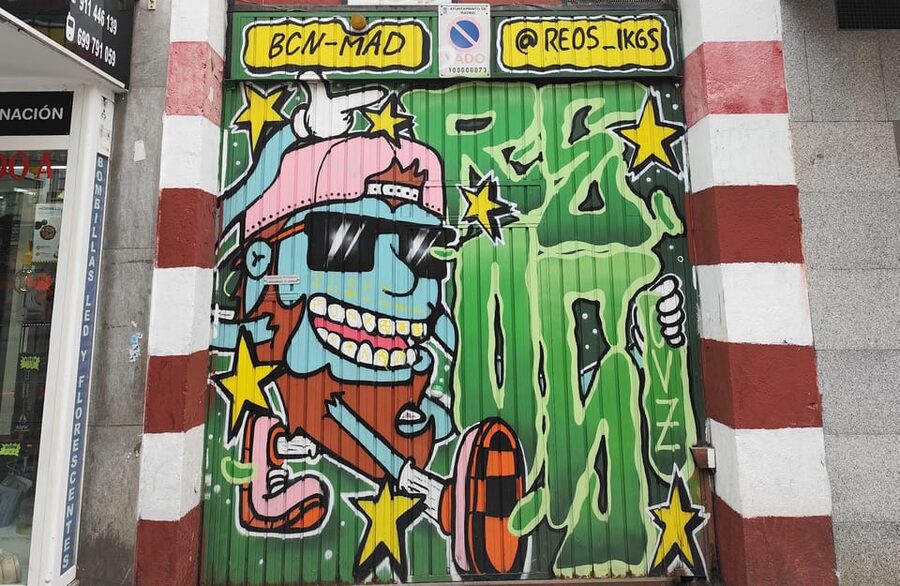
You’ll get help recognizing different forms of urban expression—tags, paste-ups, and urban sculpture types are specifically mentioned as part of what you’ll learn to identify. The practical value is huge: once you can classify what you’re seeing, you’re no longer just guessing. You can start connecting visual choices to cultural references and the meaning behind them.
This is also where the “history of the artwork and area” comes in, especially in the kind of storytelling Roberto is praised for. The best street-art guides do two things at once: they show you the work and they show you how to think about it in context.
And because the group is small, you can actually linger. You’re not stuck racing the crowd to the next photo spot.
The local gallery stop: meeting people behind the walls
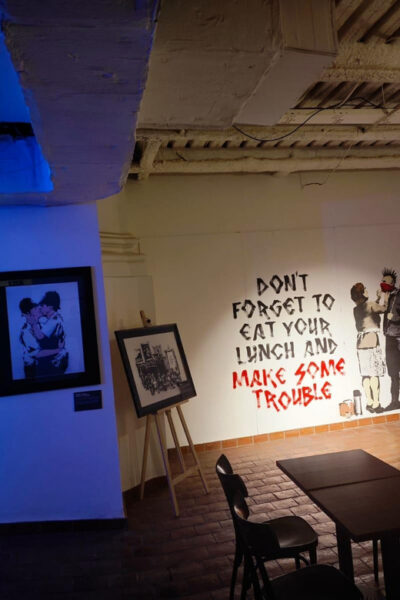
The tour ends with a local art gallery visit in Lavapiés. This matters because it completes the story. Street art is often treated like something anonymous, but this stop puts real faces and real processes into the picture.
You’ll also hear the practical side of the art ecosystem. At the gallery, you can meet local artists, and the tour helps you understand the links between what you saw on streets and what’s being created indoors. It’s a nice way to end without leaving you with only Instagram shots and no sense of the scene.
There’s one straightforward consideration: the art you might love there is not included. If you buy a piece, you’ll have to pay for it. For some people, that’s part of the fun. For others, it’s a reminder to set a budget before you sit down and fall for something.
What you’ll learn in just 2 hours (and how to use it)
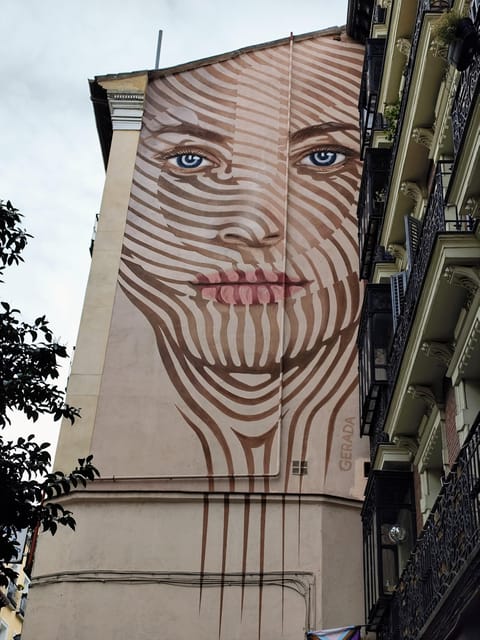
This tour isn’t only about what you see. It’s about what you learn to notice afterward. The stated goal is that you’ll leave with skills to decipher hidden messages and better understand how to recognize street-art styles—down to tags versus paste-ups and other types like urban sculpture.
For you, that means two things on the rest of your trip:
First, you’ll start spotting details even outside Lavapiés, because you’ll know what you’re looking at. Second, you’ll feel more confident when you see street art in photos online and you actually want to understand the symbolism in real life.
Also, the guide style matters. Because the guides are artists or art historians, they can explain cultural references and what certain artists’ work symbolizes in a way that’s understandable on the street—no need for a lecture hall.
If you’re traveling solo and want an easy way to make sense of a neighborhood fast, this “learn + walk” mix is a strong format.
Price and value: is $33 worth your time?
At $33 per person for 2 hours, the value comes from three places: access, explanation, and time efficiency.
Access is the simplest. Street art is everywhere, but the best pieces and the best context aren’t always obvious. The tour is set up as a planned route through Lavapiés that includes both big murals by internationally famous artists and smaller hidden pieces you likely won’t find from your phone alone.
Explanation is the real differentiator. If you’ve ever looked at a wall and felt like you were missing the point, that’s what this tour addresses. Reviews highlight the guide’s ability to share history and culture, and that’s what turns murals into understanding.
Time efficiency matters too. Two hours is long enough to feel like a real neighborhood walk, but short enough to fit into a packed Madrid schedule. You get a full arc: street hits, style learning, and then the gallery.
Who should book this tour?
This tour is a great fit if you want:
- A walk through an actual neighborhood, not just a few “must-see” murals from a list
- A small group pace with room to ask questions
- Street-art context, not only photos
It’s especially appealing if you like to learn while you travel—spotting tags, paste-ups, and other styles becomes a game instead of homework. Families and wheelchair users can also consider it, since it’s described as wheelchair accessible and designed as a guided walk rather than a tough hike.
If you’re the type who wants to spend hours chasing every single wall detail on your own, you may find 2 hours a bit tight. But if you want a smart sampler with strong guidance, that short duration is the point.
Should you book the Madrid Hidden Street Art Tour?
If you like Madrid at street level, I’d book it. The combination of big mural power, hidden details, and a guide who explains what you’re seeing makes this more than a casual walk.
I’d especially lean in if:
- You want an easier way to understand Lavapiés culture
- You care about the why behind the style
- You’d enjoy ending with a gallery visit and a chance to meet local artists
Pass on it only if you need museum time inside Reina Sofía or you’re not interested in anything that could lead to gallery purchases. Otherwise, this is a solid use of 2 hours—and for $33, the value mostly comes from leaving with skills you can use the rest of your trip.
FAQ
Where is the meeting point for the Madrid Street Art tour?
The meeting point is in front of the Portomarin restaurant.
How long is the tour?
The tour lasts 2 hours.
How much does the tour cost?
The price is $33 per person.
What neighborhood does the tour focus on?
The tour focuses on Lavapiés, known for its eclectic energy and art scene.
What language is the tour guide?
The live tour guide speaks English.
Is it a small group tour?
Yes. It’s a small group limited to 10 participants.
Is the tour wheelchair accessible?
Yes, it is listed as wheelchair accessible.
What is included in the price?
You get a planned route of the best street art and the local guide’s expertise.
What is not included?
The tour doesn’t include the art you may want to buy at the gallery. If you find a piece you like, you’ll pay for it.
Is there a cancellation option?
There is free cancellation up to 24 hours in advance for a full refund.