REVIEW · COPENHAGEN
Copenhagen: MACA Museum: Banksy & Street Art Entry Ticket
Book on GetYourGuide →Run by maca museum · Bookable on GetYourGuide
Banksy before the headlines is the point here, and the show’s rare drawings, stencils, photos, and paintings explain how street art gets made. I also like that the ticket comes with downloadable audio guides in tons of languages, so you can move at your pace. One thing to consider: the museum experience is focused, so if you expect a huge, all-day complex, you might wish there were more rooms to explore.
MACA Museum sits in the heart of Copenhagen’s Nyhavn waterfront, so your ticket doubles as a day plan. After the galleries, you can easily step into canal life, grab food and drinks, and even walk over toward Amalienborg Royal Palace. The museum experience also shifts by season, from an outdoor courtyard cafe in warmer months to a cozy candlelight feel inside during winter.
Practical note: headphones aren’t sold on-site, so if you want the audio guide, I’d plan to bring your own earbuds and make sure your phone is charged before you start.
In This Review
- Key things worth knowing before you go
- Inside MACA: why the Banksy & Street Art Early Years exhibit works
- The artists and styles you’ll see (from classic graffiti to modern stencils)
- Audio guide on your smartphone: how to get the most
- MACA Museum location: the Nyhavn waterfront bonus
- Build your day: museum first, then canals and classic Copenhagen stops
- Hans Christian Andersen’s home and Amalienborg Royal Palace nearby
- Price and logistics: does $25 per person make sense?
- What could disappoint you (so you’re not surprised)
- Should you book the MACA Museum Banksy & Street Art ticket?
- FAQ
- How long does the ticket last?
- Where should I go to start?
- What’s included with the MACA museum entry?
- Do I get headphones with the audio guide?
- What languages are the audio guides available in?
- Is bag storage included?
- What street art and artists are included?
- Is it cancellable?
Key things worth knowing before you go

- Start with the upper-floor galleries: it’s commonly treated as the strongest part of the visit, so don’t rush past it.
- Plan on using the audio guide: it’s included and you’ll get the most from the exhibition when you hear the context.
- This museum is small, not endless: the vibe is friendly and compact, but that also means you may finish sooner than you expect.
- Nyhavn is the real bonus after the museum: the location makes it easy to turn art time into a classic Copenhagen waterfront walk.
- You’re close to major sights: Amalienborg Royal Palace is only a short walk away from MACA.
Inside MACA: why the Banksy & Street Art Early Years exhibit works
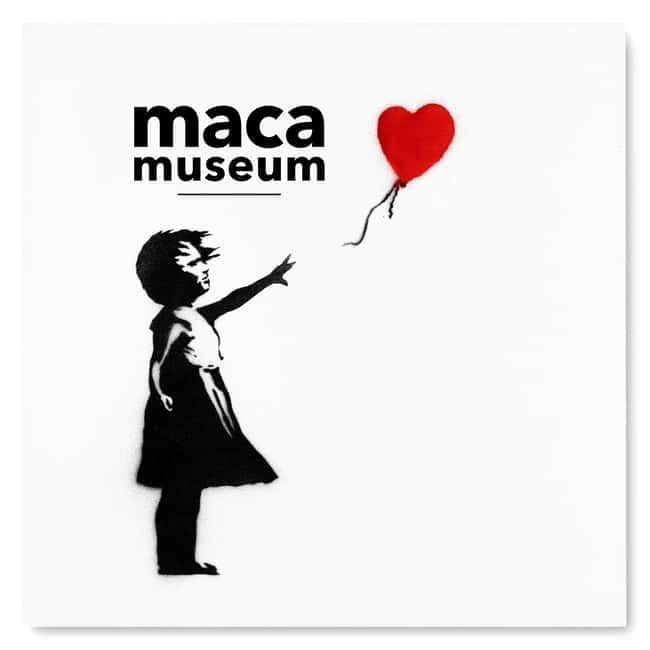
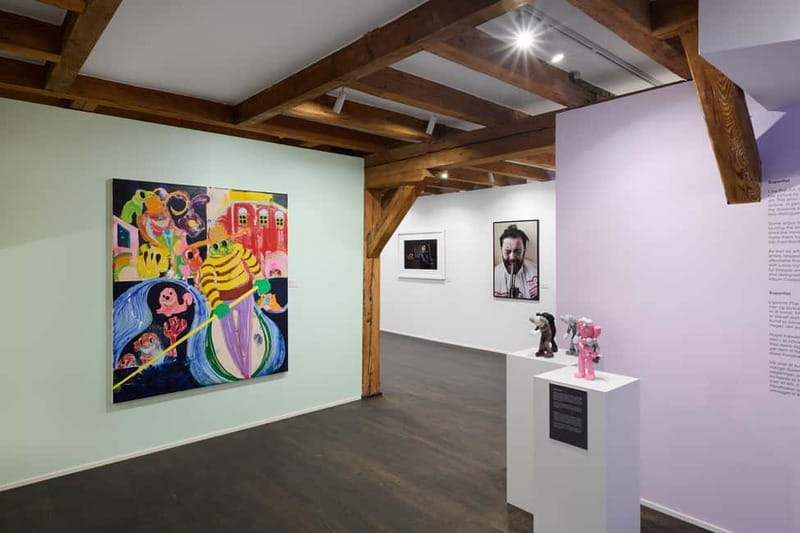
MACA Museum’s Banksy & Street Art: The Early Years is the main event, and the title is honest about what you’re getting. This is not just a highlight reel of famous images. The exhibition is built around early working methods, using rare drawings, stencils, photographs, and paintings to show the craft before the legend.
That approach matters for two reasons. First, it helps you understand street art as a process, not a random burst of color. Second, it makes the exhibition feel more like art history you can see with your own eyes: you track how ideas evolve from sketches and templates into finished pieces.
The museum also frames street art across decades, with artists active from the 1980s and 1990s New York graffiti scene through major 21st-century street artists. In practice, that means your visit isn’t only about one name. Banksy is the anchor, but the surrounding works let you compare styles and techniques across time.
If you’re new to street art, I think you’ll like the clear structure. If you already follow Banksy and graffiti culture, you’ll probably appreciate that the exhibition treats early methods as something worth slowing down for. This is a ticket that rewards attention.
You can also read our reviews of more tours and experiences in Copenhagen.

The artists and styles you’ll see (from classic graffiti to modern stencils)
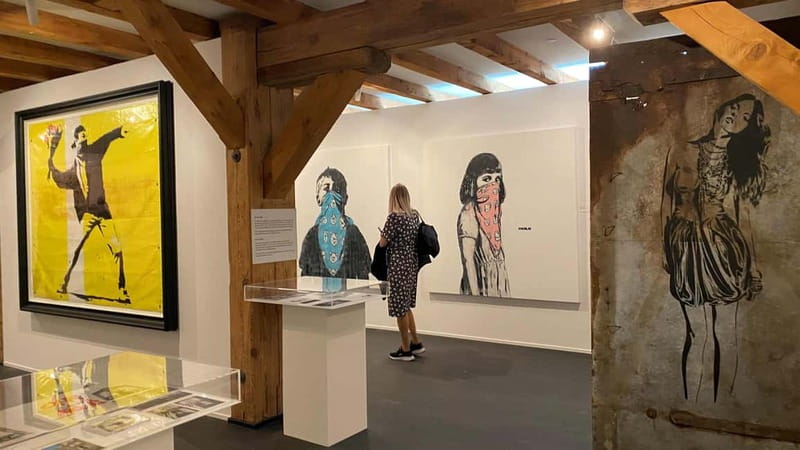
The exhibition is described as covering the greatest artists of the 20th and 21st centuries, and the lineup gives you that “from past to present” feel. Alongside Banksy’s early material, you’ll see work connected to the 1980s and 1990s New York graffiti art scene. Then the show expands into 21st-century street artists.
Some names you’ll recognize include Futura 2000, Dondi, Lady Pink, and Shepard Fairey. You also have artists such as STIK, VHILS, XOOOOX, Bambi, and Retna included in the broader street art mix. Even if you don’t know each name, the collection still works because it points you toward a bigger question: how different communities and artists use public art to make messages, identities, and visuals that travel.
Here’s the practical value for you: street art can feel hard to “read” quickly when you only see final pieces online. Seeing the range in one place helps you spot recurring visual tools—like stencil logic, graphic typography, and photo-informed imagery—without having to guess what you’re looking at. And because the show includes multiple mediums (drawings, stencils, photos, paintings), you’re not locked into a single type of street art language.
Audio guide on your smartphone: how to get the most

The ticket includes downloadable exhibition audio guides, and you’ll need to download them to your smartphone. That one detail changes how you should plan your visit. Before you enter, make sure your phone has enough battery and storage space for the audio files, and consider downloading on Wi‑Fi if you can.
The languages listed are extensive: Chinese, Croatian, Czech, Danish, Dutch, English, Estonian, Finnish, German, Indonesian, Italian, Japanese, Korean, Lithuanian, Malay, Polish, Serbian, Spanish, Thai, and Turkish. If you’re traveling with mixed-language needs, this is a strong point because you can choose what works for each person without relying on a shared English-only pace.
One more practical thing: headphones are not available for purchase. So don’t assume you can buy earbuds on arrival. Bring your own wired or wireless option, and test the audio before you settle in for longer gallery time.
Also, remember the museum provides coat and bag storage. That’s helpful in a city like Copenhagen where you might carry layers, a rain shell, or a day bag. Once your coat is stored, you can wander more comfortably and actually focus on the art.
MACA Museum location: the Nyhavn waterfront bonus
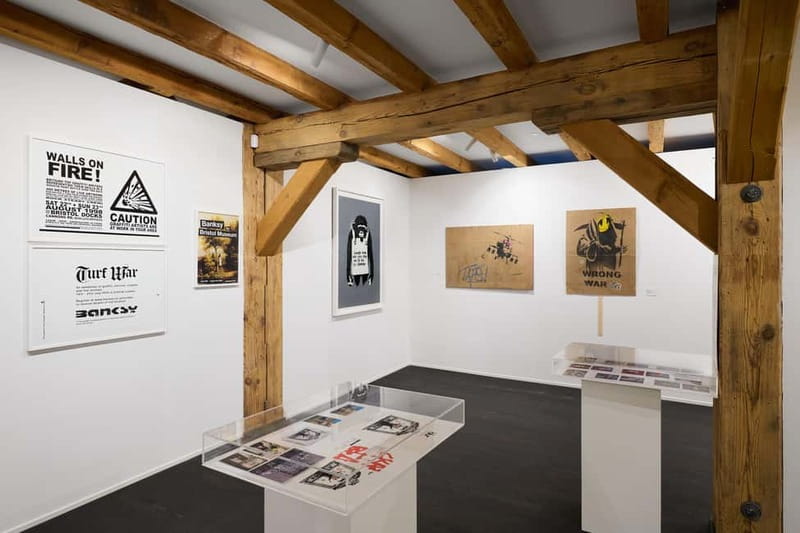
MACA Museum is located in the historic waterfront trading port of Nyhavn, and that is more useful than it sounds. Nyhavn is an easy zone to move through on foot, and it gives you an instant “what now” option after the museum.
This matters when you’re planning a single-day stop. Instead of hunting for dinner in a big city, you can step right out and choose from the restaurants and bars around the waterfront. You can also slow down by walking along the canals, which makes the street art experience feel less like a disconnected indoor block and more like part of a full Copenhagen day.
The museum itself also supports downtime. There’s a private outdoor courtyard cafe during cool spring and summer months. In winter, the museum experience shifts toward a cozy candlelight setting inside. Even if you don’t plan to spend long on breaks, knowing the seasonal vibe helps you pick the right moment to eat or rest.
My advice: after the galleries, give yourself 30 to 60 minutes outdoors. You’ll come back calmer, and the contrast between street art and canal waterfront streets can make the whole day feel more balanced.
Build your day: museum first, then canals and classic Copenhagen stops
A smart way to use a 1-day ticket is to treat it as the start of your sightseeing loop. Go to the MACA Museum entrance, enter, and plan to use the audio guide while you’re moving through the rooms. Then pivot right into the outdoor part of Copenhagen.
From there, you’ve got two natural pairings baked into the location.
First, you can enjoy the Nyhavn waterfront itself: canals, waterfront views, and plenty of places to eat or grab a drink. Second, you can add nearby sights that make the trip feel more like a Copenhagen itinerary instead of only a museum visit.
If you like having structure, aim for this rhythm:
- Museum time with audio guide while the details are fresh
- A waterfront walk to change the mood
- One or two major sights nearby, so you don’t spend the rest of the day commuting
This is the value of choosing MACA instead of a far-flung museum. You can keep travel time low and focus your day on art plus real city atmosphere.
Hans Christian Andersen’s home and Amalienborg Royal Palace nearby
MACA is set up perfectly for pairing with Copenhagen icons.
You can visit the home of fairy tale author Hans Christian Andersen as part of your day. The information highlights this as an easy add-on in the same central Copenhagen area, so if you’re doing family-friendly sightseeing or just enjoy literary history, it fits the vibe of the street art exhibition well. Andersen is all about stories and imagination; street art is also about public storytelling, just with a different tool kit.
Then there’s Amalienborg Royal Palace. Amalienborg is just a few steps from MACA, and it’s the official residence of HM King Frederik X, HM Queen Mary, and Her Majesty Queen Margrethe II. That proximity is a gift for your schedule. You don’t need a big travel plan to see something genuinely royal and central.
Even if you only do a short walk-by, the palace area is worth adding because it changes your day’s visual palette: from stencil and graffiti graphics to formal architecture and a more ceremonial Copenhagen feel. It’s a clean way to connect modern street art culture with Denmark’s more traditional landmarks.
Price and logistics: does $25 per person make sense?

At about $25 per person, the ticket feels like a mid-range museum stop in Copenhagen. What makes the price feel reasonable is what’s included: entry to the museum, access to all exhibitions, downloadable audio guides, and coat and bag storage. You’re not paying extra just to understand what you’re seeing.
The ticket also includes a skip-the-ticket-line option, which is underrated value if you’re traveling at a busy time of day. And because the experience is valid for 1 day, you can align it with your actual schedule rather than forcing it into one fixed slot.
The duration is listed as 1 day, but in real terms you’ll likely treat it as a dedicated museum block plus outdoor wandering afterward. That’s where the value comes from: you’re buying art and context inside, and then you’re using the central Nyhavn location to complete your day cheaply with walks, canal time, and nearby sights.
I’d book this ticket if:
- You want a street art museum experience that goes beyond surface images
- You like learning how artists work, not only seeing finished pieces
- You’re planning a Copenhagen day that includes Nyhavn anyway
What could disappoint you (so you’re not surprised)
This is where I keep it honest.
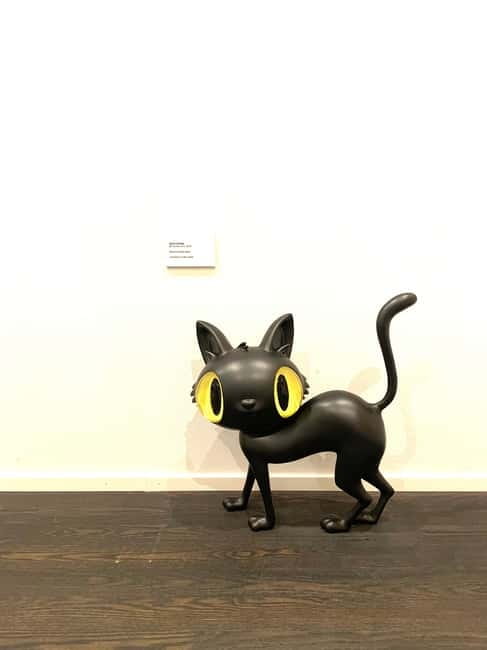
First, the museum experience is focused. It’s not positioned as a giant multi-building campus, and one common feeling is that it can leave you wanting a bit more. If you like spending half a day in one place, you might need to plan extra time outdoors or add Amalienborg and Andersen to lengthen the day.
Second, you need your own headphones plan. Headphones aren’t available for purchase, even though audio guides are included. If you show up with no earbuds and no plan, you’ll lose a major part of the experience.
Third, food and drink depend on season. The courtyard cafe is mentioned for cool spring and summer months, while winter is described as candlelight inside. If you’re expecting the museum to operate like a full bar all year, you may need to take drinks elsewhere around Nyhavn.
Should you book the MACA Museum Banksy & Street Art ticket?
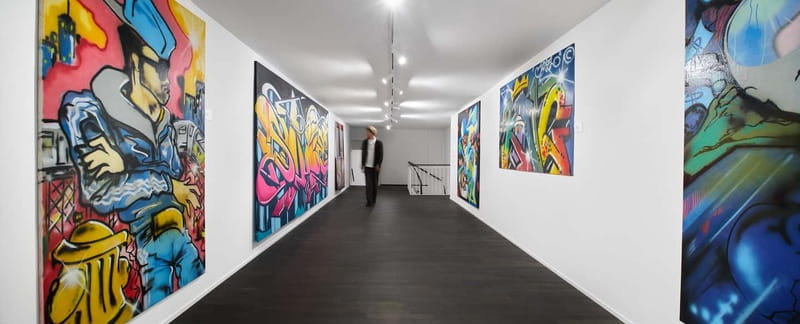
Yes, I’d book it if you’re excited by street art as process and context. The Banksy focus on early drawings, stencils, photos, and paintings is a smart choice for anyone who feels street art is too easy to dismiss as just images. Add in the broader lineup—from the New York graffiti scene to major 21st-century names—and you get a visit that tells a story across decades, not just a single-artist fame show.
Skip it if you want a massive, multi-hour museum crawl with lots of extras and constant amenities. This ticket shines when you use the audio guide, slow down with the art, and then turn the location into a full Copenhagen walk around Nyhavn and nearby landmarks.
FAQ
How long does the ticket last?
The ticket is valid for 1 day.
Where should I go to start?
Go to the MACA Museum entrance.
What’s included with the MACA museum entry?
You get entry to MACA museum, access to all exhibitions, downloadable exhibition audio guides (to download to your smartphone), and coat and bag storage.
Do I get headphones with the audio guide?
No. Headphones are not available for purchase.
What languages are the audio guides available in?
The audio guides are listed in Chinese, Croatian, Czech, Danish, Dutch, English, Estonian, Finnish, German, Indonesian, Italian, Japanese, Korean, Lithuanian, Malay, Polish, Serbian, Spanish, Thai, and Turkish.
Is bag storage included?
Yes. Coat and bag storage is included. Secure storage is available for rental.
What street art and artists are included?
The exhibition focuses on Banksy and Street Art: The Early Years, and it also includes artists such as Futura 2000, Dondi, Lady Pink, Shepard Fairey, STIK, VHILS, XOOOOX, Bambi, and Retna, along with content from the 1980s and 1990s New York graffiti scene.
Is it cancellable?
Yes. Free cancellation is available up to 24 hours in advance for a full refund.