REVIEW · COPENHAGEN
The Nørrebro Street Art & Food Tour
Book on GetYourGuide →Run by CphFoodTours · Bookable on GetYourGuide
Street art here comes with snacks. This Nørrebro tour turns wall-hopping into a guided story, with stops at places tied to local culture and major street-art-adjacent parks, then rounds it out with shawarma or falafel plus coffee. I like how the walk gives you a clear way to read the artwork instead of just pointing at it. I also like that the food feels like it belongs here, not like a random tourist add-on.
The main thing to think about up front: this experience is mostly outside, even in rain or snow. If you have back issues or mobility limitations, it may not be a good fit. The walking is also active enough that low fitness can get tough.
Meet-up is simple and public. You’ll start at the stairs leading down at Nørrebros Runddel Station, and the tour ends back near the same spot after about three hours.
In This Review
- Key Highlights You’ll Feel on This Walk
- Why Nørrebro Street Art Works as a Story (Not a Selfie Loop)
- Getting Started at Nørrebros Runddel Station and Timing the 3 Hours
- Jagtvej 69: Ungdomshuset as a Street Art Origin Point
- Bananna Park: Street Art Inside an Urban Park You Can Actually Use
- Superkilen Park and the BIG Architects Effect on Public Art
- Food Stops That Feel Local: Coffee Collective Then Shawarma or Falafel
- Kösem: Why the Award-Winning Meal Is a Tour Anchor
- Vegan Options at Mokkariet (Raw Bite or Vegan Cake)
- The Discussion Time Is the Real Secret Sauce
- Who Should Book This Tour (and Who Might Skip It)
- Value and Price: Is $53 Worth It?
- Should You Book the Nørrebro Street Art & Food Tour?
- FAQ
- How long is the Nørrebro Street Art & Food Tour?
- What is included in the tour price?
- Where does the tour meet and end?
- How can I get to the meeting point using public transit?
- Is the tour suitable for vegan diets?
- Does the tour run in rain or snow?
- Is the tour accessible for people with mobility issues?
Key Highlights You’ll Feel on This Walk
- Nørrebro street art with real discussion time, not just quick photos
- Jagtvej 69 and the Ungdomshuset context, where art and community overlap
- Bananna Park’s street-art playground vibe, shaped by the city around it
- Superkilen Park designed by BIG architects, where art meets urban planning
- Kösem food stop tied to a local shawarma win, with shawarma or falafel options
- The Coffee Collective coffee stop, plus a vegan option at Mokkariet
Why Nørrebro Street Art Works as a Story (Not a Selfie Loop)
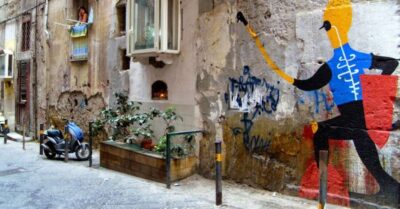
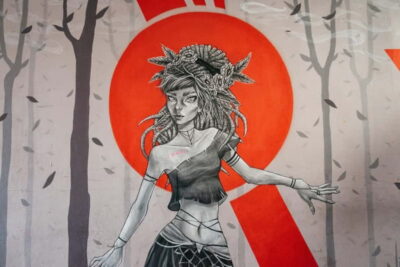
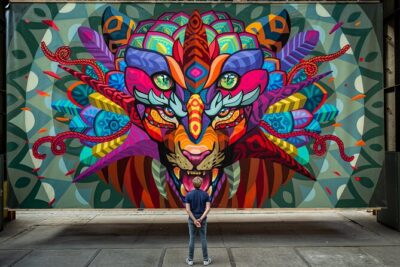
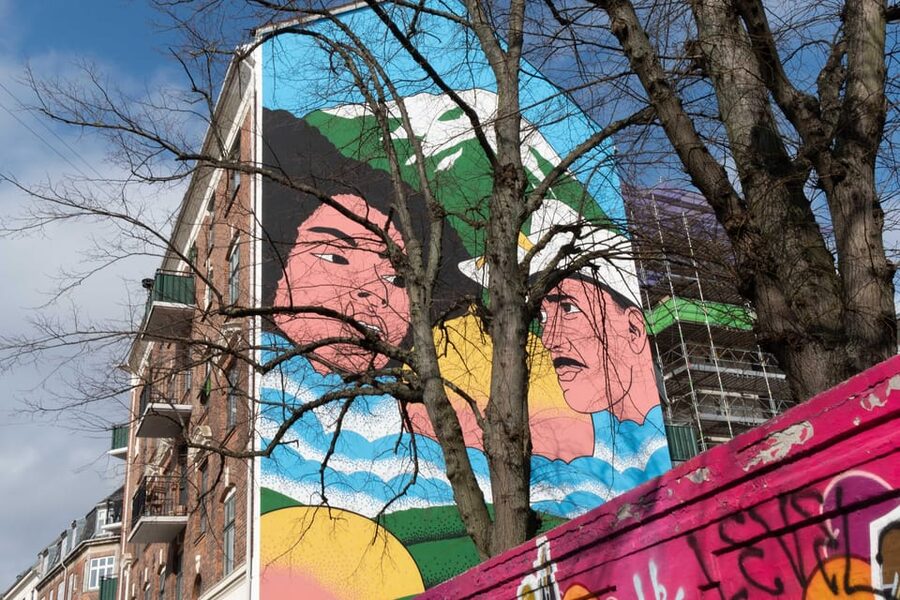
Nørrebro is one of Copenhagen’s most interesting neighborhoods because it’s layered. You can feel that in the way the area uses public walls, small parks, and everyday corners as a kind of open canvas. This tour helps you slow down and read what you see, so you’re not just collecting images—you’re learning how people talk back to the city through art.
I like that the tour frames street art as something you can analyze. It’s not only about style or color. It’s also about who puts the work there, what they’re reacting to, and how the neighborhood responds. That matters because street art can look chaotic until you understand the logic behind it.
The other half of the value is food that follows the same neighborhood logic. You’re not eating off to the side of the experience—you’re eating as part of it. When the meal is tied to a local spot with an award angle, it gives the whole walk a sharper sense of place.
You can also read our reviews of more tours and experiences in Copenhagen.

Getting Started at Nørrebros Runddel Station and Timing the 3 Hours
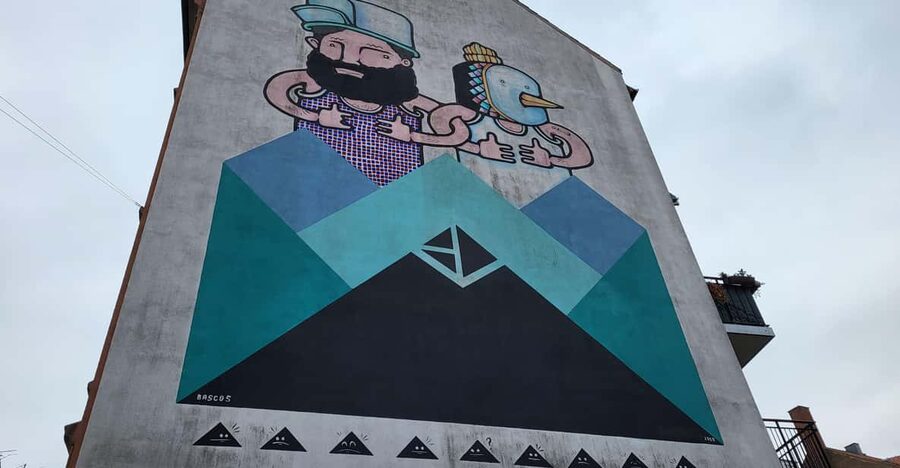
The tour runs about three hours, so it’s a manageable commitment even on a packed itinerary. You also don’t have to hunt around for a hidden back-alley meeting. The guide meets you at the stairs leading down into/at Nørrebros Runddel Station. After the final stop, the group ends back at the same meeting area.
To reach the start, you’ve got two easy options:
- Metro: M3 line to Nørrebros Runddel Station
- Bus: 5C line
This matters because Nørrebro can feel a bit like a patchwork of streets. Being close to transit keeps you from losing time before you even start.
Practical note: the tour operates mostly outside, including in rain or snow. Plan for weather—bring a rain layer you’ll actually wear, and wear shoes you can walk in for a full three hours.
Jagtvej 69: Ungdomshuset as a Street Art Origin Point
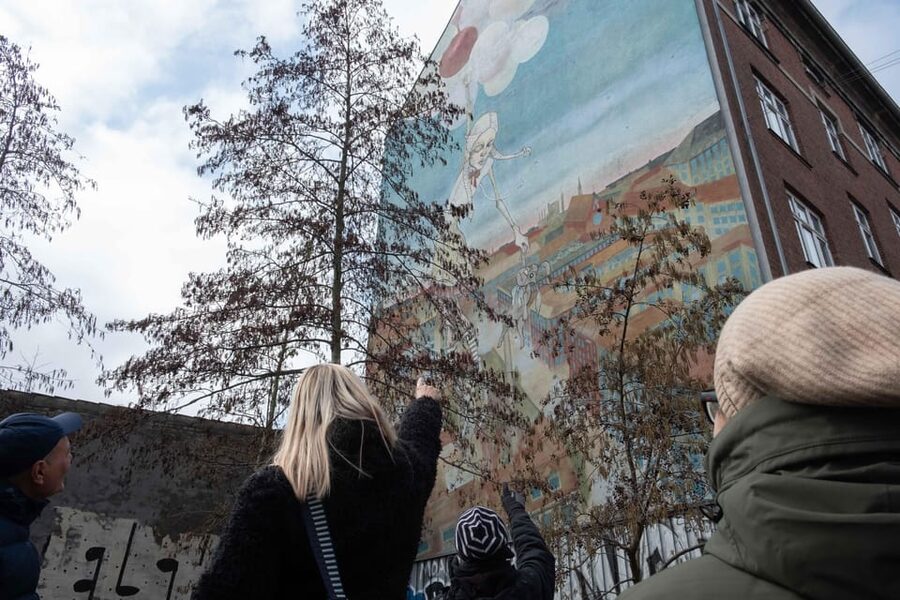
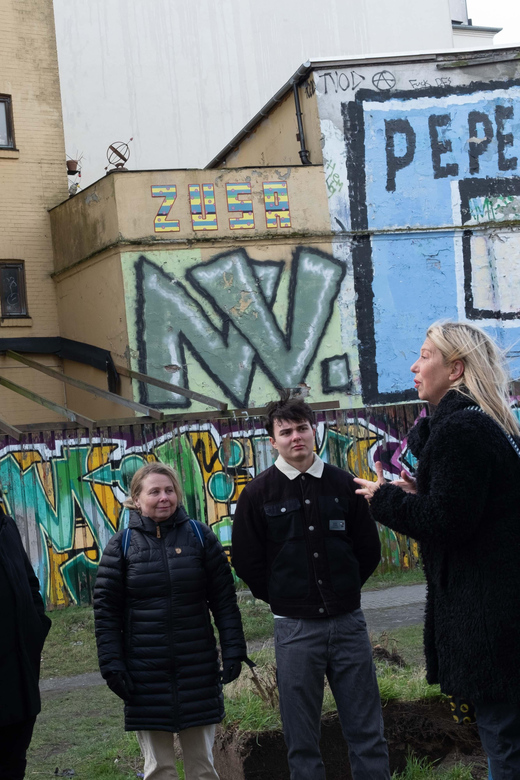
One of the first anchors on the route is Jagtvej 69, the former site of Ungdomshuset. This is the kind of stop that changes how you look at the rest of the tour. Instead of treating street art as random decoration, you start connecting it to real community energy and local history.
What makes this stop useful for your brain: you begin to understand street art as a response. Walls can carry memory. They can signal belonging. They can also show conflict, loss, and change. Once you get that framework, the rest of the artwork around Nørrebro feels less like background noise and more like an ongoing conversation.
A small consideration: if you prefer purely modern art without any context, you might want to mentally switch gears here. The tour uses stops like Jagtvej 69 to give you a base layer for discussion before it moves toward parks and more open public art.
Bananna Park: Street Art Inside an Urban Park You Can Actually Use
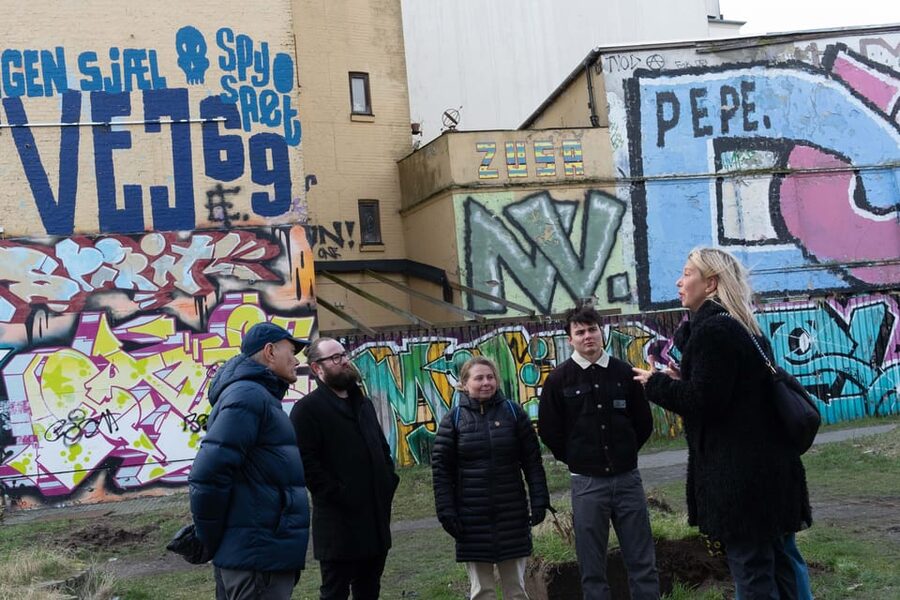
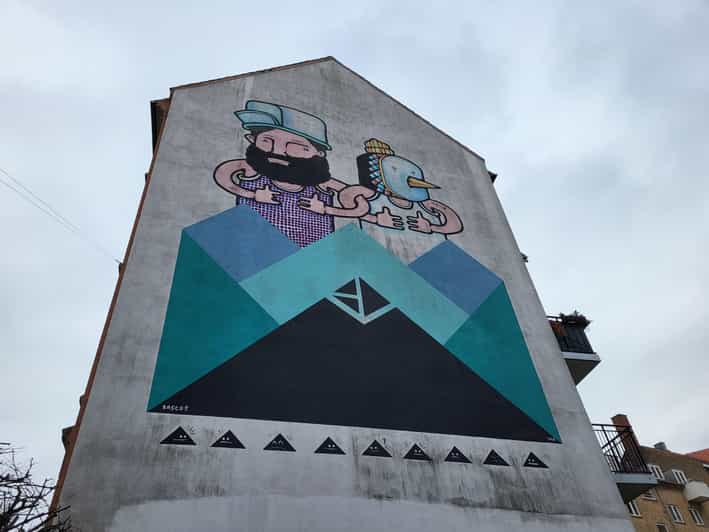
Next up is Bananna Park, an urban park where street art plays a role in how the space works day to day. Parks like this are a key piece of Copenhagen’s approach to public life: you don’t only view art—you move through it.
What I like about the Bananna Park style stop is that it helps you see street art in a more everyday setting. Instead of only focusing on a single wall, you’re looking at how artwork can shape movement, corners, and the mood of a place. It’s easier to remember once you’ve experienced it in context, not only in a photo.
A potential drawback for some people: parks can mean you’ll spend a bit of time outdoors without the protection of indoor walls. If the weather is rough, you’ll feel it more here than at an indoor café stop. Again, dress for the conditions and pace yourself.
Superkilen Park and the BIG Architects Effect on Public Art
Then comes Superkilen Park, a popular urban park created by architects from BIG. This stop adds a different angle. Now you’re not just looking at art applied to existing surfaces—you’re seeing how planned city design can make room for art to show up in a meaningful way.
For you, the value is perspective. Superkilen forces the question: how does architecture set the stage for public expression? When a park is designed with art in mind, the city becomes more than a backdrop. It becomes part of the meaning.
If you like urban planning, this is a highlight. If you only care about street art details, it’s still worth it because it helps you understand why the art feels integrated, not accidental.
Food Stops That Feel Local: Coffee Collective Then Shawarma or Falafel
The tour doesn’t just toss in food. It builds a rhythm: a coffee stop at The Coffee Collective, then a meal at a local eatery known for shawarma.
The Coffee Collective stop is a smart pause. You’re walking for about three hours, so having a planned warm break helps you keep your energy up. It also gives you time to reset between major viewing zones, which makes the rest of the art discussion stick better.
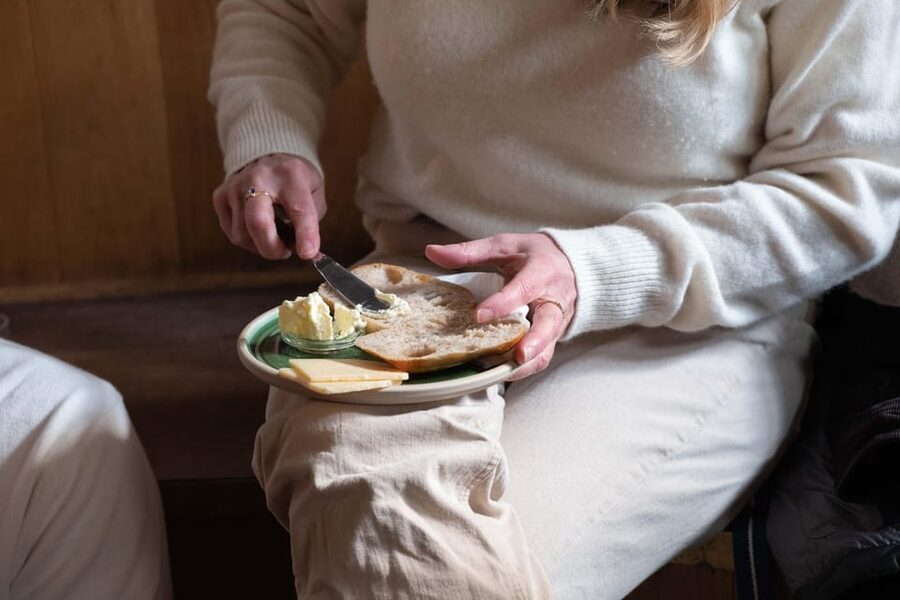
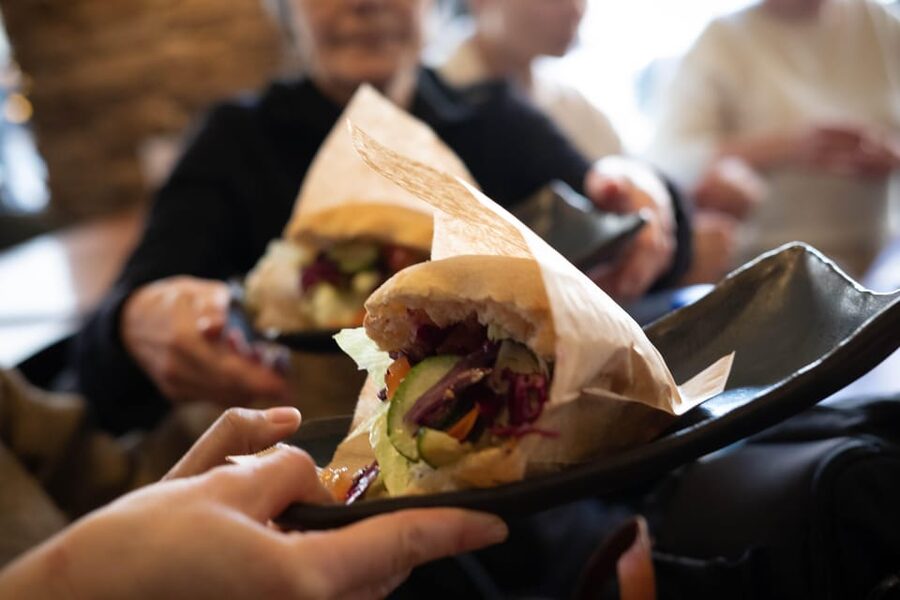
After coffee, the main meal choice is at Kösem, a local eatery that has won the local shawarma championship. That award angle matters because it turns the meal into something you can treat as a local recommendation, not just a convenient stop.
One detail to file away: the tour offers shawarma or falafel, so it works well for many dietary preferences. It’s suitable for all diets except vegan.
Kösem: Why the Award-Winning Meal Is a Tour Anchor
At Kösem, you’re not only eating—you’re closing the loop on the neighborhood theme. A street art walking tour can sometimes feel like a visual experience with a random snack at the end. This one treats the meal as part of the cultural lens.
From what you’re told going in, the food should feel like Copenhagen’s Nørrebro vibe in edible form. The shawarma is the headline because of the local championship claim, but falafel is the parallel option. Either way, it’s a hearty stop that makes sense after you’ve been walking and talking for hours.
A practical tip: eat like you mean it. This isn’t a tiny tasting bite designed for one-minute photos. It’s a real meal stop that should carry you through the rest of your day.
If you’re curious about comfort-food simplicity, you’ll likely like it a lot. If you’re the type who wants a fully fancy sit-down dinner experience, this tour meal may feel more street-level than formal. The tradeoff is speed and local authenticity.
Vegan Options at Mokkariet (Raw Bite or Vegan Cake)
Even though the tour is not listed as vegan-friendly in the usual way, there is a workaround. Vegan guests are offered a raw bite or vegan cake at Mokkariet.
This is important if you’re choosing tours based on diet inclusion. It means there’s an intentional substitute rather than a generic off-menu scramble. The tour keeps the food flow moving without leaving vegan guests out in the cold.
Just plan your expectations. The vegan option is described as a raw bite or vegan cake, not as a full matching vegan meal like shawarma or falafel. If you need a full hot entrée, you might want to plan a second stop after the tour.
The Discussion Time Is the Real Secret Sauce
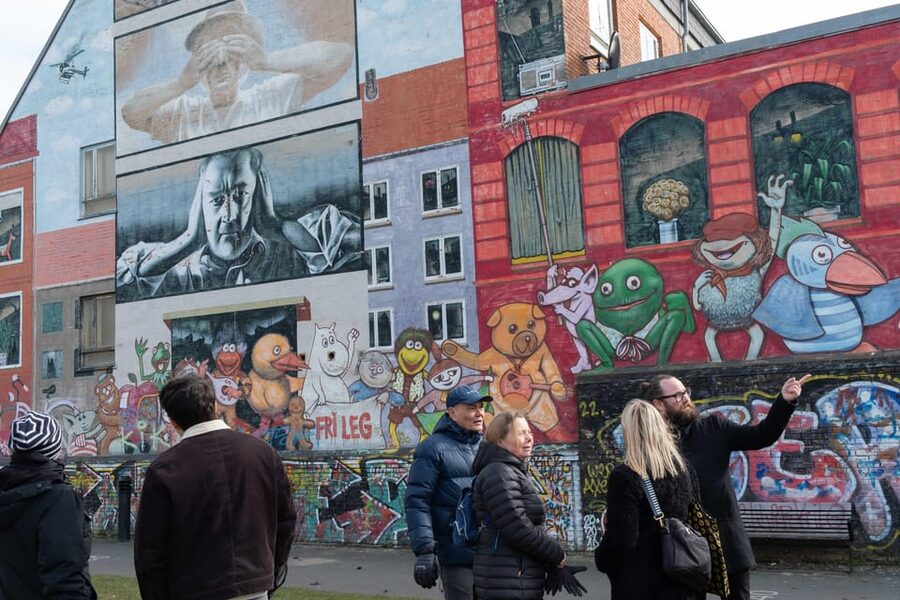
One of the strongest parts of this tour is the way the guide builds in time for reflection and discussion. It’s not only about what you see. It’s about what you think about after you see it.
You’ll likely find that the group talks about how to interpret painted house walls and what street art can mean beyond aesthetics. That kind of conversation changes your takeaway. Instead of returning to your hotel with only photos, you get a framework you can use later when you see street art elsewhere.
There’s also something slightly fun about the way street art debate works. Even if you disagree with someone in the moment, you end up noticing details you would’ve missed on your own.
Who Should Book This Tour (and Who Might Skip It)
This tour is a good match if you want:
- A street art route with context and discussion
- A meal plan that includes shawarma or falafel plus coffee
- A neighborhood walk that helps you understand Nørrebro beyond landmarks
You should also know who it might not suit. It’s not suitable for:
- Crutches (not allowed)
- People with back problems
- People with mobility impairments or wheelchair users
- People with low level of fitness
- People over 287 lbs (130 kg)
- People over 95 years
Because the route is mostly outside, you’ll feel weather and walking demands more than on a museum-heavy day. If you fall into any of those categories, consider a different style of tour that’s more accessible and less walking-focused.
Value and Price: Is $53 Worth It?
At $53 per person, you’re paying for three things that usually cost separately in Copenhagen: a guided route, a structured food stop, and coffee.
Here’s the value logic I’d use if I were choosing:
- The guide time covers multiple street art-focused stops plus discussion.
- The meal stop includes shawarma or falafel from an award-winning local spot.
- You also get coffee from The Coffee Collective, which is an actual treat (and not just a token drink).
So the cost isn’t only about the walk. It’s about bundling the experience with food. For many people, that makes the price feel fair rather than pricey.
The biggest reason you might feel it’s not worth it is if you mainly want quick visuals and zero talking. If you prefer to wander independently and skip discussion, you might decide you’d rather do a self-guided route and eat where you like. But if you enjoy the idea of learning how to read street art, the guided structure justifies the fee.
Should You Book the Nørrebro Street Art & Food Tour?
Yes—if your ideal Copenhagen day includes guided street art with time to talk about meaning, plus a real local meal. The mix of Jagtvej 69, Bananna Park, and Superkilen Park gives you variety, and the Kösem food stop helps anchor the neighborhood with something tasty and specific.
I’d skip it if you can’t handle a mostly outdoor, walking-first tour. If mobility or back comfort is an issue, this setup likely won’t feel good for you.
If you’re flexible with timing and ready for a three-hour neighborhood walk that mixes art and food in a way that makes sense, this is a strong pick.
FAQ
How long is the Nørrebro Street Art & Food Tour?
It takes approximately 3 hours from start to finish.
What is included in the tour price?
You get a guided street art tour, shawarma or falafel from a local eatery, and coffee from The Coffee Collective.
Where does the tour meet and end?
The guide meets guests at the stairs leading down at Nørrebros Runddel Station, and the tour ends back at the meeting point.
How can I get to the meeting point using public transit?
You can take the M3 metro line to Nørrebros Runddel Station, or the 5C bus line.
Is the tour suitable for vegan diets?
It’s suitable for all diets except vegan. Vegan guests are offered a raw bite or vegan cake at Mokkariet.
Does the tour run in rain or snow?
Yes. The tour operates primarily outside even during rain or snow, so you should dress for the weather.
Is the tour accessible for people with mobility issues?
It is not suitable for wheelchair users and not suitable for people with mobility impairments, and crutches are not allowed. It is also not suitable for people with back problems and people with low level of fitness.