REVIEW · BARCELONA
Barcelona | Street Art Bike tour
Book on GetYourGuide →Run by Barcelona Ciclo Tour · Bookable on GetYourGuide
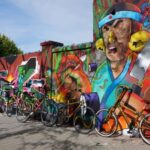
Street art in Barcelona is best seen at bike speed. This private route mixes famous mural names, contemporary culture spots, and photo stops in the city’s older lanes. I like that your guide keeps the stories clear and the pace friendly, so you can actually look up instead of only surviving traffic.
Two things I really like: the English-speaking guide who shares what’s behind each artwork, and the mix of street-level murals plus major neighborhood landmarks you pass by on electric-assist sections. It feels personal, not like you’re crammed into a generic checklist.
One thing to think about first: this is a bike tour. You’ll need to ride confidently, and it isn’t suitable for wheelchair users.
In This Review
- Key highlights you’ll feel during the ride
- Street Art by Bike in Barcelona: the 2.5-hour rhythm
- Where you start: Carrer dels Tallers 45 and your pre-ride setup
- How the ride works: photo stops, passes, and electric-assist minutes
- The art route: from MURAL DEL SIDA (Keith Haring) onward
- Gothic Quarter and cathedral-area stops: art meets the old city
- Passeig de Gràcia stops: architecture alongside street-art energy
- Practical value: why $177 for up to 2 can make sense
- What to bring (and what can mess up the day)
- Who should book this street art bike tour
- Should you book it?
- FAQ
- FAQ
- Where does the tour start?
- How long is the Barcelona street art bike tour?
- What is the price and group size?
- Is the tour guide available in English?
- What’s included with the tour?
- Do I need to know how to ride a bike?
- Are helmets provided?
- What if it rains?
Key highlights you’ll feel during the ride
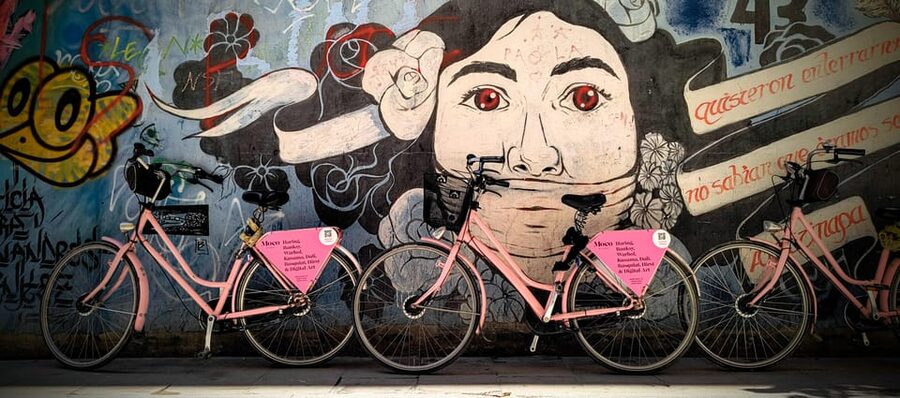
- Private group with your own guide so questions are easy and the pace stays human.
- Keith Haring’s MURAL DEL SIDA is a centerpiece photo stop with guided context.
- Electric-assist segments help you move through older neighborhoods without turning it into a workout class.
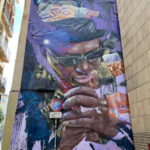
- Street-art focused storytelling tied to real locations, alleys, and mural walls—not just theory.
- A route that blends contemporary culture stops with classic Barcelona areas like the Gothic Quarter.
Street Art by Bike in Barcelona: the 2.5-hour rhythm
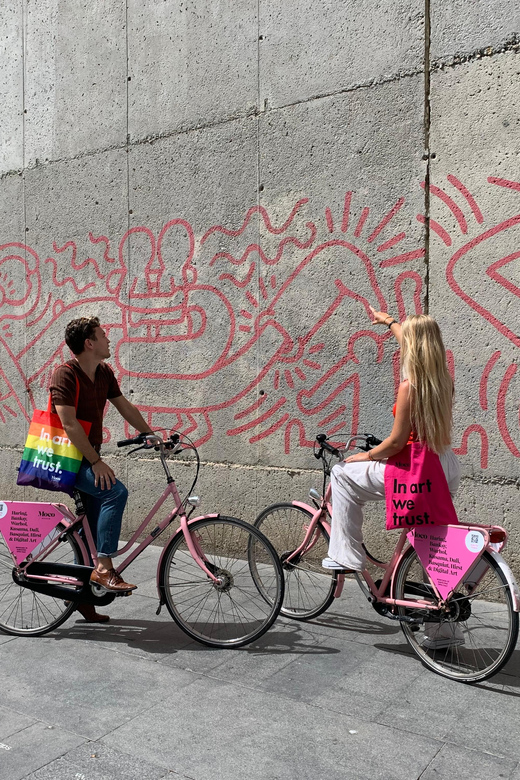
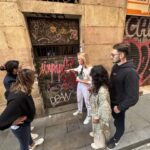
This tour is built for people who want to see Barcelona’s street art as part of real street life. Instead of one big museum room, you get a chain of stops: brief pauses for photos, short guided explanations, and quick rides between areas. The total time is 2.5 hours, which is enough to cover several neighborhoods without feeling trapped in a full day.
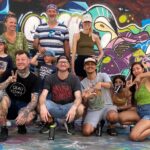
Because it’s private (priced per group up to 2), you’re not stuck waiting for the slowest cyclist or trying to hear a guide through a crowd. The guide can also adjust what you spend time on. If you want more time at murals, you can usually ask. If you’d rather keep moving, that works too.
What makes the timing especially useful is the tour style: it’s not just “look at wall, pedal away.” You’ll get story-based stops and then a short transfer. That makes the street art feel connected, like each wall is part of a bigger local conversation.
You can also read our reviews of more tours and experiences in Barcelona.

Where you start: Carrer dels Tallers 45 and your pre-ride setup
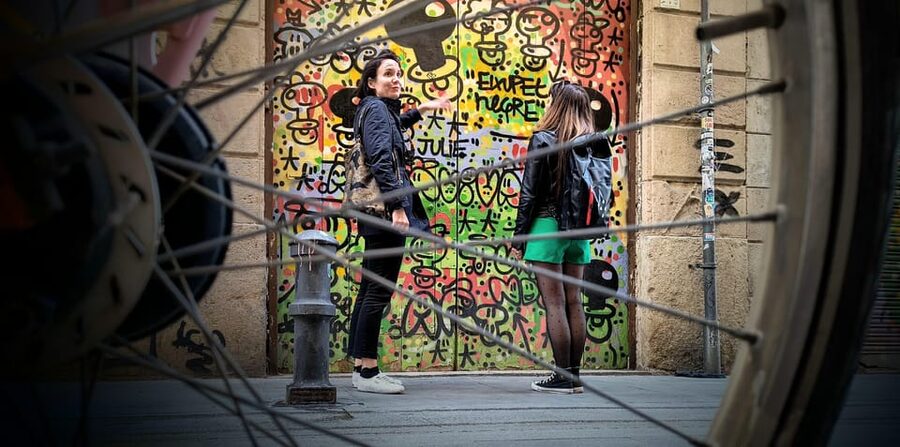
Your meeting point is Carrer Dels Tallers 45 (Barcelona Ciclo Tour: The passage). Show up about 10 minutes early. That buffer matters because you’ll want time for the bike check, any helmet setup, and getting comfortable on the saddle before the route begins.
You’re getting 1 bike per person, plus helmets and child seats are available on request for free. Adults can request a helmet in advance, and the tour notes that helmets are mandatory for children up to age 16. If you’re traveling with kids, this is the kind of detail that makes the whole day easier.
Safety matters on a street route. There’s also a safety briefing built into the early part of the tour (you’ll see it around the first major mural sections). And no headphones are allowed, which is great for you if you want to hear your guide clearly while still enjoying the street sounds.
You’ll also get a bottle of water. On a bright day in Barcelona, that small thing is a lot more valuable than it sounds.
How the ride works: photo stops, passes, and electric-assist minutes
The itinerary is a sequence of:
- Photo stops where you’ll park and look closely
- Guided tour moments where your guide points out what to notice
- Pass by sections where you ride and keep moving
- Electric bike ride segments (time is listed as 10 minutes in several places)
That electric-assist detail is important. It means the tour can keep a steady pace without forcing you to fight every hill and stop-and-go moment. The tour also states a legal constraint: no children below 16 on the e-bike tours, and there’s a minimum height of 160 cm for e-bikes. If your group includes teens or shorter riders, this is the one you’ll want to check early.
The tour is also strict about bike confidence: all participants must know how to ride a bike confidently. If you’re wobbly, this is not the right first bike ride of your trip. And if you’re thinking of bringing a wheelchair, it’s listed as not suitable.
The art route: from MURAL DEL SIDA (Keith Haring) onward
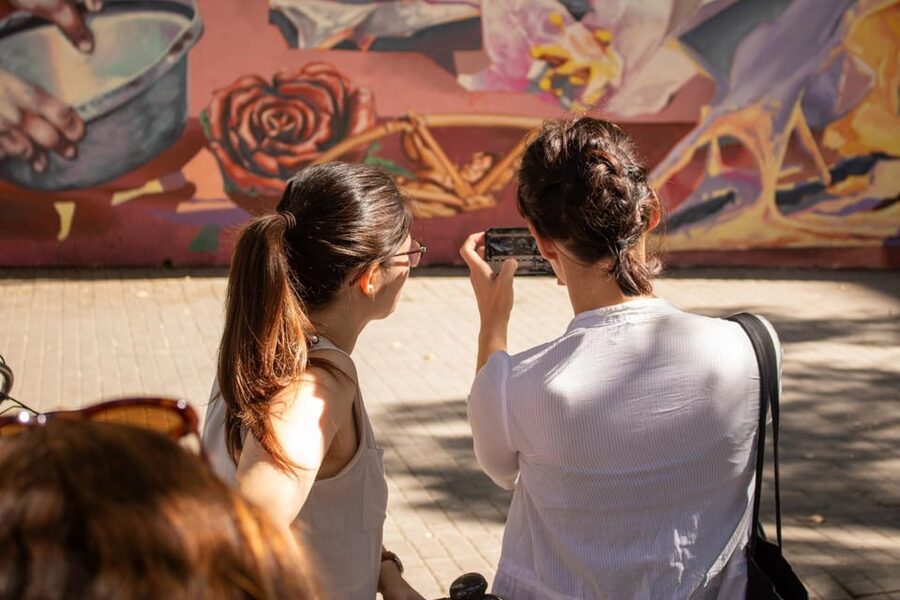
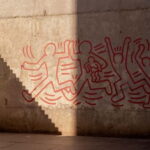
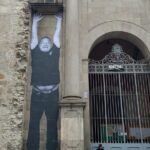
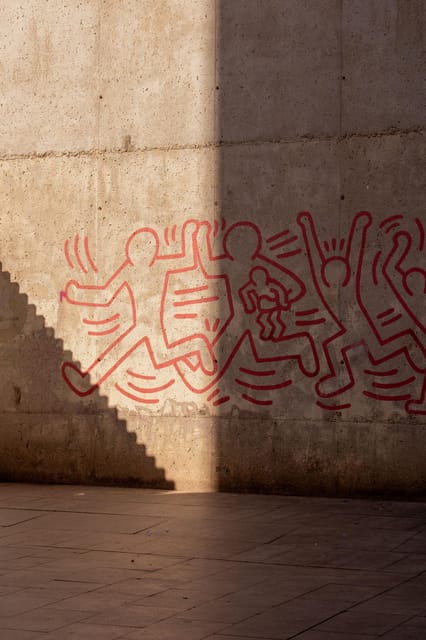
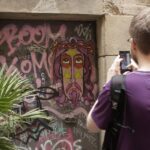
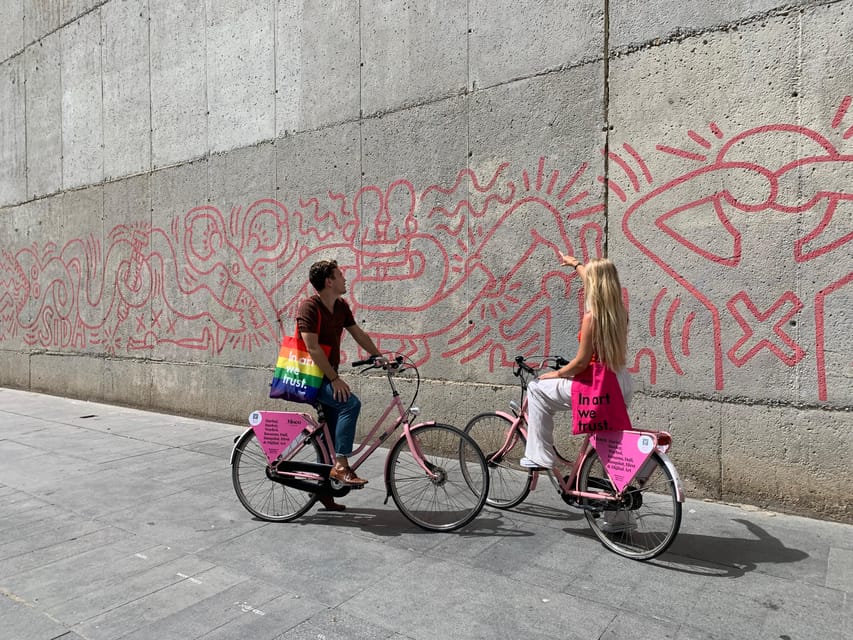
The tour’s biggest “pause and look” moment is MURAL DEL SIDA (KEITH HARING). Expect this to be a central photo stop, with time for guided explanation and careful looking. Even if you only know the name, this kind of wall is the perfect place to start building a street-art sense of place: the guide ties the artwork to its broader setting, and you’ll understand what to pay attention to when you see the next murals.
Right after that, you’ll head toward El Xupet Negre (Negrelab). This is another named mural stop with photo and guided time, plus a safety briefing noted around this part. In practice, that usually means you’ll have the guide’s instructions in your head before you move through tighter streets.
From there, the tour widens the lens. You’ll get contemporary culture stops tied to the city’s current creative scene:
- Centre de Cultura Contemporània de Barcelona
- Barcelona Museum of Contemporary Art
These are listed as photo stops and guided segments with short ride connections between them. The value here is that you’ll see how street art sits next to institutions, not only outside them. You may notice the tour keeps returning to the “artist and message” idea, not just the visuals.
Then you’ll ride through more street-level places where the tour emphasizes discovery:
- Carrer de la Lluna
- Àgora Juan Andrés Benítez
- Carrer de la Riereta
Some parts are described with scenic drive and scenic views on the way, and one segment around Àgora Juan Andrés Benítez includes a Bus tour portion before returning to bike. That kind of mix is practical in a city where the “straight line” between murals isn’t always the easiest one.
Finally, the route flows into classic Barcelona zones—so your street-art storytelling doesn’t end when the streets get more famous.
Gothic Quarter and cathedral-area stops: art meets the old city
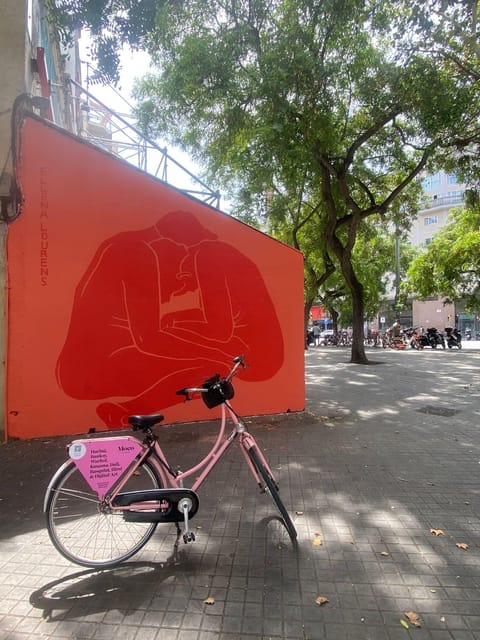
Later in the ride, you’ll head into major landmark territory, and the tour keeps you rolling while still making time to look.
Stops include:
- Gothic Quarter Barcelona
- Barcelona Cathedral (photo stop)
You also pass by or pause near El Cap de Barcelona, and you’ll spend short time in the Port Vell area. The itinerary notes scenic views and guided moments here, which matters because older city streets can feel like a puzzle if you’re on your own. With a guide, you get context for why these spots matter and how street art fits into the layers of the city.
I also like how the tour balances “art-focused walls” with “big-city landmarks.” It stops street art from feeling like a separate hobby and reminds you it’s part of how Barcelona expresses itself day to day.

Passeig de Gràcia stops: architecture alongside street-art energy
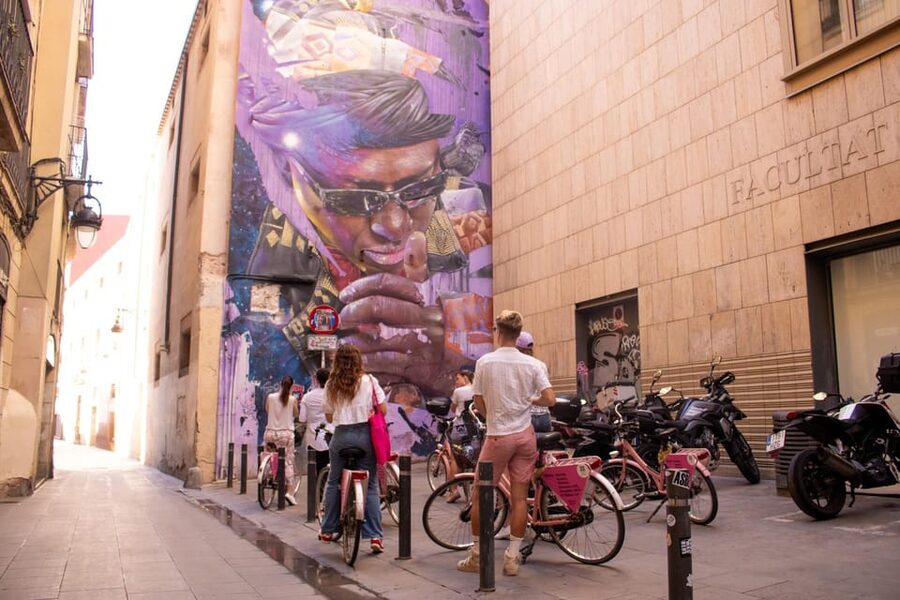
The tour also includes time along Passeig de Gracia, plus photo stops at:
- Casa Batlló
- Casa Mila
These appear as short photo stop moments in the schedule. The key is not to expect a full architectural lecture (the tour stays tied to your guide’s street-art and artist stories). Instead, these stops give you quick photo time and a chance to connect the city’s famous visual language with the street level art you’ve already been seeing.
If you’re someone who likes “contrast tourism” (high-profile places plus small-scale street details), this is the part you’ll appreciate most.
Practical value: why $177 for up to 2 can make sense
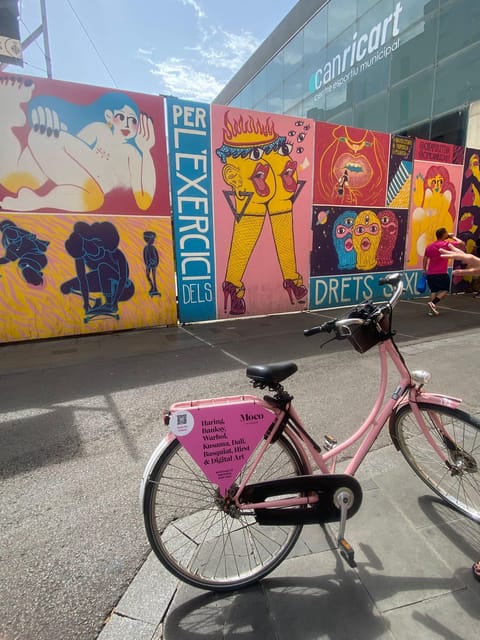
At $177 per group up to 2, this tour is priced for a small, private experience. You’re paying for:
- an English-speaking guide
- 1 bike per person
- water
- rain ponchos if needed
- helmets/child seats on request
- third-party insurance
- a route length of 2.5 hours that actually hits multiple areas
Is it cheaper than doing street art on your own? Sure. But the value is the guide’s time and the route logic. Without a plan, street art hunts can turn into wandering, backtracking, and missing the murals that are right in front of you.
Also, the tour’s strongest reviews reflect this exact benefit: more information than you’d expect from a short ride, delivered with real energy by the guide. When a tour earns top marks for that, it usually means the storytelling sticks with you instead of feeling like random facts.
One extra “value win” is the rain setup. The tour states it will go if it rains or shines, and ponchos are provided. That takes one major travel worry off your plate.
What to bring (and what can mess up the day)
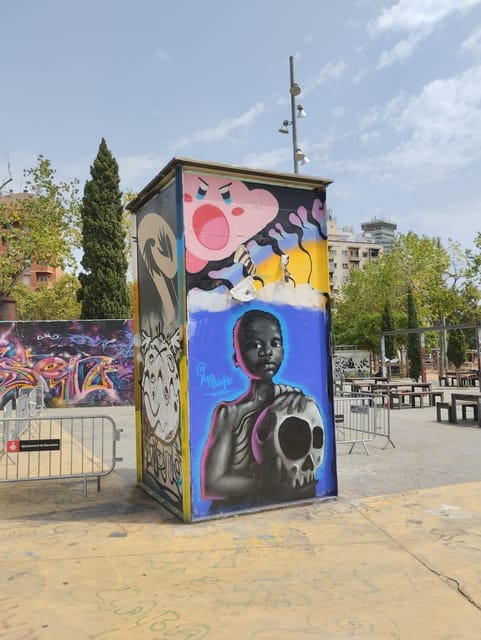
The tour lists a clear packing list. Bring:
- comfortable shoes
- sunglasses and a hat
- camera
- sunscreen
- comfortable, breathable clothing
- a charged smartphone
- passport or ID
For rules, here’s what you should not plan to do:
- no alcohol and drugs
- no headphones
- no bare feet
If you’re the kind of person who forgets small things, set a quick checklist now: sunscreen, water you can refill later, and closed-toe shoes. That’s what keeps the ride pleasant instead of annoying.
Who should book this street art bike tour
I’d steer you toward this tour if:
- you want street art stories tied to real places
- you like bikes and want a different way to see the city
- you prefer a private format where you can ask questions
- you’re comfortable riding for 2.5 hours with several photo stops
I’d skip it if:
- you can’t ride a bike confidently
- you need wheelchair access
- you’re traveling with younger kids who may not meet the e-bike age/height rules (remember: kids under 16 aren’t allowed on e-bike tours, and there’s a 160 cm minimum)
Should you book it?
If your goal is to see Barcelona street art with context, this is one of the cleanest ways to do it in a short time. The private group format helps, and the schedule is built around named mural stops like MURAL DEL SIDA (Keith Haring) and El Xupet Negre (Negrelab), plus contemporary culture locations and classic city landmarks.
Book it when you want guidance, not just sightseeing. Pass if you’re not confident on a bike or you need accessibility features not offered here. If you’re in the middle—comfortable riding, interested in art, and curious about how it connects to everyday Barcelona—this tour is a strong match.
FAQ
FAQ
Where does the tour start?
The meeting point is Carrer Dels Tallers 45 (Barcelona Ciclo Tour: The passage). The tour also lists drop-off at the same address.
How long is the Barcelona street art bike tour?
The duration is 2.5 hours.
What is the price and group size?
The price is $177 per group, up to 2 people.
Is the tour guide available in English?
Yes. The guide is English-speaking.
What’s included with the tour?
You get an English-speaking guide, 1 bike per person, a bottle of water, rain ponchos if needed, and helmets/child seats on request for free. Third-party insurance is included too.
Do I need to know how to ride a bike?
Yes. The tour says all participants must be confident riding a bike.
Are helmets provided?
Helmets are mandatory for children up to age 16 and are provided free of charge. Adults can request a helmet in advance.
What if it rains?
The tour goes in rain or shine. Free ponchos are provided if it rains.