REVIEW · BARCELONA
Raval Street Art and Graffiti Guided Tour in Barcelona
Book on Viator →Run by Street Art Barcelona · Bookable on Viator
Barcelona’s graffiti has a real backstory. On this Raval street art and graffiti tour, I love the small-group feel (max 15) and the chance to spend time at the Tres Chemineas skate spot, not just window-dressing murals. One drawback: meeting-point mixups can happen with map links, so double-check you’re at Jardins Talía before you join.
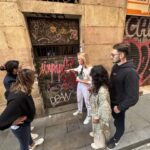
You’ll wander through Raval’s city-centre streets where art shows up on shutters, walls, and street-level surfaces that you’d usually pass at walking speed. The best part is how the guide connects the visuals to people and place—style, technique, and the social meaning behind what’s painted.
Plan for a focused 2-hour stroll in English. It’s priced at $32.58 per person, and it’s commonly booked about a month ahead, so I’d grab a spot early if your dates are tight.
In This Review
- Key highlights worth planning for
- What you’re really seeing in Raval (not just pretty walls)
- Meeting at Jardins Talía: the start point detail that can save your morning
- The walk through Raval’s popular streets: why the route feels different
- Tres Chemineas: the skate spot stop that makes the tour feel alive
- The guide factor: what makes tours like this truly work
- Small group size (15 max) changes how much you get out of it
- Price and value: is $32.58 worth two hours in Barcelona?
- Practical tips to make your tour smoother and better
- Who should book this Raval graffiti tour?
- Should you book this tour? My decision guide
- FAQ
- How long is the Raval street art and graffiti guided tour?
- What’s the group size?
- What language is the tour offered in?
- Where do I meet the guide, and where does the tour end?
- Is food included?
- What if the tour gets canceled?
Key highlights worth planning for
- Small group size (15 max) keeps the walk interactive, not lecture-y
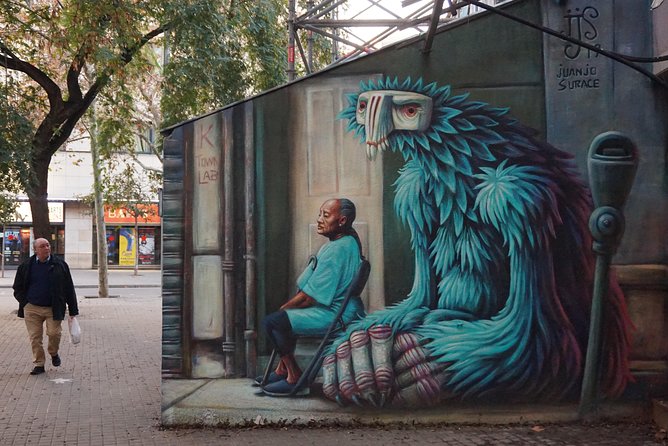
- Raval street art stops you’d miss alone—the kind of details you only notice when someone points them out
- Tres Chemineas skate spot time gives the vibe more reality than a photo stop
- Guides with street-artist perspective can make the techniques and choices click faster
- Photo-friendly route with lots of chances to shoot close-up details
- Rambla-to-Raval context helps you connect different parts of Barcelona’s street art scene
What you’re really seeing in Raval (not just pretty walls)
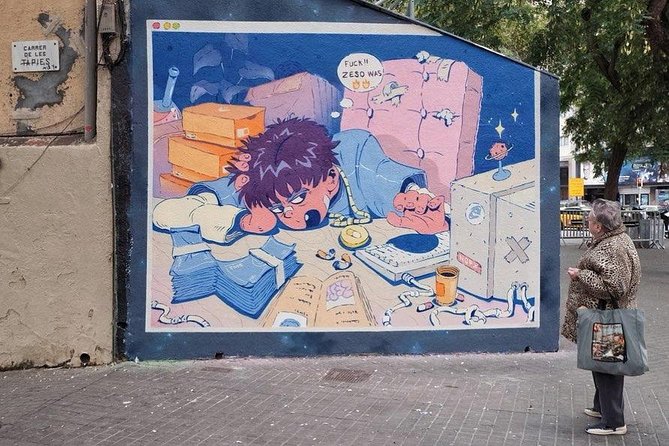
A street art tour lives or dies on interpretation. This one does the smart thing: it treats graffiti and street art as a language, not a decoration. You’ll see how messages, signatures, and styles work together—sometimes clearly political, sometimes personal, often both.
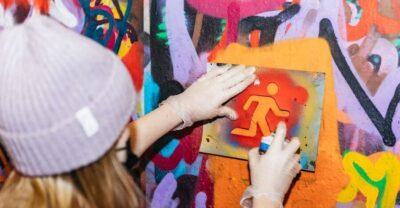
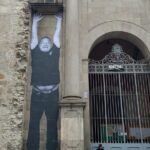
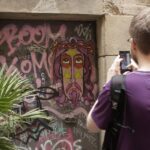
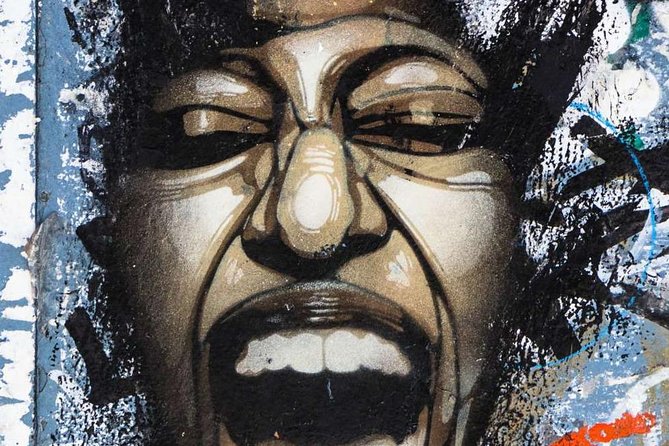
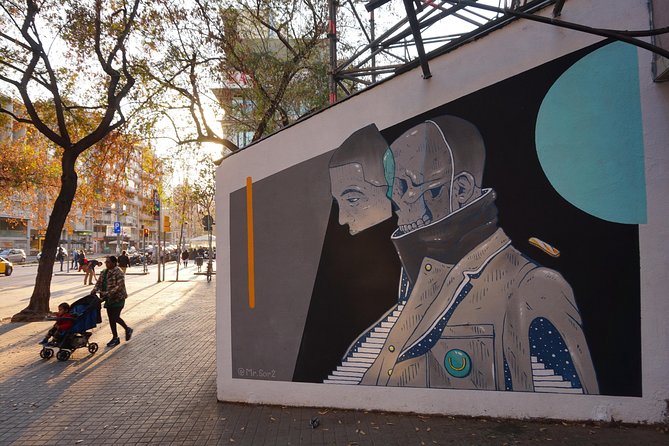
In Raval, art sits right at street level. That means the best views are often at the same height you’d stand while waiting at a crosswalk, not up on some distant rooftop. You might notice work on shutters, paste-ups, and other surfaces that blend into the neighborhood until someone explains what you’re looking at. The pay-off is that you start spotting patterns on your own later—tag placement, recurring symbols, and how layers build over time.
There’s also a practical emotional layer to Raval. It’s a neighborhood that has been shaped by changing residents and money moving in. In the tour flow, that reality shows up as context for why certain walls get painted, how communities respond, and why people care when styles shift.
You can also read our reviews of more tours and experiences in Barcelona.


Meeting at Jardins Talía: the start point detail that can save your morning
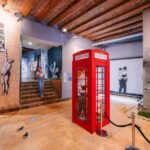
The tour starts at Jardins Talía, Sant Antoni, Eixample (08015). That’s not the same area as the end point near the Museu d’Art Contemporani de Barcelona at Plaça dels Àngels (08001). If you use a navigation app blindly, it’s easy to end up at the end location instead of the beginning.
Here’s the simple move: before you leave your hotel, open the map and zoom in until you can see what the meeting area actually looks like. If you’ve got an itinerary on your phone, make sure the address matches the Jardins Talía start—not the Plaça dels Àngels end.
Also, arrive a few minutes early. Even though it’s a walking tour with a set route, the first minutes matter. You want the tour to start at the same place the guide intends—otherwise you’ll be chasing context while the group is already rolling.
The walk through Raval’s popular streets: why the route feels different
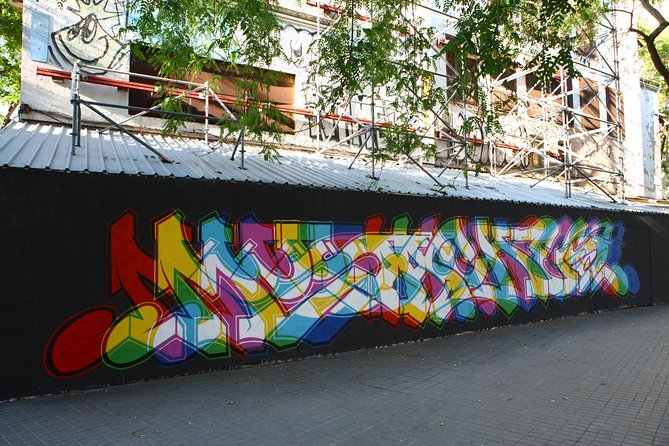
Once you’re moving, you’ll get a guided version of Barcelona’s city-centre textures—old streets, tight corners, and that mix of everyday life with art scribbled into the background. The tour frames this as discovering an antic popular neighborhood. Translation: you’re not just hunting murals. You’re learning how Raval’s street art fits the way the neighborhood looks and works.
Expect the guide to point out details that change how you read the street:
- Signs and street-level structures used as canvases
- Different graffiti formats—tags, larger pieces, and pasted work
- How artists repeat themes, and how styles evolve in response to the neighborhood
If your ideal Barcelona day includes getting away from the loudest tourist loops, this is a good match. It’s also one of the easier ways to get comfortable in Raval’s lanes without wandering in circles.
A small caution: street art is subjective. If you’re only into museum-style art, you might not feel the magic at every stop. The tour helps, but you still need some openness to find meaning in everyday walls.
Tres Chemineas: the skate spot stop that makes the tour feel alive
One of the most practical reasons to pick this tour is the time at Tres Chemineas, described as a legendary skate spot. This matters because street art doesn’t happen in a vacuum. Skaters, youth culture, and street communities often share the same spaces and influences.
When you hang out there, you’re not just looking at art that happens to exist around the neighborhood. You’re seeing a piece of the scene that helps street art make sense—how creativity, movement, and identity intersect in a real public setting.
Also, this stop tends to “slow” the tour in a good way. You get a moment to absorb the vibe, not only capture photos. It’s the kind of stop where you’ll likely notice how the surrounding walls and artworks connect back to people using the space.
The guide factor: what makes tours like this truly work
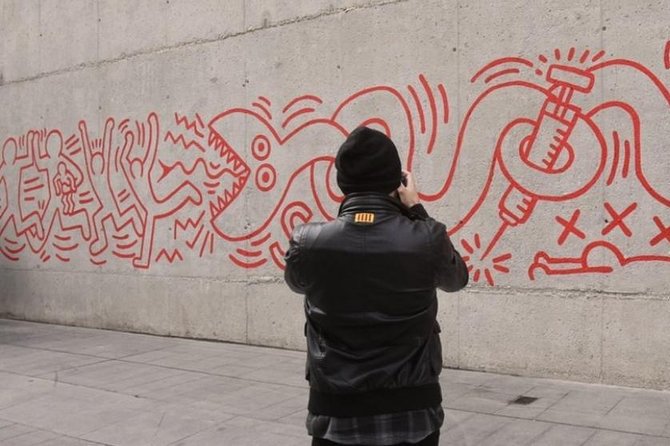
A big reason this tour earns strong ratings is the guide style. The walk becomes a story with specific names, techniques, and reasons behind the choices—not just a list of what’s on a wall.
You might get guides with street-artist ties. For example, Juan is described as a street artist himself, and that shows in the way he talks through the art. Olga, Jeanne, Anaïs, and Jan are also named in feedback, and the common thread is an ability to connect the dots between artwork, artists, and neighborhood history.
In real terms, that means you’ll understand things like:
- why certain walls get targeted
- how styles communicate different messages
- how the neighborhood shape affects what artists make
You’ll also hear guide-led detours when something nearby sparks interest. One person mentioned a detour relating to an older church in the area, explained in a way that added depth to the neighborhood context. That kind of flexibility keeps the tour from feeling rigid.





Small group size (15 max) changes how much you get out of it
A max group of 15 sounds like a marketing number. It matters because this is a walking tour where questions and pacing matter.
With a smaller group, you’re more likely to get:
- time at the best walls instead of rushing past
- clearer explanations on the spot
- a better chance to match the route pace to your comfort level
It also helps when there’s confusion. One experience described the tour happening in reverse to accommodate an early mixup with the meeting point—and the guide adjusted so the tour still made sense. That kind of flexibility is much easier with a small group.
Price and value: is $32.58 worth two hours in Barcelona?
At $32.58 per person for about 2 hours, you’re paying for something you can’t easily DIY: an intentional route plus interpretation. The tour includes a local guide and focuses on street art in hidden corners of Raval, along with context about Barcelona’s art scene.
What’s not included is also clear. You’re on your own for extra food and drinks and there’s no hotel pickup/drop-off. That means you should plan to arrive fed—or plan a snack after.
For value, I look at the balance:
- You’re not paying for transport or a big bus
- You get a guided “decoder” for street-level art
- The route includes a scene stop at Tres Chemineas, which adds real atmosphere
If you love learning the why behind what you see, this price fits the experience well. If you mostly want exercise and photos with zero interpretation, you might find it feels pricier than a casual walk.
Practical tips to make your tour smoother and better
Here are the small things that pay off on this kind of street art walk:
- Wear shoes you can walk in for two hours. Raval lanes aren’t set up like a theme park path.
- Bring your camera phone and keep it charged. Close-up shots of stickers, paste-ups, and layers can look amazing later.
- Go earlier in your trip if you can. One of the best pieces of advice from past experiences: learning to “read” street art early changes how you notice the city on the rest of your days.
- Use the start-point address from the confirmation, not just a map thumbnail. The most common avoidable problem is ending up at the finish location by mistake.
Who should book this Raval graffiti tour?
This tour fits best if you want one of these outcomes:
- You want off-the-beaten-path Barcelona without feeling unsafe or lost.
- You enjoy street art as a social medium—style, technique, and meaning.
- You like a walking format with time to stop and look closely.
- You’d rather get context from a guide than try to interpret murals through guesswork.
It’s also a smart choice for mixed groups: one person might care about art style, another about neighborhood history, and the tour structure helps both stay interested.
If you’re not into street art at all, you may still enjoy the neighborhood walk. But you’ll probably feel the “art explanation” portion more than the scenery portion.
Should you book this tour? My decision guide
Book it if you:
- want a small-group street art experience in Raval
- like learning stories behind what you see on the street
- are excited by the idea of a stop at Tres Chemineas
Consider skipping or choosing another option if:
- you hate meeting-point uncertainty and need everything ultra-simple
- you’re mainly chasing museum art and don’t care much for street-level work
- you’re traveling on a day with very tight timing and can’t handle a possible reschedule
One more real-world note: sometimes tours don’t run exactly as planned. An incident involving the guide led to a reschedule/cancellation for at least one group, and full reimbursement was mentioned. That’s rare, but it’s worth remembering if your schedule is locked to the minute. If street art is a priority, it’s still a good bet, especially when you book with enough flexibility.
FAQ
How long is the Raval street art and graffiti guided tour?
It runs for about 2 hours.
What’s the group size?
It has a maximum of 15 travelers.
What language is the tour offered in?
The tour is offered in English.
Where do I meet the guide, and where does the tour end?
The tour starts at Jardins Talía (Sant Antoni, Eixample, 08015 Barcelona) and ends at Museu d’Art Contemporani de Barcelona, Plaça dels Àngels 1 (Ciutat Vella, 08001 Barcelona).
Is food included?
No. Extra food and drinks are not included.
What if the tour gets canceled?
Free cancellation is available up to 24 hours in advance for a full refund. If the tour is canceled because a minimum number of travelers isn’t met, you’ll be offered a different date/experience or a full refund.