REVIEW · MILAN
Street Art&Urban Vibes in Milan’s Most Exciting Rising Areas
Book on GetYourGuide →Run by FollowMi Around · Bookable on GetYourGuide
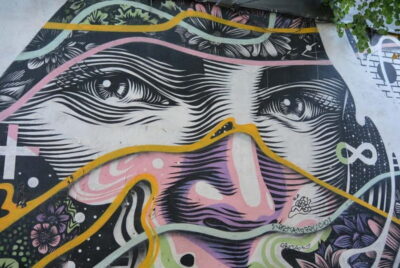
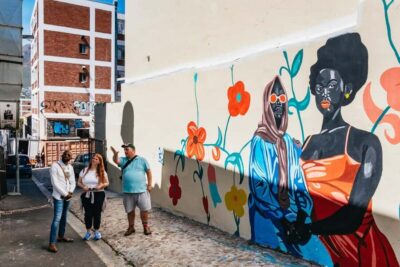
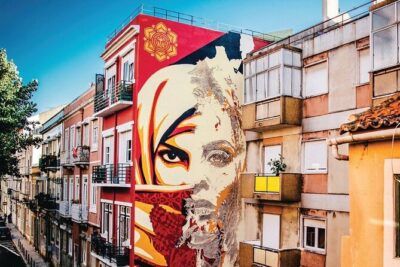
Street art in Milan has a second life. On this 2-hour walk, you track open-air artworks across Milan’s newer, less-touristy streets, guided by someone who can read the city’s visuals like a map. It’s part photo safari, part neighborhood hangout, and part quick lesson in why street art matters here.
I especially like the local guide angle, since you don’t just look at murals—you get context about Milanese and Italian street art and what’s behind the images. I also like that you’ll do multiple photo stops along everyday streets like Via Padova and Via Giovanni Pontano, so the route feels grounded instead of staged.
One drawback to consider: at $94 for two hours, you should come with realistic expectations. If you’re chasing wall-to-wall mega pieces, you might find some walls less dramatic than you hoped, even with an excellent guide.
In This Review
- Key things that make this Milan street art walk worth your time
- Why Milan’s emerging street-art areas feel different (and better)
- Start at Pasteur: a simple meeting point that gets you moving fast
- Via Padova: the first street-art mood shift
- Via Giovanni Pontano: why the “stories behind the paint” matter
- Viale Monza: switching from art hunt to neighborhood reading
- The mosso stop: catching creativity on side streets
- Bici&Radici and Hug: where murals meet alternative culture
- What you’re really paying for: $94 for context, pacing, and access
- The guide experience: Simon and Marco-style street art storytelling
- How to get great photos without turning the walk into a traffic jam
- Who should book this Milan street art urban vibes walk
- Should you book it? My honest call
- FAQ
- How long is the street art tour?
- What does it cost?
- Where does the tour start and where do you meet?
- Is the tour private?
- What languages are available?
- Is it wheelchair accessible?
- Is public transportation included?
- Can I cancel for a refund?
Key things that make this Milan street art walk worth your time
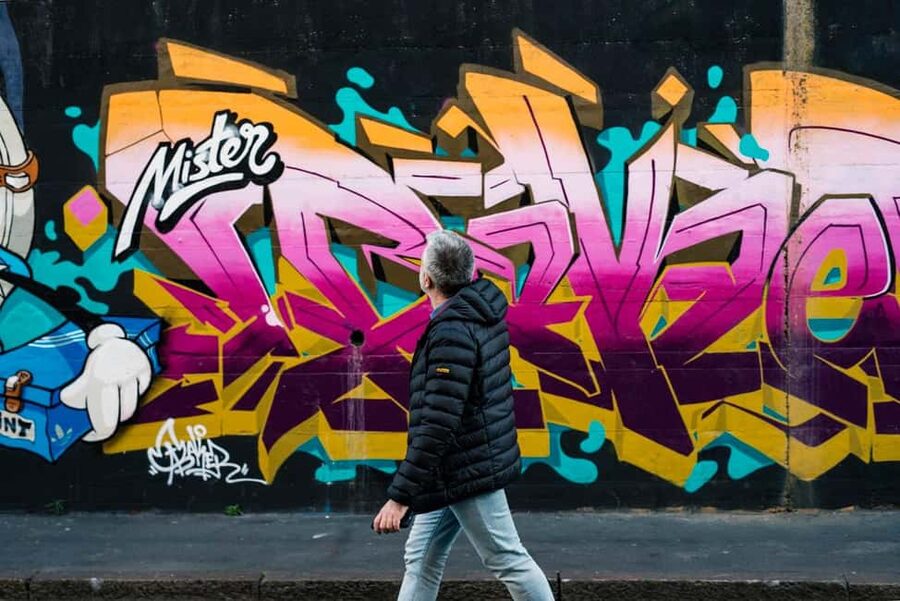
- A guided route through rising neighborhoods where street art blends into daily life, not tour circuits.
- Photo stops built into the pacing, so you can shoot without slowing the group to a crawl.
- Street-art context on the go, including ideas about Milanese and Italian street art and its social role.
- Small alternative businesses on the route, which help the murals feel part of a living community.
- Strong guide energy highlighted by Simon and Marco, both praised for making the walk informative and friendly.
- Private group format, which usually makes it easier to ask questions and tailor your photo pace.
Why Milan’s emerging street-art areas feel different (and better)
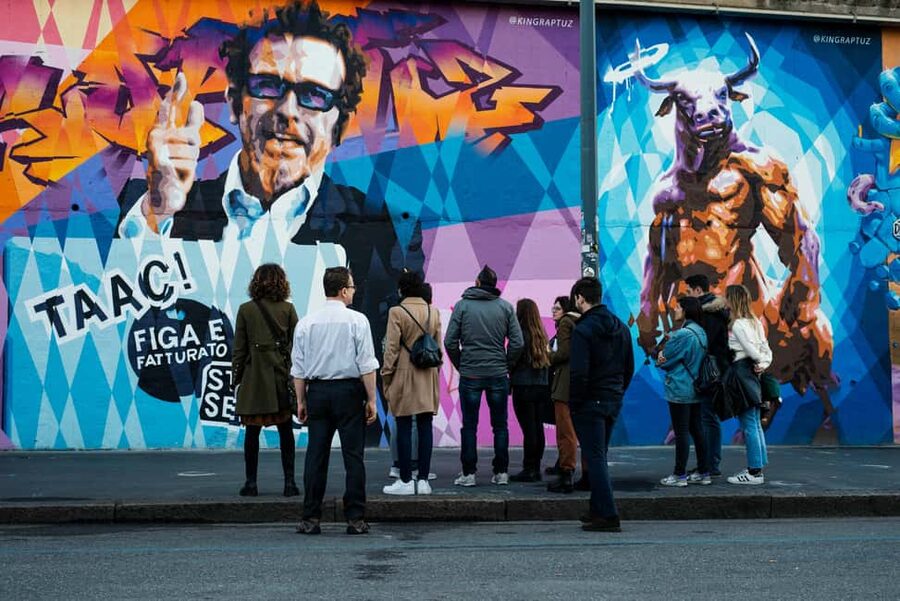
Milan can look polished and controlled, especially around the big sights. This experience takes you to a side of the city where creativity spills onto working streets and ordinary buildings. The result is a walk that feels more like street-level culture than a museum visit.
What I like most is the mix: art, everyday life, and neighborhood texture. You’re not only hunting images for your camera—you’re learning how street art functions in Milan right now. In the tour’s own framing, it’s not just decoration. It can be commentary, protest, and a way for communities to speak.
For a lot of people, that’s exactly the “Instagram adventure” they want. But if you prefer something deeper than pictures, you’ll still get value. You’ll get notions about the history of Milanese and Italian street art, plus the stories that make the murals make sense in context.
You can also read our reviews of more tours and experiences in Milan.
Start at Pasteur: a simple meeting point that gets you moving fast
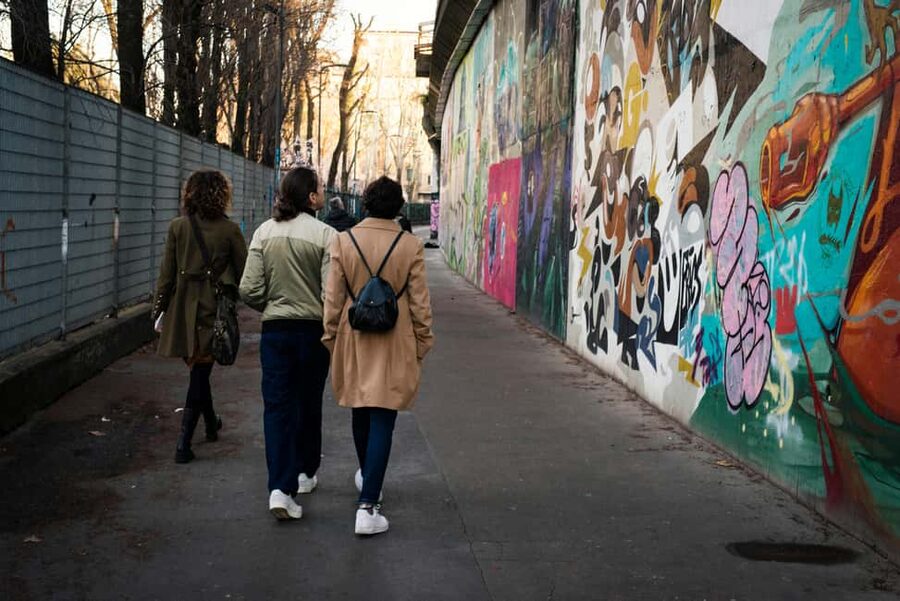
You meet around Pasteur, specifically in front of the Scaringi pastry shop. That’s the kind of start that matters because it reduces stress. You arrive, you find the group, and you’re off.
Why this helps: a street art walk lives or dies on momentum. You’ll want time to look carefully, take photos, and let the guide explain what you’re seeing. Starting in one easy-to-find spot helps you use your 2 hours well.
Also, the tour is designed as a private group and is listed as wheelchair accessible, so the pace is meant to work for more than just fast-walking enthusiasts. You’ll still be outside and walking, but it’s not presented as a stunt or a race.
Via Padova: the first street-art mood shift
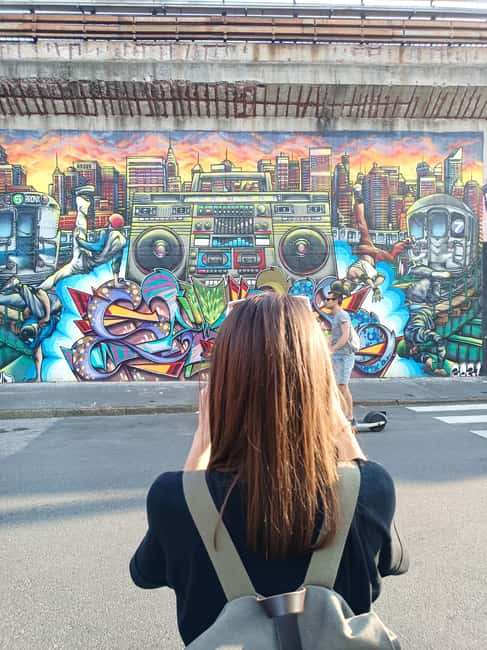
Via Padova is your early photo stop, plus a guided walk segment. This is where the tour usually “turns the key” from Milan-the-city you know into Milan-the-wall you didn’t expect.
Here’s what to pay attention to on Via Padova:
- How murals respond to the street layout—where a piece sits relative to corners, entrances, and passing viewpoints.
- The mix of styles, since Milan street art isn’t only one aesthetic. You may see bolder mural work alongside smaller, more graphic interventions.
- How the guide links what you see to the bigger story of Milanese street art: not just the image, but why it’s placed here.
Possible drawback: the first stop can set the tone, and that means your expectations may rise fast. If your mind is already chasing the biggest masterpiece on the route, you might feel slightly underwhelmed if a given wall is more subtle. I’d fix that by focusing on variety rather than intensity.
Via Giovanni Pontano: why the “stories behind the paint” matter
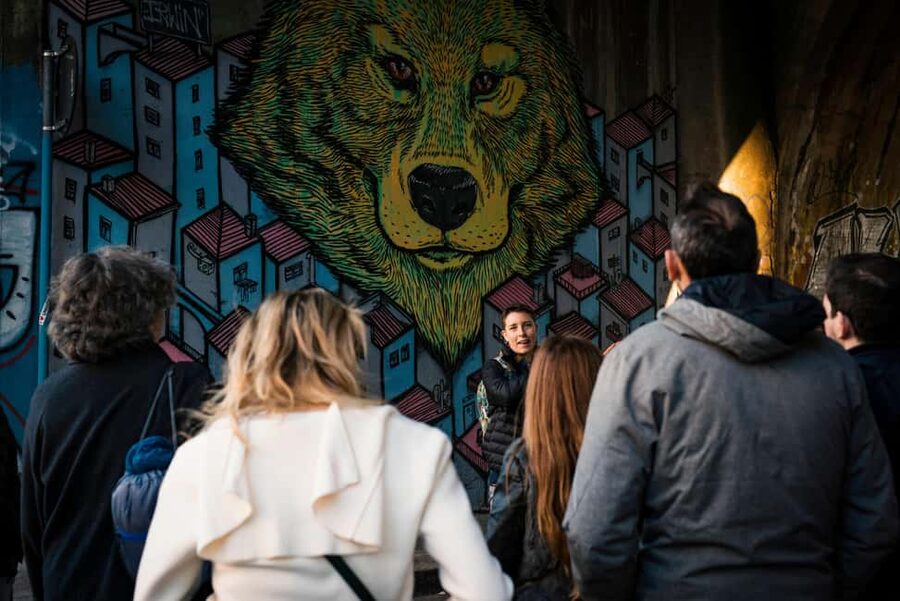
Next up is Via Giovanni Pontano—another photo stop and guided segment. This stretch is where the tour’s value becomes clear: the guide isn’t only pointing at art. They’re explaining how street art works as a language.
A useful way to think about this stop: street art is often a conversation between artists and the city. The images are visually strong, but they also carry ideas. The tour’s framing focuses on the history of Milanese and Italian street art and how the current scene reflects past influences.
What you’ll likely notice while you’re there:
- The way different streets can feel “built for” different styles—some corners invite big compositions, while others fit smaller, quicker statements.
- The social undertone: the idea (explicit in the tour description) that on working-class streets, street art can act as protest or pushback.
- The blend of past and present. Even if you’re not taking notes, you’ll start recognizing patterns in themes and placement.
If you care about more than photos, this is one of the most important legs of the route.
Viale Monza: switching from art hunt to neighborhood reading
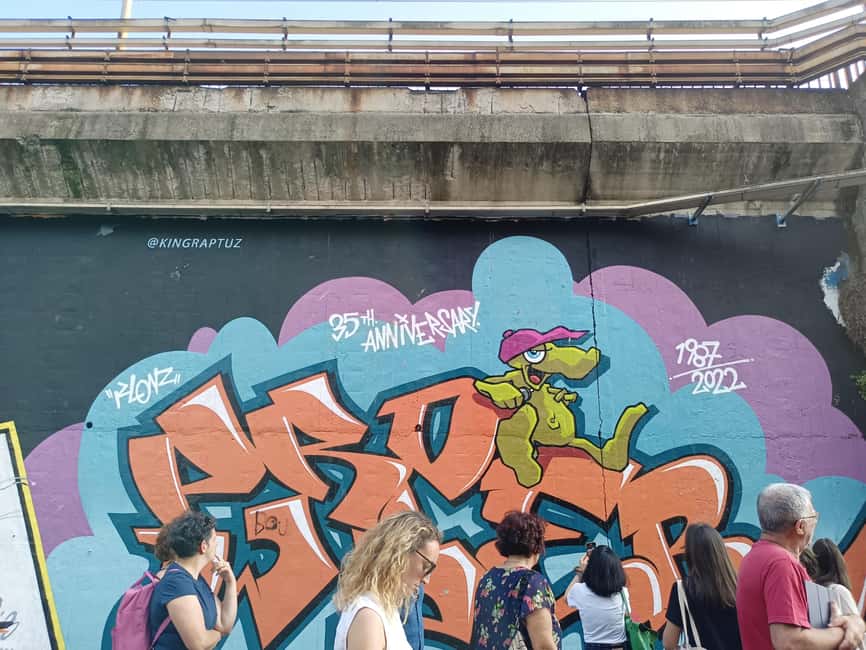
Then you move to Viale Monza, again with photo stop, visit, and guided touring. This is the point where the walk starts feeling like a real neighborhood journey rather than a sequence of murals.
I like Viale Monza because it helps you read the city around the art. Street art doesn’t exist in a vacuum. You see storefronts, everyday street habits, and the general vibe of the area—so the murals feel connected instead of random.
A practical note: bring an eye for details. At this stage, the guide’s explanations should make you look differently. You’ll stop seeing only colorful surfaces and start noticing placement choices, repetition, and the relationship between images and local street life.
Potential drawback: if you mainly want the highest-impact murals, this leg might feel a touch slower or more “observational.” But for me, that’s where the tour becomes worth the price—because the context changes how you understand what you’re seeing.
The mosso stop: catching creativity on side streets
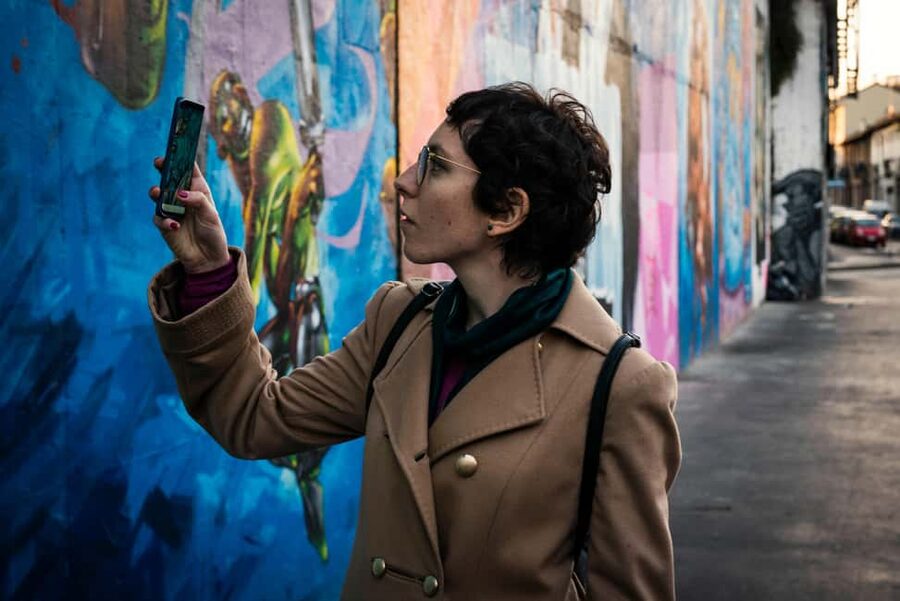
The itinerary includes mosso as another photo stop with guided touring. The name reads like a neighborhood or micro-area within the broader route, and that’s what I’d treat it as: a chance to slow down and notice the street-level creativity that often hides in plain sight.
Since the tour’s theme is Milan’s rising districts with open-air artwork, this stop supports the main promise: you’re exploring areas where tourists don’t usually spend time, and where street art functions as part of the neighborhood’s identity.
What to do here:
- Look for pieces that feel connected to the surrounding buildings rather than “floating” on a blank wall.
- Use the guide’s context to interpret what the imagery might be responding to locally.
- Take a few wider shots, too—not just close-ups. This is the spot where you’ll learn how the urban setting frames the artwork.
Bici&Radici and Hug: where murals meet alternative culture
Two stops—Bici&Radici and Hug—appear later in the route as photo stops with guided touring. I wouldn’t overthink the names, but I would pay attention to why they’re included: the highlights mention getting to know small and alternative businesses, and these are exactly the kind of places that help bridge art and community.
This matters because street art becomes more believable when you can sense the local ecosystem around it:
- Are you near creative businesses that support the “scene”?
- Does the street feel like it has ongoing energy, not just weekend foot traffic?
- Do the artworks feel like they belong to what’s happening here today?
You might also find that the guide’s explanations start to connect the dots between murals and the personalities or industries that keep these neighborhoods moving. Even if you only catch fragments, that’s the payoff: you leave with a sense of how the city’s creative energy works.
Possible drawback: if you expected every stop to be a major mural wall, these business-adjacent pauses might feel a bit more about atmosphere than about art spectacle. Still, it’s a strong fit for anyone who wants the neighborhood vibe, not just Instagram frames.
What you’re really paying for: $94 for context, pacing, and access
The price is listed as $94 per person for 2 hours. That’s not cheap, so I’d judge value by what you get beyond a self-guided stroll.
Here’s what the experience includes that can justify the cost:
- A street art lover local expert guide (live, English or Italian), which is the biggest difference-maker.
- Multiple guided photo stops, so you get time to look properly and shoot without losing the thread.
- Notes about Milanese and Italian street art history and how street art can be protest or social commentary.
- A route through less tourist-heavy rising areas where you’d probably wander past murals without understanding them.
- A private group format, which tends to make the experience feel more responsive and personal.
When price can feel “too high”: if you’re the type who mainly wants a checklist of famous mural walls, and you don’t care about meaning or local context. One of the concerns reflected in guide feedback is that some people wanted more from the street art itself for the money. In that case, the fix is simple: go expecting variety and interpretation, not a single highlight reel.
My take: if you like guided street-level storytelling, $94 for two hours can feel fair. If you’re only chasing maximum visual wow, you may be disappointed.
The guide experience: Simon and Marco-style street art storytelling
Two names show up in the feedback around guide quality: Simon and Marco. The praise pattern is consistent—both are described as making a genuine effort, keeping things informative, and revealing corners that aren’t the usual tourist route.
What that tells you as a prospective buyer: the guide quality is central here. The tour’s value isn’t only about murals. It’s about:
- Helping you notice what you might otherwise miss.
- Explaining how Milanese street art connects past and present.
- Sharing small surprises along the way, which makes the walk feel less like a lecture and more like a guided discovery.
If you care about learning while you walk, this is the right kind of tour. If you prefer silent roaming with your own research, you could save money and go solo—but you’d miss the added meaning.
How to get great photos without turning the walk into a traffic jam
Since this is built around photo stops, you’ll have chances to shoot. Still, street art photography rewards a bit of strategy:
- Start with wide shots first, then close-ups. That way you’ll capture the mural in context and also the details.
- Keep your filming gear simple if you’re traveling with a group. The tour is paced for walking, not for long tripod setups.
- Ask your guide what to look for before you shoot. When they explain a theme or placement reason, your photos become better.
The route is outside, so wear comfortable shoes. You’ll be standing, walking, turning corners—Milan sidewalks can be uneven, and you’ll want your energy.
Who should book this Milan street art urban vibes walk
This tour fits best if you:
- Want an alternative neighborhood walk with a local expert.
- Enjoy street art with context—history, social meaning, and how ideas show up on walls.
- Like combining street visuals with small local businesses.
- Prefer a private group experience where you can move at a comfortable pace.
It may be less ideal if you’re:
- Only interested in the most famous mural walls and nothing else.
- Extremely sensitive to art “quantity.” Some walls may feel smaller or less intense than your personal best-case scenario.
Should you book it? My honest call
I’d book this tour if your idea of a great Milan day includes street-level storytelling, not just sightseeing. The $94 price makes sense when you value interpretation, pacing, and a guide who helps you see what you’re looking at.
I’d think twice if you’re expecting a greatest-hits mural parade where every stop delivers a huge, obvious masterpiece. The walk is designed for variety and meaning across emerging areas, so the best results come from going in with curiosity.
If you want a balanced blend of art, neighborhood vibe, and practical guidance in just two hours, this is a strong option.
FAQ
How long is the street art tour?
It lasts 2 hours.
What does it cost?
The price is $94 per person.
Where does the tour start and where do you meet?
You meet in front of the Scaringi pastry shop, around Pasteur.
Is the tour private?
Yes, it’s listed as a private group.
What languages are available?
The live guide offers English and Italian.
Is it wheelchair accessible?
Yes, the tour is listed as wheelchair accessible.
Is public transportation included?
No. Public transportation to reach the meeting point is not included.
Can I cancel for a refund?
Yes. Free cancellation is available up to 24 hours in advance for a full refund.