REVIEW · MILAN
Milan: Street Art Tour of Ortica, Milan’s open air museum
Book on GetYourGuide →Run by Tour in Milan · Bookable on GetYourGuide
Street art in Milan isn’t just decoration. It’s a story engine, and Ortica is where you’ll see it written large on real neighborhood walls. Ortica’s open-air museum feel plus the Or.Me. Project murals make this tour a smart way to understand how public art changes a place. I also like that it’s paced for photos and questions, not just a rushed sightseeing walk. One watch-out: you’ll be walking backstreets, so if you want a lot of different buildings/doorways per stop, you may find the route focuses more on mural walls than on “street-life” house-to-house stops.
In This Review
- Key Highlights That Make This Tour Worth Your Time
- Ortica’s Walls: How Milan Turned Street Art Into Memory
- Finding the Start: Argonne Metro and a Calm Opening Pace
- The Main Walk Through Ortica’s Open-Air Museum District
- Why the Or.Me. Murals Feel Personal, Not Just Artistic
- Photo Stops: Shooting Murals Without Losing the Plot
- Free Time: A Breather for Your Eyes (and Your Feet)
- The Final Legs: More Stories, Then a Viewpoint
- Price and Value: Is $49 Fair for Two Hours?
- Who Should Book This Ortica Street Art Tour
- Should You Book This Ortica Street Art Walk?
- FAQ
- Where does the tour start?
- How long is the Ortica street art tour?
- How much does it cost?
- Is the tour guided in English?
- How big is the group?
- What’s included in the price?
- Is transportation or food included?
- Can I cancel or change my plans?
- Is the tour wheelchair accessible?
Key Highlights That Make This Tour Worth Your Time
- Ortica’s transformation: from industrial fringe and working-class edges to Milan’s first open-air museum district.
- Or.Me. Project murals: over 20 large-scale works tied to Milan’s collective memory.
- A local guide’s street-art context: how graffiti grew from underground rebellion to recognized culture.
- Story themes you can actually read: heroes, workers, musicians, activists, and forgotten figures.
- Photo-friendly pacing: scheduled stops so you can frame shots without sprinting.
- Small group size (max 8): more time for questions and easier conversation with your guide.
Ortica’s Walls: How Milan Turned Street Art Into Memory
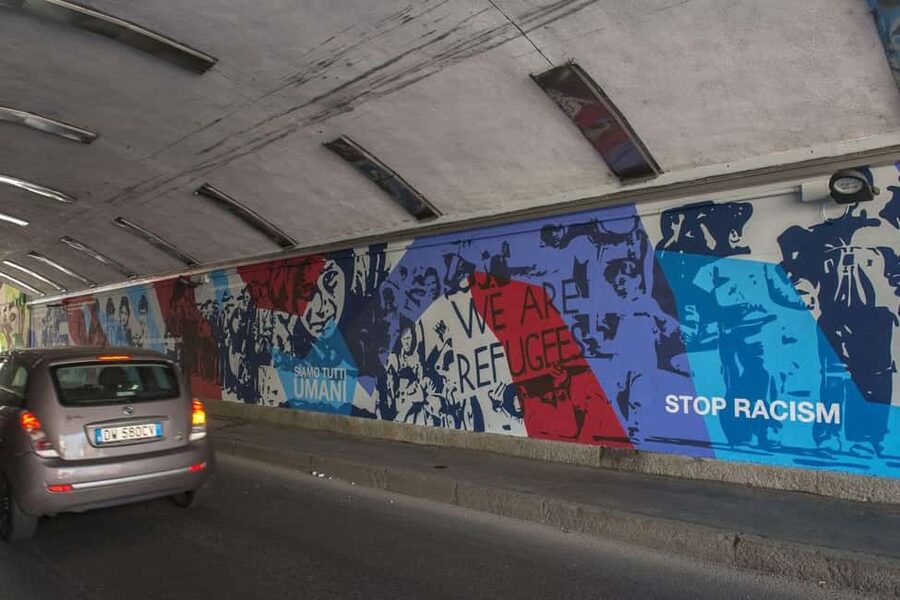
Ortica feels different the moment you start looking up. This is one of the first places in Milan where street art has become a visible civic project, not a random burst of color. And that matters, because street art here is tied to history: Ortica was shaped by viaducts, railway tracks, and the Lambro River, and for a long time it sat a bit off the map.
What you’re really chasing on this tour is the meaning behind the images. A simple tag can be stubborn self-expression. A huge mural can be a community message. In Ortica, those messages link to the Or.Me. Project (Ortica Memoria), created by the local artist collective Orticanoodles, and built around the idea that walls can hold memory—who people were, what they worked for, and what they believed.
I like that the tour doesn’t treat murals like wallpaper. You’ll learn how street art evolved in Milan, the range of techniques and styles used today, and why these pieces shifted public space from gray to narrative. If you like culture that you can’t get in a museum room, this is your kind of walk.
You can also read our reviews of more tours and experiences in Milan.
Finding the Start: Argonne Metro and a Calm Opening Pace
You begin outside the metro stop Argonne (Line 4). The guide meets you there holding the agency logo, so you’re not playing a guessing game for long. From there, the tour starts with a short guided segment—about 15 minutes—meant to get everyone oriented before the real neighborhood wandering.
This opening matters more than it sounds. A good street-art guide teaches you how to look. You’ll start picking up the difference between quick graffiti gestures and mural-scale storytelling. You’ll also get a sense of how the neighborhood’s geography influenced its vibe—important in Ortica, since the district’s past included barriers like tracks and viaducts.
If you’re the type who likes to understand the “why” before the “wow,” this is a strong start. It also sets expectations for the pace and photo moments that come later.
The Main Walk Through Ortica’s Open-Air Museum District
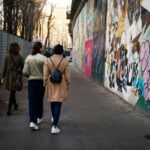
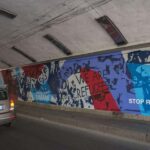
Once you’re into Ortica, you get the core stretch of the tour: around 45 minutes focused on the neighborhood’s street-art highlights. This is where your guide leads you through backstreets and hidden alley-like sections, the kind of paths that make an urban art tour feel more like discovery than checklist tourism.
The big theme during this part is the district’s shift over the last decade. Ortica went from industrial fringe and a somewhat forgotten working-class area to Milan’s first open-air museum district. The murals aren’t just pretty additions; they’re part of how the neighborhood reframed itself—public art becoming a language for community identity.
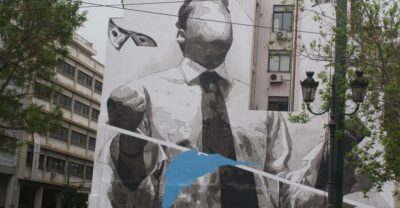
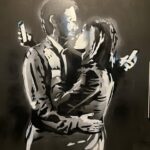
You’ll also hear how the Or.Me. Project connects the art to people. The murals tell Milan’s collective memory through figures and themes like heroes, workers, musicians, activists, and even those who got ignored by mainstream narratives. The tour highlights that each mural is more than paint on a wall: it connects to a broader community storytelling project created with residents’ involvement.
One more thing I appreciate: you’re not only shown finished murals. You’ll learn about the evolution of graffiti and street art in Milan, including the shift from underground rebellion toward recognized cultural form. That turns the walk into a real cultural lesson—without getting so academic that you stop caring about the art.
Why the Or.Me. Murals Feel Personal, Not Just Artistic
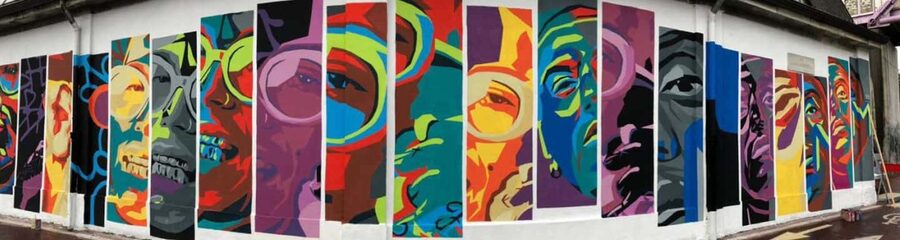
The Or.Me. Project is the centerpiece for a reason. It’s described as monumental urban art tied to Ortica Memoria, and the tour frames it as a living museum that speaks to history, identity, and hope. You’ll see how it covers big categories of memory: who built the city, who shaped its sound and culture, and which voices were pushed aside.
As you walk, your guide should help you connect specific murals to broader themes. You’ll encounter stories linked to anti-fascist partisans, jazz legends, factory workers, and feminist icons. Even if you don’t know every historical reference beforehand, the mural storytelling structure makes the meaning easier to follow.
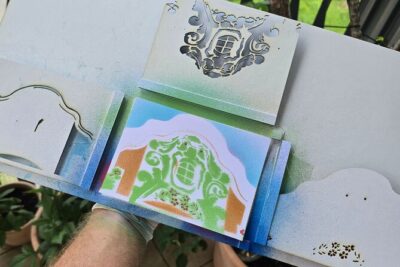
I also like the emphasis on technique and style. Street art can look chaotic to first-time eyes, but it’s often organized by method: stencil-like sharpness, hand-painted realism, typography-based messaging, layered textures, and more. When your guide points out those differences, you start seeing why one mural might feel urgent and another might feel reflective.
And here’s the practical takeaway: these murals are designed to be read at walking speed. You’re not expected to memorize details. You’re expected to notice patterns and themes, and to understand how public art can act like a neighborhood conversation.
Photo Stops: Shooting Murals Without Losing the Plot
There are scheduled breaks built into the flow: a photo stop (about 10 minutes) and another photo window at a viewpoint (about 10 minutes). This is a smart design choice. If a street-art tour forces nonstop motion, you end up sprinting and photographing in panic. Here, the pauses let you slow down.
For the photo stop segments, think less about getting a single perfect frame and more about capturing the story elements: faces, symbols, text, and the relationship between the mural and the surrounding street. Ortica’s walls aren’t floating in an empty gallery. They sit next to real streets, real corners, and real neighborhood textures.
Also, keep your eyes open for composition clues. The viewpoint moment near the end gives you a wider angle option—useful for showing how the district’s streets and mural walls fit together. If you like travel photos that explain a place, not just decorate your camera roll, these stops help.
A small but important reminder: photography is encouraged, but you’ll want to respect the art and the neighborhood. That means no grabbing, touching, or treating murals like props.
Free Time: A Breather for Your Eyes (and Your Feet)
You’ll get about 10 minutes of free time during the tour. In practice, this is the moment to do two helpful things: (1) take extra photos of the mural wall(s) that caught you most, and (2) look around for details your guide may not have time to fully describe.
This is also where you can reset your perspective. Street art is visual, but meaning takes a second look. During free time you can step back, zoom out mentally, and compare styles: what feels new, what feels like a call-back, and what feels like a community response.
One practical note: wear comfortable shoes. You’re on your feet through backstreets and alleys, and Ortica isn’t a sit-and-stare museum environment. Good walking shoes make the tour feel smoother, and they’ll save your legs for the viewpoint photo moment.
The Final Legs: More Stories, Then a Viewpoint
After the main guided section and the photo/free time pauses, the route continues with additional guided segments—one around 20 minutes and another around 10 minutes—before the final viewpoint photo stop. This second guided push is where you consolidate what you learned.
Often, the first part of a street-art tour gives you the wow factor. The later part helps you connect the wow to context: how the murals represent memory, how the Or.Me. Project is tied to community involvement, and how public art can shift how people feel about where they live.
In a neighborhood tour like this, the end matters. The viewpoint stop gives you a last chance to see the district’s street-art presence in a broader frame. It’s a nice way to close the loop: you started close-up, then you end with perspective.
Price and Value: Is $49 Fair for Two Hours?
At $49 per person for about 2 hours, this tour is priced in a way that makes sense if you care about guided interpretation—not just walking for photos. You’re paying for three things: an English-speaking guide, a small-group experience (limited to 8), and a curated focus on Ortica’s most significant murals.
Value also comes from the subject matter. Street art tours that only point out a few random murals can feel thin. This one is anchored in the Or.Me. Project and framed around the district’s transformation. That gives your walk structure, so every stop connects back to a clear theme.
The small group size is a quiet quality upgrade. With fewer people, you tend to get more direct answers, plus a better chance to ask follow-up questions about the stories behind the murals. Based on what guides like Lucy and Luca are known for—professional, enthusiastic, and easy to chat with—that interaction can make the art stick.
If your main goal is quick wandering with no guiding, you might not feel the full value. If you want meaning, context, and a guided reading of the visuals, the price-to-time ratio looks good.
Who Should Book This Ortica Street Art Tour
This tour is a great fit if you:
- like street art with social context, not just aesthetic appreciation
- enjoy stories about real neighborhoods and how art affects them
- want a short, structured walking experience (2 hours) without going all day
- prefer a small group with an English live guide
It may be less ideal if you:
- want a tour focused heavily on lots of different building facades rather than mural walls
- get impatient with slower, story-led pacing
- hate walking through backstreets (even though the pace is guided and planned)
I’d especially recommend it for first-timers to Milan street art. Ortica gives you a clean entry point: one district, one project, and a clear explanation of how graffiti became recognized culture.
Should You Book This Ortica Street Art Walk?
Book it if you want Milan that feels alive—color with context, murals with memory, and a neighborhood story you can read on the walls. The combination of Ortica’s transformation, the Or.Me. Project focus, and a small-group English guide makes this a strong value at $49 for two hours.
Skip it if your ideal street-art day is mostly spontaneous wandering with no interpretation. You’ll get more out of this tour if you’re happy to slow down, listen, and look closely.
If you’re deciding, my practical suggestion is simple: bring comfortable shoes, check the weather, plan for walking, and treat the murals like the main attraction they are.
FAQ
Where does the tour start?
The meeting point is outside metro stop Argonne (Line 4). The guide will be there with the logo of the agency.
How long is the Ortica street art tour?
It lasts about 2 hours.
How much does it cost?
It’s $49 per person.
Is the tour guided in English?
Yes, the tour has a live guide in English.
How big is the group?
The group is limited to 8 participants.
What’s included in the price?
You get a guided tour of Ortica’s street art, insights into the history and culture of street art, and exploration of Milan’s first open-air museum district.
Is transportation or food included?
No. Transportation to and from the activity and food and drinks are not included.
Can I cancel or change my plans?
You can cancel up to 24 hours in advance for a full refund, and the tour may be rescheduled in case of bad weather.
Is the tour wheelchair accessible?
Yes, it’s listed as wheelchair accessible.