REVIEW · PARIS
Private Street Art Tour in Paris with Local Expert
Book on Viator →Run by Friendly Local Guides · Bookable on Viator
Graffiti maps a different Paris. This private, 3-hour street art walk takes you through real neighborhoods where murals keep changing, with a local expert who can point out what matters and why. It’s built for your schedule, with flexible start times and a fully customizable route.
I especially like that it’s truly private—you get full attention for questions and photo stops, not a noisy group shuffle. I also like the practical art context: you’ll learn how to read styles and artist choices, so street art stops being random and starts feeling understandable.
One consideration: it’s still a walking tour, and Paris weather or crowding (especially near Montmartre) can change how comfortable the route feels that day. If you’re planning on tight mobility limits, bring it up early so the guide can pace things.
In This Review
- Key things I’d plan around on this street art tour
- Street art in Paris: why this beats another museum day
- Meeting your guide at your hotel and keeping it genuinely private
- The Belleville-to-Montmartre route: what each street stop gives you
- Rue Oberkampf (including 107 Rue Oberkampf): where the open-air museum feeling starts
- Rue Saint-Maur and the Elysée Ménilmontant / Rue Julien Lacroix corner: styles you can spot fast
- Rue Laurence Savart: narrow alleys, constantly changing walls
- Rue des Cascades: a more scenic stop that slows you down
- Boulevard de la Villette: Lazoo’s influence and a huge modern fresco
- Rue de l’Ourcq and the canal-side street art corridor
- Rue Riquet: the Rosa Parks wall that’s hard to ignore
- Montmartre finish: street art at the edge of the tourist map
- What you actually gain from the guide (not just directions)
- Price and value: what $139 buys you (and what it won’t)
- Best fit: who should book this street art tour
- Should you book this street art tour?
- FAQ
- FAQ
- How long is the private street art tour in Paris?
- Is this tour private or shared?
- Where do I meet the guide?
- Is pickup available?
- Is the tour offered in English?
- Can I choose a start time?
- Is the itinerary customizable?
- Are there admission fees at the street art stops?
- What fitness level do I need?
- Can I cancel for a full refund?
Key things I’d plan around on this street art tour
- Hotel-lobby meeting with optional pickup, so you’re not hunting for a meeting spot
- Multiple start times and a customizable itinerary that can fit your pace and interests
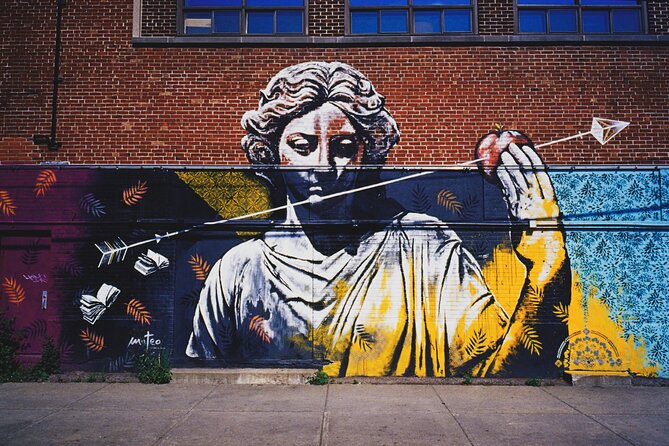
- A route through Belleville open-air walls and up to Montmartre’s street-level art
- Focus on free, outdoor artwork at specific streets like Rue Oberkampf and Rue Saint-Maur
- Built for photos, with time spent at long walls and large fresco sites
- Most stops are ticket-free, so your money goes into the guide and the route quality
Street art in Paris: why this beats another museum day
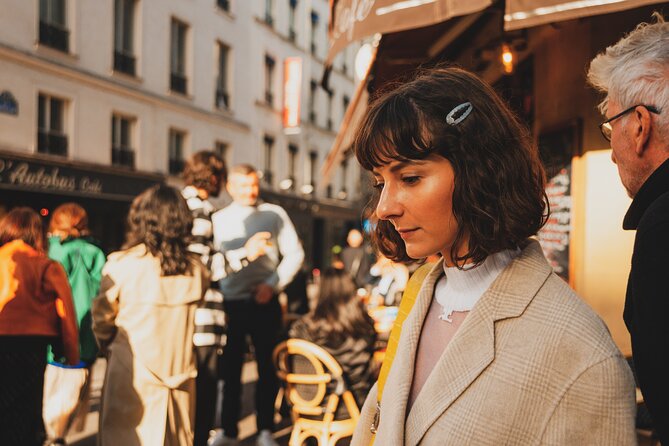
Paris museums are great, but they follow a script. Street art follows the street—new pieces appear, styles shift, and a wall can feel like it’s talking back to the neighborhood.
What I like about this tour format is that it treats modern graffiti and murals as more than decoration. You get help “reading” what you see: the vibe of a neighborhood like Belleville, the reason certain artists become local landmarks, and how big public walls connect to community identity. And because the art is outdoors, you’re not paying to enter another building just to stand in front of another panel.
It’s also a smart alternative to tourist overload. One guide approach mentioned in the tour info is specifically about avoiding the usual chaos near top sights, while still landing in a big-name area like Montmartre at the end.
You can also read our reviews of more tours and experiences in Paris.

Meeting your guide at your hotel and keeping it genuinely private
This tour meets in your hotel lobby (or centrally located hostel/vacation rental), which is a big deal if you don’t want to lose time figuring out subway exits. You also have pickup offered, and the guide contacts you by email so you don’t have to chase confirmations.
The tour is private, meaning only your group goes—no swapping people in and out, no waiting for everyone to zoom out for snacks. That matters on street art days, because you’ll want time at a wall for photos and for the guide to explain the symbolism or the technique.
The tour runs about 3 hours, and the activity calls for moderate physical fitness. Translation: expect walking on city streets for a few hours. If you use a cane or need slower pacing, it’s a good sign that guides on this kind of route have been described as attentive to individual movement needs.
The Belleville-to-Montmartre route: what each street stop gives you
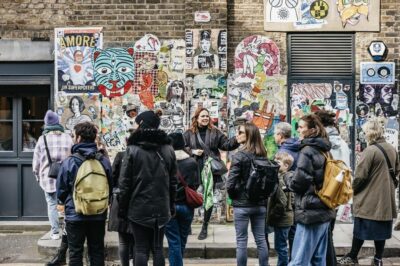
Rue Oberkampf and Belleville are the kind of place where you stop thinking in “landmark mode” and start noticing patterns—tags, characters, stencil style, large pieces, and layered backgrounds. That’s exactly where this walk starts, so your brain learns the visual language early.
Rue Oberkampf (including 107 Rue Oberkampf): where the open-air museum feeling starts
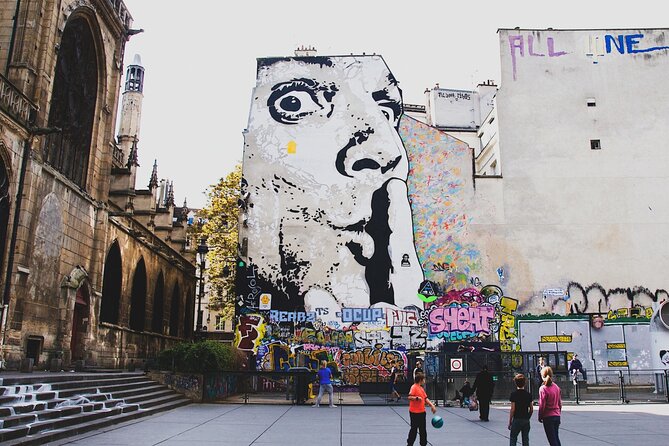
You begin around Rue Oberkampf, with the area described as an open-air modern art setting—basically, art viewing without the museum door. One address highlighted is 107 Rue Oberkampf, where you’ll see multiple pieces that range from thought-provoking graffiti to colorful modern murals.
A good street art guide here does two things for you:
1) helps you notice details you’d miss on your own, and
2) gives you enough context that the next wall you see feels easier to interpret.
This early start point is ideal because it sets expectations for the rest of the walk. You’ll get used to the idea that a street corner can function like a gallery.
Rue Saint-Maur and the Elysée Ménilmontant / Rue Julien Lacroix corner: styles you can spot fast
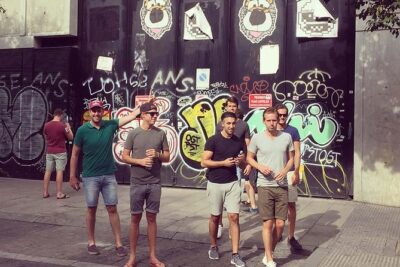
Next you move into Rue Saint-Maur, where the tour info highlights a rotating small exhibition setup—new artwork showing every fortnight. The value here is simple: you’re not only looking at one famous piece. You’re watching a neighborhood wall act like a living exhibit.
Then you get to the intersection area tied to Rue de l’Elysée Ménilmontant and Rue Julien Lacroix, described as another huge collection with complex artworks. The emphasis is on seeing big expressive frescos and also zooming in on smaller details. That “zoom in” is where you start understanding street art as craft, not just color.
A practical tip for this part: bring your camera ready, but also take a moment with your eyes first. Street art often has layers, and the guide’s explanation helps you decide what to photograph.
Rue Laurence Savart: narrow alleys, constantly changing walls
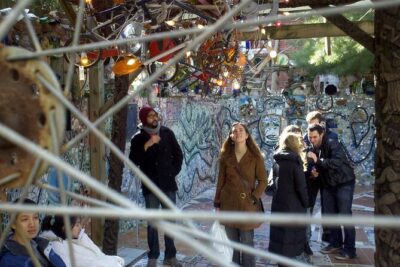
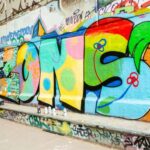
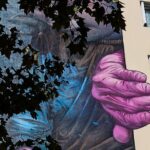
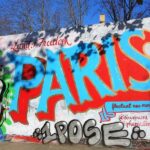
Rue Laurence Savart shows up as one of the key segments, and the theme is pretty clear: hidden corners and narrow lanes with a growing collection of contemporary work. If you’re the type who loves finding meaning in small spaces, this is one of the best streets on the route.
The “constantly growing” part is important. It means the guide’s job isn’t just pointing—it’s helping you understand the context behind what you’re seeing today.
If you have the option to choose a start time, I’d pick a time that gives you daylight for this section. These narrow lanes can be darker, and you’ll want to catch texture and contrast.
Rue des Cascades: a more scenic stop that slows you down
Rue des Cascades is highlighted for a picturesque streetscape and endless rows of artwork. This is a good counterbalance to the bigger mural walls: you get variety and a more “walk slowly and look around” feel.
The drawback here is also predictable: if you rush, you’ll miss the smaller pieces tucked into the rhythm of the street. This is one of those segments where privacy pays off—you don’t have to keep up with a pace that doesn’t match your attention span.
Boulevard de la Villette: Lazoo’s influence and a huge modern fresco
One of the most specific “artist-as-place” stories on the route is Boulevard de la Villette, tied to Lazoo. The tour info points out that Lazoo was born here and that you’ll see his name around. You also get a large modern fresco overlooking a community garden.
This is the part of the tour where the neighborhood stops being a background and starts being a character. When you learn that an artist is connected to the area—not just passing through—you start understanding why certain murals feel permanent in spirit, even if individual pieces change.
Rue de l’Ourcq and the canal-side street art corridor
Next comes Rue de l’Ourcq, with the idea that you’re looking at street art stretched beyond the city center—linked to Canal de l’Ourcq and Canal Saint-Martin. The description includes surfaces like purpose-built walls, abandoned industrial buildings, and bridges.
This segment is valuable because you’ll likely realize how street art spreads across city function. It’s not only on big blank walls. It’s on infrastructure, and that changes what the art can look like and how it’s meant to be seen.
If you like photography with context, this is your moment. The setting helps you understand scale and placement.
Rue Riquet: the Rosa Parks wall that’s hard to ignore
At Rue Riquet, the tour info highlights a 500-meter-long wall linked to a Rosa Parks tribute (covered in 2015). It also notes international artists contributed work, including women artists.
This is a strong stop for two reasons:
- You see how public art can honor a global figure in an intensely local way.
- The length means you can feel the variety—styles and voices across the same long canvas.
If you’re a “read every square inch” person, allocate extra time here by slowing your pace for the middle portion of the wall, not just the opening and the ending.
Montmartre finish: street art at the edge of the tourist map
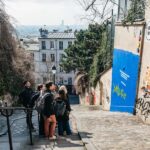
The tour ends in Montmartre, with a note that you’ll get a unique perspective described as an underground angle. It also emphasizes avoiding the most crowded tourist spots while still giving you time to appreciate walls covered by French and international artists.
Montmartre is famous for views, but this timing gives you a different experience: you’re there for street art meaning and neighborhood texture, not just postcard angles. The downside is that Montmartre can still get crowded, and one tour-specific note mentions overcrowding and rainy conditions affecting comfort on a given day.
What you actually gain from the guide (not just directions)
A street art tour can turn into a simple walk-and-point. This one is designed to do more than that, and the guide’s role shows up in the details.
In the tour information and guide feedback you provided, you can see a few recurring strengths:
- Guides bring artist context, often with structured notes. One example included Claire showing up with a binder covering artists, styles, and mediums—plus specific knowledge about where women artists were represented on the route.
- Other guides were praised for homework and conversation—people mentioned that guides like Sanny and Mehrdad connected the art to how the city works, not only what’s painted on a wall.
- Oksana was highlighted as very knowledgeable about street artists and graffiti, which matters when you want meaning instead of just aesthetics.
For you, the practical payoff is this: after the walk, you start seeing street art without needing someone beside you to translate it. You notice how tags function like signatures, how murals occupy space with intention, and how specific artists become tied to specific neighborhoods.
Price and value: what $139 buys you (and what it won’t)
At $139 per person for about 3 hours, this isn’t a budget “wander with a sign” deal. But for a private guide, it’s positioned as paid expertise plus a curated walking route.
Here’s where the value shows up:
- Street art viewing is mostly free because the stops are outdoor walls and public spaces (the tour notes admission ticket free at multiple points).
- You’re buying time with someone who knows the artists, the neighborhoods, and which corners are worth your attention.
- You get multiple start times and a customizable itinerary, which matters if you hate doing the same exact loop as everyone else.
Where it may not fit:
- If you expect formal museum-style lecturing with long storytelling, you might find a walking format more “on your feet” and less theatrical.
- If the day is rainy or Montmartre is crowded, your comfort can drop even if the art is still there. You’ll get the most out of it when you dress for weather and stay flexible.
Best fit: who should book this street art tour
This tour makes the most sense if you:
- love street art and want it explained in a way that makes you look closer
- prefer small-group comfort (private tour means your pace matters)
- want an alternative to museums and don’t want tourist lines to dictate your day
- enjoy photo walks but also care about context, not just shots
It can also be a great choice if you like conversation. One highlighted guide experience emphasized being easy to talk with and pairing art with city life discussion—exactly what you want on a neighborhood walk.
Should you book this street art tour?
Yes—book it if you want a guided, private street art route that ends with Montmartre vibes and gives you enough context to notice more art across Paris afterward.
I’d hesitate only if you dislike walking, hate changing plans due to crowds or rain, or you want a traditional indoor museum experience. Otherwise, this is a strong bet for a memorable Paris day that feels current, human, and very much like the city you came for.
FAQ
FAQ
How long is the private street art tour in Paris?
The tour lasts about 3 hours.
Is this tour private or shared?
It’s a private walking tour, with only your group participating.
Where do I meet the guide?
The guide meets you in the hotel lobby. You need to provide the exact name and address of your hotel.
Is pickup available?
Pickup is offered.
Is the tour offered in English?
Yes, the tour is offered in English.
Can I choose a start time?
Yes. Multiple start times are available.
Is the itinerary customizable?
Yes. The itinerary is fully customizable.
Are there admission fees at the street art stops?
The tour notes admission ticket free for the stops listed. Entrance fees are not included if any apply depending on your preferences.
What fitness level do I need?
You should have a moderate physical fitness level.
Can I cancel for a full refund?
Yes, you can cancel for a full refund up to 24 hours before the experience start time.