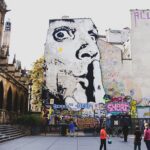
REVIEW · PARIS
Paris Off the Beaten Path Street Art Walking Tour
Book on Viator →Run by Meeting the French · Bookable on Viator
Paris street art isn’t hard to find, just easy to miss. This Belleville walk swaps museum crowds for a neighborhood where urban art is part of everyday life. You’ll get a local guide, a relaxed pace, and plenty of visual stops that explain why these walls matter.
I love the chance to see street art as more than decoration. The guide connects the artwork to real people, like artists’ lives in Belleville during the 1980s when rents pushed creatives into former industrial spaces. I also love the specific sights you’re likely to encounter, from Jérome Ménager’s wall work to the famous Space Invader mosaics.
One consideration: it’s a 2-hour, on-foot experience, so if you want a long, wide-ranging sampler of all Paris has to offer, this won’t replace a full-day museum or a big-scope tour. Also, street art can be political, funny, or both, so go in expecting opinions and debate.
In This Review
- Key highlights worth planning for
- Paris Street Art Starts in Belleville: Why This 2-Hour Walk Works
- Meeting at Bd de Belleville: Timing, Group Size, and How to Prep
- Edith Piaf to 1980s Studios: The Belleville Story Behind the Murals
- The Art You’ll Spot: Jérome Ménager, Space Invader, and the Mix of Styles
- How Your Guide Makes It Click: Stories, Politics, and Your Own Opinion
- Price and Logistics: Is $96.13 Worth It?
- Who This Tour Fits Best (and Who Might Want a Different Plan)
- FAQ
- How long is the Paris street art walking tour?
- Where do I meet for the tour?
- Is the tour in English?
- Is hotel pickup included?
- Does the tour run in bad weather?
- Can kids join, and do they need an adult?
- What size is the group?
- Should You Book This Paris Off the Beaten Path Street Art Walking Tour?
Key highlights worth planning for
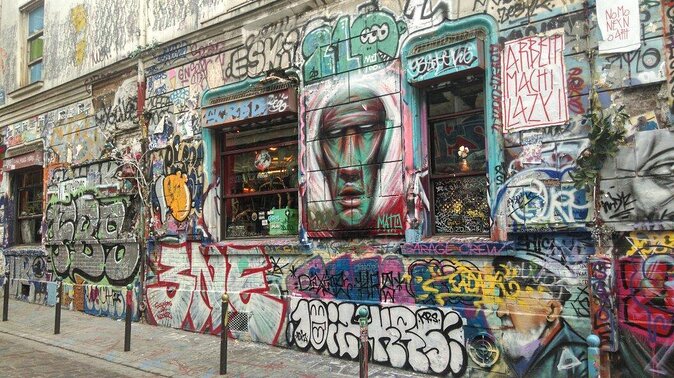
- Belleville’s street-art origin story: Edith Piaf’s early neighborhood, plus the 1980s shift to studios and artist culture
- Small group size (max 8) for a more personal pace and easier questions
- Real artist context tied to specific works, including Jérome Ménager and Space Invader
- Leisurely walking rhythm with breaks built into the flow, not a sprint between far-off sights
- You’re encouraged to form your own judgment about what you see—art, vandalism, or something in between
- Guides like Olga and Eloise in past groups bring the stories to life, plus interactive touches like a quiz
Paris Street Art Starts in Belleville: Why This 2-Hour Walk Works
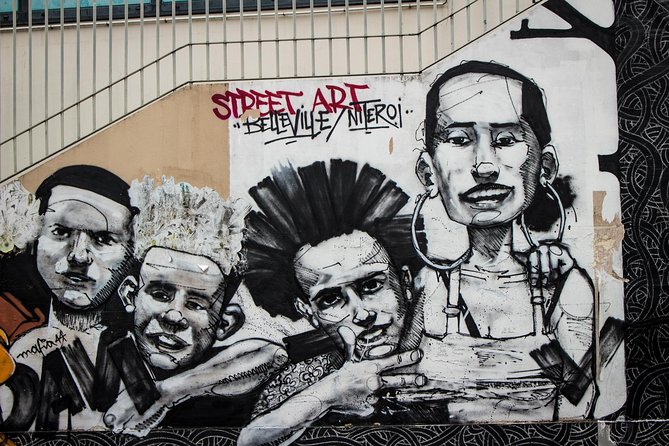
If you’ve already done the big museum hits, your eyes may need a different kind of attention. This tour gives you that. Instead of cathedrals-in-oil-paint formality, you get murals, mosaics, and wall art created for sidewalks, bus stops, and bar windows.
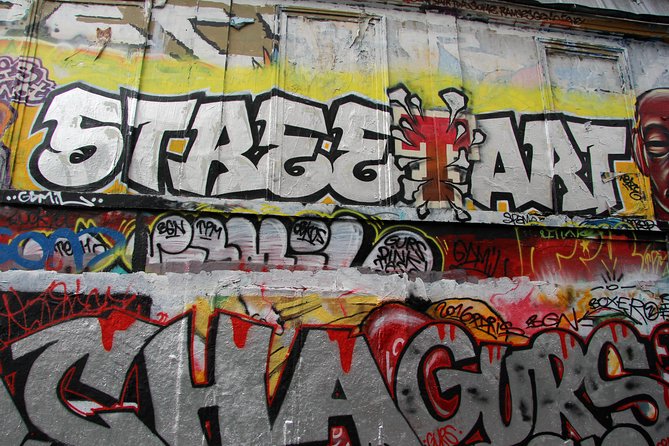
Belleville is a smart choice for this style of tour. It’s known for its urban art scene, and it has layers: music, pop culture, working-class Paris, and the later wave of artists who turned industrial spaces into studios. The guide uses that context to help you “read” the walls. You stop seeing random graffiti and start noticing themes—style, satire, identity, politics, and sometimes plain humor.
The other reason this works is pacing. The tour is designed as a relaxed walk, not a checklist sprint. That matters because street art rewards looking slowly. The details are often the point: scale, texture, placement on a facade, and the way a piece interacts with the building around it.
You can also read our reviews of more tours and experiences in Paris.


Meeting at Bd de Belleville: Timing, Group Size, and How to Prep
The meeting point is at 130 Bd de Belleville, 75020 Paris, France. The tour starts at 10:00 am and ends back at the same place. There’s no hotel pickup, so you’ll want to arrive a bit early, get your bearings, and take a quick look at the street life around you before you start walking.
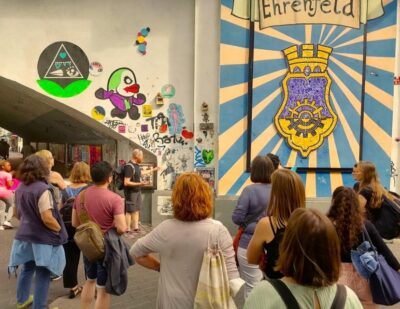
Group size is capped at 8 people. That’s a big deal. With a smaller group, you’re less likely to get dragged along while the guide talks at everyone. You can ask questions, and the guide can adjust if a wall stops people mid-sentence.
Preparation is simple, but don’t skip it:
- Wear comfortable shoes. You’ll be on foot for about two hours.
- Dress for all-weather conditions. Paris weather can change quickly, and this walk continues in typical conditions.
- Bring curiosity. Street art can look like decoration to one person and protest to another. The tour leans into that.
The tour is offered in English, and you’ll receive a mobile ticket. If you like having your day planned down to the start time, you’ll appreciate that this is a set, timed walk rather than a loose wandering plan.
Edith Piaf to 1980s Studios: The Belleville Story Behind the Murals
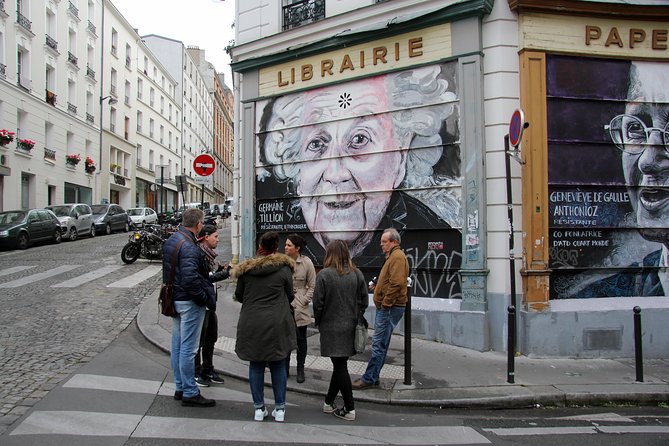
The heart of the experience is Belleville’s backstory, and the guide uses it to make what you see feel specific. The tour starts by grounding you in the neighborhood: this is where French singer Édith Piaf grew up. That connection matters because it places Belleville inside Paris history, not just street-art lore.
Then the story shifts to the 1980s. During that period, many Paris musicians and artists moved here because of lower rents. That’s the kind of detail that changes how you interpret the walls. Street art didn’t appear out of nowhere—it grew from a community of creators using space they could afford, converting old industrial buildings into studios, and turning Belleville into a center of urban art.
As you walk, you’re not just “looking at art.” You’re tracing a timeline. You’ll hear how the neighborhood became an artist enclave and how that shaped what artists choose to paint and mosaic. You may also learn how different locations feel connected to specific styles or messages.
The Art You’ll Spot: Jérome Ménager, Space Invader, and the Mix of Styles
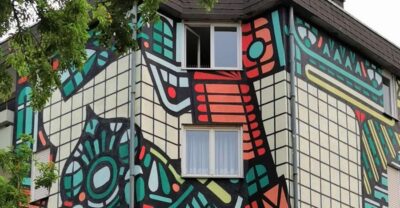
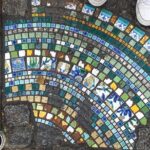
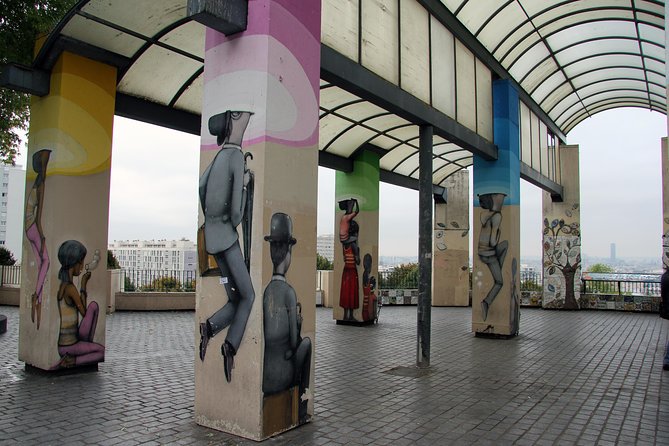
The tour is built around murals and other works placed on building sides, which means your perspective changes as you move street to street. One stop highlights a wall fresco by Jérome Ménager. Another focuses on the mosaic tiles by Space Invader, a name that pops up in street-art discussions worldwide for a reason: it’s recognizable, playful, and tied to the broader culture of street gaming iconography.
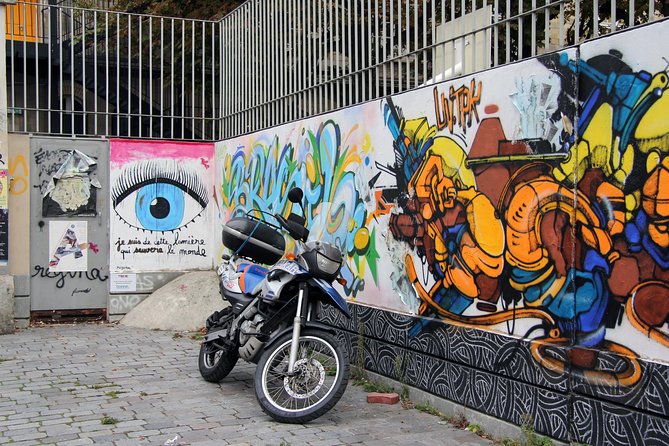
But the goal isn’t just naming artists. It’s teaching you to notice differences in how street art works. The guide points out the range, from pieces that feel beautiful to ones that are funny or outright political. That variety is one of Belleville’s main attractions. The walls act like a community bulletin board—some messages are gentle, others are confrontational, and often the point is the reaction.
Here’s the practical benefit for you: once you learn what to watch for—style, message, context, placement—you start noticing street art beyond the tour route too. Even if you never become a “graffiti historian,” you’ll gain a more accurate eye. You’ll spot clues and understand why a piece is placed where it is, not just what it depicts.
Also, the tour experience can include a living element. The guide’s context makes it possible that you may see artists at work in front of you. Even if you don’t, the neighborhood setting makes it feel like art belongs to the street, not just to galleries.
How Your Guide Makes It Click: Stories, Politics, and Your Own Opinion
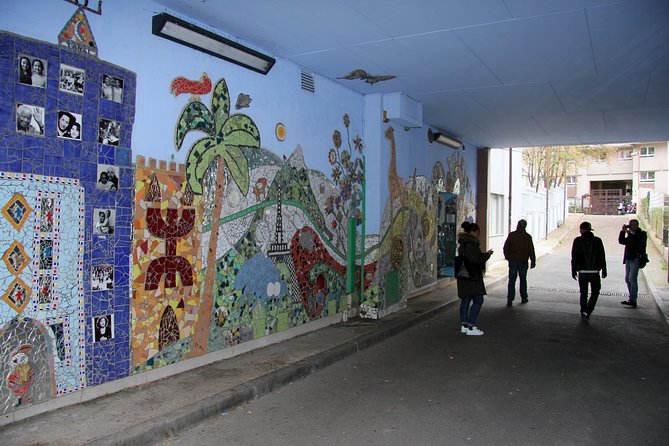
This is a guided tour, but it’s not the type where the guide demands you agree. You’re encouraged to express how you feel about the pieces you see. That matters more than it sounds. Street art sits in a gray zone, and the tour leans into that discussion—whether you interpret a work as true art, a form of destruction, or something in between.
The guide also brings energy through storytelling and explanation. In past groups, guides have included Olga and Eloise, and both styles tend to share the same strengths: clear context, lots of artist anecdotes, and time for questions. One group even had an interactive element like a quiz at the end. If you like learning while keeping it fun, that kind of structure helps.
Politics can be part of the mix. Some works reference social themes or take a position. That’s not everyone’s favorite category, so it’s worth knowing upfront: the tour doesn’t scrub street art of controversy. If you’re comfortable with that, you’ll likely enjoy the discussion angle. If you hate political messages on walls, you might still appreciate the artistic variety, but you may get less out of the debate.
And for families: this kind of tour often works better than museums for kids and teenagers who want visuals and stories. The colorful street art keeps attention moving, and the guide can explain context in a way that feels like neighborhood talk rather than lecture.



Price and Logistics: Is $96.13 Worth It?
At $96.13 per person for about two hours, you’re paying for three things: a specialist guide, a small-group experience (max 8), and the focused setting of Belleville street art. You’re not paying for transport by bus or a long multi-neighborhood itinerary.
Is it value? For the right traveler, yes. If you want to walk with someone who can point out what you’d miss on your own—how the neighborhood’s history connects to the art—you’ll get your money’s worth in one compact window. Also, the small group size helps you feel like you’re not just another body in a crowd.
If you’re a DIY street-art wanderer who already knows what you’re looking for, you might decide you can cover Belleville on your own. But you’d still probably miss some of the deeper “why this exists” connections—like the Piaf link and the 1980s rent-and-studio story that frames the walls.
My practical advice: if you book this, plan to show up rested enough to walk comfortably. This tour works best when you can slow down and look.
Who This Tour Fits Best (and Who Might Want a Different Plan)
This is a strong pick if you want:
- A break from the biggest museum “must-dos”
- A more local-feeling slice of Paris
- Street art explained with history, not just names
- Something that works well for teens and kids (with an adult)
- A relaxed walk that doesn’t feel like a race
It may be less ideal if you:
- Only want famous landmarks and iconic buildings
- Dislike political messaging or confrontation in public art
- Need long hours to stay fully satisfied in one area
- Want hotel pickup and a more guided-to-your-door style experience
The upside is that it’s localized. You’re not trying to cover all of Paris in one visit. You’re going deep in one neighborhood, which is exactly what street art tours should do.
FAQ
How long is the Paris street art walking tour?
It lasts about 2 hours.
Where do I meet for the tour?
You meet at 130 Bd de Belleville, 75020 Paris, France.
Is the tour in English?
Yes, it’s offered in English.
Is hotel pickup included?
No. Hotel pickup and drop-off are not included.
Does the tour run in bad weather?
It operates in all weather conditions. Dress appropriately.
Can kids join, and do they need an adult?
Children must be accompanied by an adult.
What size is the group?
The tour has a maximum of 8 travelers.
Should You Book This Paris Off the Beaten Path Street Art Walking Tour?
Book it if you want Paris through walls, not just through marble. The Belleville focus, the Piaf-to-1980s-studios context, and the chance to see pieces associated with Jérome Ménager and Space Invader make this more than a casual photo walk. It’s also a smart choice when museums feel like homework.
Skip it if you’re looking for a long, all-day sampler of Paris highlights. This is tight, neighborhood-specific, and built around interpretation. If you like discussing what art is for—and whether it belongs on the street—you’ll probably have a great time. If not, you can still enjoy Belleville on your own, but you’ll likely miss the connections that make the walls feel like a story you can actually follow.