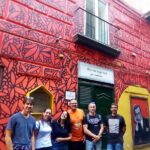
REVIEW · NAPLES
Rione Sanità Street Art and Traditions Tour for Small Groups
Book on Viator →Run by Around with A Local · Bookable on Viator
Sanità is Naples, minus the postcard. This small-group walk in English threads street art and traditions through real neighborhood landmarks, with stories that explain why these streets look the way they do. I like tours that connect art to place, and this one does it without feeling like a lecture.
What I love next is the lineup of “wow” stops that are mostly free to enter, especially the church with the majolica dome. The only real consideration: the Catacombe di San Gaudioso visit costs extra (€11), and Casa Natale di Totò is not in good condition, so expectations should stay realistic.
In This Review
- Key highlights you should know before you go
- Why the Sanità district tour works (and where it doesn’t)
- The 10th-century doorway into ancient Neapolis
- Palazzo Dello Spagnolo: Neapolitan Baroque with a “national monument” vibe
- Palazzo Sanfelice: the architect’s legacy, early 1700s style
- Santa Maria della Sanità: the majolica dome moment
- Catacombe di San Gaudioso: optional early Christianity underground (€11)
- Casa Natale di Totò: theatre history, real-world conditions
- Street art and traditions: why the murals feel like stories
- Coffee, snacks, and pacing that keeps you comfortable
- Price and value: what $50.60 really covers
- Who should book this Sanità Street Art and Traditions tour
- Should you book it? My practical take
- FAQ
- Is the tour in English?
- How long is the Sanità street art and traditions tour?
- What does the tour price include?
- Do I need to pay extra for the catacombs?
- Where does the tour start and end?
- What if the weather is bad or the tour is canceled?
Key highlights you should know before you go
- Valeria’s neighborhood storytelling links street scenes to Naples’ social change, not just pretty walls.
- Free entry for multiple landmarks, so you’re not constantly hunting tickets or paying at every corner.
- Santa Maria della Sanità’s majolica dome is the kind of detail that makes you slow down.
- Totò in the Sanità district, including a house tied to Italian theater history (even if the building is run-down).
- Optional Catacombe di San Gaudioso lets you choose more depth for a set price (€11).
- Coffee/tea plus Poppella’s Fiocco di Neve gives you a practical mid-tour break.
Why the Sanità district tour works (and where it doesn’t)
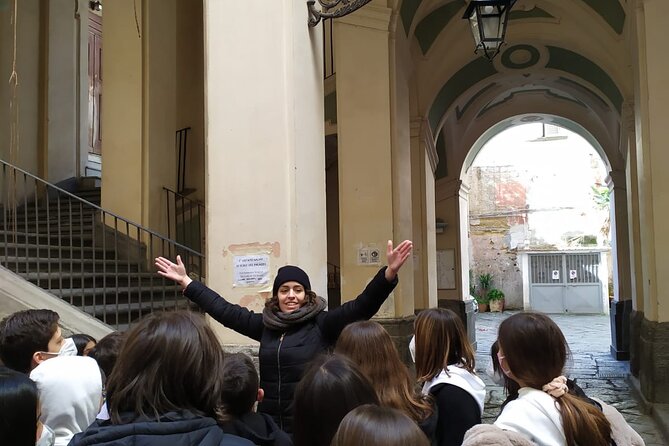
Naples has a “usual routes” problem. This tour sidesteps that. Instead of treating the city like a checklist, it focuses on a specific neighborhood—Rione Sanità—and shows you how history, architecture, and street art share the same walls.
Two things make it feel worth your time. First, it’s built for small groups (up to 12), so the guide can actually guide (not just herd). Second, the pacing is designed for real viewing time—some stops are only about 10 minutes, but the big “look longer” moment is clearly Santa Maria della Sanità.
The one place I’d be cautious: if you want big museum-style interiors and fully restored monuments, this neighborhood-focused walk will feel more human than polished. You’ll see beauty, but you’ll also see “real life,” including the condition of the Totò-related house.
You can also read our reviews of more tours and experiences in Naples.


The 10th-century doorway into ancient Neapolis
The walk starts at the entrance door to ancient Neapolis, created in the 10th century. Even if you only have a minute or two at first, it’s a strong opening because it anchors the neighborhood in time right away.
This is the kind of stop that helps you “get your bearings fast.” Naples street grids and layers can feel confusing if you arrive cold. Starting with a medieval doorway gives your brain a reference point, so later architecture makes more sense.
If you’re the type who enjoys threshold details—stonework, entrances, the way cities reuse old space—this opener hits the sweet spot. If you’re expecting a grand “site,” you might find it small. But it works as a story kick-off.
Palazzo Dello Spagnolo: Neapolitan Baroque with a “national monument” vibe
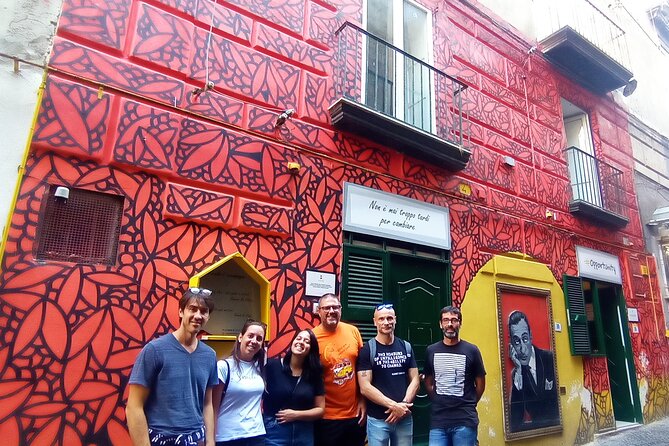
Next up is Palazzo Dello Spagnolo, a national monument building with Neapolitan Baroque architecture from the 1700s. You’ll spend about 10 minutes here, which sounds short until you realize that Baroque buildings are about surfaces—shapes, ornament, and dramatic visual rhythm.
This stop is valuable because it gives you context for what you’re seeing later. Baroque in Naples is theatrical. Once you notice that style language, the murals and street visuals start reading like a continuing conversation.
Drawback to be aware of: with only around 10 minutes, you won’t get a deep “study” visit. You’ll do better if you treat it as a quick, guided orientation and then keep your eyes open as the tour continues.
Palazzo Sanfelice: the architect’s legacy, early 1700s style
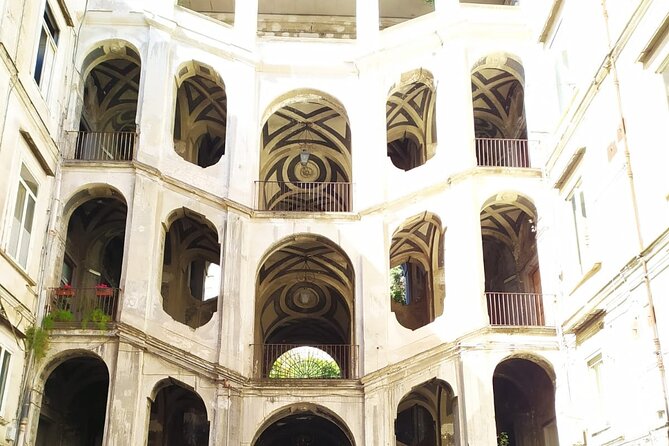
Then you’ll pass by Palazzo Sanfelice, tied to the historic architect from the early 1700s. Another short stop (about 10 minutes), but it’s the kind of place where the guide’s commentary matters. Architecture like this isn’t just one “pretty face”—it’s proportions, curves, and design choices that shape the whole streetscape around it.
This is also one of the tour’s quiet strengths: the schedule doesn’t waste time on long transfers. You stay in the neighborhood flow, moving from one landmark to the next while the area’s character stays consistent.
If you dislike walking tours that balance multiple micro-stops, you might feel the tempo here. But if you like a steady stream of visuals, it keeps things lively without rushing the big moment later.
Santa Maria della Sanità: the majolica dome moment
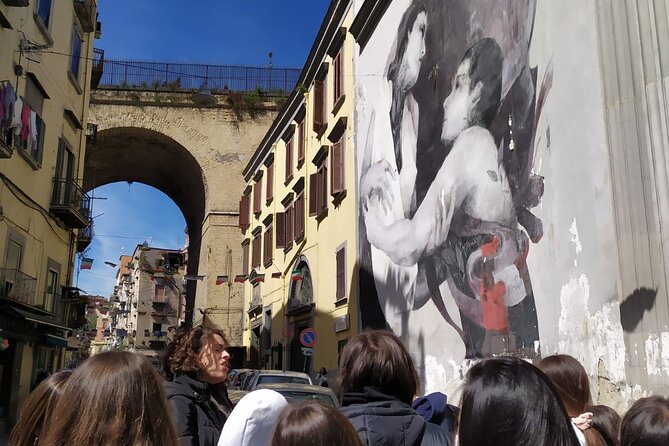
The star stop is Santa Maria della Sanità, with about 20 minutes on-site. This is where you slow down on purpose.
The highlight is the majolica dome—described as a real marvel—and the church’s architecture is the “can’t look away” type: something about it makes people pause, turn their heads, and keep looking even after the initial wow fades. That’s usually the sign of real design, not just photo-ready decoration.
Why this stop is more than scenery: religious architecture in Naples often reflects community identity. In a neighborhood-focused tour, a church like this isn’t just a religious building—it’s a landmark people relate to across generations.
Practical note: churches can vary in lighting and interior layout. Bring your patience and your sense of observation. The value here is in details, not crowd-thrashing.



Catacombe di San Gaudioso: optional early Christianity underground (€11)
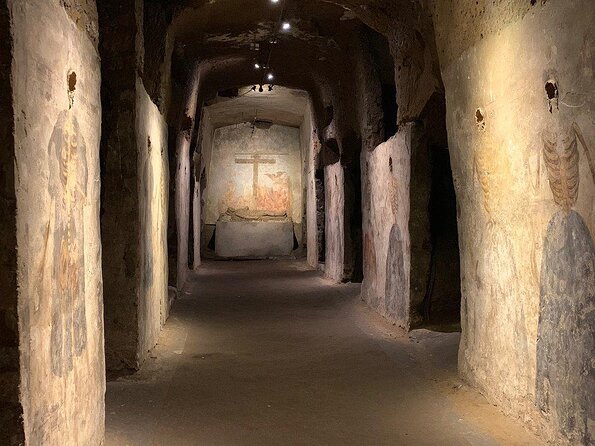
If you want to go deeper, you can add Catacombe di San Gaudioso at the end of the tour. The entry isn’t included, and it costs €11 per person, paid at that time.
What you’re getting is the second early Christian cemetery in Naples, located under the Basilica of Santa Maria della Sanità. That pairing matters. It turns the tour from “buildings above ground” into a story of faith and burial practices across time.
This is a good option if you enjoy history you can’t fully see from street level. Underground spaces also create a different pace—less “walk-and-look,” more “slow-and-listen.”
The only consideration is simple: if €11 is a stretch, you can skip it. The main tour still works well without the catacombs, because the church alone provides a strong anchor.
Casa Natale di Totò: theatre history, real-world conditions
In the heart of the Sanità district stands Casa Natale di Totò, the birthplace of Totò, a key figure in Italian theatre. You get about 20 minutes here, and the guide’s perspective is what changes the mood of the stop.
Here’s the balancing truth: the house is described as being in disastrous conditions. That means you’re not going to experience a pristine “birthplace museum.” You’re paying attention to the meaning, not the building’s curb appeal.
I actually think that’s part of why this stop works. Naples doesn’t always preserve things the way tourists expect. When you see a famous name tied to a struggling building, it raises questions about memory, value, and who gets to be protected.
If you need everything restored and tidy to feel satisfied, this may feel more sad than exciting. If you like places that show the city’s edges, it’s compelling.
Street art and traditions: why the murals feel like stories
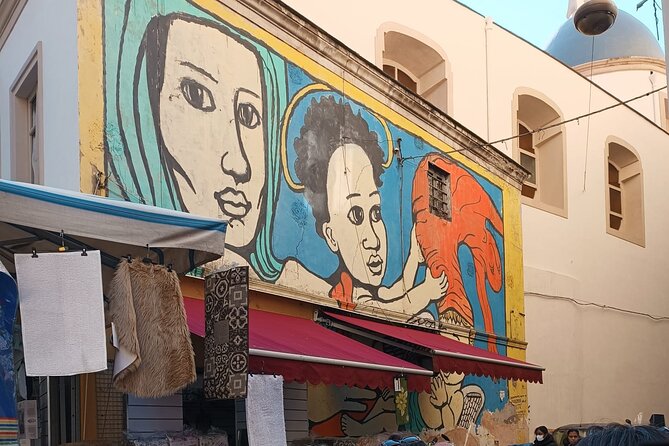
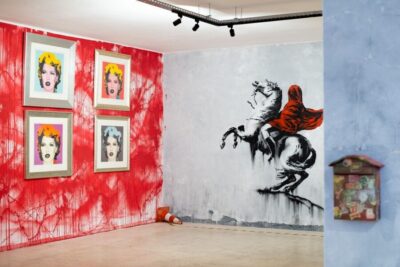
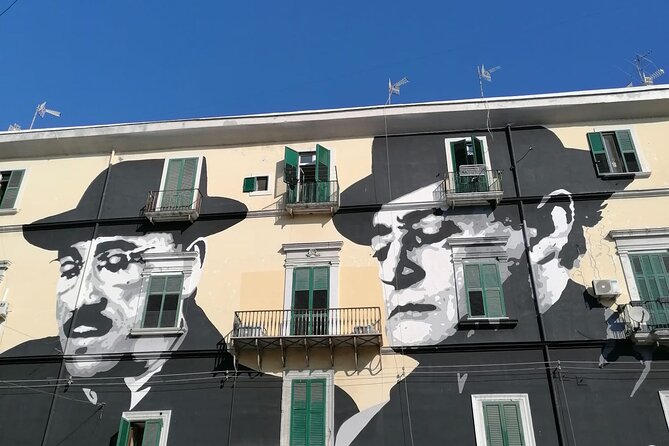
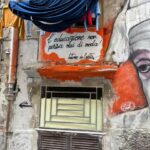
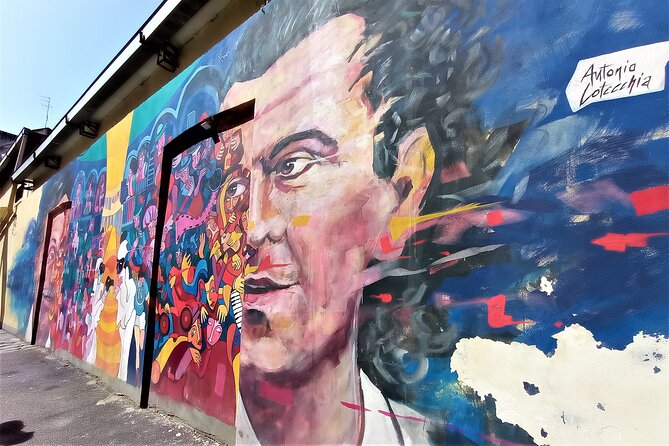
Even though the landmarks are the official anchors, the tour’s emotional center is the neighborhood’s creative layer. The Sanità district is known for murals and art that reference Italian culture—especially figures like De Filippo, Troisi, and Totò.
You’ll also hear about work by a young artist named Jago, including a sculpture called Veiled Son. This matters because the art isn’t floating on top of the neighborhood. It’s presented as part of a wider push for change—projects of rebirth and regeneration and the role of cooperatives and local youth.
One review also mentions meeting Zio Pepe and the guide’s nonno during the experience. Even without overthinking it, that’s the point: this tour doesn’t treat the street like a backdrop. It treats it like a lived-in stage.
If you’re the kind of traveler who likes street art when it has context, you’ll enjoy this. If you only want to photograph walls quickly, you might feel you’re spending more time listening than snapping. That trade-off is the core character of the tour.
Coffee, snacks, and pacing that keeps you comfortable
About halfway through (and included as part of the experience), you get coffee and/or tea. You also receive snacks: Fiocco di Neve from Poppella.
This kind of inclusion is practical in a city like Naples. You’re walking, looking up, stopping often—snacks keep the energy steady so you don’t start counting minutes in a bad mood.
The pacing is also worth noting: it’s about 2 hours 30 minutes total, with short stops early and longer, higher-attention stops later. That makes it easier to tolerate crowds elsewhere in the day, because you’re not committing to a half-day marathon.
Price and value: what $50.60 really covers
At $50.60 per person for a tour that runs around 2.5 hours, this isn’t just a “guided stroll.” Your money supports a focused neighborhood experience plus tangible perks.
Here’s what you’re effectively buying:
- Free admission at several key stops (Palazzo Dello Spagnolo, Palazzo Sanfelice, Santa Maria della Sanità, and Casa Natale di Totò are listed as free).
- A story-led walk in a part of Naples that many first-timers skip.
- Coffee/tea plus a Fiocco di Neve from Poppella snack included.
- A small group size (max 12) and English service.
- A mobile ticket and a meeting point close to public transport.
The one extra cost that can pop up is the optional catacombs (€11). If you choose to add it, your total spend increases—but you’re also choosing the deeper historical layer.
I’d call this strong value if you’re after meaning, not just landmarks. If you only want the biggest famous sights, you’ll likely feel this is niche. But if you want Naples that feels personal and specific, the price makes sense.
Who should book this Sanità Street Art and Traditions tour
This tour is a good match if you:
- like street art with context, not just “pretty walls”
- enjoy architecture, especially churches and Baroque building styles
- want a Naples neighborhood that feels separate from the standard tourist route
- travel with a group small enough to ask questions without shouting
It may be less satisfying if you:
- want a major-sight day packed with famous landmarks outside this district
- dislike walking schedules that mix short stops with one or two longer anchor moments
- need fully restored buildings throughout (Casa Natale di Totò is not in that category)
Also, it’s offered in English and most people can participate. Service animals are allowed too.
Should you book it? My practical take
Yes—if your goal is to see a real Naples pocket, with street art tied to the neighborhood’s ongoing changes. The free-entry stops plus the included coffee and Poppella snack make it feel structured, not random.
Before booking, think about your tolerance for “real conditions.” Casa Natale di Totò isn’t presented as a flawless attraction, and the catacombs are optional. If you’re okay paying attention to stories and seeing beauty alongside rough edges, this tour will reward you.
If you want everything polished and perfectly accessible, you may find it better to choose a more classic sights tour.
FAQ
Is the tour in English?
Yes. This experience is offered in English.
How long is the Sanità street art and traditions tour?
It runs for about 2 hours 30 minutes (approximately).
What does the tour price include?
The price includes coffee and/or tea, plus snacks (Fiocco di Neve from Poppella). Some stops are free to enter, and you can choose to pay extra for the catacombs.
Do I need to pay extra for the catacombs?
Yes. Catacombe di San Gaudioso entry is not included. If you want to go, you’ll pay €11 per person at the end of the tour.
Where does the tour start and end?
It starts at Via Porta S. Gennaro, 2, 80138 Napoli NA, Italy and ends back at the meeting point.
What if the weather is bad or the tour is canceled?
The experience requires good weather. If it’s canceled due to poor weather, you’ll be offered a different date or a full refund. It can also be canceled if a minimum number of travelers isn’t met, with the same options.